Fantasy is a wonderfully creative and open-ended storytelling genre, and it’s a perfect fit for animation. The ‘isekai’ subgenre – stories where characters are transported to another world – became especially popular in the early 2010s, largely thanks to anime like Sword Art Online, which established many of the tropes we see today.
Isekai stories, where characters are transported to another world, have become incredibly popular in anime. They can appear in classic fantasy settings, virtual game worlds, or even blend with surprising franchises, as seen in titles like Suicide Squad Isekai. While many isekai anime are released each year, truly outstanding series are relatively rare.
Overlord Is the Ultimate Isekai Power Fantasy Subversion
The isekai genre in anime has existed for a long time, but shows like Overlord recently started pushing its boundaries and changing what these stories can be. Overlord assumes viewers are familiar with common isekai tropes and the typical experience of playing MMORPGs. It uses this knowledge to create a compelling power fantasy that also explores its characters in a thoughtful way.
Many stories feature characters transported to new worlds who have to overcome difficult challenges, like weak abilities or even being turned into objects. However, Overlord flips that trope. Instead of struggling, the main character, a regular office worker, becomes incredibly powerful and remakes the world to his liking. This leads to satisfying changes, seen through the eyes of various characters he encounters.
Many stories about becoming all-powerful quickly become repetitive, but Overlord has consistently surprised audiences across its four seasons and movie. The series boasts exceptional world-building and character growth, making the final outcome a far cry from where it began. Overlord‘s success has set a high bar for other similar “transported to another world” anime, and many have struggled to compete with its strong storytelling.
KonoSuba Is Pitch-Perfect Isekai Parody That’s Endlessly Affable
KonoSuba: God’s Blessing on This Wonderful World! is an anime that starts with a common story: an ordinary boy, Kazuma Satou, dies and is transported to a fantasy world. He quickly joins an adventuring party, but it’s filled with quirky and troublesome characters. The creator, Natsume Akatsuki, intentionally made KonoSuba to playfully poke fun at typical fantasy stories. As a result, the show is full of chaotic and funny situations, and Kazuma and his friends spend more time dealing with trouble than actually being heroes.
What makes KonoSuba so enjoyable is its playful take on the isekai genre – it lovingly pokes fun at fantasy tropes rather than simply mocking them. The series clearly has a lot of affection for the fantasy world it’s built around. Despite being a bit chaotic, the characters have become truly memorable figures in the isekai space. While KonoSuba delivers exciting magic and adventures, ultimately, it’s a show you watch to hang out with its incredibly charming characters. Their natural chemistry keeps things consistently funny and engaging, ensuring there’s never a boring moment.
All three seasons of KonoSuba are fantastic, and it’s great that the movie and the An Explosion on This Wonderful World! spin-off featuring Megumin are just as good. With a fourth season already announced, fans are hoping KonoSuba continues to deliver the same high quality we’ve come to expect from the series.
The Eminence in Shadow Fully Commits to Its Isekai Anime Parody
Many popular isekai anime succeed by cleverly playing with the genre’s established tropes. While these shows can go in various directions, The Eminence in Shadow taps into a particular concept that will appeal to anime fans who also enjoy video games. Essentially, the series turns into a long, immersive role-playing game that unexpectedly becomes reality.
Cid Kagenou finds himself reborn in a fantasy world, but he doesn’t want to be a hero or villain. Instead, he’s determined to play the role of a powerful figure operating from the shadows. Cid fully embraces this persona, believing that the cult he’s unintentionally built, the Shadow Garden, is actually made up of other people playing along with his game. However, he’s unaware that his allies and enemies are genuinely dangerous and not just fellow role-players. This makes Cid a truly unusual character in the isekai genre, serving as the hidden strength behind The Eminence in Shadow.
This anime shares some similarities with Overlord, but the main character, Cid, has completely different motivations and aims. The Eminence in Shadow successfully blends exciting action with laugh-out-loud comedy, and its humor cleverly pokes fun at common tropes found in isekai stories, making it enjoyable for anyone who likes a fun and engaging “fish out of water” power fantasy.
The Vision of Escaflowne Combines Isekai Elegance With Mecha Mayhem
Many fans consider The Vision of Escaflowne a hidden treasure from the 1990s, but its English dub unfortunately doesn’t showcase the anime’s full quality. The localization process significantly altered the story and removed subtle details, resulting in a compromised viewing experience. Despite this, The Vision of Escaflowne remains a truly innovative and daring example of the isekai genre.
The anime Escaflowne started with the idea of combining giant robots (mechas) with magic and fantasy, similar to how Macross famously mixed mechas with love songs. The story centers around Hitomi Kanzaki, a normal high school student who suddenly finds herself in Gaea, a strange world with both Earth and the moon visible in the sky. She becomes caught in the middle of a growing conflict between two warring countries. A key part of Escaflowne‘s appeal is watching Hitomi transform from an innocent newcomer into a brave and powerful hero.
The design of the Escaflowne mecha is incredibly imaginative. It looks like a massive knight in shining armor, wielding a sword, but it can also turn into a flying dragon, perfectly blending elements of other worlds and fantasy. This ambitious combination of different genres works so well because it cleverly finds connections between them, creating a harmonious whole. While a mecha might usually seem out of place in a fantasy setting, it feels completely at home in The Vision of Escaflowne.
That Time I Got Reincarnated as a Slime Is Peak Isekai Fantasy in 2026
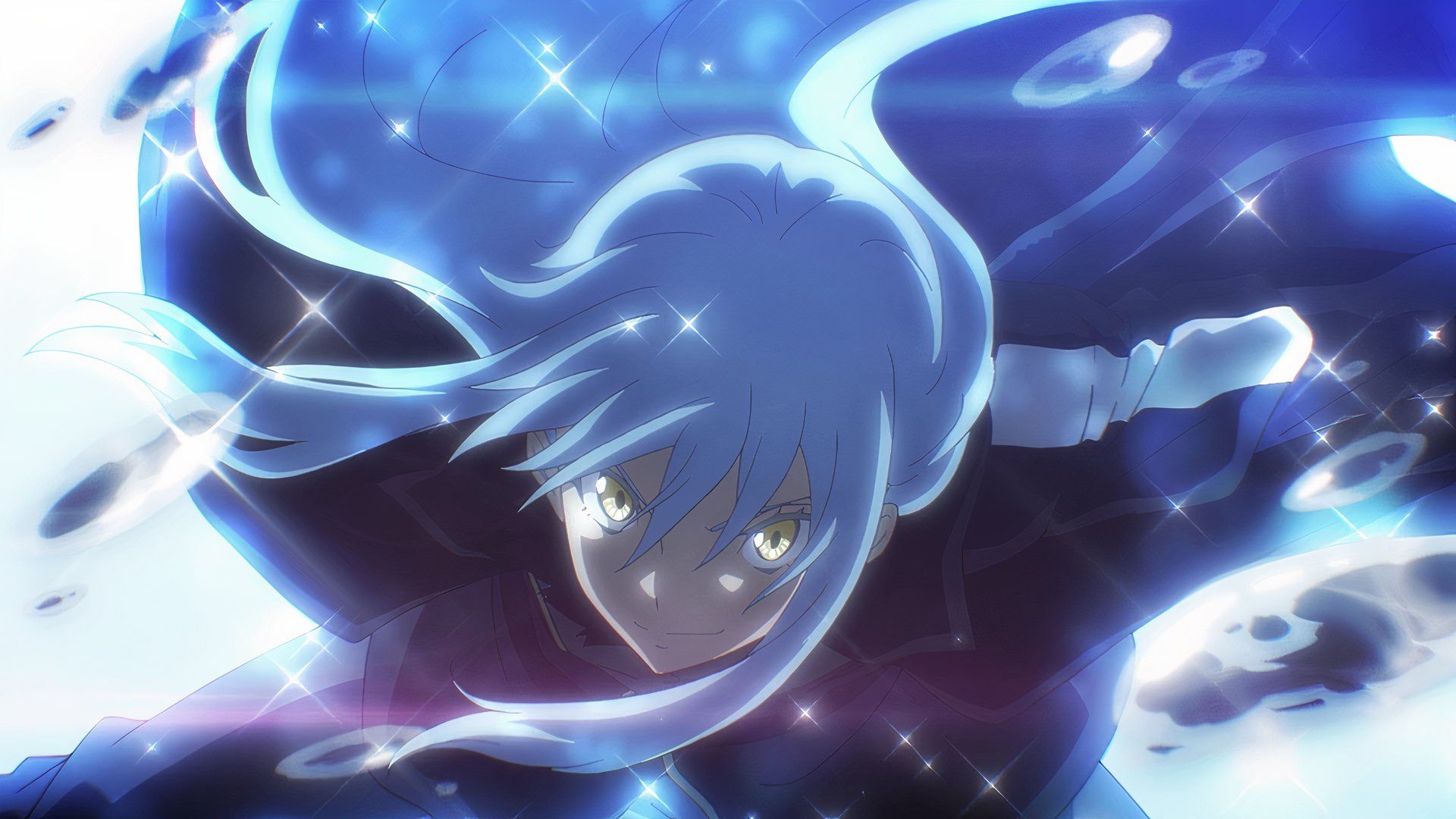
I’ve noticed a lot of stories lately that playfully explore what happens when someone ends up in a magical world. One example is That Time I Got Reincarnated as a Slime. The main character, Satoru Mikami, dies a heroic death in our world, only to find himself reborn as a pretty basic slime monster in a fantasy realm. Thankfully, even as a slime, he starts to develop abilities that eventually let him take on a more human shape.
Rimuru’s emergence as a slime happens alongside a major change in power, ultimately making him the ruler of his own kingdom. His territory, including the Great Forest of Jura, quickly becomes a popular destination, attracting both allies and enemies. While That Time I Got Reincarnated as a Slime uses familiar fantasy elements, it’s become incredibly popular as an isekai anime.
After three seasons and two movies, That Time I Got Reincarnated as a Slime remains incredibly popular, and it’s no surprise it’s become Japan’s bestselling light novel series. The series is an engaging and uplifting fantasy adventure that’s easy to get lost in. Hopefully, fans can look forward to more seasons of this beloved isekai story for years to come.
Found an error? Send it so it can be corrected.
Read More
- GBP CNY PREDICTION
- Elon Musk’s Mom Maye Musk Shares Her Parenting Philosophy
- Forza Horizon 6 Car List So Far: Confirmed Highlights, Cover Cars, DLC, and Rewards
- 10 Greatest Manga Endings of All Time
- Elon Musk’s Ex Ashley St. Clair Reveals When Romance Became “Weird”
- 38 Years Later, Murder, She Wrote’s Most Overlooked Episode Still Pulls Off TV’s Greatest Crossover
- Mark Zuckerberg & Wife Priscilla Chan Make Surprise Debut at Met Gala
- Hollow Knight: Silksong Guide – All 30 Lost Flea Locations
- 20 K-Dramas That Nailed the Perfect Ending
- A Major PlayStation Delisting Exposes a Sony Problem
2026-04-15 18:41