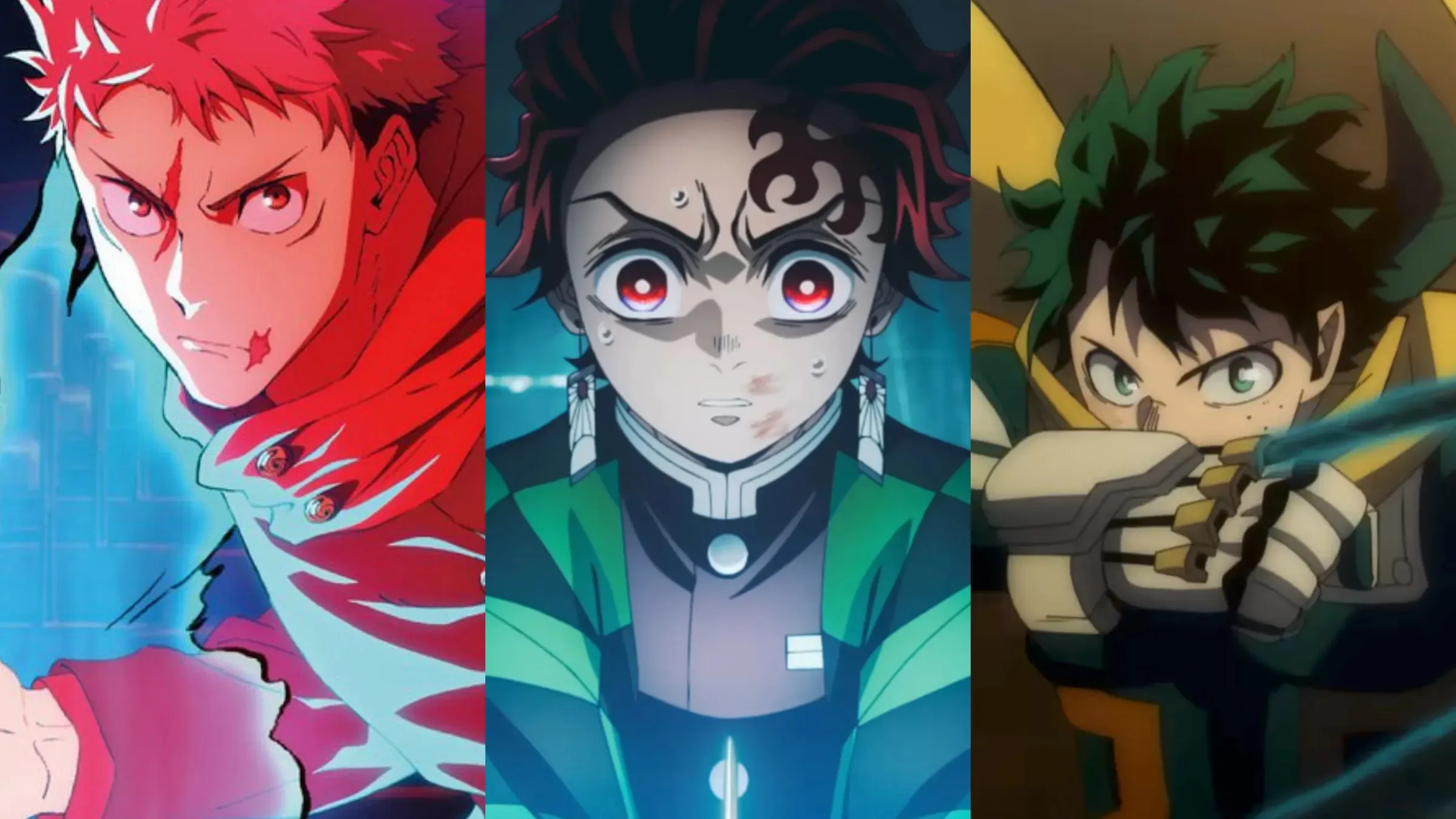
Be warned, this article contains major spoilers for several popular manga series that ran in Shonen Jump during the 2010s! Shonen Jump is seeing the conclusion of many of its decade-long series, and it’s natural to wonder which one had the most satisfying finale. The 2010s might mark the end of an era for manga that consistently reached 200-300 chapters, as newer series from 2020 onward have generally been much shorter. Now that these long-running stories are concluding, it’s a good time to reflect on them all.
Now that Black Clover has finished, marking the end of another popular series from the 2010s, it’s a good moment to revisit these big hits and see which ones still hold up. Series like Demon Slayer: Kimetsu no Yaiba, My Hero Academia, and Jujutsu Kaisen were incredibly popular, so be warned – this article contains spoilers as we look at how well each of these stories concluded.
7). Chainsaw Man
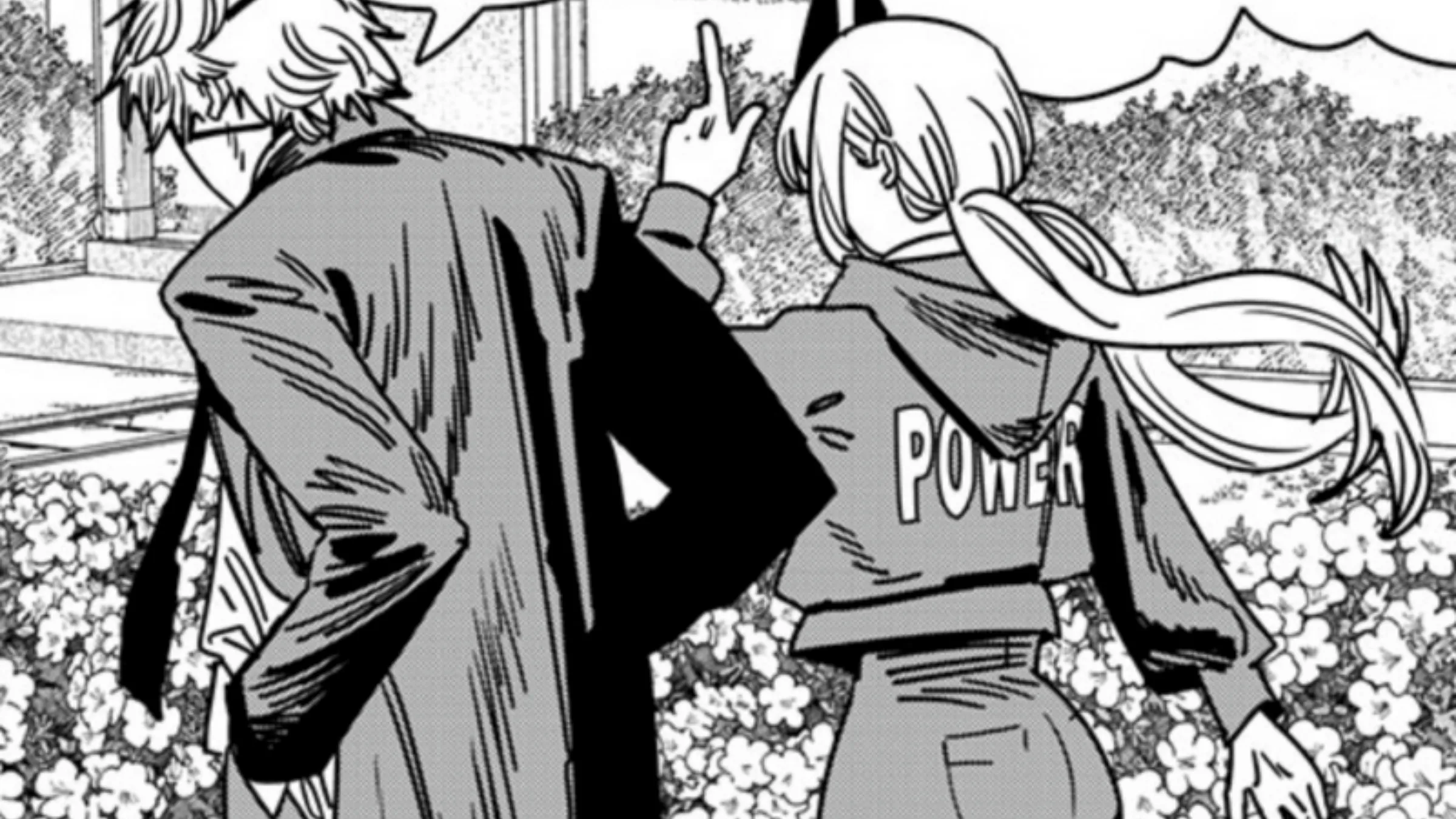
Even though it’s a recent series, the ending of Tatsuki Fujimoto’s Chainsaw Man deserves mention because fans reacted very strongly to it. The final chapter of the second part felt abrupt and surprised many readers, who were ultimately disappointed with how the story concluded. It felt both rushed and incomplete, leading to a significant backlash from the fanbase.
Many characters didn’t get satisfying conclusions, and fans are still discussing whether the ambiguous ending was intentional. It’s possible the series will be viewed more favorably in the future, which is why it’s ranked lower on this list. Over time, some of the current criticism might lessen.
6). Black Clover
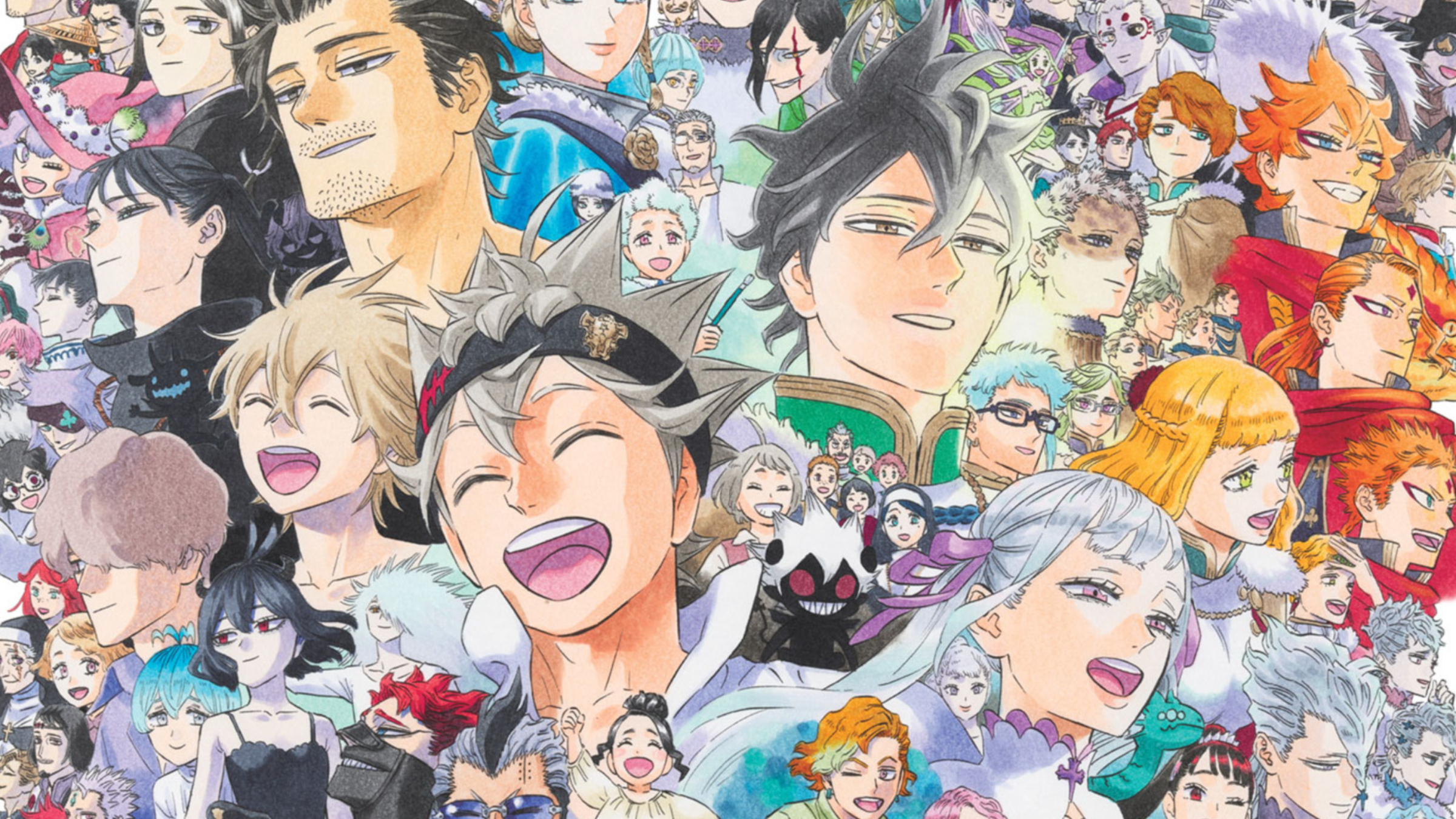
Although it’s one of the more recent conclusions, Black Clover ranks higher than Chainsaw Man due to a more positive fan response. While some questions remain unanswered, most fans were satisfied with how Asta’s story ended. However, like many series, it felt rushed, especially considering the author had moved to a quarterly release schedule to allow for more detailed chapters. The final year quickly covered major events and reveals that deserved more development.
The story’s conclusion offered a satisfying glimpse into the future for each character, but the way things unfolded felt rushed. The climactic war could have been more drawn out and impactful, as key character moments felt too quickly resolved. However, most fans seem generally happy with the ending itself.
5). Jujutsu Kaisen
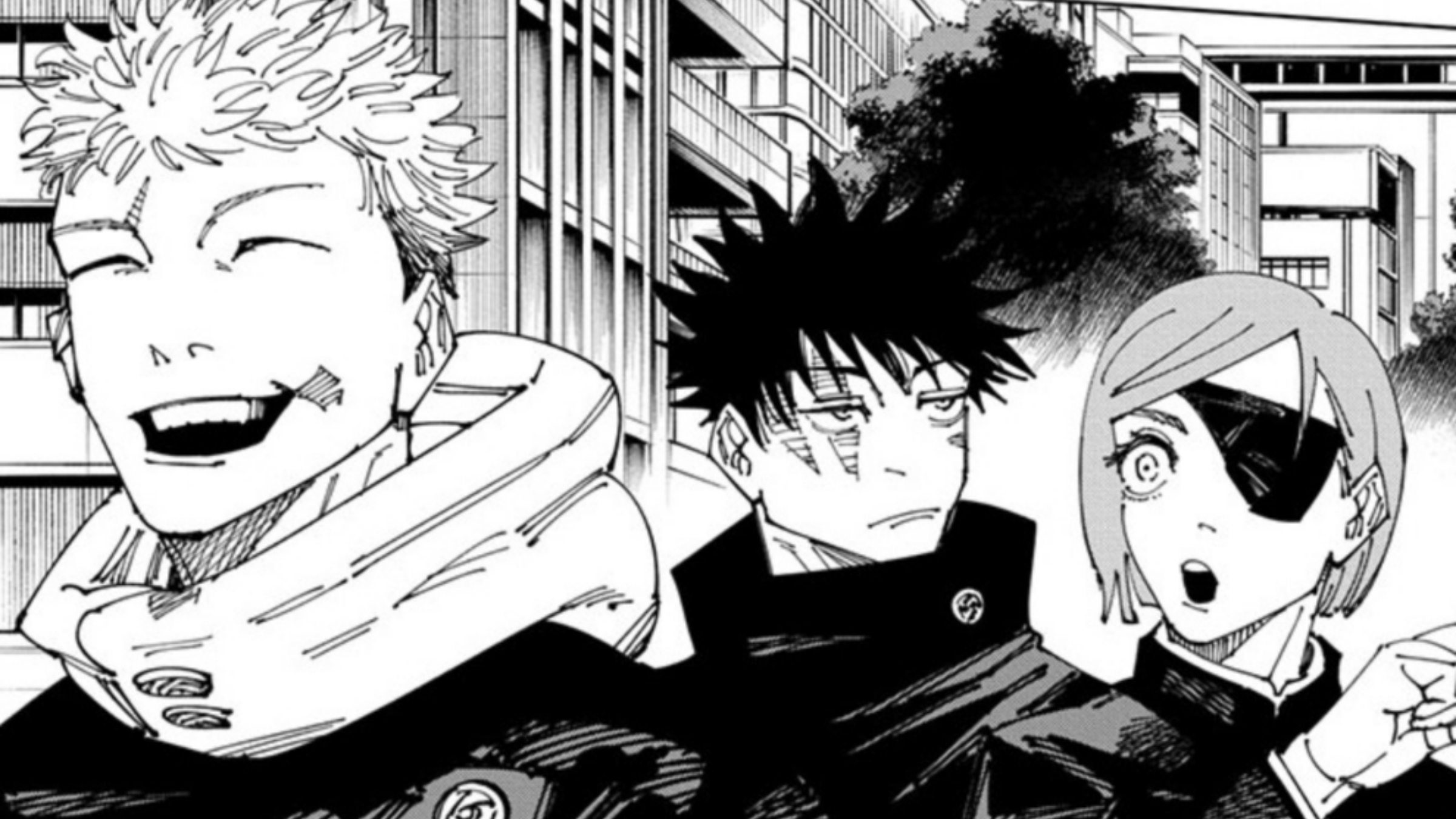
Unfortunately, Jujutsu Kaisen by Gege Akutami suffered from similar problems. After it was announced the series was nearing its end, the final storyline felt rushed. Many fans were disappointed with the conclusion for Yuji and the other characters, finding it unsatisfying and leaving several plot points unresolved. Specifically, the final battle against Sukuna didn’t feel adequately built up due to the quick pace.
The original ending was very controversial, but opinions have become more positive since the release of the Jujutsu Kaisen Modulo sequel. Interestingly, that sequel also faced criticism for its own ending, though it did offer fans a glimpse of what happens to Yuji and other characters. Overall, it provided a more satisfying conclusion to the story, which is a major factor in its current standing.
4). Demon Slayer: Kimetsu no Yaiba
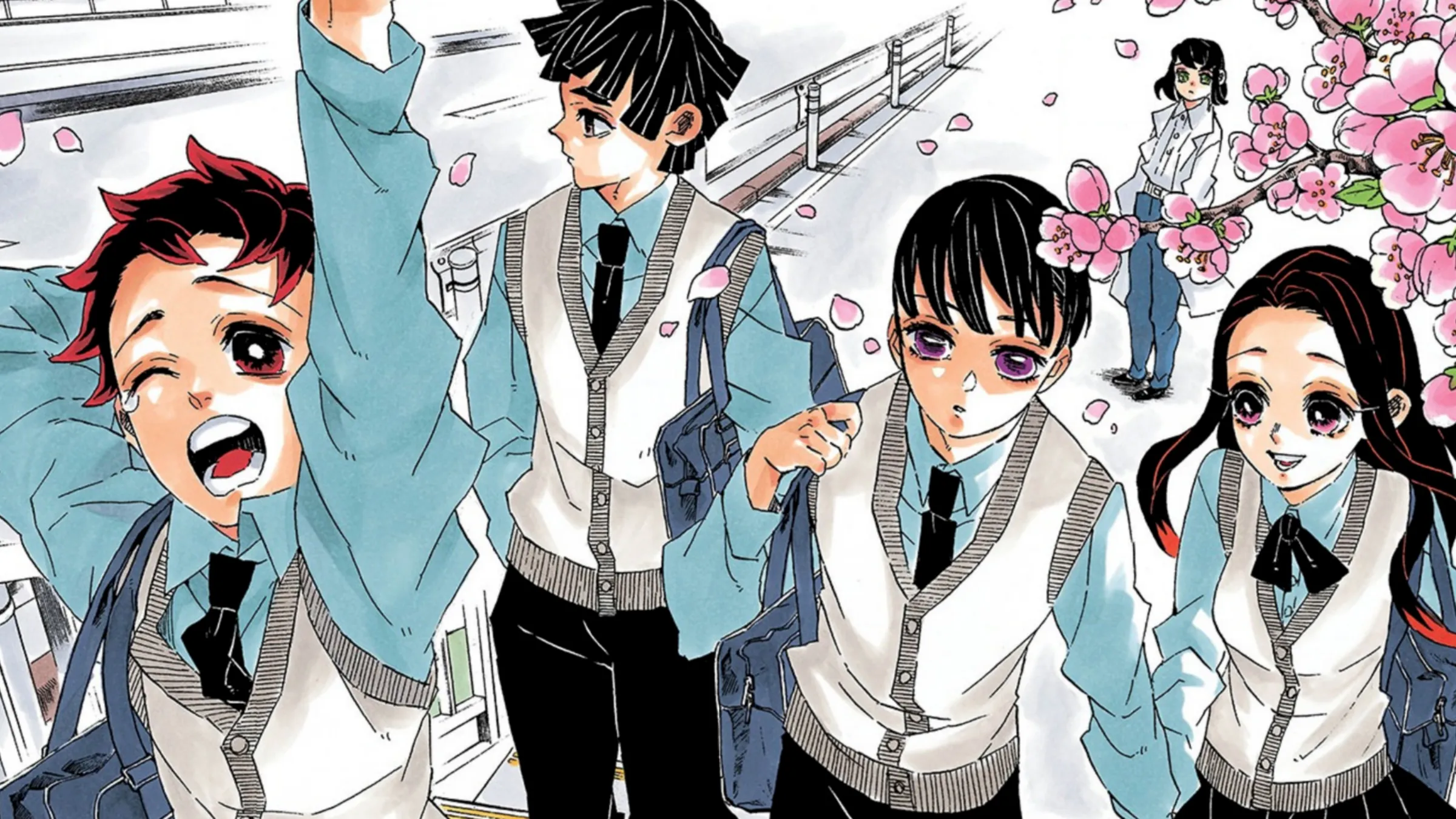
Koyoharu Gotoge’s Demon Slayer: Kimetsu no Yaiba sparked some debate among fans, largely because people were surprised by the direction the author took the story. However, it’s a remarkably creative approach, and feels even more so looking back. While the main characters like Tanjiro Kamado’s stories conclude quickly with Muzan’s defeat, the series jumps forward in time to show that everyone has been reincarnated into a more peaceful world.
The finale didn’t focus much on what happened to Tanjiro after the main conflict, but instead delivered a deeply emotional ending. It showed that even characters who had died found some peace and happiness. While some fans might not have fully understood it initially, the ending resonates more strongly with time.
3). My Hero Academia
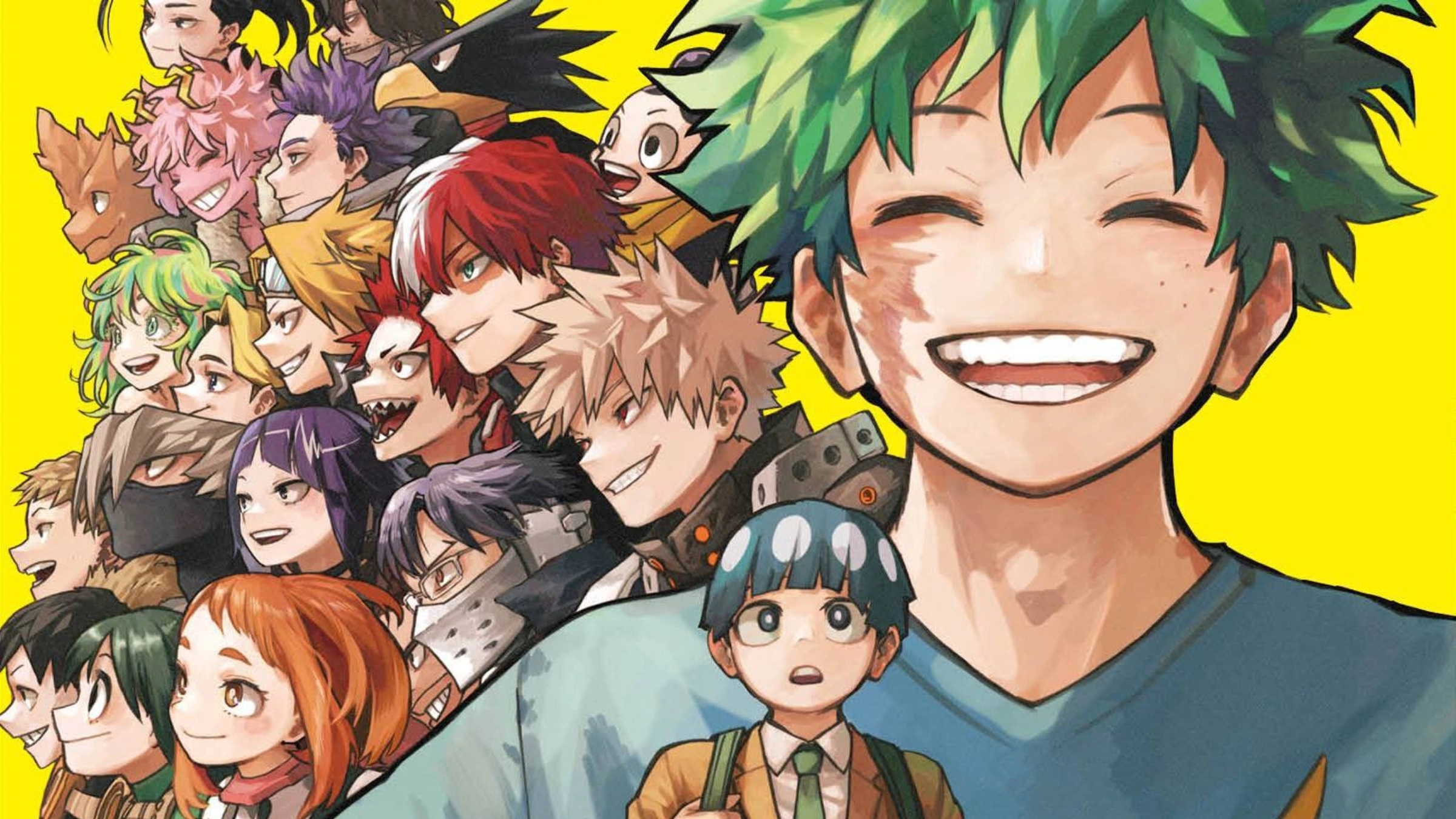
The ending of My Hero Academia faced initial criticism from fans who expected Deku to become the world’s greatest, fully powered hero, as hinted throughout the series. While he didn’t achieve that specific outcome, he ultimately found happiness in a different way. However, the ending has been received much more positively over the past two years because creator Kohei Horikoshi released additional chapters that further explained and expanded upon the story’s conclusion.
Recent episodes of the anime have given fans a fresh understanding of the ending, making it clear that Deku has achieved the best possible future. He’s now able to inspire the next generation of heroes in a way that wouldn’t have been possible simply as the top hero, and his actions have fundamentally changed hero society. While it’s a more open-ended conclusion than some others, it sets up a hopeful future for Deku.
2). We Never Learn: BOKUBEN
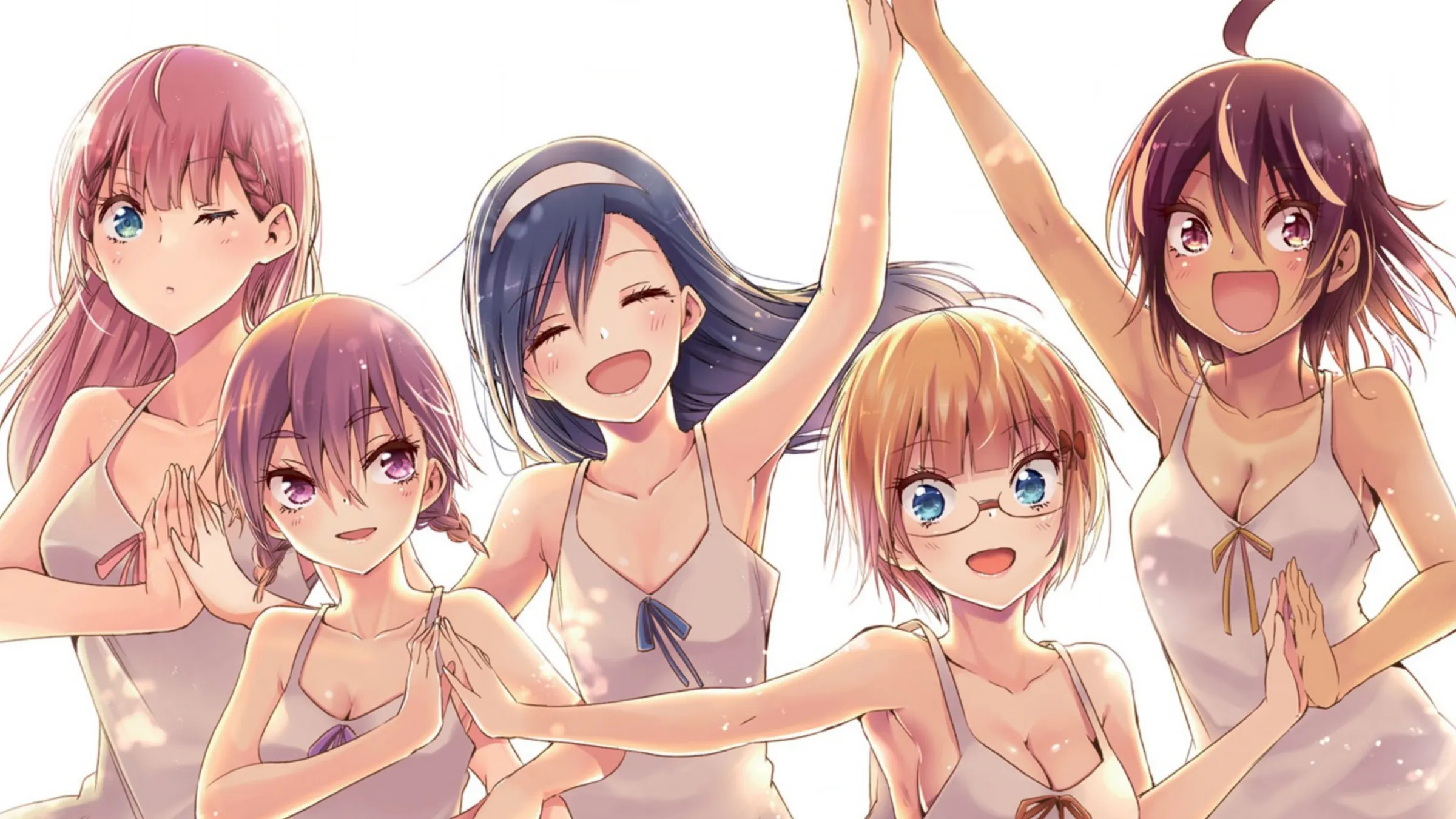
Taishi Tsutsui’s We Never Learn: BOKUBEN boasts one of the most satisfying conclusions in Shonen Jump history, and is a standout ending for any romantic comedy. Tsutsui cleverly achieved the seemingly impossible – pleasing all fans – by providing five different endings. Instead of the typical outcome where the main character, Nariyuki Yuiga, ends up with just one love interest, the series offers a happy future for him with each of the heroines.
The manga We Never Learn: BOKUBEN provided a satisfying conclusion for fans by showing the main character ending up with each of the female leads and detailing what those futures looked like. Each relationship felt complete and consistent with how they’d developed throughout the series, ensuring every fan could enjoy the ending. While the anime adaptation differed, the manga’s approach – giving a happy ending to each girl – is unique; no other creator from Shonen Jump has taken this route with their series finale.
1). Haikyu!!
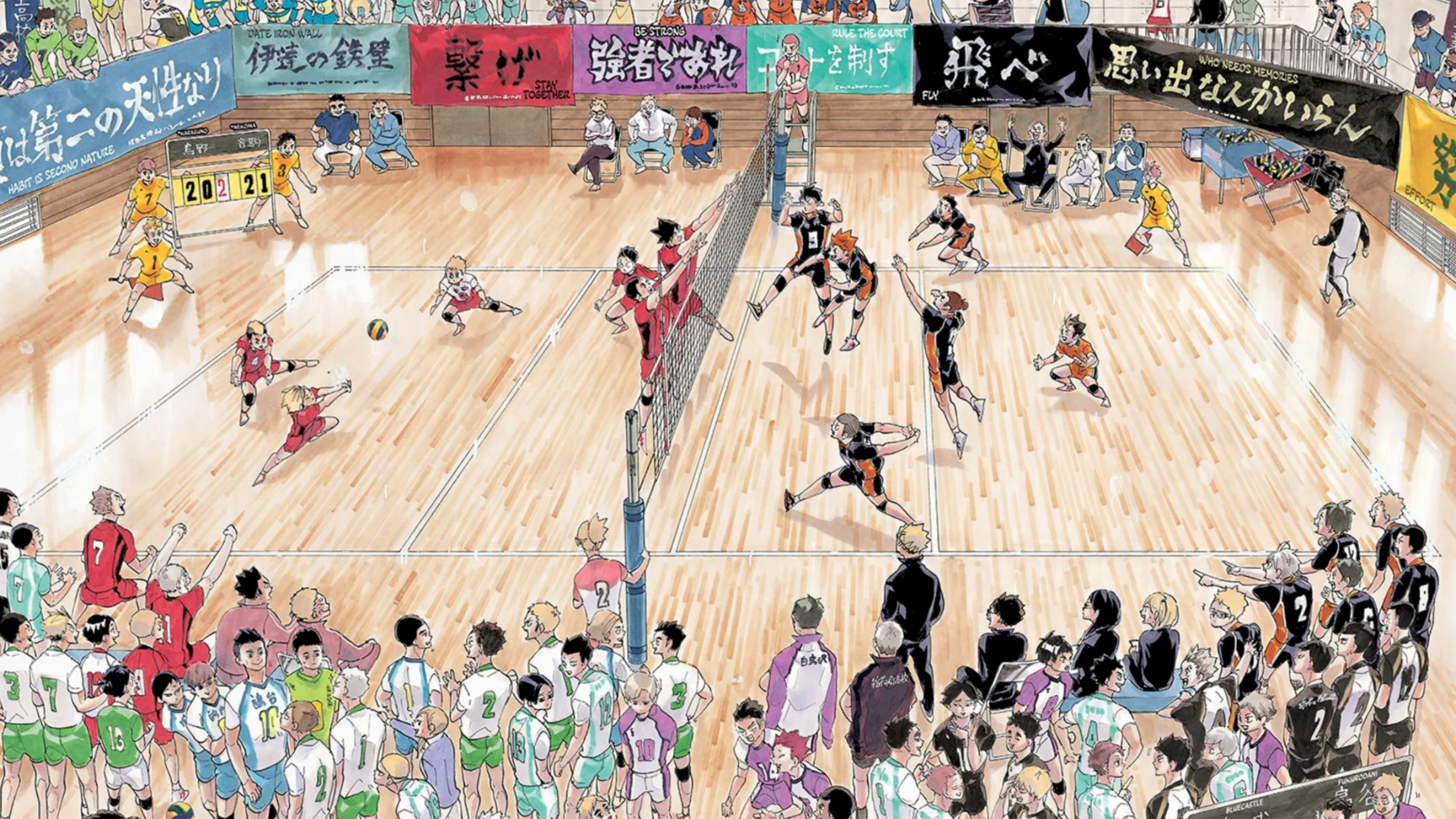
When it comes to popular manga from 2010, like those in Shonen Jump, Haikyu!! stands out for its incredibly satisfying ending. Fans loved it, and every character got a chance to shine. The story jumped forward in time a few years, then led to an epic final match where many of the series’ best players competed at a professional level. It was a truly rewarding conclusion after years of development.
What truly sets this series apart is how carefully it wraps up each character’s story. Haikyu!! doesn’t just focus on the main players – it shows what happens to everyone, even those with smaller roles, and gives them satisfying conclusions. It feels authentic, as while stars like Hinata and Kageyama go on to pursue Olympic dreams, others choose different paths after high school, following their own interests. The ending felt logical and complete for every character, and fans continue to praise it as the best ending of any Shonen Jump series from the 2010s—and possibly ever.
What do you think? Leave a comment below and join the conversation now in the ComicBook Forum!
https://comicbook.com/anime/list/7-shonen-jump-manga-that-will-be-your-next-obsession/embed/#
Read More
- Elon Musk’s Mom Maye Musk Shares Her Parenting Philosophy
- GBP CNY PREDICTION
- Mark Zuckerberg & Wife Priscilla Chan Make Surprise Debut at Met Gala
- Forza Horizon 6 Car List So Far: Confirmed Highlights, Cover Cars, DLC, and Rewards
- 10 Greatest Manga Endings of All Time
- Elon Musk’s Ex Ashley St. Clair Reveals When Romance Became “Weird”
- 10 Best Free Games on Steam in 2026, Ranked
- Hollow Knight: Silksong Guide – All 30 Lost Flea Locations
- 38 Years Later, Murder, She Wrote’s Most Overlooked Episode Still Pulls Off TV’s Greatest Crossover
- 20 K-Dramas That Nailed the Perfect Ending
2026-05-05 00:11