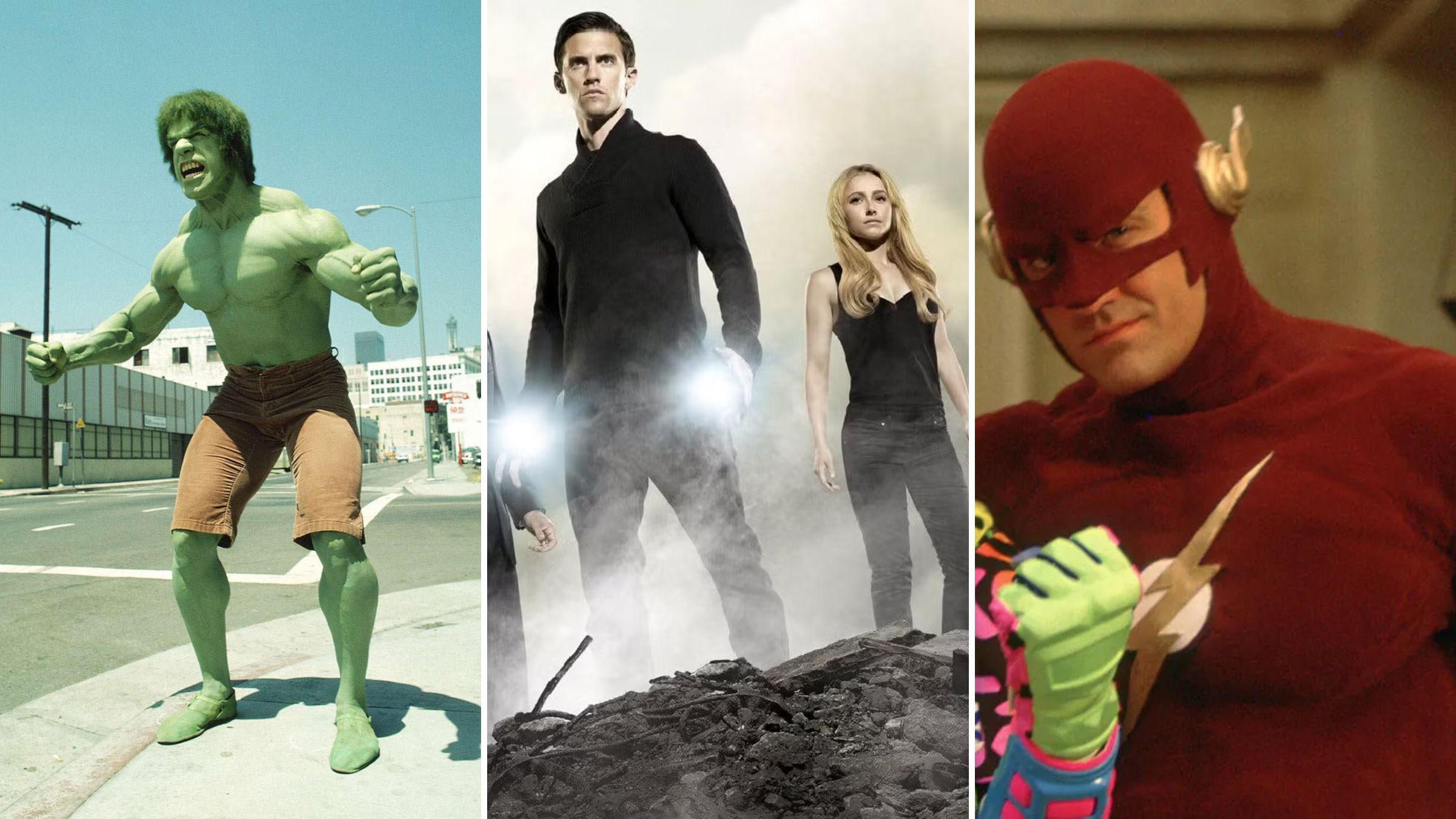
Beginning with Iron Man in 2008, the Marvel Cinematic Universe has become a massive success, earning over $30 billion worldwide and fundamentally changing how studios create and distribute superhero content. This success also influenced television production, a trend that has only grown stronger with the release of over a dozen Marvel series on Disney+. Despite some recent challenges, the MCU remains a leading force in the industry, continuing to set the standard for others to follow.
The Marvel Cinematic Universe didn’t appear overnight. Ever since superheroes first appeared in comic books, filmmakers and TV producers have been trying to make them popular on screen. Early attempts at live-action adaptations were often held back by low budgets and limitations in special effects technology. Still, a few TV shows before the MCU laid the groundwork for how superhero stories could be told over multiple episodes.
7) Heroes

I remember when Heroes first came out in September 2006 – it was so fresh! Unlike a lot of superhero shows, it wasn’t based on an existing comic book. The show followed everyday people suddenly discovering they had superpowers, and I was immediately hooked. The creator, Tim Kring, used a similar style to Lost with a lot of different characters, but applied it to the superhero genre. What really stood out was how the characters’ powers seemed connected to what was going on inside their heads. The first season did incredibly well, averaging around 14 million viewers per episode, and that “save the cheerleader, save the world” campaign was everywhere – it was brilliant! Sadly, a writers’ strike messed things up during the second season, and the show never quite regained its momentum. But honestly, that first season of Heroes is still one of the best superhero shows on TV, in my opinion.
6) The Flash
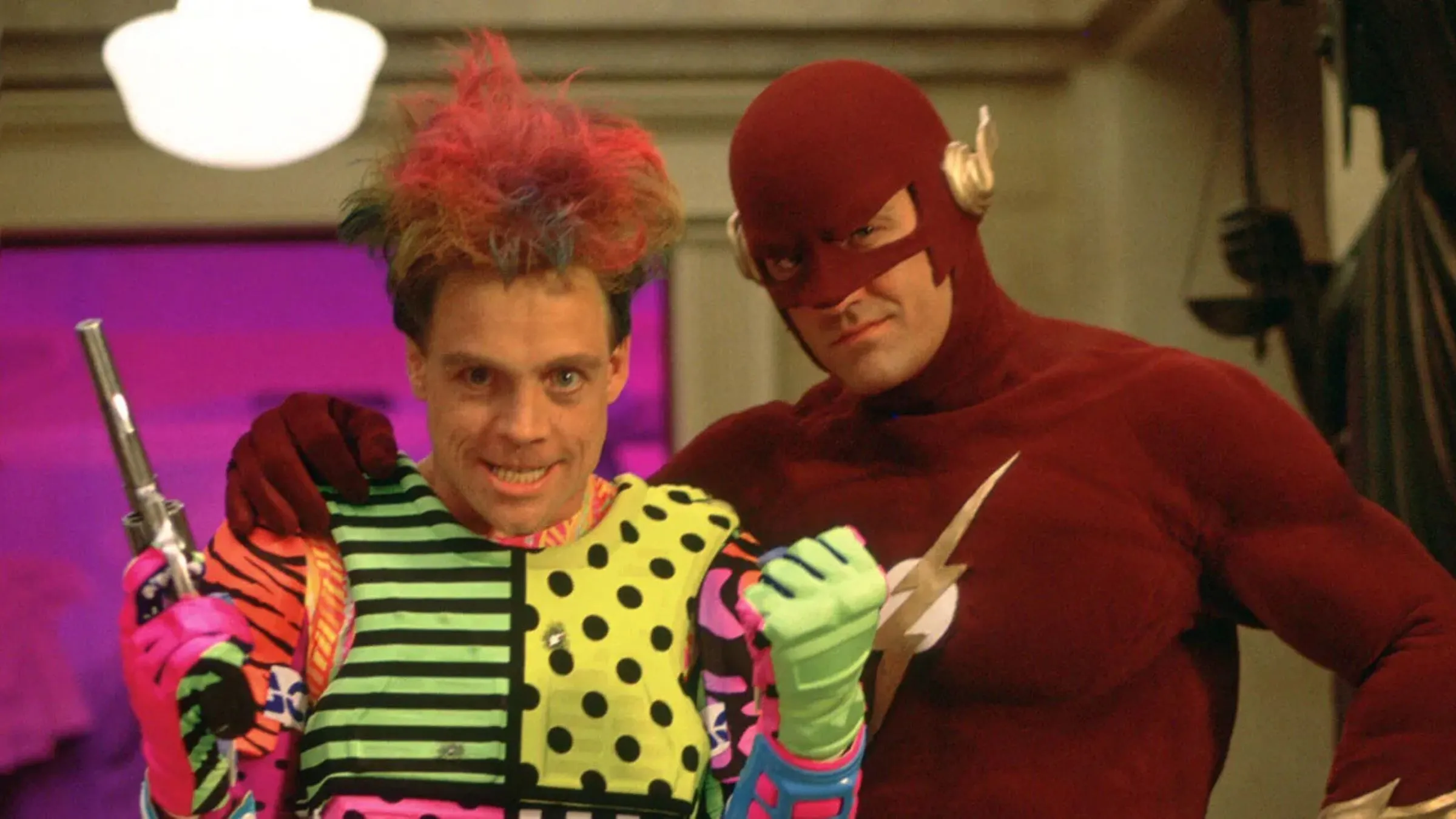
When CBS’s The Flash premiered in September 1990, it was the most ambitious superhero series ever made for American television. The pilot episode cost a remarkable $6 million to produce, with each subsequent episode averaging $1.6 million. This large budget allowed for a score by Danny Elfman, a practical Flash suit built from a diving suit, and a level of visual quality more akin to a Tim Burton movie than typical network TV. Showrunners Danny Bilson and Paul De Meo made the bold choice to cast Mark Hamill as the Trickster and David Cassidy as Mirror Master, portraying these comic book villains with a surprising level of depth – a move unusual at a time when superheroes were often seen as childish. Although the show was canceled after one season due to inconsistent scheduling, it demonstrated the potential for superhero series to be produced on a grand, cinematic scale.
5) Lois & Clark: The New Adventures of Superman

For years, TV networks typically treated superhero stories as action shows. But in 1993, ABC did something different with Lois & Clark: The New Adventures of Superman. They reimagined the classic DC Comics world as a romantic comedy and workplace drama. Instead of focusing on big superhero fights, the show centered on the developing relationship between Clark Kent (Dean Cain) and Lois Lane (Teri Hatcher), using the Daily Planet newsroom as the main source of conflict. This change allowed the writers to delve into the challenges of Clark balancing his secret identity, and the emphasis on romance and journalism was a smart way to save money on special effects. By keeping Superman out of costume for most of each episode, the show relied on humor and witty conversations, which was much more affordable.
4) Batman
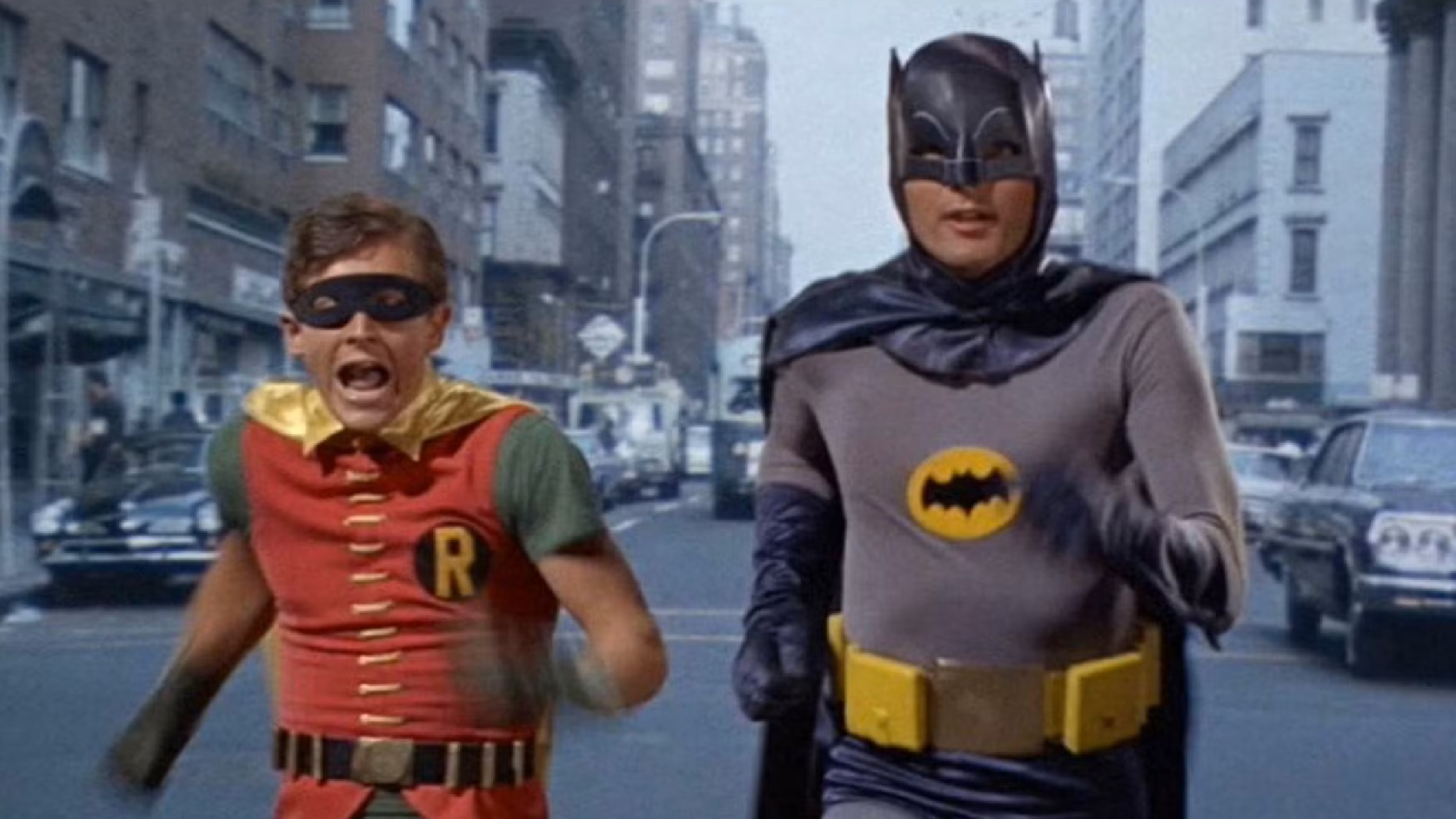
In January 1966, ABC launched Batman as a lighthearted, half-hour show airing twice a week. Producer William Dozier intentionally presented it as campy pop art, rather than a serious adventure. Each episode featured Adam West as Batman delivering earnest moral lessons, while fight scenes were made comical with colorful on-screen graphics emphasizing the slapstick violence. This made the show enjoyable for both kids and adults who appreciated the irony and absurdity. The series also boasted an impressive lineup of guest stars playing villains, including Cesar Romero as the Joker, Burgess Meredith as the Penguin, and Julie Newmar as Catwoman. Although later comic book creators aimed to return Batman to a darker tone, the 1966 series remains a clever and successful example of satirical television, and it helped keep the character popular.
3) Wonder Woman

Lynda Carter’s portrayal of Wonder Woman in the 1975 television series cemented Diana Prince as a lasting pop culture icon. The show initially depicted a colorful World War II era, closely following the character’s backstory as she battled Axis spies and saboteurs. Later, after moving to CBS, the series updated the setting to the 1970s, placing Wonder Woman within a contemporary intelligence agency – a change that helped reduce costume expenses and simplify storylines. Throughout these changes, the show consistently maintained a sincere and hopeful tone thanks to Carter’s performance. The production team cleverly used practical effects, like stunts, trampolines, and the famous spinning transformation, to portray Wonder Woman’s superpowers, drawing heavily from the spirit of classic comic books to create what many consider the most iconic version of the character.
2) The Incredible Hulk

When CBS’s The Incredible Hulk debuted in March 1978, it stood out from other superhero shows by focusing on the emotional and psychological struggles of its main character, rather than just action. The series starred Bill Bixby as Dr. David Banner, a quiet, grieving widower who, after a lab accident involving gamma radiation, was cursed to transform into the Hulk, powerfully portrayed by Lou Ferrigno. The Incredible Hulk moved away from traditional superhero mythology and adopted a format similar to The Fugitive, with Banner constantly traveling from town to town hoping to find a cure. Over five seasons, and followed by three television movies, the show brought Banner’s story to a poignant conclusion in The Death of the Incredible Hulk – a surprisingly emotional ending for television at the time. By presenting the Hulk as a tragic condition, rather than a heroic ability, the series earned critical praise that most comic book adaptations of the era didn’t receive.
1) Smallville

In 2001, The WB premiered Smallville with a unique approach: a rule forbidding the traditional Superman costume and flying. This was intentional, aiming to differentiate the show from previous Superman movies and TV series. Instead, creators Alfred Gough and Miles Millar focused on Clark Kent’s challenging teenage years (played by Tom Welling), using his emerging powers as a way to explore the feelings of being different and awkward that many teens experience. The show also developed a complex friendship between Clark and a young Lex Luthor (Michael Rosenbaum), offering a fresh take on their famous rivalry. Over ten seasons, Smallville expanded beyond its small-town Kansas setting, gradually incorporating more characters and storylines from the broader DC Comics universe. This blend of relatable teen drama and expansive comic book storytelling proved successful, demonstrating that a long-running superhero TV show could attract and keep a dedicated audience for years.
Read More
- GBP CNY PREDICTION
- Forza Horizon 6 Car List So Far: Confirmed Highlights, Cover Cars, DLC, and Rewards
- Gold Rate Forecast
- Mark Zuckerberg & Wife Priscilla Chan Make Surprise Debut at Met Gala
- Elon Musk’s Mom Maye Musk Shares Her Parenting Philosophy
- 10 Greatest Manga Endings of All Time
- Elon Musk’s Ex Ashley St. Clair Reveals When Romance Became “Weird”
- 10 Most Powerful Versions of Superman, Ranked
- 38 Years Later, Murder, She Wrote’s Most Overlooked Episode Still Pulls Off TV’s Greatest Crossover
- Why There’s No New Episode Of From S4 This Weekend (May 24) & When The Show Returns
2026-05-27 20:15