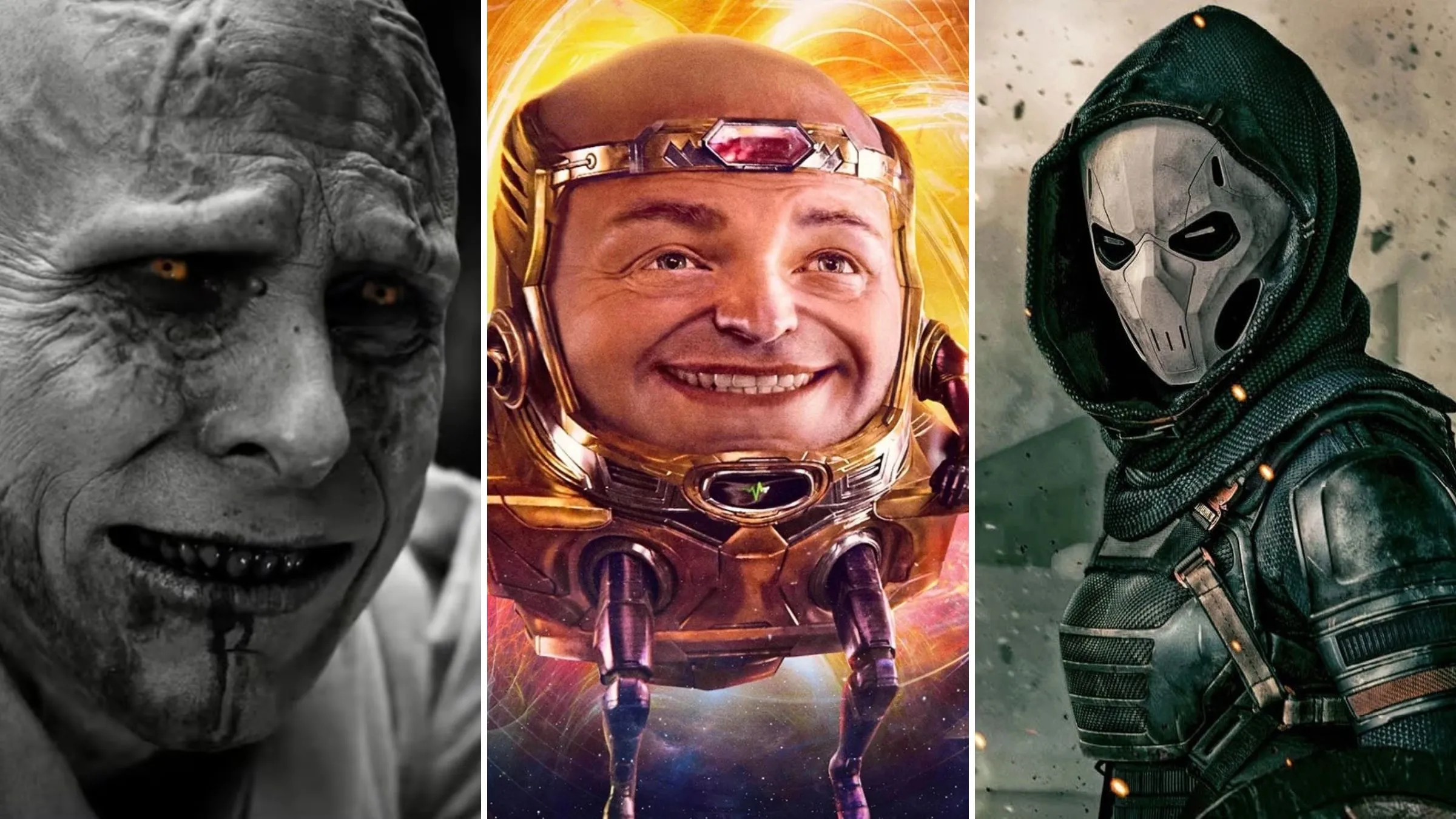
The Marvel Cinematic Universe is a massive success story in Hollywood. For nearly twenty years, Marvel Studios has carefully created a connected series of films that changed how blockbusters are made and consistently earned huge profits worldwide. Even with a few recent disappointments, the franchise remains incredibly powerful, moving beyond its initial storyline to begin a new chapter. The studio shows no signs of losing steam, with major upcoming movies like Spider-Man: Brand New Day and Avengers: Doomsday slated for late 2026, leading into the highly anticipated Avengers: Secret Wars in 2027.
The Marvel Cinematic Universe is great at creating popular heroes, but fans generally agree its villains haven’t been as strong. While characters like Thanos, Loki, and the High Evolutionary have been memorable successes, Marvel often simplifies complex villains from the comics or kills them off quickly. This turns potentially epic adversaries into one-time obstacles, wasting years of established backstory and interesting character development.
7) Crossbones

In Captain America: The Winter Soldier, Brock Rumlow, played by Frank Grillo, was introduced as a hidden HYDRA agent and a potential match for Captain America (Chris Evans). The film’s ending left him badly burned, which seemed to set up his transformation into the villain Crossbones, as fans of the comics expected. However, Captain America: Civil War didn’t use Crossbones as the major villain many anticipated. Instead, he appeared briefly in the opening scene, sacrificing himself to kickstart the plot and lead to the Sokovia Accords. This felt like a missed opportunity, as the franchise wasted a dangerous enemy who could have been a consistent threat to Captain America throughout the Marvel Cinematic Universe.
6) Ulysses Klaue
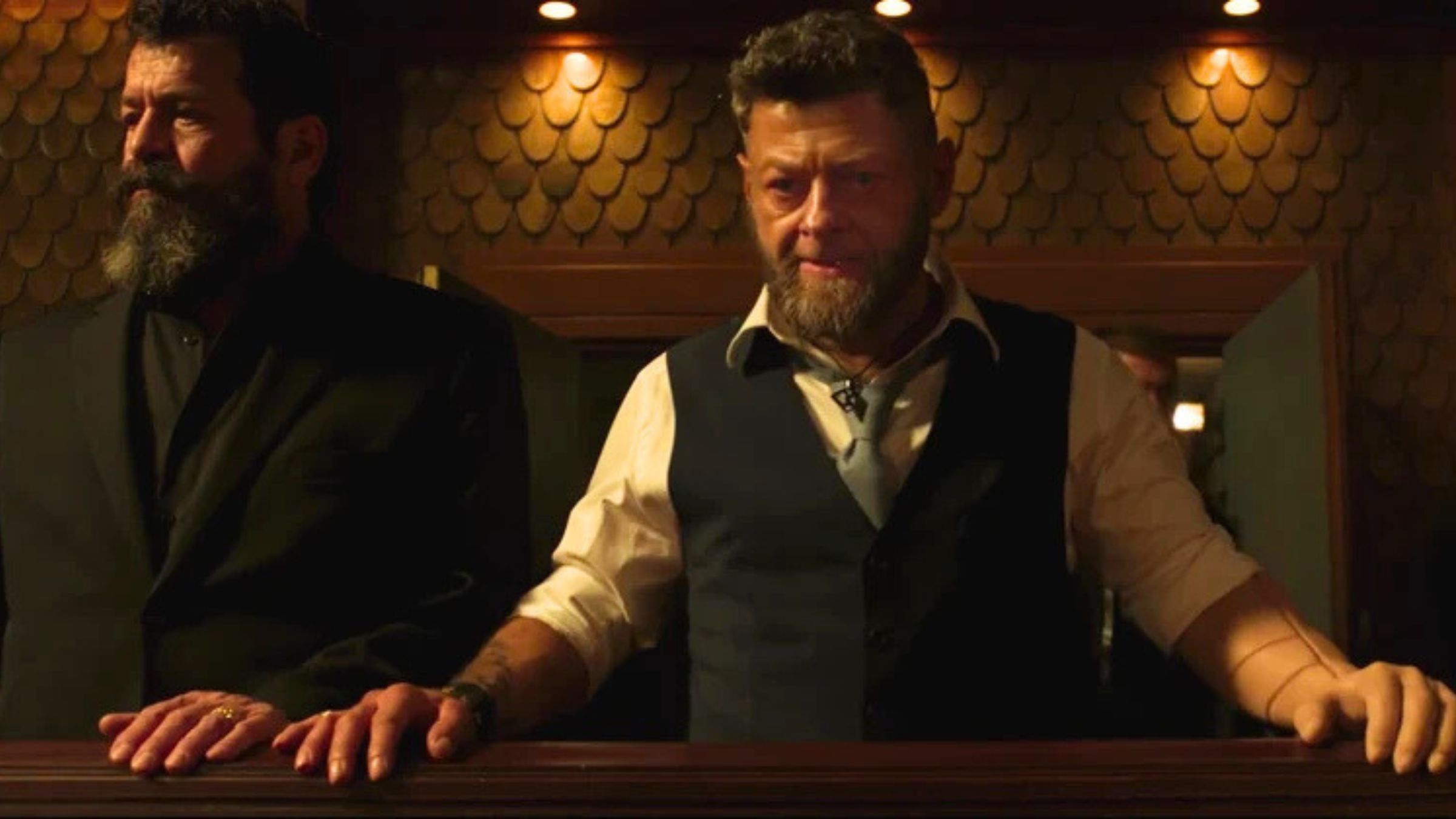
Ulysses Klaue, played by Andy Serkis, first appeared in Avengers: Age of Ultron as a relatively small villain. He quickly made a strong impression as a charming but dangerous black-market dealer in vibranium, and continued that role in Black Panther. Serkis’s energetic performance brought the character’s quirky personality from the comics to life, complete with a prosthetic arm he used to cause trouble for authorities and challenge Wakanda’s secrecy. Unfortunately, just when Klaue was becoming a fan favorite, he was unexpectedly killed by Killmonger (Michael B. Jordan) to gain entry into Wakanda. While his death served the story, it removed a uniquely entertaining villain from the world of Black Panther (Chadwick Boseman).
5) Malekith

As a longtime comic book and movie fan, I was really disappointed with how Malekith was portrayed in Thor: The Dark World. In the comics, he’s this incredibly complex villain, a chaotic trickster who constantly challenges Asgard with elaborate illusions. But the movie version felt like a total simplification. They took away all that personality and magical ability, turning him into just another generic bad guy who wants to destroy everything. It was frustrating because Christopher Eccleston is a fantastic actor, but he was buried under prosthetics and a strangely lifeless invented language. What made it even worse was how quickly they got rid of him – crushed by his own ship! It felt like a missed opportunity to explore a truly compelling cosmic threat and really wasted a talented actor. It just didn’t do the character justice at all.
4) Taskmaster
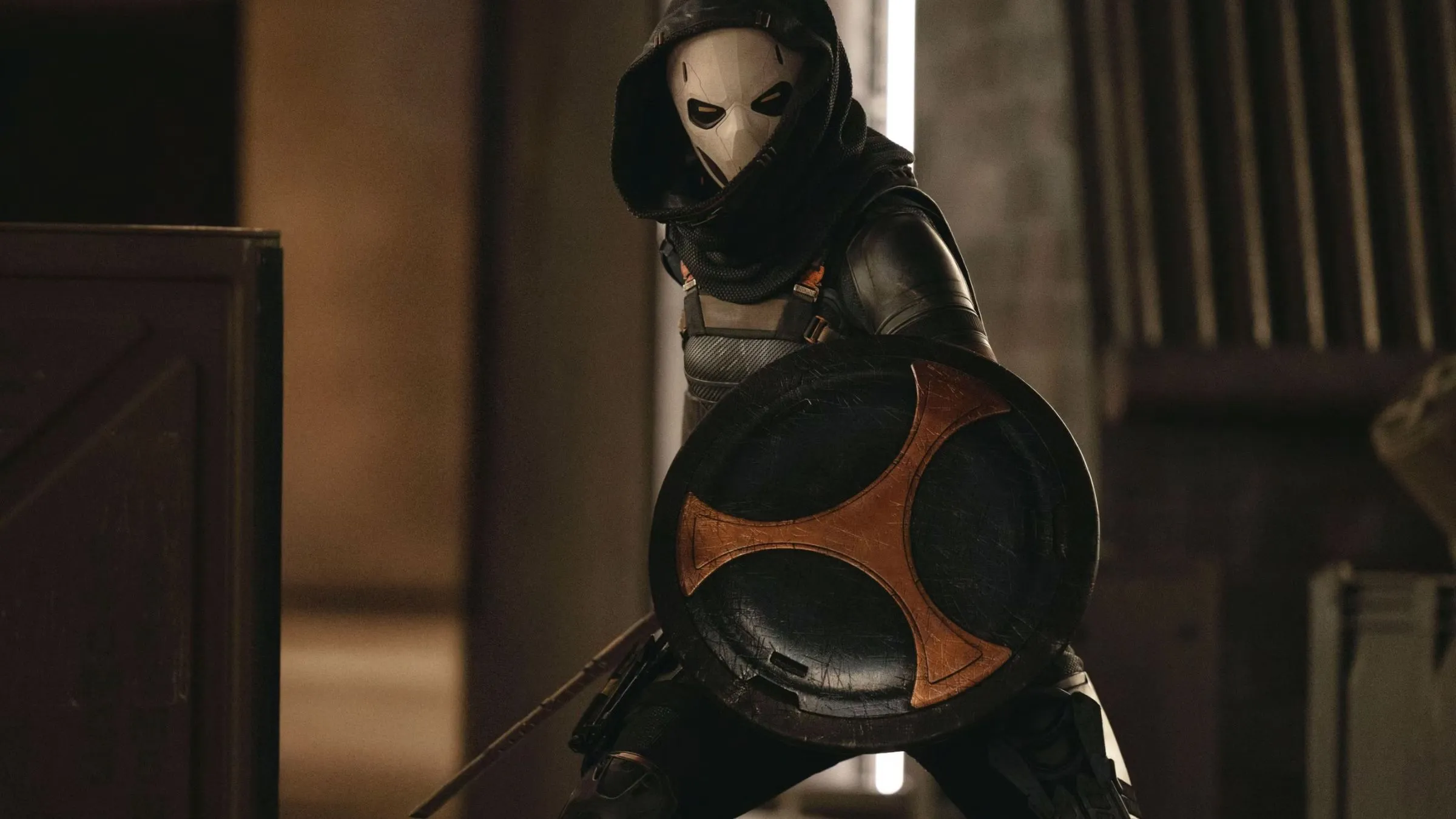
The portrayal of Taskmaster in the Black Widow movie is widely considered one of the worst character changes in the Marvel Cinematic Universe. In the comics, Taskmaster is a confident, skilled mercenary who learns to fight like anyone he sees. However, the movie completely changed him, turning him into Antonia Dreykov (Olga Kurylenko), a silent, mind-controlled cyborg who simply follows orders from her father, General Dreykov (Ray Winstone). This turned a popular, witty character into a powerless and motivationless soldier. Marvel had a chance to fix this in the Thunderbolts movie, but instead, they unexpectedly killed Taskmaster off early in the film, with Ghost (Hannah John-Kamen) carrying out the act during an attack on the OXE compound.
3) The Red Skull

In the comics, the Red Skull (Johann Schmidt) is Captain America’s greatest enemy, constantly trying to destroy everything Captain America stands for. The Marvel Cinematic Universe introduced the Red Skull, played by Hugo Weaving, in Captain America: The First Avenger as a frightening result of the Super Soldier program. Weaving’s performance brilliantly portrayed the ruthless and power-hungry leader of HYDRA, making him a truly menacing villain. However, instead of letting him continue to be a threat to Captain America (Chris Evans) in the present day, the movie sent him away through space using the Tesseract. The Red Skull was absent from the franchise for seven years, and then reappeared in Avengers: Infinity War as a ghostly figure on the planet Vormir. This change took away his power as a villain, turning him into a character who simply provided information.
2) MODOK

The portrayal of MODOK in Ant-Man and the Wasp: Quantumania was surprisingly silly, taking a strange turn with one of Marvel’s classic villains. Instead of introducing the character as the brilliant and ruthless George Tarleton, the movie brought back Darren Cross (Corey Stoll) from the first Ant-Man film. He survived being shrunk and transformed into a massive, floating head in golden armor, essentially acting as a henchman for Kang the Conqueror (Jonathan Majors). This choice ignored MODOK’s established history as a master strategist, turning him into a source of visual gags, clumsy moments, and bad jokes. Throughout the movie, the character is repeatedly made to look foolish, and his eventual attempt at redemption feels unearned. It’s disappointing to see such a memorable Marvel villain reduced to a throwaway joke, and it’s a major reason why Ant-Man and the Wasp: Quantumania is considered one of the weakest films in the Marvel Cinematic Universe.
1) Gorr the God Butcher

Jason Aaron’s acclaimed run with the Thor comics created Gorr the God Butcher as a truly frightening and pitiable villain, motivated by a deep-seated rage against the gods. When Gorr (played by Christian Bale) appeared in Thor: Love and Thunder, it seemed the movie would explore that complex backstory. Bale gave a disturbingly good performance, but the film prioritized jokes and a love story. This meant Gorr had limited screen time and his violent acts were never actually shown. The contrast between his painful backstory and the movie’s constant humor also diminished his threat. Ultimately, the story ended with Gorr’s death, wasting a villain with the potential to be a major player across multiple films.
Read More
- 10 Most Powerful Versions of Superman, Ranked
- Gold Rate Forecast
- GBP CNY PREDICTION
- 007 First Light: Release Date, Story, Gameplay, Cast, Editions, and Platforms
- 10 Best Free Games on Steam in 2026, Ranked
- Forza Horizon 6 Car List So Far: Confirmed Highlights, Cover Cars, DLC, and Rewards
- Superman’s 7 Best Power-Ups, Ranked
- 10 Greatest Manga Endings of All Time
- DOGE PREDICTION. DOGE cryptocurrency
- 10 Greatest Wii U Games of All Time, Ranked
2026-05-30 23:15