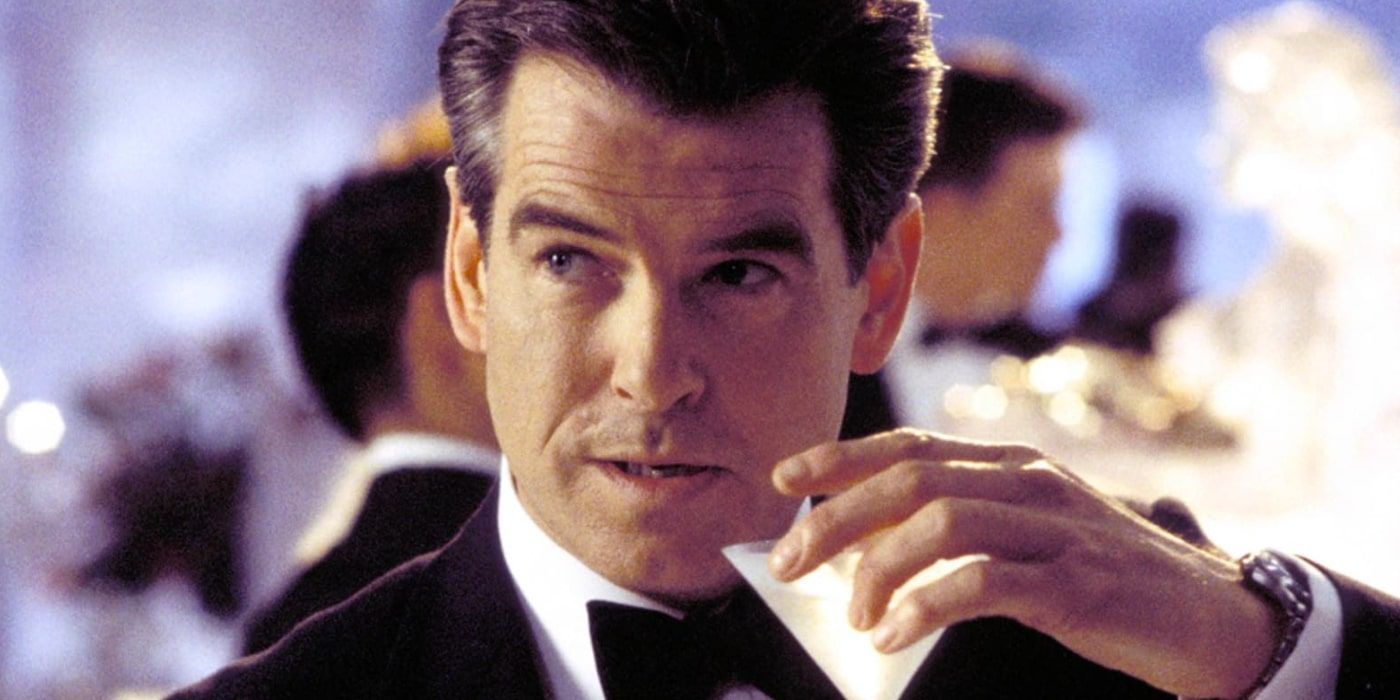
A fresh start is coming for the series, and the entertainment world is paying attention. Amazon and MGM are working closely on the new vision for this beloved British show, signaling a significant investment. While director Denis Villeneuve is guiding the creative process, everyone is eager to find out who will take on the role of the iconic spy. To succeed, though, the reboot needs to acknowledge and improve upon past issues.
As a long-time fan, I’ve been thinking a lot about the Bond films lately, and it’s clear some parts haven’t held up over time. The older movies are undeniably classics – they really set the standard and were important for British cinema – but that doesn’t mean we can’t talk about their flaws. I think it’s crucial to remember that what was acceptable then isn’t necessarily okay now, and perspectives change. We need to be sensitive to the era they were made in, but we also need to have honest conversations about some of the problematic aspects of Bond’s adventures. It’s just getting harder to watch some of it without cringing.
The Outdated Gender Dynamics
James Bond is famous for his romantic relationships, and these connections are a key part of his character. This tradition started because each Bond film typically featured an attractive female companion, often used to create drama or increase the tension of the story. By giving Bond someone to protect or lose, the films could create higher stakes and more compelling narratives.
The early James Bond films often portrayed female characters, known as ‘Bond girls,’ as vulnerable. While the films starring Daniel Craig have improved this, giving characters like Moneypenny and M more power and independence, it doesn’t change the fact that many of those earlier ‘Bond girls’ lacked substantial character development.
Significant Cultural and Racial Stereotyping
The first James Bond film came out in 1962, and the world was a very different place back then. Some things that were considered normal at the time wouldn’t be accepted today, and that’s a good thing. When we revisit older films, it’s a chance to see how much society has changed. These films serve as a reminder of the progress the industry has made, and also highlight how much further we still need to go.
The James Bond films, while iconic, have sometimes fallen into the trap of using harmful cultural and racial stereotypes, particularly with their villains. The 1967 film You Only Live Twice is often pointed to as a prime example, and experts have also analyzed the problematic elements in Live and Let Die from 1973. While Daniel Craig’s portrayal of Bond attempted to correct these issues, there’s still room for the franchise to make even more progress.
The Pacing of Pre-CGI Action
Computer-generated imagery (CGI) has both benefits and drawbacks when it comes to designing fight scenes. It can enable stunt performers to attempt more daring feats and speed up the action. However, CGI can also hinder real-life stunts when performers could realistically achieve the same results practically, during filming. With films like James Bond, finding the right balance between CGI and practical effects is key, and the filmmakers have been able to achieve that balance in the older movies.
Action movies now feature more elaborate and impressive stunts thanks to bigger budgets and modern technology. The influence of international films, especially martial arts movies from Hong Kong, is also shaping how fight scenes are choreographed today. Compared to those earlier James Bond films, modern action sequences are much more precise and energetic – in the older films, it often didn’t even look like punches were connecting!
The Invincible Hero Leads To A Lack of Stakes
It’s always been tricky to create real tension in big-budget action movies. The main character has to make it to the end, and with characters like James Bond, that feeling of safety is even stronger. Bond is often shown as the ideal spy – charismatic, brave, and always finding a way to win. Even when he seems to be losing, the story always protects him from any real danger. Villains often end up just explaining their plans, giving Bond a chance to escape.
This is typical for the Bond series. Recent films have done a good job of showing Bond as a vulnerable person who gets hurt but keeps going. However, Bond needs to also feel like an incredibly capable and almost unbeatable spy – that’s part of what makes the stories so enjoyable. If Amazon and MGM can strike the right balance between his human side and his legendary skill, they’ll have a winning formula.
Gadget Overload and Deus Ex Machina
Look, as a huge Bond fan, it’s gotta be said: the gadgets are essential. Anyone who says differently is missing the point! That’s a big part of what we all love about those movies. But it’s not just about having them, it’s how they’re used. I think the Daniel Craig films, while great in many ways, sometimes forgot that fun, over-the-top gadgetry. They leaned too much into realism. But then, going too far the other way and relying only on gadgets to solve problems? That can ruin a scene just as easily. It needs to be a good balance!
It’s fine for a story to have lots of cool gadgets, but they shouldn’t magically solve every problem. Think about James Bond – it would be silly if he suddenly had a high-tech solution for everything, like shark repellent. There’s a balance between exciting and unbelievable. The latest Bond movies should bring back classic gadgets, but avoid relying on them to save the day constantly.
The Invisible Duality of the Character
James Bond presents a curious contradiction that often goes unnoticed. It’s only when you really think about it that you realize he’s both a highly valued asset to the British government – a dedicated servant and respected agent – and also someone considered expendable, a tool to be discarded when no longer useful.
James Bond is a complicated character – often shown as both a highly effective spy and a potential problem for MI6. It’s a strange contrast: while his missions succeed, his methods often cause concern. Films sometimes hint at the internal conflicts within MI6 caused by Bond’s actions, but this complexity is often overlooked, particularly in action-packed movies like License to Kill, where he operates outside the system. There’s a lot of potential for compelling storytelling if future films explored this tension with more consistency and depth.
The Visual Effects Uncanny Valley
As a huge Bond fan, I’ve always loved how the films pull off those amazing stunts and sets – visual effects have been key to making some of the most memorable moments possible! But honestly, even in the newer movies, sometimes the CGI doesn’t quite hit the mark, and it can look a little…off. It’s a bit disappointing because Bond is famous for doing things for real, and when the effects aren’t quite right, it really stands out.
Because so many James Bond scenes are filmed practically, the noticeably fake CGI in some movies really stands out. Die Another Day is a prime example – its overuse of CGI didn’t work well and actually diminished the impact of Pierce Brosnan’s last film as Bond. Future installments need to use visual effects carefully, giving artists enough time to make them look truly convincing.
The Changing Face of Global Villains
Villains in James Bond films are evolving. Traditionally, Bond’s enemies have been international figures, but past portrayals often relied on stereotypes or weren’t culturally accurate. Recent films have shifted towards villains with personal motivations for targeting Bond, making the story more compelling and raising the stakes.
Lately, James Bond has been facing enemies not just from foreign powers, but also from within Britain, with people trying to sabotage him. This shift is subtle, but it was necessary to refresh the series. Earlier Bond films often relied on the same predictable type of villain, but the newer movies, particularly the reboot, are actively trying to break away from that pattern.
Read More
- Best Controller Settings for ARC Raiders
- FRONT MISSION 3: Remake coming to PS5, Xbox Series, PS4, Xbox One, and PC on January 30, 2026
- Mark Zuckerberg & Wife Priscilla Chan Make Surprise Debut at Met Gala
- Meet the cast of Good Omens season 3: All the actors and characters
- 7 Great Marvel Villains Who Are Currently Dead
- Welcome to Demon School! Iruma-kun season 4 release schedule: When are new episodes on Crunchyroll?
- Nippon Sangoku Is The Best New Post-Apocalyptic Anime of Spring 2026
- Wistoria: Wand and Sword Season 2 release schedule: When are new episodes out?
- The Boys Season 5 Officially Ends An Era For Jensen Ackles’ Soldier Boy
- Khloe, Kourtney Kardashian Call Out Kylie Jenner for Mother’s Day Post
2026-05-17 23:15