
Sherlock Holmes remains the most famous detective ever, and his popularity continues thanks to countless TV shows featuring his unique look and memorable friends. While some adaptations are better than others, the BBC’s Sherlock is a standout. It successfully updates Holmes and Watson for today’s viewers, and cleverly uses visual storytelling to show how Holmes thinks, without relying on narration or over-explanation.
The first three seasons of Sherlock were brilliantly crafted, filled with subtle clues that viewers often notice only upon rewatching. However, revisiting the show also highlights the disappointing quality of its fourth and final season, which received a significantly lower rating (46% on Rotten Tomatoes) compared to the near-perfect score (97%) of its first season. Despite this, Sherlock is still considered one of the greatest detective shows ever made. It’s just that its constraints mean other detective series have been able to achieve more in terms of scope and ambition.
Death Note

Sherlock Holmes has influenced so many stories that many readers might not realize their favorite characters owe a debt to him. A prime example is L from Death Note, who, like Holmes, is a brilliant and unusual detective. However, L is portrayed as even more isolated, as Holmes at least has the companionship of Watson.
Death Note centers around Light Yagami, a student who finds a strange notebook that allows him to kill people simply by writing their names in it. While the supernatural premise is interesting, it’s the clever and intense rivalry between Light and L that truly makes the show stand out. The series often feels like a Sherlock Holmes story, but told from the point of view of the villain, offering a fascinating and unique perspective.
The X-Files
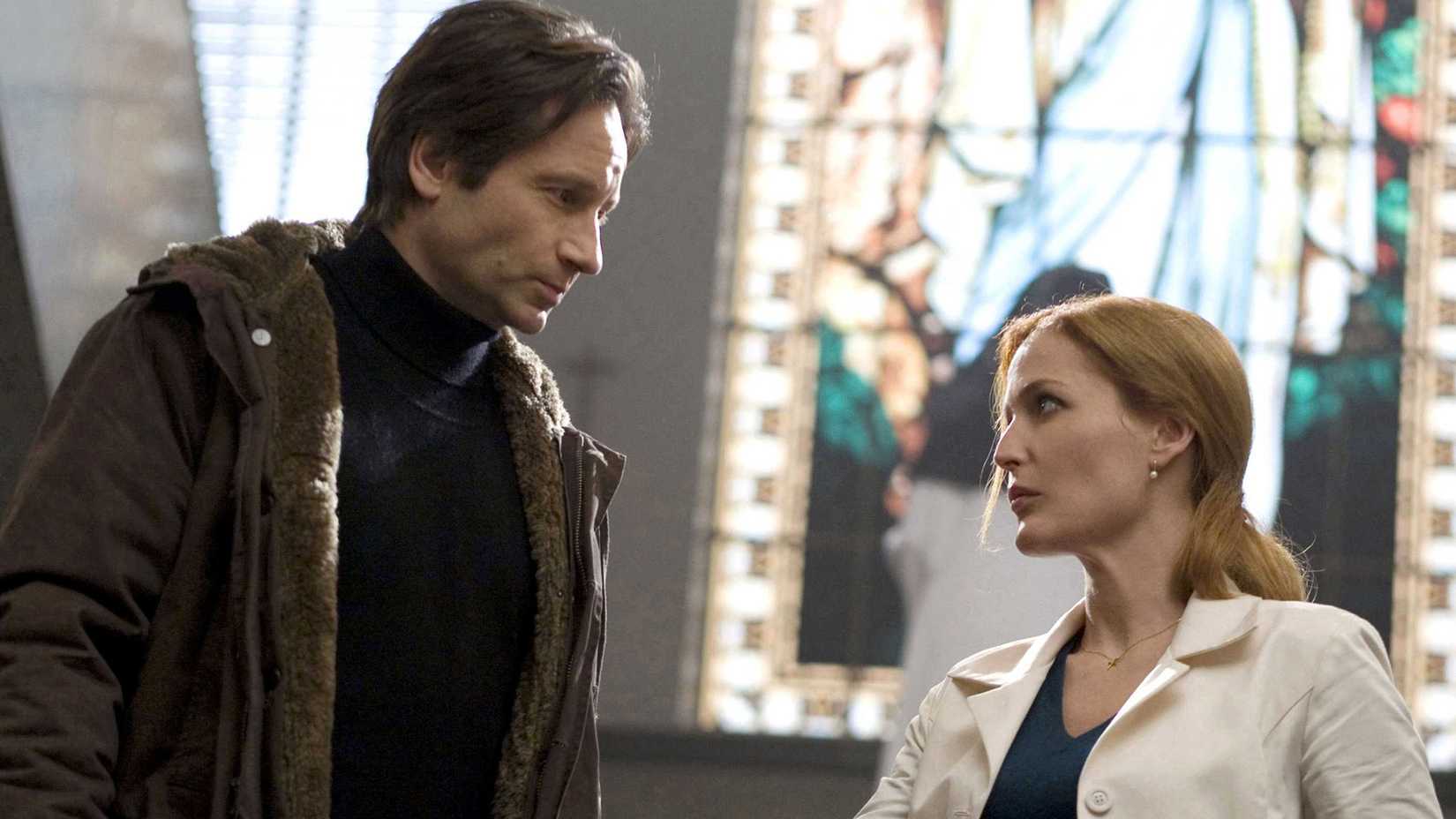
As much as I admire Sherlock Holmes and his incredible mind – the way he connects things others miss is amazing – The X-Files always felt like something else entirely. It wasn’t just about deduction; it threw everything at you – aliens, people with strange powers, and these huge, shadowy government secrets that even Holmes’ brother, Mycroft, might not be privy to! The show definitely gained a devoted following, and things often got pretty out-there as the series went on, but two key things always kept it grounded, at least a little bit.
Agent Scully typically acts as the voice of reason, balancing out Mulder’s willingness to believe in anything. The show’s structure also helps. While The X-Files could be strange, scary, and funny—sometimes all in one episode—it was fundamentally a detective show. Its “monster of the week” format provided a consistent base, allowing it to explore ideas that a show like Sherlock wouldn’t.
Mindhunter

As a movie and TV lover, I always think it’s a huge compliment when a real person is compared to a fictional legend. That’s exactly how I feel about John Douglas, the pioneering FBI agent often called a real-life Sherlock Holmes. His book, Mindhunter, became this amazing TV show, and even though true crime adaptations aren’t always as good as the original stories that inspire them, Mindhunter and Sherlock actually have a lot in common, which is pretty cool.
Both Sherlock Holmes and Mindhunter have had a huge impact on crime fiction and our understanding of criminals. The original Sherlock Holmes stories continue to inspire writers today. Interestingly, research done for Mindhunter actually influenced the modern Sherlock TV series. Some of the show’s insights into criminal behavior come directly from the real-life work of the FBI agent featured in Mindhunter, changing how we approach criminal psychology.
Bodies

The detective Sherlock Holmes often investigates cases that seem to involve the supernatural, as seen in the standout episode “The Hounds of Baskerville” featuring a ghostly, giant dog. However, the core mystery of the series Bodies would even surprise someone as skeptical as Sherlock. Though both shows are mainly set in London, Sherlock focuses on the real-world rules of physics and logic, while Bodies expands the scope dramatically by unfolding across four different time periods.
The detective show Bodies boasts incredible performances, especially from Stephen Graham (known for Adolescence), and features a truly unique storyline. The central mystery involves the same dead body appearing in the same London spot across four different time periods, with detectives in each era working to solve the crime. As they investigate, they uncover a time loop and a danger that threatens everything, making the stakes even higher than in shows like Sherlock.
Bosch

Both Sherlock and Harry Bosch feature compelling villains. Sherlock often focuses on a single, brilliant adversary – like the wonderfully unpredictable Moriarty, played by Andrew Scott – while Bosch usually fights against widespread corruption. Bosch, set in the dangerous streets of Los Angeles, is more about investigation and uncovering evidence than quick deductions.
| The seasons of Bosch | ||||
|---|---|---|---|---|
| Season | Year | Episodes | Rotten Tomatoes critics’ rating | Rotten Tomatoes audience rating |
| 1 | 2014 | 10 | 84% | 91% |
| 2 | 2016 | 10 | 100% | 94% |
| 3 | 2017 | 10 | 100% | 95% |
| 4 | 2018 | 10 | 100% | 98% |
| 5 | 2019 | 10 | 100% | 94% |
| 6 | 2020 | 10 | 100% | 93% |
| 7 | 2021 | 8 | 100% | 90% |
While many shows, like Sherlock, struggle to stay consistently good over time, Bosch managed to do just that. Starting with its second season, Bosch achieved something rare: a perfect 100% positive rating from critics on Rotten Tomatoes. This success is thanks to Titus Welliver’s compelling performance as the lead character and the show’s smart combination of thoughtful storytelling and exciting action.
Luther
“A Scandal in Belgravia” is widely considered a standout episode of the four-season series Sherlock. It features Irene Adler, played by Lara Pulver, a woman who consistently challenged Sherlock with her own sharp mind and skills. While there was playful banter between them, their connection never became romantic, though Adler clearly had a lasting impact on Holmes. The episode was notable for presenting a female character who was an intellectual equal to the detective, rather than simply a romantic interest. Though a partnership between them would have been fascinating – and probably dramatic – the show wisely avoided that path.
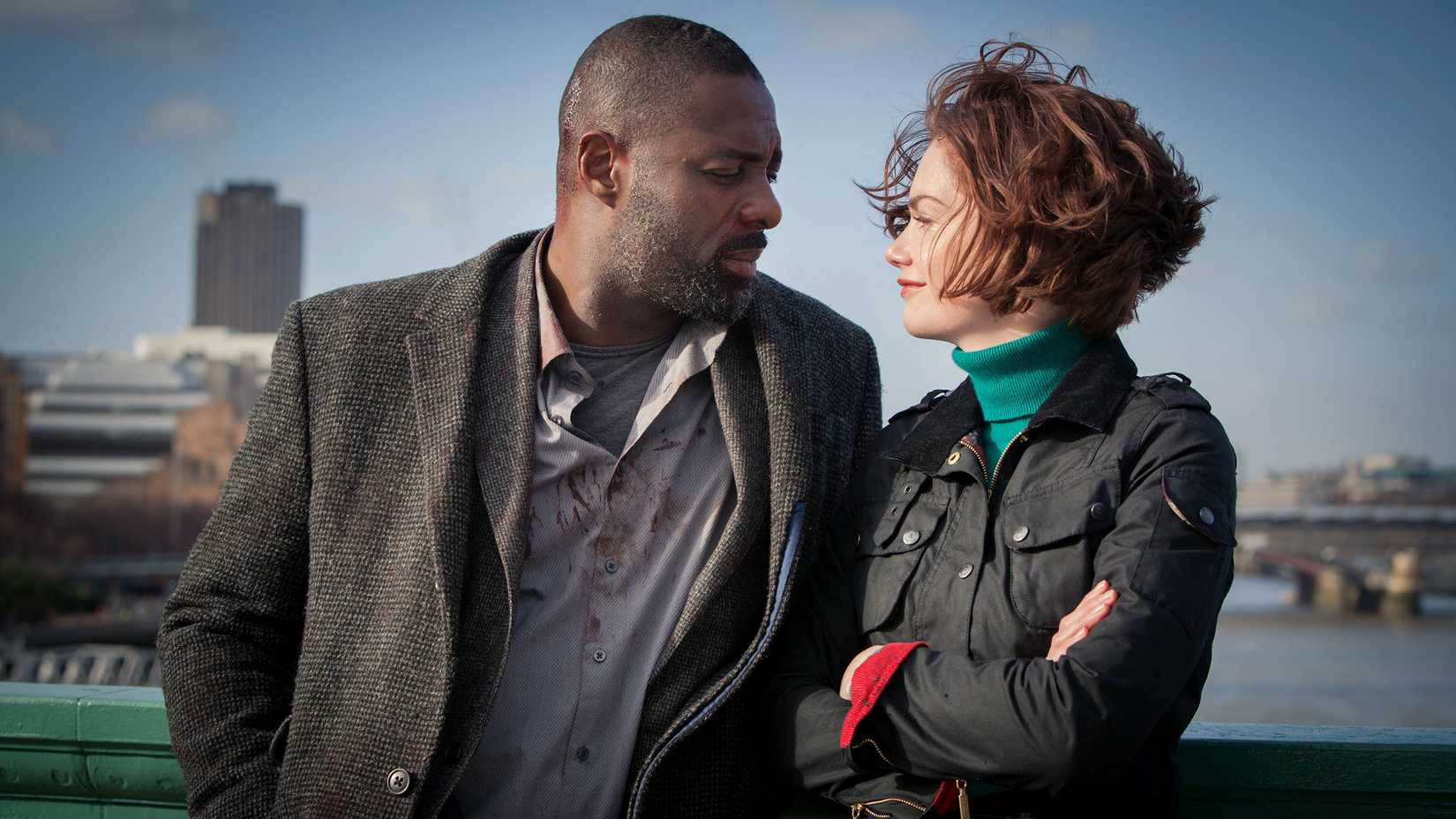
The show Luther creates a similar compelling relationship between DCI John Luther (Idris Elba) and Alice Morgan (Ruth Wilson). Like the dynamic between Sherlock Holmes and Irene Adler in Sherlock, their connection is complex, but Luther delves deeper into both characters. While Irene Adler’s mysterious nature is key to her appeal, the show could have further developed her backstory and motivations.
Monk
Sherlock Holmes is a famously intricate character, and the original stories hinted at a struggle with drug use – a theme often revisited in modern adaptations. While the recent BBC series showed Benedict Cumberbatch’s Sherlock using nicotine, it also presented him as having traits commonly associated with autism, though this wasn’t explicitly stated. He was often tactless and found social interactions difficult, but these were generally presented as part of his personality. Other portrayals of the detective have delved into mental health with greater depth and sensitivity.
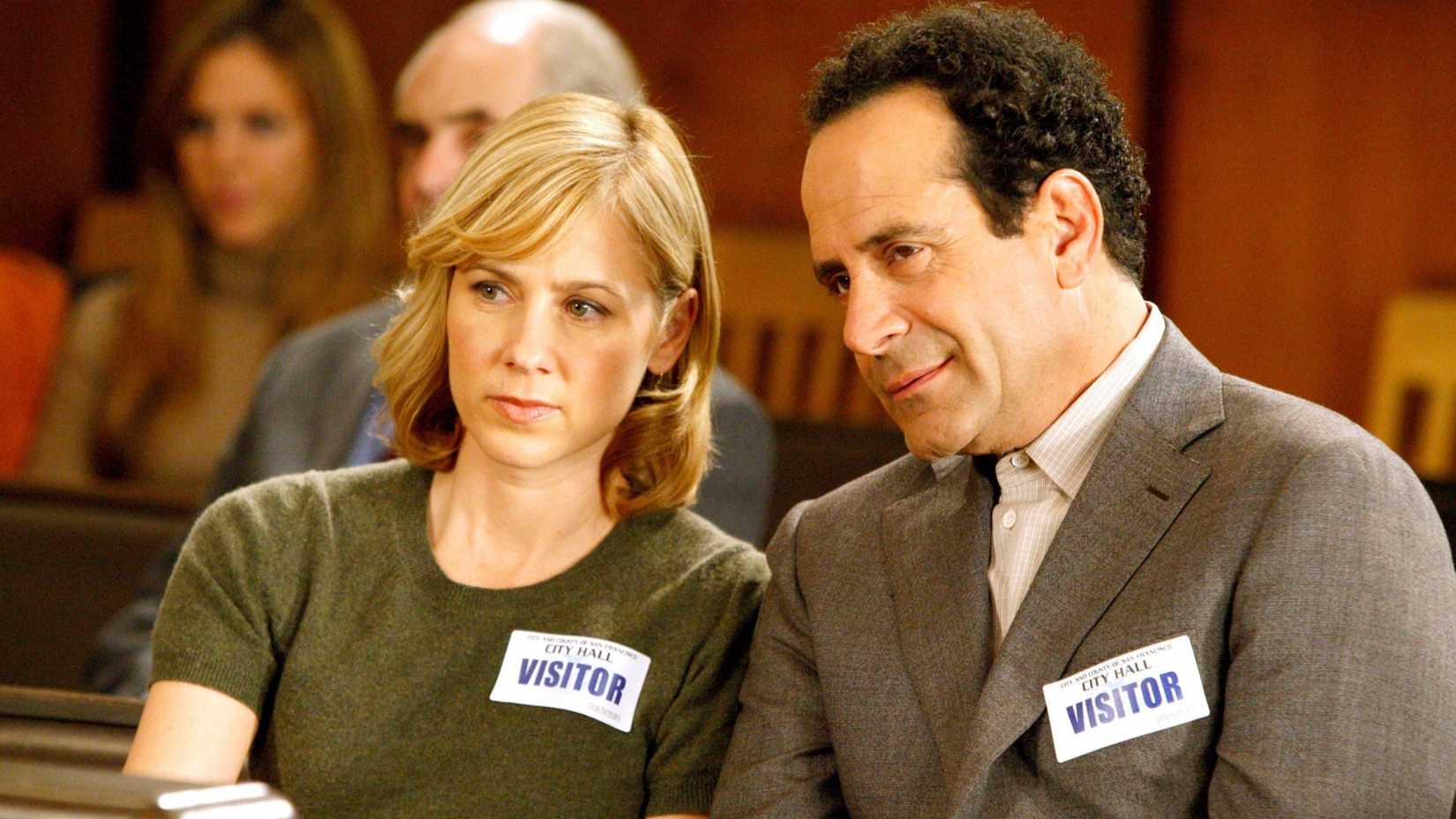
Adrian Monk, played by Tony Shalhoub, is a highly skilled detective who battles obsessive-compulsive disorder and numerous fears. He solves strange and mysterious cases while still trying to uncover the truth about his wife’s unsolved murder. Shalhoub’s performance earned him three Emmy Awards, and the show’s strongest episodes skillfully portray both his detective abilities and his mental health challenges with respect and sensitivity, avoiding simple jokes at his expense.
Elementary

Although the BBC’s Sherlock received a lot of praise, many fans actually prefer Elementary as a Sherlock Holmes series. It’s interesting how different all the adaptations of Sir Arthur Conan Doyle’s stories are, even though they all start with the same basic material. Sherlock stayed fairly true to the original stories’ atmosphere, but Elementary showed that adaptations could be much more imaginative.
Elementary offers a fresh take on Sherlock Holmes and Dr. Watson, portraying Holmes (Jonny Lee Miller) as a brilliant but flawed man battling addiction, and monitored by Dr. Joan Watson (Lucy Liu). The show lasted longer than the BBC’s Sherlock, which allowed for deeper character development, and presented a more relatable Holmes – a gifted detective, but not impossibly perfect, unlike Benedict Cumberbatch’s portrayal which sometimes felt superhuman.
Hannibal
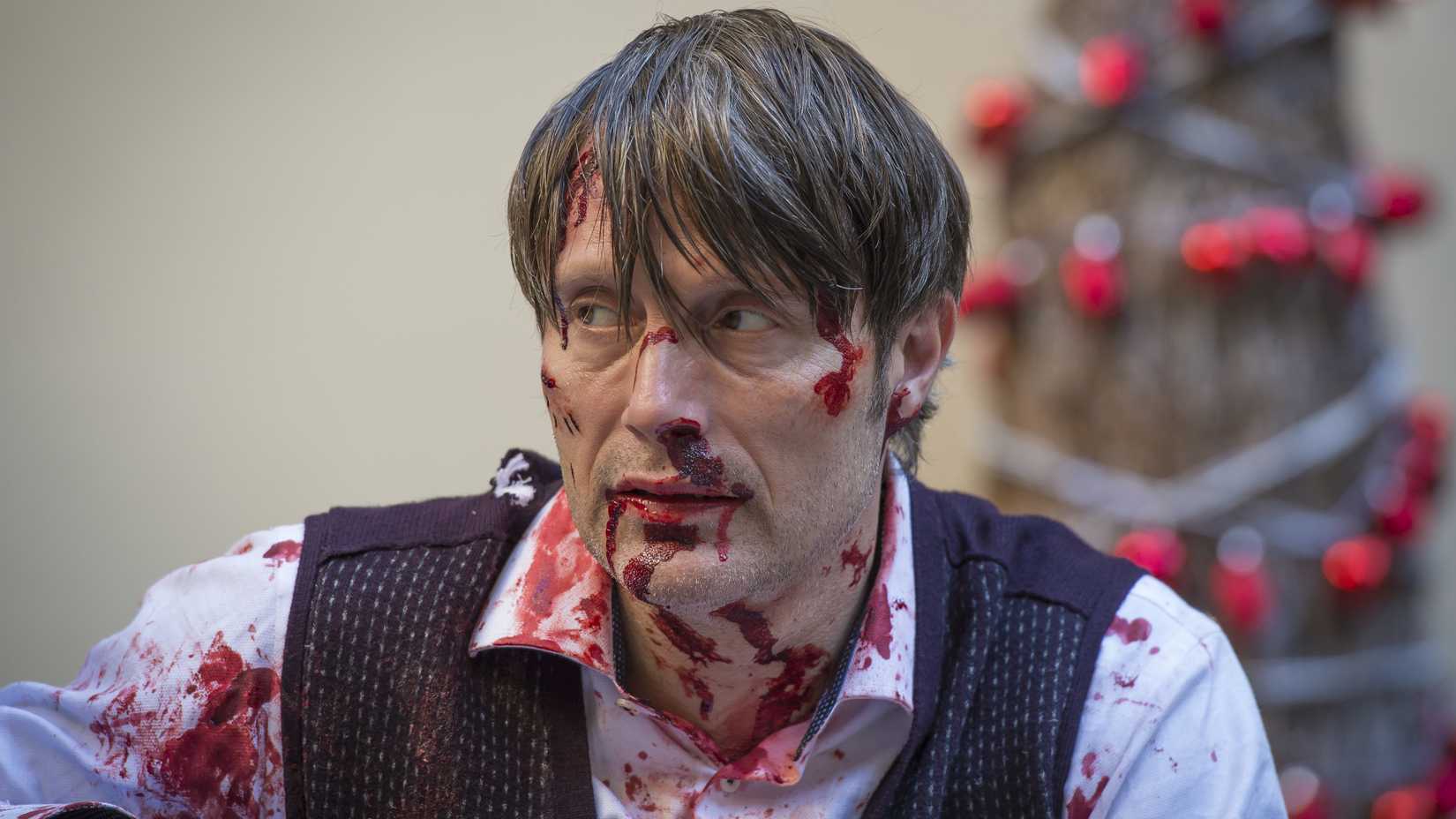
While Sherlock sometimes presents dark situations, like the deaths in “The Blind Banker,” Hannibal is far more intense. The show generally follows a “crime of the week” structure, but it also develops the complex relationship between criminal profiler Will Graham and the infamous Hannibal Lecter. Hannibal‘s elaborate and disturbing crime scenes are significantly more shocking than anything in Sherlock.
Although Sherlock effectively conveys the dark and mysterious atmosphere of London, it isn’t known for being visually impressive. Hannibal, on the other hand, consistently presents scenes that feel like unsettling works of art, even when they’re quite gruesome. Surprisingly, some of the food styling is appealing, despite the audience knowing it often includes…unconventional ingredients. This unique visual approach enhances the show’s disturbing mood and ultimately surpasses Sherlock in terms of visual impact.
Read More
- Best Controller Settings for ARC Raiders
- Review: Final Fantasy Tactics: The Ivalice Chronicles (PS5) – Still the Benchmark for Turn-Based Tactics
- Mark Zuckerberg & Wife Priscilla Chan Make Surprise Debut at Met Gala
- The Boys Season 5 Officially Ends An Era For Jensen Ackles’ Soldier Boy
- Nippon Sangoku Is The Best New Post-Apocalyptic Anime of Spring 2026
- Elon Musk’s Mom Maye Musk Shares Her Parenting Philosophy
- 10 Greatest Manga Endings of All Time
- The Witcher 3 Officially Reveals Stunning New Ciri Figure Coming 2026
- The WONDERfools ending explained: What happened to the Child of Eternity?
- 7 Great Marvel Villains Who Are Currently Dead
2026-05-20 22:43