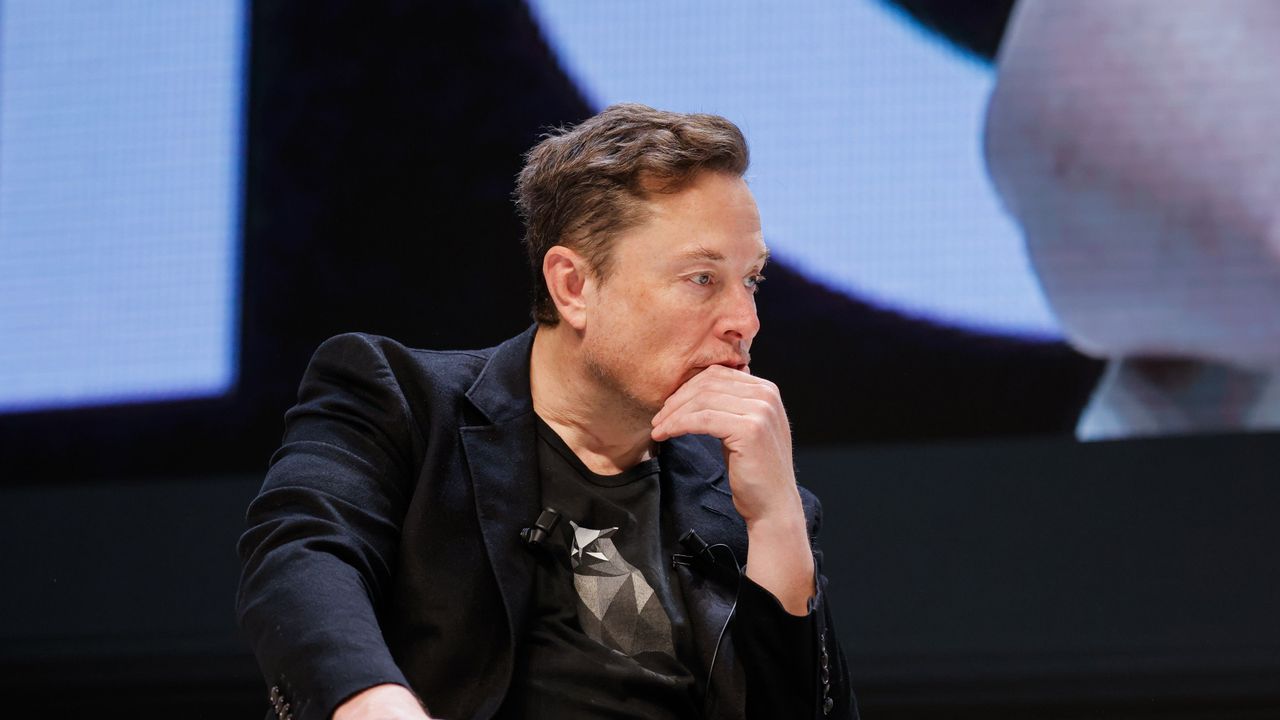
As a tech follower, I’ve been watching the drama between Elon Musk and OpenAI unfold, and it’s pretty intense. Basically, Elon’s been claiming OpenAI has completely abandoned its original goals – which were all about safe AI development for everyone – and he’s even accused them of some seriously shady dealings, even filing lawsuits to back up his claims. It’s a real clash of visions, and he’s not holding back about what he sees as a betrayal.
A California judge decided this month that Elon Musk will have a court case regarding OpenAI’s shift to a for-profit structure and what he claims are unfair profits. The trial is scheduled to begin in April and could take as long as a month.
OpenAI recently responded to claims by Elon Musk, stating he’s been sharing parts of old conversations in a way that makes him look good and unfairly portrays OpenAI, the creators of ChatGPT. They accuse him of misrepresenting the truth by only sharing selected pieces of their past discussions.
OpenAI claims Elon Musk’s lawsuit is a tactic to hinder their progress in artificial intelligence, unfairly benefiting his own AI company, xAI. They stated, “He is now falsely twisting the facts to continue this harassment.”
In a recent blog post called “The Truth Elon Left Out,” OpenAI explained that Elon Musk often shares selected parts of conversations, and when you look at the full context, those snippets paint a misleading picture.
In 2017, OpenAI and Elon Musk agreed that the organization would transition to a for-profit model. But talks stalled when OpenAI wouldn’t grant Musk complete control of the company.
According to OpenAI:
Back in 2017, Elon and we agreed that OpenAI would eventually need to become a for-profit company. However, talks fell apart because we wouldn’t give him complete control. We turned down his proposal to combine OpenAI with Tesla, and we attempted to find a different way to work together. Ultimately, he left OpenAI, but encouraged us to pursue fundraising on our own, stating he believed we had no chance of success without it.
Musk admitted he was hesitant to invest in the company unless he had complete control, explaining he’d had negative experiences when he didn’t in the past. Interestingly, OpenAI also shared that they were surprised when Musk proposed his children would oversee the future development of advanced AI (artificial general intelligence) during talks about the company’s leadership.
Elon Musk is taking legal action against OpenAI’s leaders, including CEO Sam Altman and President Greg Brockman. He claims OpenAI tricked him into investing $38 million by presenting itself as a non-profit focused on benefiting humanity. Musk alleges that the company planned this all along, intending to become a for-profit business starting in October 2025.
In one of the entries shared by OpenAI, Brockman indicated that:
It’s going to be really difficult to turn this into a for-profit venture without a major conflict. I’m focused on the current situation, and he’ll accurately say that we weren’t upfront with him about still wanting to pursue the for-profit idea, but without his involvement.
Brockman also realized it would be wrong to take over the non-profit from its current owner. He felt converting it to a for-profit company without his involvement would be unethical, and emphasized that the owner is a capable person.
With the ongoing legal dispute between Elon Musk and OpenAI, OpenAI has started showing ads in ChatGPT. Both free users and those with paid subscriptions will see these ads at the bottom of their conversations. This move is likely intended to increase revenue, helping OpenAI fund its advanced AI development and improve its financial situation.
Read More
- Elon Musk’s Ex Ashley St. Clair Reveals When Romance Became “Weird”
- Forza Horizon 6 Car List So Far: Confirmed Highlights, Cover Cars, DLC, and Rewards
- GBP CNY PREDICTION
- Mark Zuckerberg & Wife Priscilla Chan Make Surprise Debut at Met Gala
- Elon Musk’s Mom Maye Musk Shares Her Parenting Philosophy
- 10 Greatest Manga Endings of All Time
- Ranking the 5 Best Spring 2026 Anime So Far (Mid-Season Update)
- 20 K-Dramas That Nailed the Perfect Ending
- 10 Best Free Games on Steam in 2026, Ranked
- Miranda Kerr Shares “Quick” Procedure She Got Before Met Gala 2026
2026-01-19 17:40