It’s getting harder to feel secure in your job as artificial intelligence, like ChatGPT and Gemini, becomes more common. People are already showing how these AI tools can help them get more done while still working well and efficiently.
Over the past year, there’s been a lot of discussion about AI and its impact on employment. Dario Amodei, CEO of Anthropic, suggested that AI could potentially automate up to half of all beginner-level office jobs, which could create challenges for new workers. However, he also highlighted AI’s potential to make significant advancements in healthcare, particularly in the fight against diseases like cancer.
NVIDIA CEO Jensen Huang strongly disagreed with Amodei’s views. He stated he fundamentally disagreed with almost everything Amodei said, adding that Amodei seems overly concerned about the risks of AI and believes only his company should be developing it.
We’re starting to see the effects of this, particularly with entry-level positions. We’ve noticed, and are experiencing ourselves, a possible decrease in hiring at that level.
Google DeepMind CEO, Demis Hassabis
Concerns about AI replacing jobs aren’t likely to disappear, and the effects are already being felt within the AI industry itself. During an interview at Davos, the CEOs of Google DeepMind and Anthropic both acknowledged that they’re seeing AI begin to impact entry-level positions, even within their own research labs, according to Business Insider.
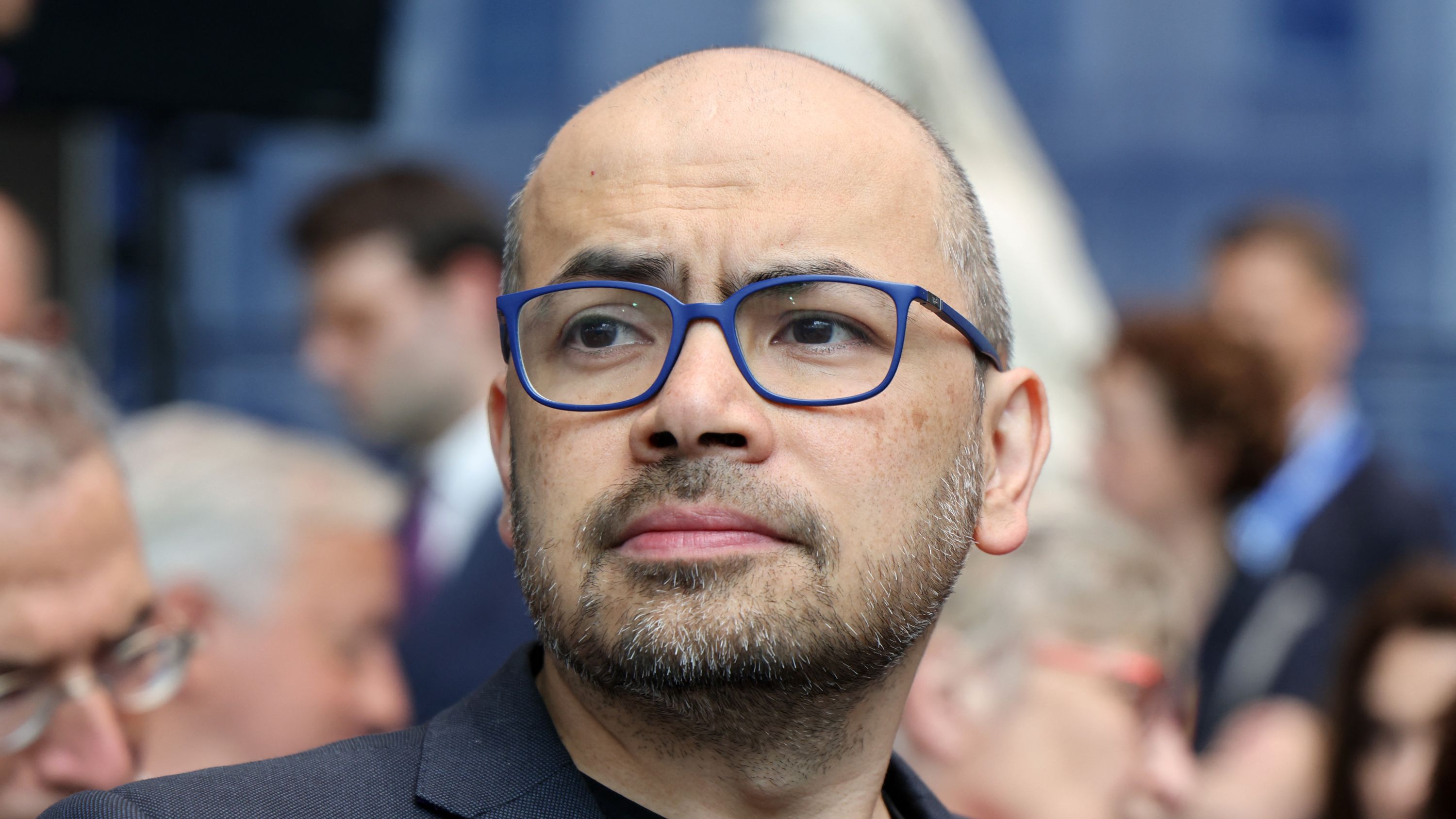
Google DeepMind’s CEO expressed a hopeful view, suggesting that AI will lead to the creation of better, more fulfilling jobs. While he acknowledged that AI might reduce the number of internships available, he believes this will be offset by the powerful new tools AI offers to everyone.
Anthropic’s CEO continues to believe that AI will eliminate around 50% of entry-level white-collar jobs.
We’re beginning to see early signs of this in areas like software and coding. At Anthropic, I anticipate a future where we’ll need fewer, not more, people at the entry and mid-level positions.
Before the rise of artificial intelligence, many countries already struggled with unemployment. There weren’t enough jobs available for all the new graduates entering the workforce each year.
Amodei expressed concern that rapid, accelerating advancements in AI could quickly outpace our ability to adjust and cope with the changes. He estimates this point could be reached within a year to five years.
Recently, there’s been much discussion about the future of work. Some, like Tesla’s CEO and a prominent billionaire, suggest that jobs might eventually become optional pastimes, with governments providing a basic income to everyone.
Bill Gates, the co-founder of Microsoft, believes that artificial intelligence will eventually take over many tasks currently done by people. However, he doesn’t think this will eliminate jobs entirely. Instead, he predicts that within the next decade, many workers might only need to work two days a week thanks to AI.
Read More
- Forza Horizon 6 Car List So Far: Confirmed Highlights, Cover Cars, DLC, and Rewards
- Elon Musk’s Ex Ashley St. Clair Reveals When Romance Became “Weird”
- GBP CNY PREDICTION
- Mark Zuckerberg & Wife Priscilla Chan Make Surprise Debut at Met Gala
- Elon Musk’s Mom Maye Musk Shares Her Parenting Philosophy
- 20 K-Dramas That Nailed the Perfect Ending
- 10 Best Free Games on Steam in 2026, Ranked
- Miranda Kerr Shares “Quick” Procedure She Got Before Met Gala 2026
- 10 Greatest Manga Endings of All Time
- Ranking the 5 Best Spring 2026 Anime So Far (Mid-Season Update)
2026-01-20 21:40