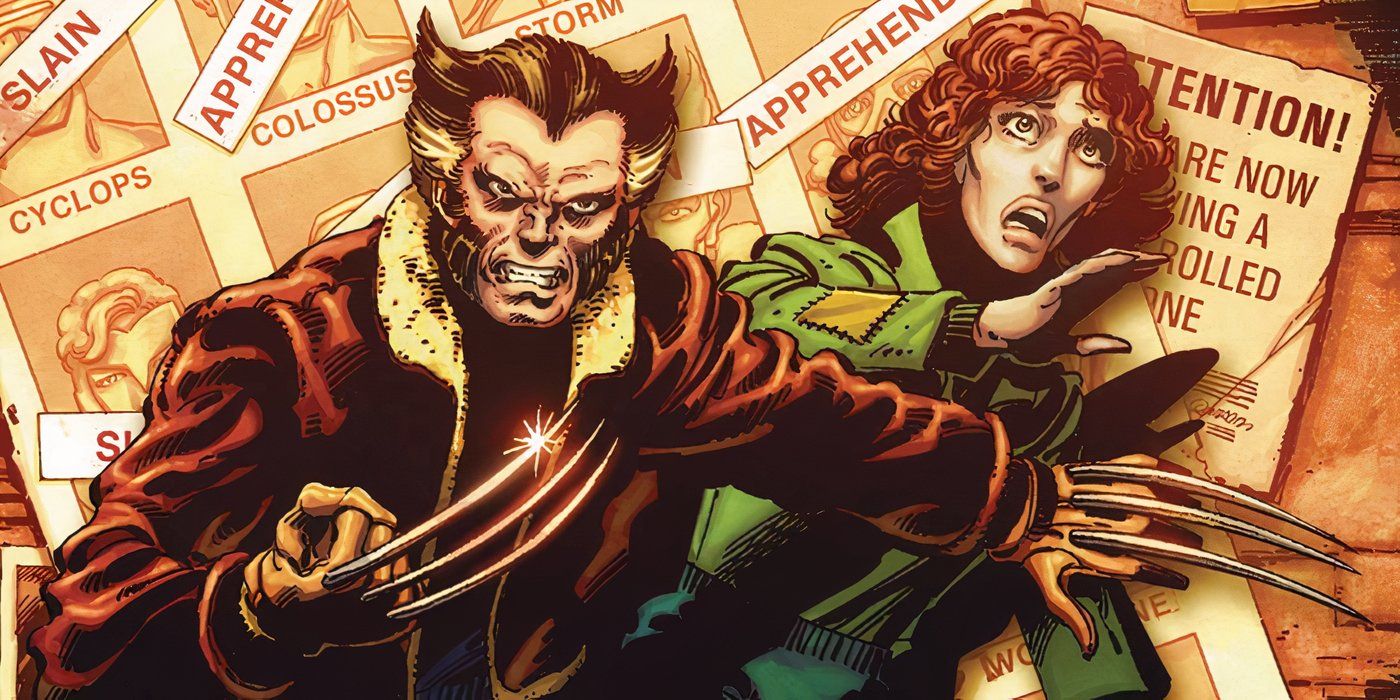
This team is a cornerstone of Marvel Comics. For many years, stories about them have actually been more popular than those featuring iconic groups like The Fantastic Four, The Avengers, and even Spider-Man at times. More than just a group of heroes, they function as a family and explore complex themes beyond typical superhero adventures. Their strong storytelling potential has led to several memorable story arcs that have significantly shaped the characters. Certain key stories, in particular, remain powerfully relevant even today.
Many great stories reappear throughout the years, likely because their themes remain relevant. Some of these stories have heavily influenced the X-Men, shaping key elements of their history. While the Dark Phoenix saga is a powerful and often revisited story, this particular narrative focuses on a different arc – one involving time travel, alternate realities, and a surprising pair of heroes taking center stage.
Days Of Future Past Was A Defining Moment For The X-Men
Originally published in the early 1980s, X-Men: Days of Future Past by Chris Claremont and John Byrne is a story that continues to resonate with fans. It consistently appears on lists of the best X-Men stories, and for good reason. The story is simply excellent – the artwork is stunning, the characters are well-developed through engaging dialogue, and the core idea is incredibly compelling. It’s a fantastic story overall, and a great starting point for anyone new to the X-Men universe.
Looking back, that era of X-Men was huge. Chris Claremont really became one of the most important writers the series ever had. It was when so many of the characters we love were first introduced, and he really established a storytelling style that just fit the X-Men perfectly. Honestly, the team wouldn’t be what it is today without his work. That’s why X-Men: Days of Future Past, even with everything that happens in it, feels like such a key part of X-Men history – it’s something they keep coming back to and building on in big ways.
The atmosphere and setting are key to what makes Day of Future Past so impactful. It’s a story where the X-Men and mutants generally face defeat – a relatively uncommon focus in their adventures. The story depicts a future where Sentinels control Earth, eliminating mutants perceived as threats to peace. As with any form of prejudice, this hatred towards mutants quickly escalates.
The story tackles political themes and sometimes feels like a cautionary tale about the future. X-Men: Days of Future Past focuses on fixing past mistakes to create a better future, and suggests that changing time is the key. It highlights how important even small decisions can be, implying that just a few moments can drastically alter history. The comic excels by placing this responsibility on Kitty Pryde, a character who wasn’t typically a central leader during this era.
Days Of Future Past Has Been Revisited Time Over Time
What makes X-Men: Days of Future Past stand out is its enduring story concept. The idea of altering the past to save the future is one that can be retold and reimagined endlessly. This applies not only to the movie, which was a fairly accurate adaptation, but to the storyline in general. The film effectively showed a bleak future where Sentinels were destroying the X-Men, and resolving the crisis demanded difficult choices.
X-Men: Days of Future Past was a groundbreaking film. It brought characters together from different timelines long before the idea of the multiverse became popular. It’s interesting to see those kinds of stories becoming common now. Unlike some recent movies, it doesn’t seem like we’ll see both young and old versions of the same characters. Instead, the film focuses on a major threat to the timeline, and repairing the damage will require a unique team-up and some time travel.
The comics often return to the idea that the future holds a dark fate. Characters like Cable constantly remind us of the dangers mutants face. Whether or not a specific problem is solved, a bleak outcome feels unavoidable. The source of the threat may change – it might not be the Sentinels, but groups like the Purifiers or Orchis, or any other organization willing to turn public opinion against mutants to serve their own goals – but the danger always remains.
The story of a bleak future for mutants has been told many times, and it’s the driving force behind their constant search for a lasting paradise. X-Men: Days of Future Past isn’t just about overcoming another disaster; it’s a pivotal event that inspires them to actively build a better future. Whenever mutants face hardship—whether it’s the ‘No More Mutants’ event or the collapse of Krakoa—the grim possibility shown in Days of Future Past immediately comes to mind, reminding them of what they’re fighting to prevent.
Days Of Future Past Offers A Particularly Relevant Concept
Beyond its connection to the Marvel Cinematic Multiverse and its impact on recent stories, X-Men: Days of Future Past remains powerful because it continues to appeal to readers today. As a beloved classic, it often serves as an entry point to the X-Men universe, and its themes are especially meaningful when viewed alongside the recent Krakoan saga. This is because the mutants finally achieved the hopeful future they’d been striving for – the utopia designed to prevent the grim fate depicted in Days of Future Past.
The Krakoan era began with good intentions and offered a hopeful solution for mutants. Unfortunately, it wasn’t sustainable. Just as with the creation of the Sentinels, another group ultimately brought it to an end, creating a sense of history repeating itself. While mutants have previously managed to avoid similar fates, it seems certain events are inevitable. The classic story Days of Future Past suggests that the X-Men aren’t powerless – they can influence their future and change what happens to them.
A recurring idea in the current X-Men stories is a sense of inevitability and powerlessness. No matter how hard the X-Men try to change things, disaster always seems to strike. The classic story X-Men: Days of Future Past established this pattern, and now Marvel and its writers can easily revisit it. This shared history is incredibly valuable for storytelling, allowing them to instantly raise the stakes and connect with readers on an emotional level. It’s a powerful resource to draw upon whenever they want to create tension and drama.
Few comic book stories are as significant as X-Men: Days of Future Past. It’s had a huge impact on comic book history, rivaled perhaps only by The Dark Phoenix Saga, which also explored a deeply tragic moment. While the story has been adapted into films, Days of Future Past continues to resonate with audiences due to its strong storytelling and thought-provoking themes.
Read More
- Gold Rate Forecast
- 10 Most Powerful Versions of Superman, Ranked
- 10 Best Free Games on Steam in 2026, Ranked
- GBP CNY PREDICTION
- Forza Horizon 6 Car List So Far: Confirmed Highlights, Cover Cars, DLC, and Rewards
- 10 Greatest Manga Endings of All Time
- Forza Horizon 6 PC Issues: Fix Crashes, Stuttering, Steam Errors, and Game Pass Problems
- 007 First Light: Release Date, Story, Gameplay, Cast, Editions, and Platforms
- XLM PREDICTION. XLM cryptocurrency
- PI PREDICTION. PI cryptocurrency
2026-01-24 21:15