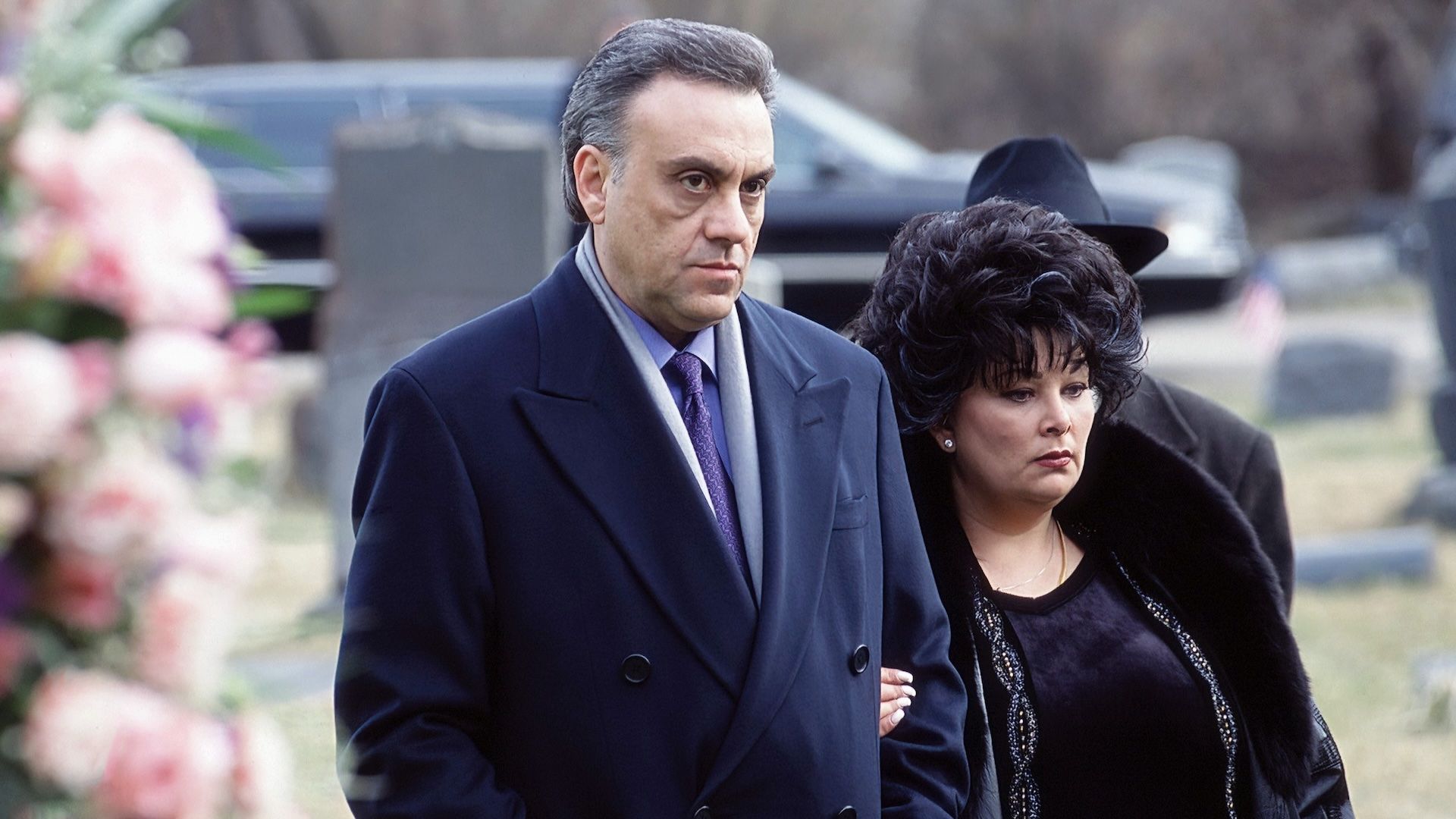
Many people consider The Sopranos one of the greatest TV shows ever, and there’s a strong reason why it’s so highly regarded. While Twin Peaks by David Lynch was groundbreaking and paved the way for better television, it’s often seen as simply an important step before the recent era of high-quality TV shows began.
Shows like The X-Files, Buffy the Vampire Slayer, and ER were important forerunners, but the current era of high-quality television—often called its ‘Second Golden Age’—really began around the year 2000. Several shows are considered the starting point, including Sex and the City, The West Wing, and Six Feet Under.
But no show had a bigger impact on the recent boom in quality television than David Chase’s The Sopranos. This incredibly popular series centered on Tony Soprano, played by James Gandolfini, a powerful mob boss in New Jersey who constantly juggles the demands of his family with the violence and stress of his criminal life.
The Sopranos Changed Television

I was immediately hooked by The Sopranos – it wasn’t just another gangster show. It started so uniquely, with Tony actually going to therapy for panic attacks! Watching him open up to Dr. Melfi, played brilliantly by Lorraine Bracco, was fascinating. He’d talk about the incredible stress of leading a criminal organization, but also the everyday struggles of being a husband and father, trying to balance everything with the demands of his ‘other’ family – the mob.
I was completely captivated by James Gandolfini as Tony Soprano – it was truly the best performance of his career. But Edie Falco, as Carmela, was just as amazing, a real standout. And I have to say, Lorraine Bracco as Dr. Melfi was essential. She brought such weight to the show, grounding it and making sure it never felt like a silly joke about a mob boss going to therapy. She kept things real and complex.
What really set the series apart was how it told stories. Even up to the famously controversial ending of The Sopranos, the show consistently challenged traditional TV narratives. It would dedicate entire episodes to supporting characters, and storylines that initially seemed unimportant would later prove to be crucial.
By focusing on a central character with significant flaws, The Sopranos created a show where even the most imperfect characters were explored with honesty. This approach made it possible for viewers to connect with, and even feel sympathy for, people who were deeply flawed. It ultimately influenced shows like Breaking Bad, Mad Men, Deadwood, The Shield, House of Cards, Game of Thrones, and Succession.
The Golden Age Of Television Only Happened Because Of The Sopranos

But shifting viewpoints wasn’t the only new thing the show did. With so many characters, The Sopranos could move smoothly between different perspectives – something few dramas had tried before. While this technique had been used in soap operas previously, The Sopranos was the first to really popularize it.
Shows like Game of Thrones, Friday Night Lights, and The Wire were able to engage viewers with multiple storylines that didn’t immediately connect, trusting them to follow along. Looking back, the plot of The Sopranos now seems fairly straightforward compared to the slower, more deliberate storytelling of later acclaimed shows like The Leftovers.
It’s important to remember that when The Sopranos first aired, its detailed and expansive storytelling style was new for cable television. The show featured a large cast of characters – many with seemingly minor connections to Tony and his family – which helped create a realistic and believable world.
How The Sopranos Inspired Other TV Dramas
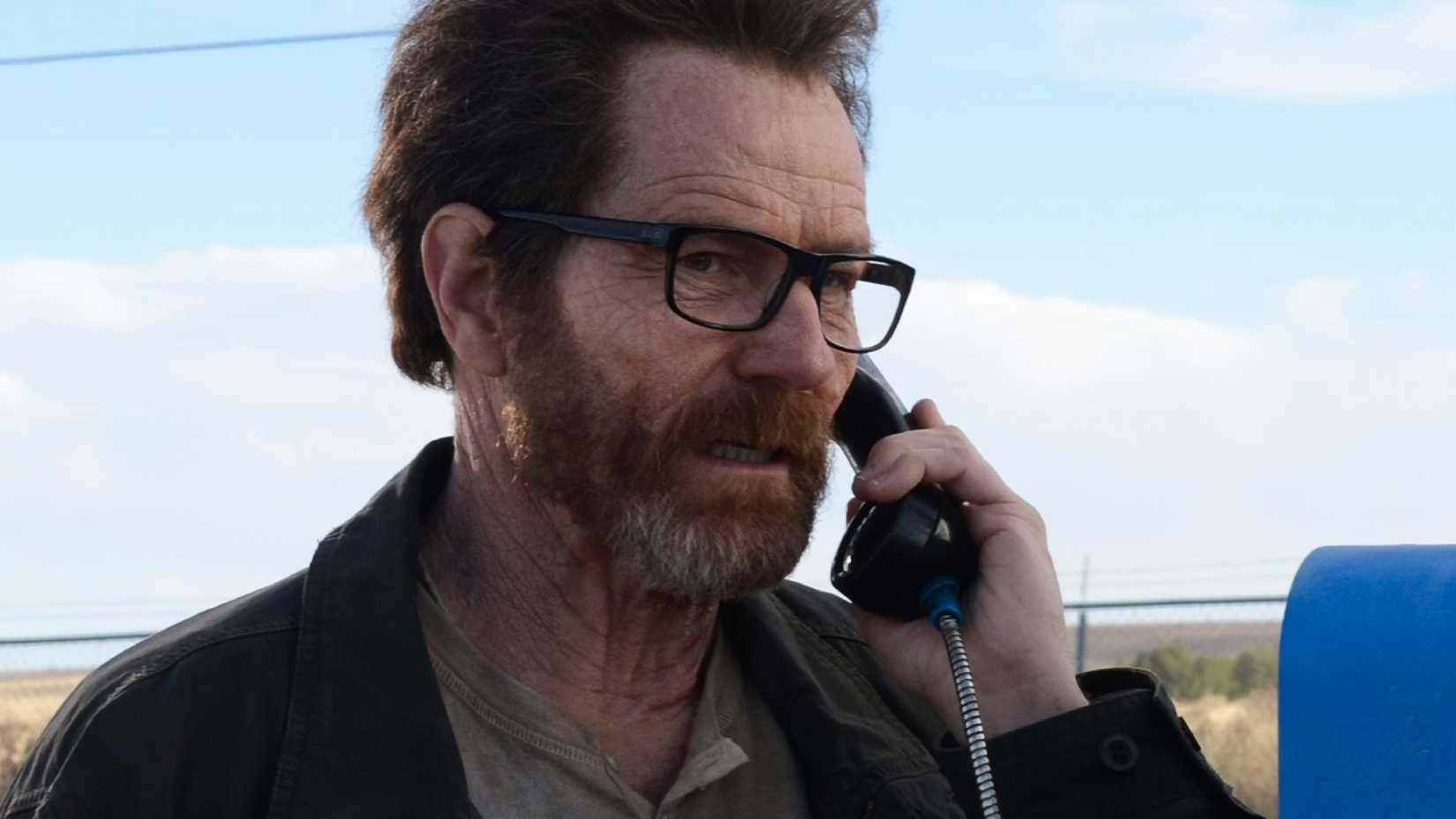
With its complex and flawed main character, The Sopranos opened the door for shows like Dexter, Breaking Bad, and Game of Thrones, which also feature villains as central figures. The show also pioneered a deeper look at the backgrounds and motivations of troubled characters, a technique later seen in series like Succession and Mad Men.
Both Succession and Mad Men didn’t excuse the bad behavior of their main male characters, but they did explore how their upbringing contributed to their ruthless and unethical personalities. And many standout episodes of The Sopranos, beyond focusing on Tony Soprano himself, helped define a new direction in television.
The acclaimed show The Wire created a remarkably realistic and immersive world by showing the drug trade from all sides. It gave compelling storylines not just to police and dealers, but also to everyone affected – from politicians and the media, to teachers and ordinary citizens.
Has The Sopranos Aged Well?
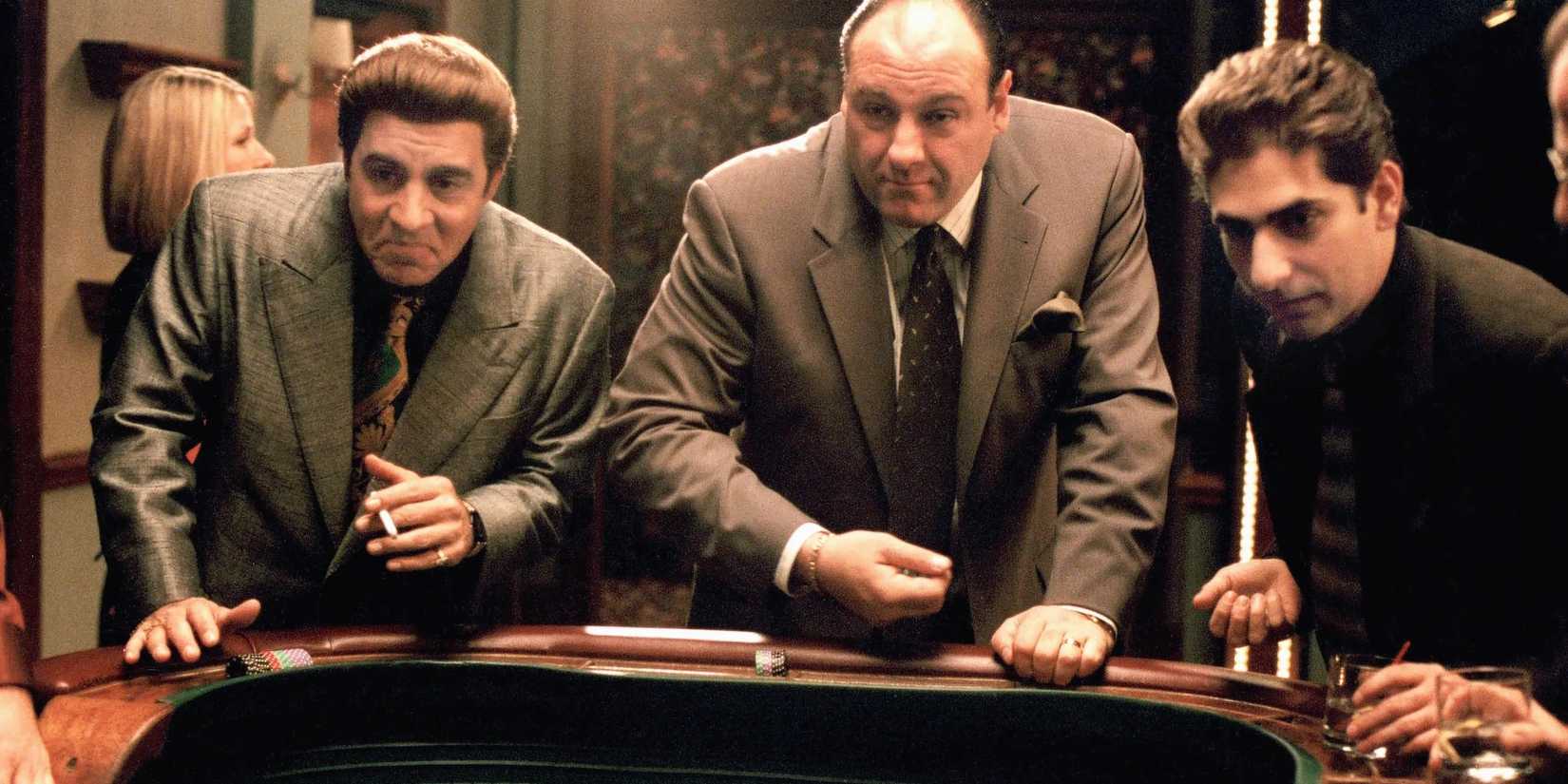
Many consider The Wire to be the greatest TV show ever made, largely because it treated all of its characters with incredible depth and humanity. However, The Sopranos actually established this approach to character development before The Wire even premiered.
One of the groundbreaking aspects of The Sopranos was its complex portrayal of how a large ensemble cast deeply influenced each other’s lives, often with harsh consequences. Though these kinds of interwoven storylines are now common, The Sopranos remains a landmark achievement in television drama.
Read More
- The Super Mario Galaxy Movie: 50 Easter Eggs, References & Major Cameos Explained
- Surprise Isekai Anime Confirms Season 2 With New Crunchyroll Streaming Release
- 10 Best Free Games on Steam in 2026, Ranked
- ‘Project Hail Mary’: The Biggest Differences From the Book, Explained
- Skate 4 – Manny Go Round Goals Guide | All of the Above Sequence
- Starfield (PS5) Review – A Successful Cross-Console Voyage
- Sydney Sweeney’s The Housemaid 2 Sets Streaming Release Date
- Why is Tech Jacket gender-swapped in Invincible season 4 and who voices her?
- Preview: Sword Art Online Returns to PS5 as a Darker Open World Action RPG This Summer
- Every Real Housewives Series Ranked: Worst to Best
2026-02-08 16:59