Let’s be honest, sci-fi on TV has come a long way. It’s not just about little green men anymore. These days, the best shows are digging into really human stuff – things like our memories, who we are, love, what scares us, and how technology is changing everything. I’ve been watching a lot lately, and it’s amazing how these series aren’t afraid to ask huge questions. Like, what if your boss could literally control your thoughts? Or if time didn’t move in a straight line? And the big one: what happens when machines develop feelings? It’s thought-provoking stuff, and a really exciting time for the genre.
The best TV shows blend exciting action with genuine emotion. They put characters in difficult situations, throw in unexpected twists, and can completely change the story at any moment. These shows are smart, entertaining, and consistently surprising. If you enjoy suspense, mystery, and thought-provoking ideas that stay with you after you finish watching, these five series are definitely worth checking out.
Severance Makes Office Life Truly Terrifying
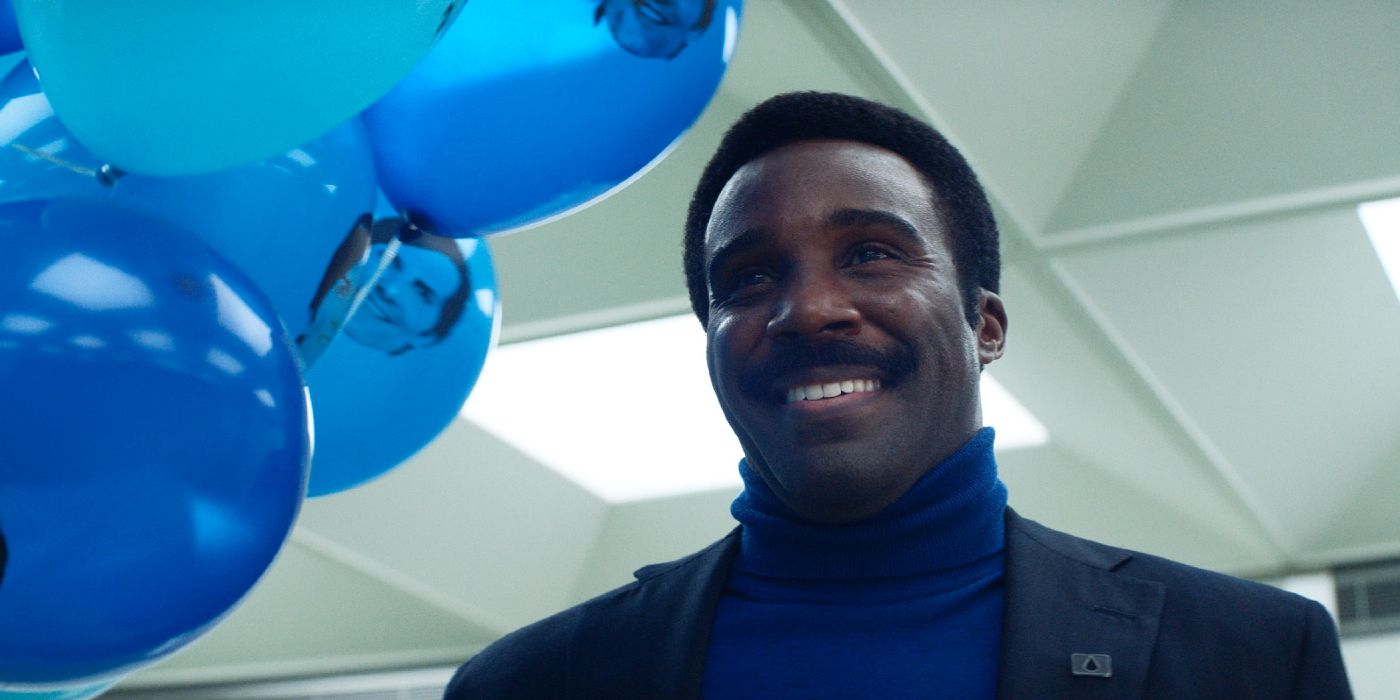
The show centers around a procedure called “severance,” which divides employees’ memories. At work, they have no recollection of their outside lives, and when they’re home, they forget everything that happened at the office.
I found myself really getting pulled into the growing unease of the film’s workers. They start questioning their jobs – what are they actually building, and why all the surveillance? It’s brilliantly done because the more they dig for answers, the more you feel the tension ratcheting up, and the danger becoming very real. It’s a slow burn, but incredibly effective.
The show creates a sense of unease, not through jump scares, but through the idea of control. The power lies in what the company decides people can know, influencing their thoughts and restricting their experiences. The office building itself feels like a confusing, inescapable labyrinth. What makes it truly frightening is how relatable this theme is to real life.
I’m completely captivated by how this show builds suspense! It’s amazing how much tension comes from the smallest things – a glance, a secret conversation, even something hidden in a drawer. Each episode leaves me on the edge of my seat, questioning who’s really in charge and how close everyone is to losing their freedom. It’s brilliantly done!
Dark Turns a Missing Child Into a Time Travel Nightmare
The story of Dark starts with the disappearance of a child in a close-knit German town. However, this peaceful community hides a disturbing truth. As fear grows, long-buried secrets emerge, causing conflict even within the most charming homes.
After experiencing a personal loss, teenager Jonas discovers he can travel through time inside Winden Cave. The story unfolds across three different periods – the past, present, and future – revealing complex connections between characters. We see parents interacting with their younger selves, friendships dissolving, and children growing up to repeat the mistakes of their elders.
At its heart, the story explores themes of family, grief, and the difficult decisions we face. Jonas is convinced he can protect his loved ones by altering the past, but each change he makes only creates more problems and causes the situation to spiral further out of control.
The series Dark explores the compelling question of whether people can truly defy destiny. Throughout the show, characters attempt to alter their paths, but find themselves caught in repeating cycles of time. The story is full of surprising and emotionally powerful moments. Ultimately, viewers realize they aren’t just watching a mystery, but a deeply layered tale about fate, the sacrifices people make, and the consequences of forbidden knowledge.
Westworld Explores What Happens When Robots Wake Up
The show Westworld is set in a high-tech amusement park where guests can live out their fantasies. For a price, visitors can act as heroes or villains and interact with incredibly realistic robots called ‘hosts.’ Initially, these hosts simply follow pre-written storylines, happily greeting guests, engaging in planned fights, and even falling in love as programmed. If a host is damaged, technicians repair them and erase their memory, effectively resetting them to the beginning of their programmed loop.
Dolores, who grew up on a ranch, starts experiencing unsettling things. She recalls memories she shouldn’t, hears voices that don’t belong, and wonders what part she’s meant to play in everything. As she becomes more conscious of these events, others like her also begin to change and awaken.
As the artificial hosts gain consciousness, the carefully constructed world of the park starts to crumble. The humans who created this reality believe they’re in charge, having written the narrative, but the hosts begin to wonder about their purpose. They yearn for freedom and, ultimately, seek retribution. The show is a compelling mix of thrilling action – including shootouts, betrayals, and daring escapes – and deep philosophical questions. It explores what it means to be alive, pondering if life is defined by memories or by the choices we make.
What really grabbed me about this story isn’t just the spectacle, but the feeling that things are slipping out of control. The people who made this incredible park quickly realize they can’t actually manage what they’ve unleashed. That power shift is what drives the tension, and honestly, it kept me absolutely glued to my seat as the line between what’s human and what’s artificial just kept fading.
The OA Blends Faith, Science, and Other Dimensions
Okay, so the show starts with Prairie Johnson unexpectedly coming back after being gone for seven years. The really strange thing? She was blind when she disappeared, but now she can see! No one has any idea how or why, and she’s incredibly secretive, refusing to explain anything and insisting everyone call her ‘the OA.’ It’s a really unsettling situation – her parents are overjoyed to have her back, but also totally freaked out and confused. And the whole town is buzzing, some people are desperate for answers, while others are genuinely scared of her. It immediately pulls you in because you’re just as baffled as everyone else.
I was completely captivated when I learned how Prairie Johnson chose to share her incredible story. She didn’t go to the authorities or the press, but confided in a small, unexpected group – a handful of young people and a teacher who, like her, seemed to be searching for something. It happened late at night, in hushed tones, and she revealed something unbelievable: she’d been kidnapped by a scientist and held prisoner along with others as part of a disturbing study on what happens when people are close to death.
He repeatedly pushes them to the brink of death, desperately seeking evidence of life after death. Every time Prairie dies, she has a profound and otherworldly experience, journeying to a realm beyond our normal world. These experiences show her that other dimensions and alternate realities exist, and each near-death event unlocks new understanding.
The OA isn’t a typical show; it asks viewers to embrace new ideas. It delves into themes of suffering, resilience, and the fundamental human desire for connection and acceptance. Ultimately, it feels less like a traditional story and more like a bold, spiritual quest, filled with both danger and awe, and hinting at realities beyond our own.
Black Mirror Shows a Future That Feels Too Close
The show presents worlds that feel familiar, yet are slightly different from our own. For example, one episode explores a society where a simple social media rating determines everything from job opportunities and housing to how people are treated.
The show features thought-provoking stories, like one about a woman who tries to bring back her deceased partner using AI, only to discover that a recreation can’t replace the real person. Other episodes explore things like complete life recordings through memory implants, dating apps promising ideal partners, and immersive video games where you become the character. These ideas feel very current, which makes the dramatic turns all the more impactful.
This story encourages viewers to think about their own choices. It asks questions like: how much personal information are they comfortable sharing? How important is it to them to be liked by others? And what are the consequences when technology becomes more capable than human compassion?
At first, the people in this story think they’re in charge – of their tech, their data, and what they choose to do. But slowly, they realize the system is actually controlling them. The story creates suspense through small, creeping changes – a glance at a screen, an ignored notification, a tiny drop in a score. These little things keep building until everything collapses.
Found an error? Send it so it can be corrected.
Read More
- Adam Levine Looks So Different After Shaving His Beard Off
- After AI Controversy, Major Crunchyroll Anime Unveils Exciting Update
- Gold Rate Forecast
- Dialoop coming to Switch on June 17
- Japan’s No. 1 Spring 2026 Anime Is the True Successor to an All-Time Great
- Xbox Game Pass Users “Blown Away” by New Exclusive Game
- Why is Tech Jacket gender-swapped in Invincible season 4 and who voices her?
- Upcoming Movie Based on 10/10 Fantasy Masterpiece Gets a Release Date & Exciting Cast Update
- Krauser Joins Fatal Fury: City of the Wolves, Big Anniversary Update Teased
- PS2 Exclusive RPG Series Returning 20 Years Later With New Release
2026-02-21 21:10