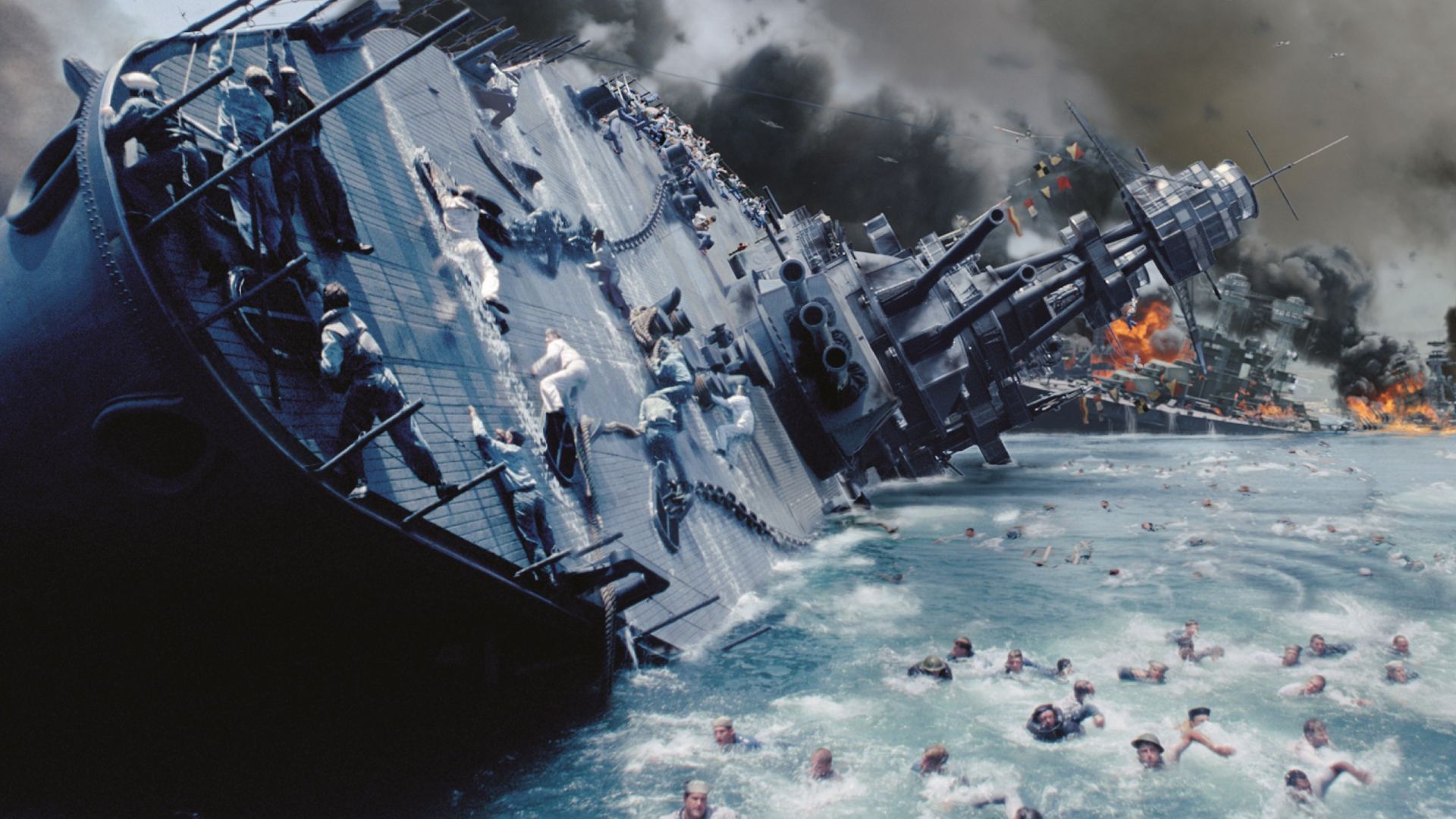
As a longtime movie fan and admirer of Roger Ebert, I always valued his honest opinions, even when they were harsh. He really didn’t hold back when it came to war movies! He famously tore apart John Wayne’s The Green Berets, calling it straight-up propaganda, and he wasn’t impressed with Tora! Tora! Tora either, saying it felt like just people in uniforms talking. But honestly, few films seemed to really get under his skin like Michael Bay’s Pearl Harbor. He absolutely loathed it, and I’ve often wondered if he was right to point out all its weaknesses.
The movie Pearl Harbor tells the story of the surprise attack on the U.S. Pacific Fleet in Hawaii on December 7, 1941. Before the attack, America was not involved in World War II, but the raid led to the U.S. declaring war on Japan the following day. The film also includes a romantic subplot about two childhood friends, both pilots, who fall for the same nurse, a storyline that wasn’t well-received by critics like Roger Ebert.
A Furious Ebert Called Out Michael Bay for Not Providing Proper Context
ABC
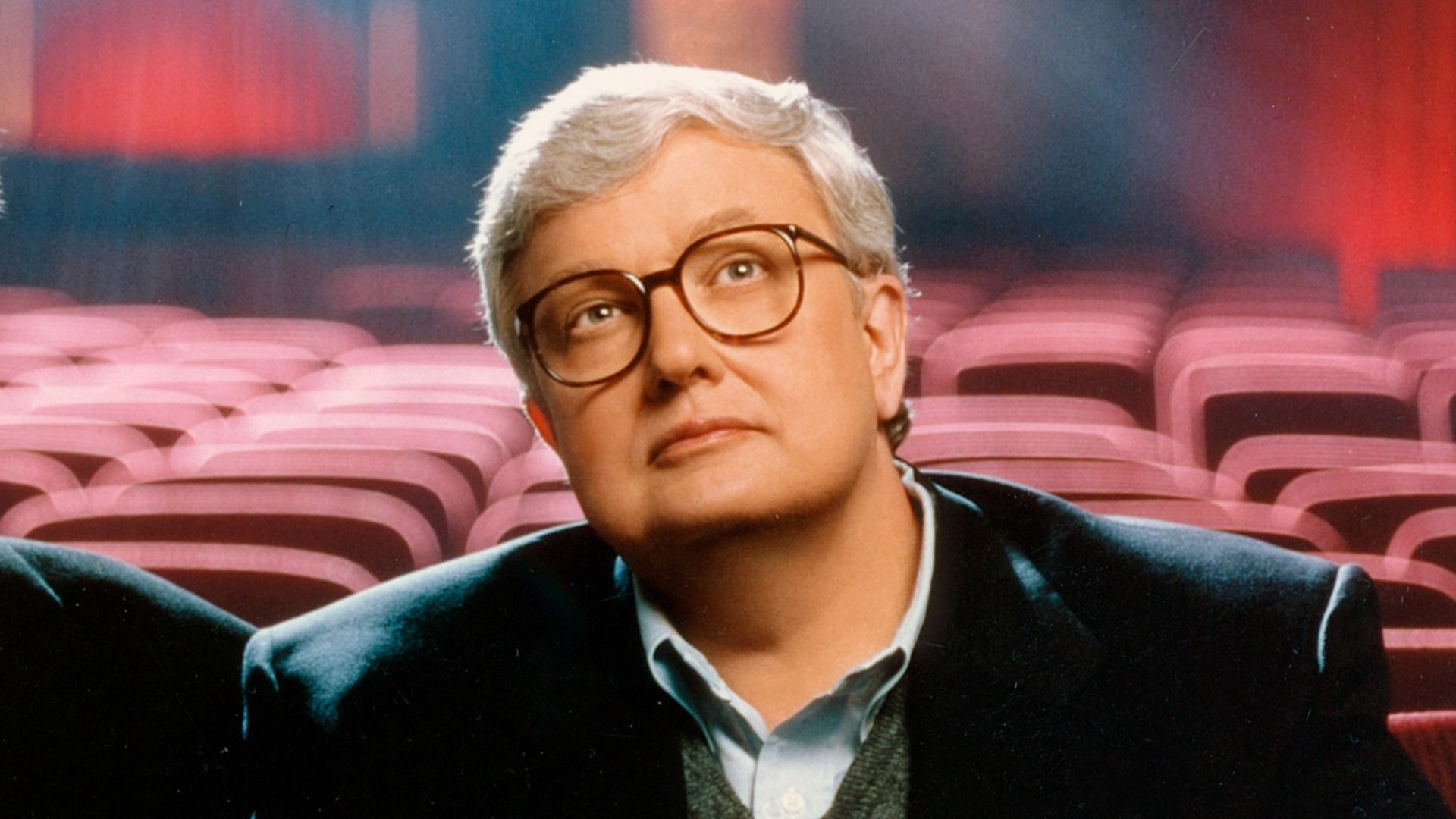
It’s interesting that Roger Ebert gave Pearl Harbor a low rating (1.5/4 stars) because critics often come down hard on actors and directors who’ve made bad movies in the past. Even if Mark Wahlberg drastically transforms for a role, or Michael Bay tries something new, critics might still find fault. While Pearl Harbor received a lot of negative feedback, Ebert’s review was particularly critical, calling the film unremarkable and suggesting Bay didn’t bother to clearly explain the historical attack.
The film presents a very simplified view of history, lacking any real strategic context. It claims Japan attacked Pearl Harbor solely because the U.S. stopped selling them oil, and Japan only had enough fuel to last 18 months. The movie doesn’t explore whether Japan hoped to regain access to oil through war, or if broader imperial ambitions played a role.
The movie Pearl Harbor is widely known for its historical inaccuracies – over 30 have been identified. However, producer Jerry Bruckheimer argued it wasn’t intended as a documentary, and critic Roger Ebert agreed. While the film doesn’t need to be a perfect history lesson, its lack of context is a significant flaw.
The attack on Pearl Harbor wasn’t just about Japan needing more oil. Japan was quickly becoming an industrial power and aimed to control Southeast Asia – specifically the Dutch East Indies and British Malaya – to gain access to valuable resources like rubber, tin, and oil. The U.S. Pacific Fleet at Pearl Harbor was a direct threat to those supply lines. Japan incorrectly believed a successful attack would force the United States to withdraw and potentially negotiate peace, but instead, the U.S. declared war. Including these key details would have significantly improved the film, but they were unfortunately omitted.
Roger Ebert Felt ‘Pearl Harbor’ Was Too Long
Walt Disney
Roger Ebert’s complaints weren’t limited to historical inaccuracies. He generally seemed critical of the film, with the dialogue being a notable exception. He particularly enjoyed the memorable quotes, like President Roosevelt’s forceful line and Colonel Doolittle’s amusing warning to pilots. However, some wonder if Ebert was overly critical in his review. Here’s a portion of what he wrote:
Okay, so I just saw Pearl Harbor, and honestly, it felt way too long. It’s a two-hour movie stretched out to three! The biggest problem? A huge chunk of it – about 40 minutes – is just endless special effects that repeat themselves. And the love story woven throughout? It was incredibly boring and predictable. The whole thing just felt clumsily directed, lacking any real spark or new ideas. You might remember a few lines, but trust me, it won’t be because they’re well-written or particularly moving.
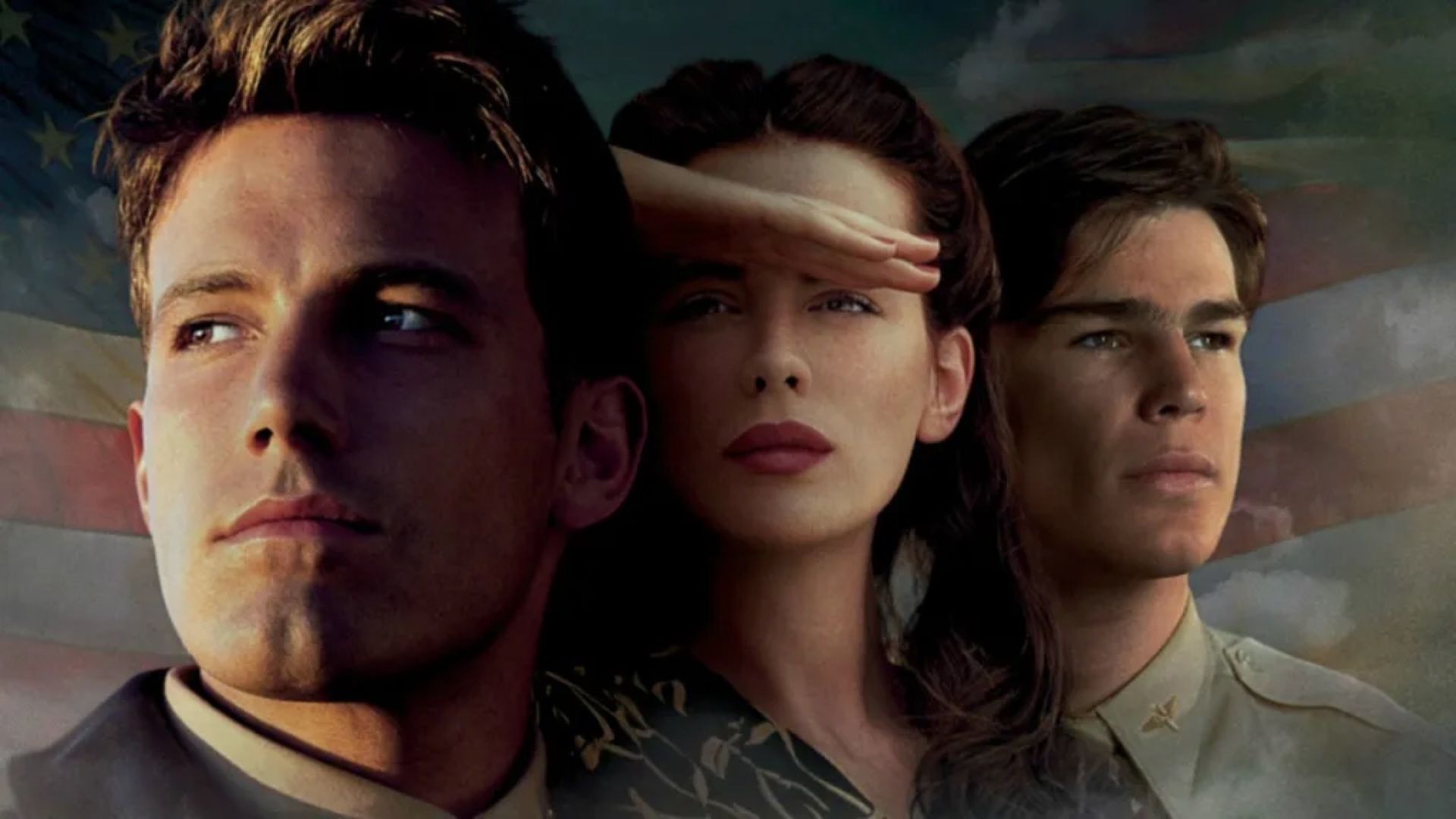
While Pearl Harbor isn’t overly long or difficult to watch, critic Roger Ebert thought it could have been trimmed down. A significant reason for its 183-minute runtime was the focus on a love triangle between Ben Affleck, Josh Hartnett, and Kate Beckinsale’s characters. The film would have been more impactful if director Michael Bay had prioritized the historical and political context over the fictional romance. It seems he was aiming for a war epic similar to Titanic. However, it’s commendable that he attempted such an ambitious project.
Subscribe to the newsletter for sharper film context
Want clearer cinematic and historical context? Subscribe to our newsletter for concise, reliable takes that unpack films’ portrayal of real events like Pearl Harbor, separating spectacle from fact and offering thoughtful film-history perspective and broader movie analysis.
Roger Ebert criticized the film for lacking grace, vision, and originality. While it’s true the movie doesn’t strive for timelessness, it does offer some originality, particularly in its action sequences. Many believe Bay’s explosive style is unique, and no other director could have filmed the Pearl Harbor attack with such scale – a sequence lasting nearly 40 minutes. Whether the film has ‘grace’ is subjective, but it often manages to be emotionally resonant and heartwarming.
So, Roger Ebert was mostly right.

Found an error? Send it info@movieweb.com so it can be corrected.
Read More
- Gold Rate Forecast
- 10 Movies That Were Banned in Different Countries For Random Reasons
- Nintendo Switch 2 Reportedly Getting Remake of One of the Best PS3 and Xbox 360 Games
- Welcome to Demon School! Iruma-kun season 4 release schedule: When are new episodes on Crunchyroll?
- Michael Jackson Biopic’s Record-Breaking Debut Unseats 2026’s Biggest Box Office Hit On U.S. Chart
- 9 Great Supernatural Characters Everyone Forgot About
- All 61 Episodes 90s Cult Classic Sci-Fi TV Show That Was Famously Canceled Twice Were Just Added to Tubi
- Taylor Sheridan’s Gritty 5-Part Crime Show Reveals New Final Season Villain
- EUR JPY PREDICTION
- Did Lauren Sánchez Bezos Hint at Baby Plans With Jeff Bezos? The Truth
2026-02-23 15:42