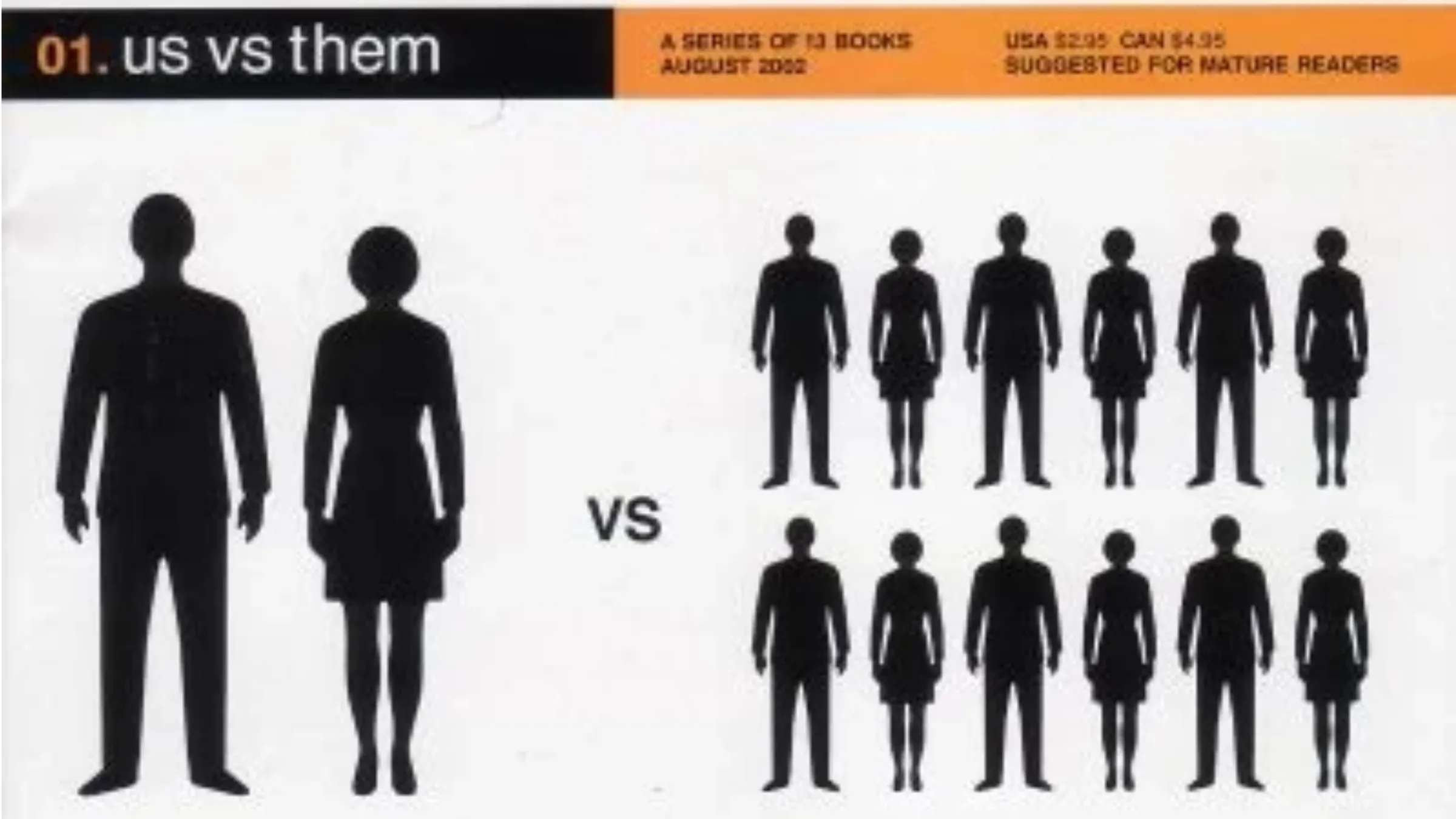
Grant Morrison is a hugely influential comic book writer, largely due to their pivotal role in launching DC’s Vertigo imprint. Brought to the US as part of a wave of British creators, Morrison revitalized characters like Animal Man and Doom Patrol, paving the way for more sophisticated comics aimed at adult readers. Vertigo became a major success in the 1990s, and it was there that Morrison produced some of their most acclaimed non-superhero work, notably the series The Invisibles. This groundbreaking series reflected Morrison’s personal interests and optimistic vision for the future. They believed the new millennium would bring positive change for humanity, and even considered The Invisibles a kind of magical catalyst to help make that happen.
The early 2000s brought significant changes, and Grant Morrison’s optimistic visions didn’t quite come to fruition. This period inspired one of his lesser-known but most compelling works: The Filth. This 12-issue series, illustrated by Chris Weston (who previously collaborated with Morrison on The Invisibles), took a starkly different turn, showcasing Morrison’s most daring and provocative ideas. It fearlessly explored shocking themes, perfectly illustrating the shift from a hopeful future to a grim and unsettling dystopia.
The Filth Took Readers to the Dark Side of Society In a Brilliant Way
Grant Morrison’s The Invisibles featured a secret group called the Invisible College – a global network of revolutionaries striving for positive change and hoping to unlock humanity’s potential. They fought against the Outer Church, a sinister, Lovecraftian organization controlling world leaders with dark, otherworldly forces. This conflict represented a struggle between liberating chaos and oppressive, totalitarian order, reflecting Morrison’s initial hope for a better future in the new millennium and a belief that the revolutionaries would prevail. However, the events of 9/11 shattered that optimism, ending the hopeful spirit of the 1990s.
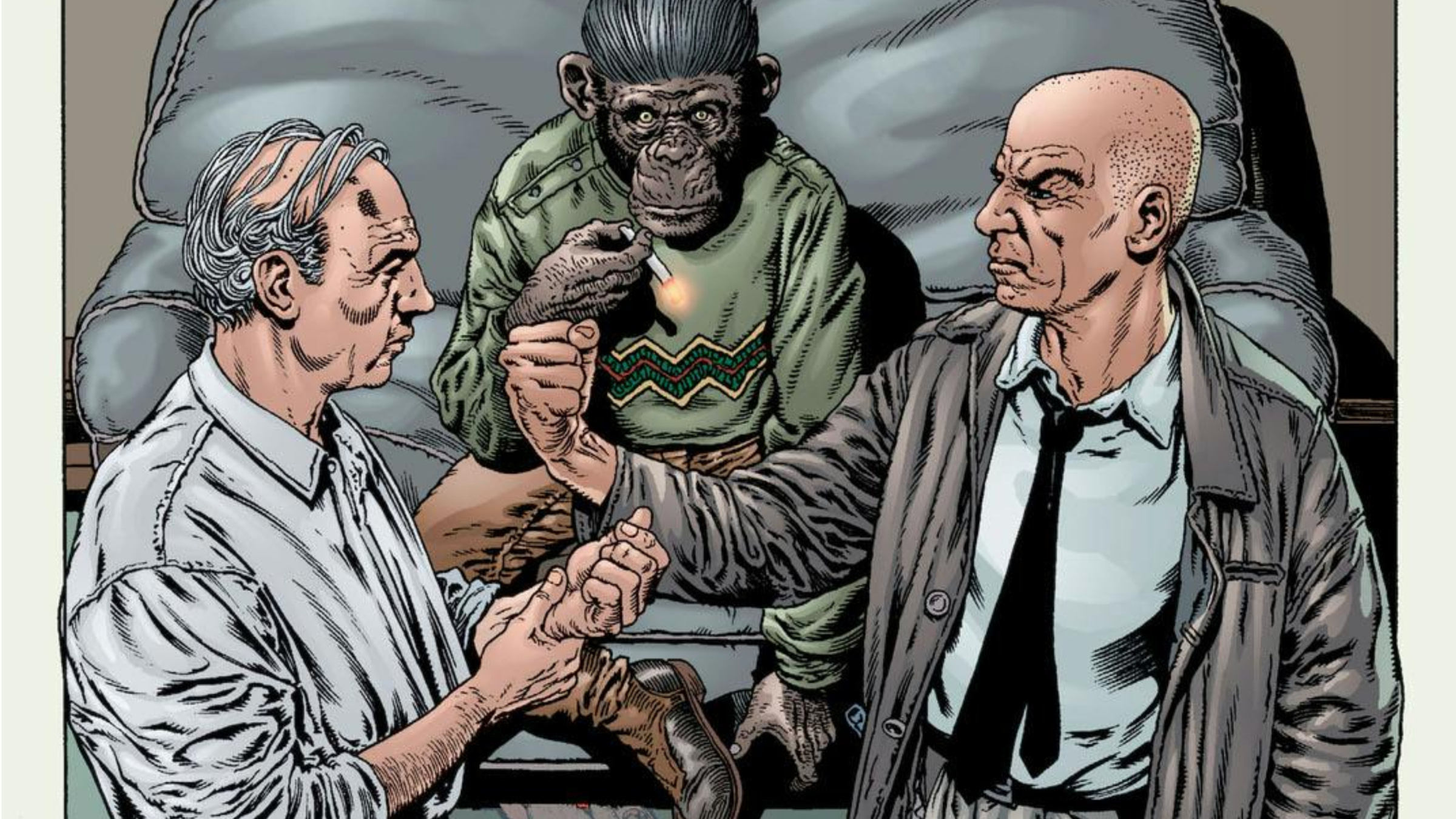
Unlike The Invisibles, The Filth focuses on Greg Feeley, a disturbed man with a cat, who discovers he’s a leader within a powerful, secretive organization called the Hand. The Hand isn’t about revolution; they’re dedicated to maintaining the status quo and serve the interests of those in power. Their goal is to suppress anything extraordinary or challenging, effectively stripping people of their ability to think for themselves and resist control. They function as a hidden police force, working to create a world of unquestioning obedience where progress is stifled in favor of profit and control.
Grant Morrison’s The Filth is completely mind-bending, and artist Chris Weston perfectly captures its hallucinatory vision. The story creates a bizarre world inspired by 1960s British sci-fi, blending cold technology with the bleakness of modern life – a place where irrationality somehow creates order. It explores a broken vision of the human mind, treated like a resource to suppress ambition. There’s even a gateway to fictional worlds, used to manipulate reality. Beyond the setting, the story is filled with unforgettable characters, including a talking Soviet chimp named Dmitri-9, the untamed Cameron Specter, Hand hero Spartacus Hughes, the corrupt superhero Secret Original, and the exploitative Tex Porneau, among many others.
Grant Morrison and Frank Quitely’s The Filth explores how power structures control society, while also delving into questions of identity in a conformist world. Morrison pushes the story into unsettling territory, challenging readers to consider who we are as a society and delivering a uniquely immersive and thought-provoking experience. This comic, born from the anxieties of the early 2000s, feels remarkably relevant today, showcasing Morrison’s signature imaginative approach to dissecting the realities – and the constructed nature – of our world.
The Filth Is an Indictment of Everything That Has Made Our World Into What It Is
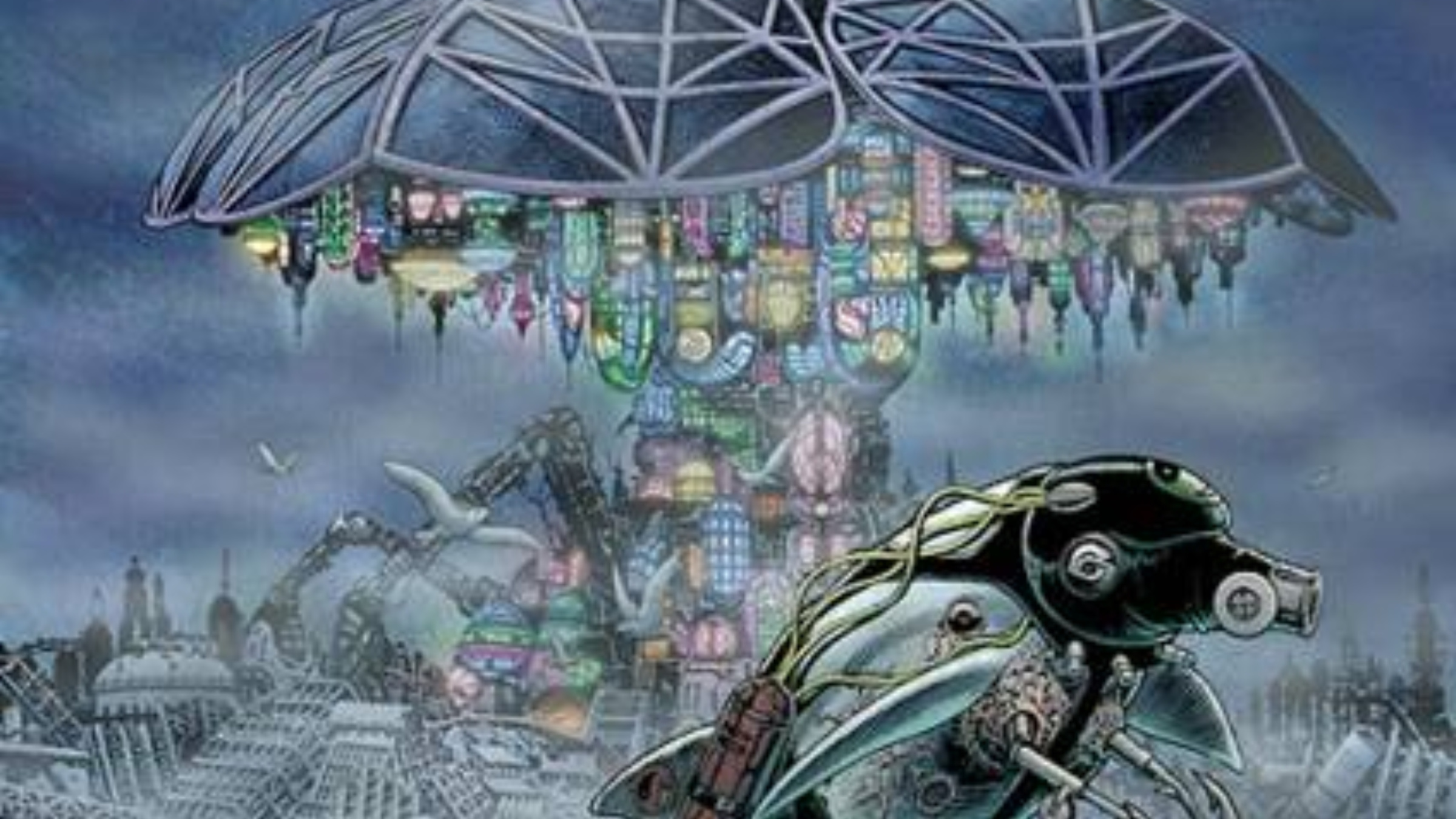
Grant Morrison’s The Filth feels distinctly like a provocative comic from the early 2000s – it’s full of sex, violence, and bizarre imagery, like giant sperm attacking people. However, beneath the shock value, Morrison explores genuinely human themes. The story tackles how society controls people, but ultimately it’s about the resilience of the human spirit and our ability to overcome powerful, negative forces. Despite being a dark and cynical story about exploitation, The Filth offers a surprisingly hopeful message: even when our deepest selves are manipulated, the inherent goodness within us can still prevail.
Grant Morrison created The Filth between 2002 and 2003, while also working at Marvel. At that time, the kind of mature, boundary-pushing comics Morrison helped popularize were becoming more common, and the impact of the Vertigo imprint was waning. Because of this crowded landscape, The Filth didn’t get the attention it deserved, which is unfortunate because it’s considered one of Morrison’s strongest works and feels increasingly relevant over time. Despite being shocking and often unpleasant, The Filth is ultimately a surprisingly hopeful story, and its deep humanity is what makes it truly special.
https://comicbook.com/comics/list/10-best-dc-comics-maxiseries-of-all-time-ranked/embed/#
Read More
- 10 Movies That Were Banned in Different Countries For Random Reasons
- Tekken 8 Fans Furious as Tifa Tipped for Street Fighter 6 Instead
- Welcome to Demon School! Iruma-kun season 4 release schedule: When are new episodes on Crunchyroll?
- Gold Rate Forecast
- Nintendo Switch 2 Reportedly Getting Remake of One of the Best PS3 and Xbox 360 Games
- Michael Jackson Biopic’s Record-Breaking Debut Unseats 2026’s Biggest Box Office Hit On U.S. Chart
- See Kaia Gerber & Lewis Pullman’s Vanity Fair Oscars Party Date Night
- Is Bitcoin Really Going to $1,000,000? You Won’t Believe the Predictions!
- All 61 Episodes 90s Cult Classic Sci-Fi TV Show That Was Famously Canceled Twice Were Just Added to Tubi
- Michael Jackson’s Mom Katherine Poses With Colman Domingo in Rare Pic
2026-02-23 18:24