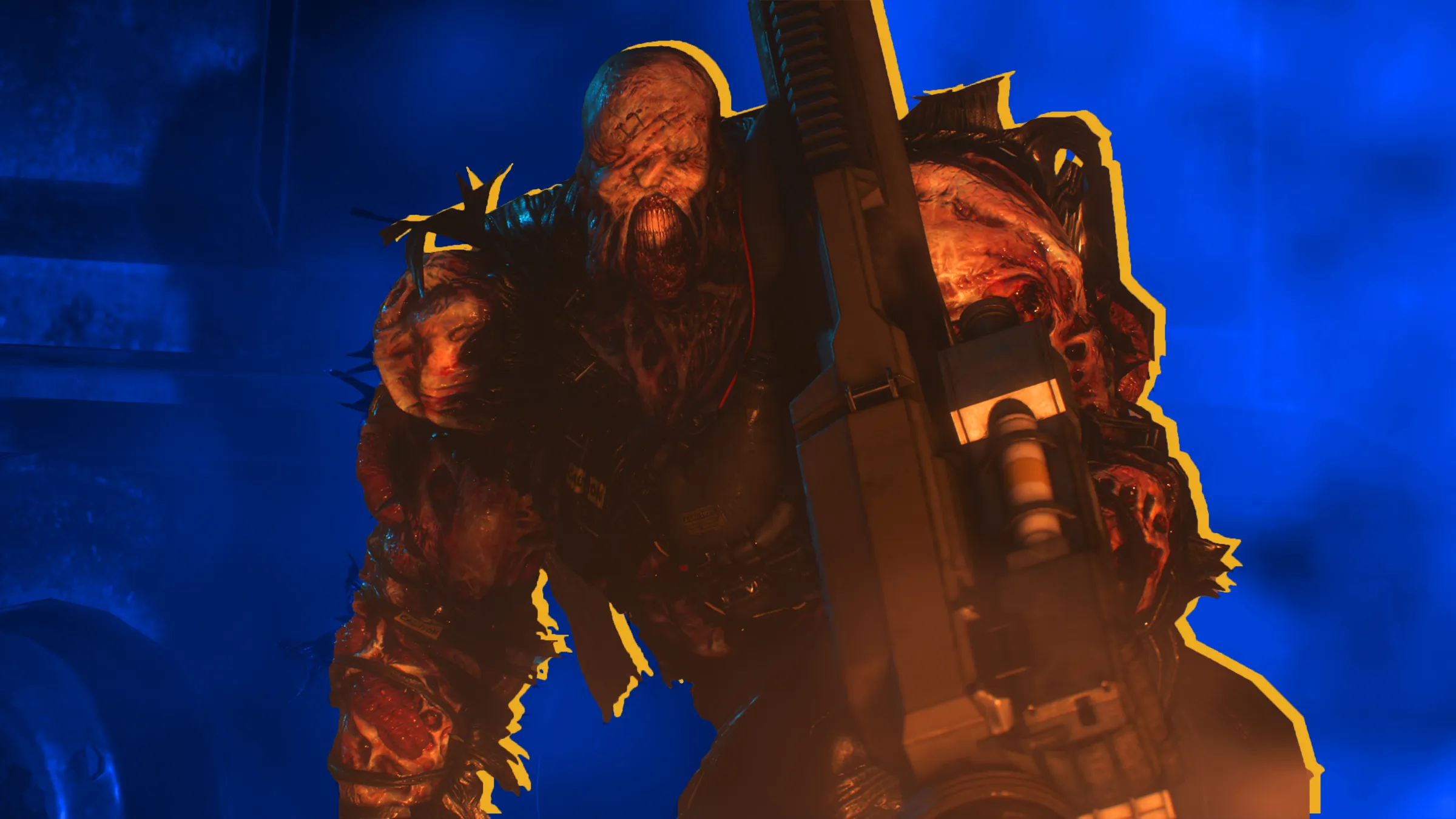
The Resident Evil films are packed with clones – there are a lot of them! While the movies feature even more clones than the games, the games themselves also heavily explore the idea of cloning. Throughout the series, characters – both allies and enemies, and those in between – are often replicated.
This is a quick look at the history of cloning in Resident Evil games. Be careful, though – this article contains major spoilers for many titles in the series, including Resident Evil Requiem.
5) Resident Evil: The Umbrella Chronicles
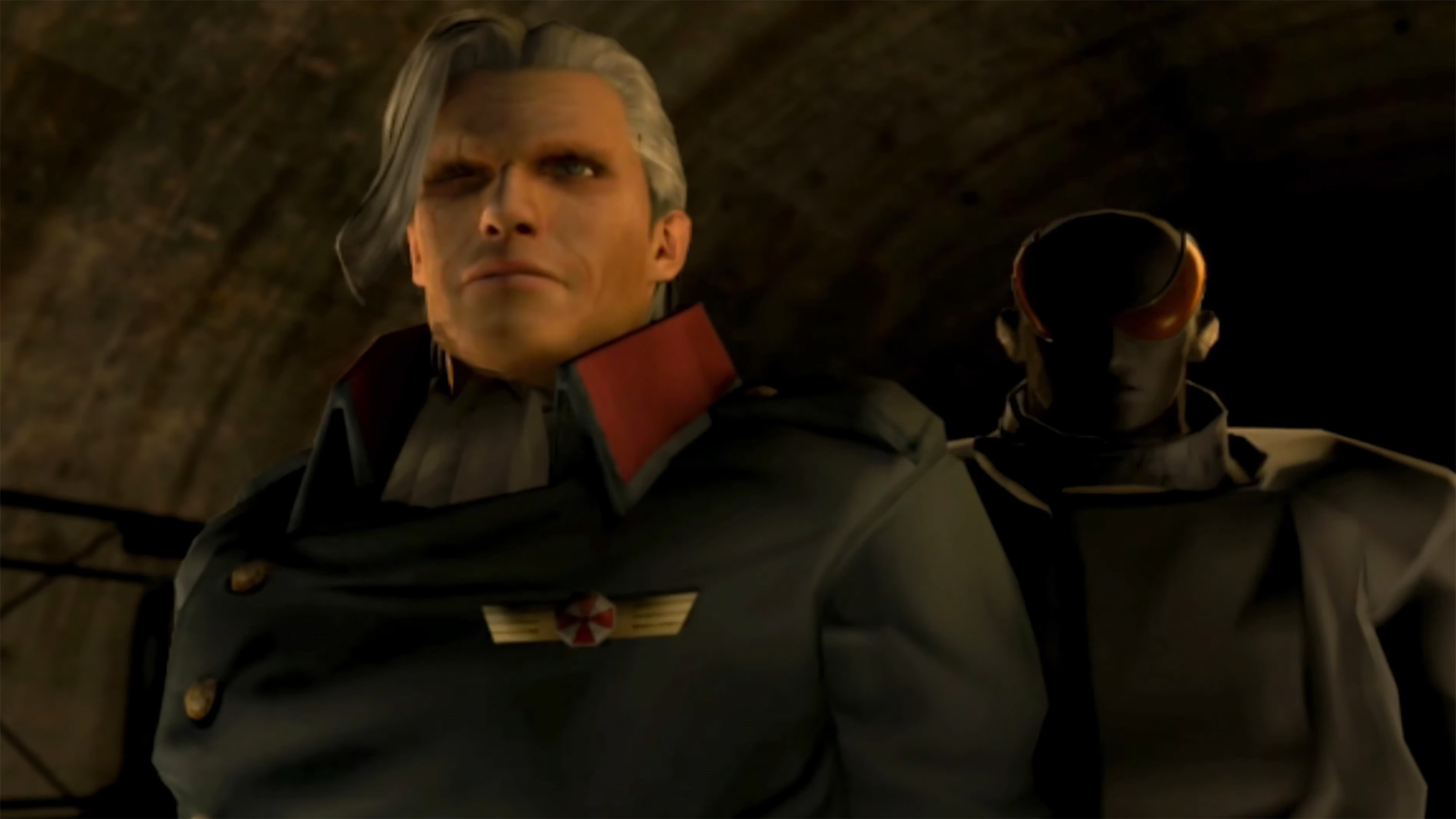
Resident Evil: The Umbrella Chronicles reveals how the Tyrant, the massive bio-weapon featured in the series, came to be. The game shows that Sergei Vladimir, who later became a leader at the Umbrella Corporation, was involved in a Soviet cloning project that created ten copies of himself. He then sold these clones to Umbrella because he was uniquely suited for their Tyrant experiments. His physically imposing stature influenced the design of later Tyrants, and even his outfit – a long leather trench coat – is similar to the iconic Mr. X from Resident Evil 2.
4) Tyrants (and Hunters)
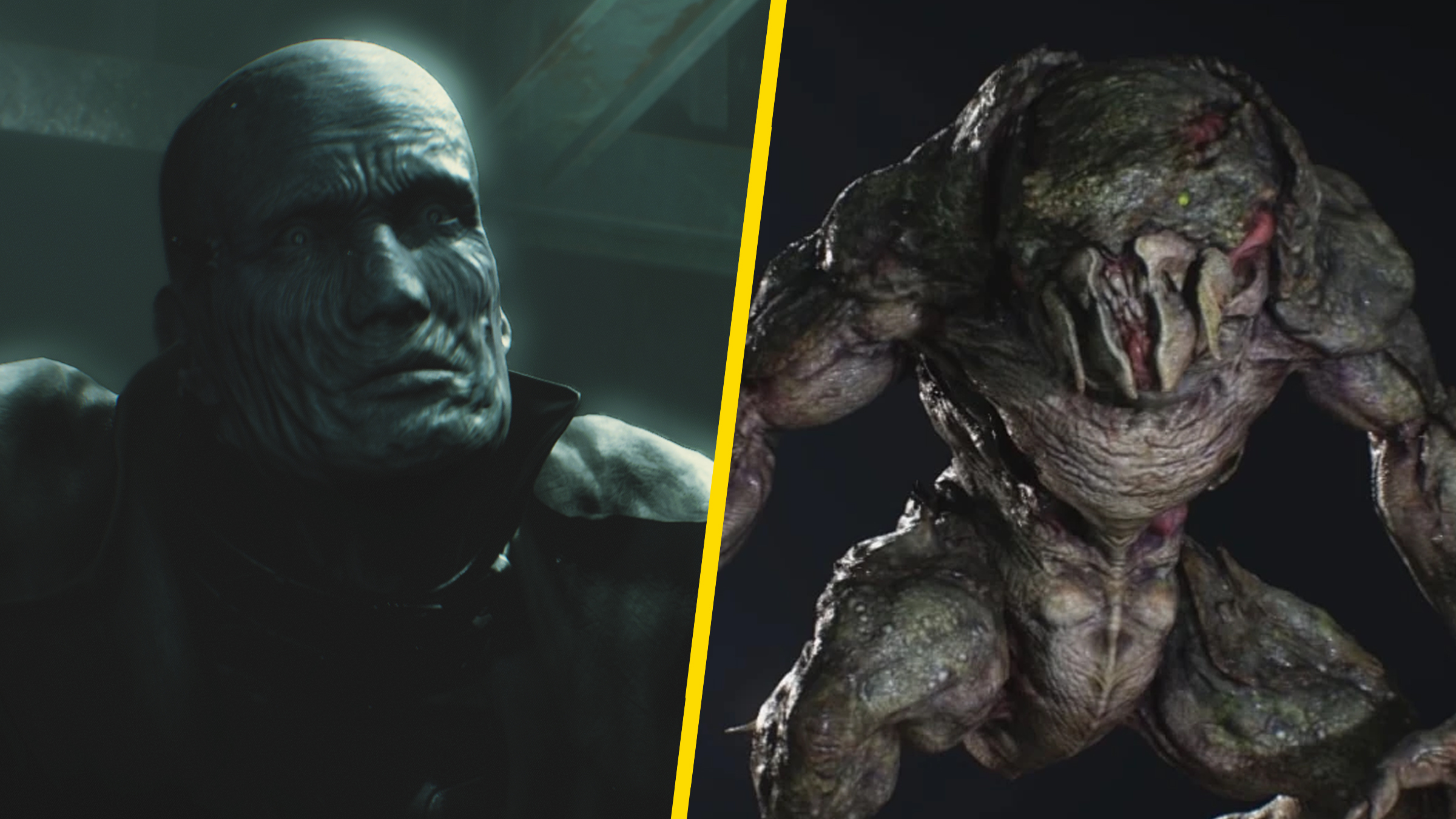
The origins of the Tyrants aren’t just linked to Sergei’s clones; many Tyrants are clones themselves. Research stemming from the original T-002 Tyrant (from the first Resident Evil) led to the creation of subsequent Tyrants, including Mr. X (part of the T-103 series in Resident Evil 2), Tyrant R (featured in Resident Evil Outbreak: File 2 and The Umbrella Chronicles), Thanatos (Resident Evil Outbreak), T-078 (Resident Evil: Code Veronica), T-091 (Resident Evil: Dead Aim), the Ivan bodyguards (The Umbrella Chronicles), and Tyrant C (Resident Evil Outbreak: File 2). Even Nemesis, the relentless pursuer from Resident Evil 3, was created through this process – he was formed by successfully combining a T-103 clone with a NE-α parasite.
Throughout the series, Hunters – the creatures that walk on two legs and resemble reptiles – were mass-produced using cloning. The process of combining human and reptile DNA with the T-virus was difficult for the test subjects. But once scientists found a stable and successful specimen, they cloned it repeatedly to create a large number of Hunters.
3) Resident Evil: Code Veronica
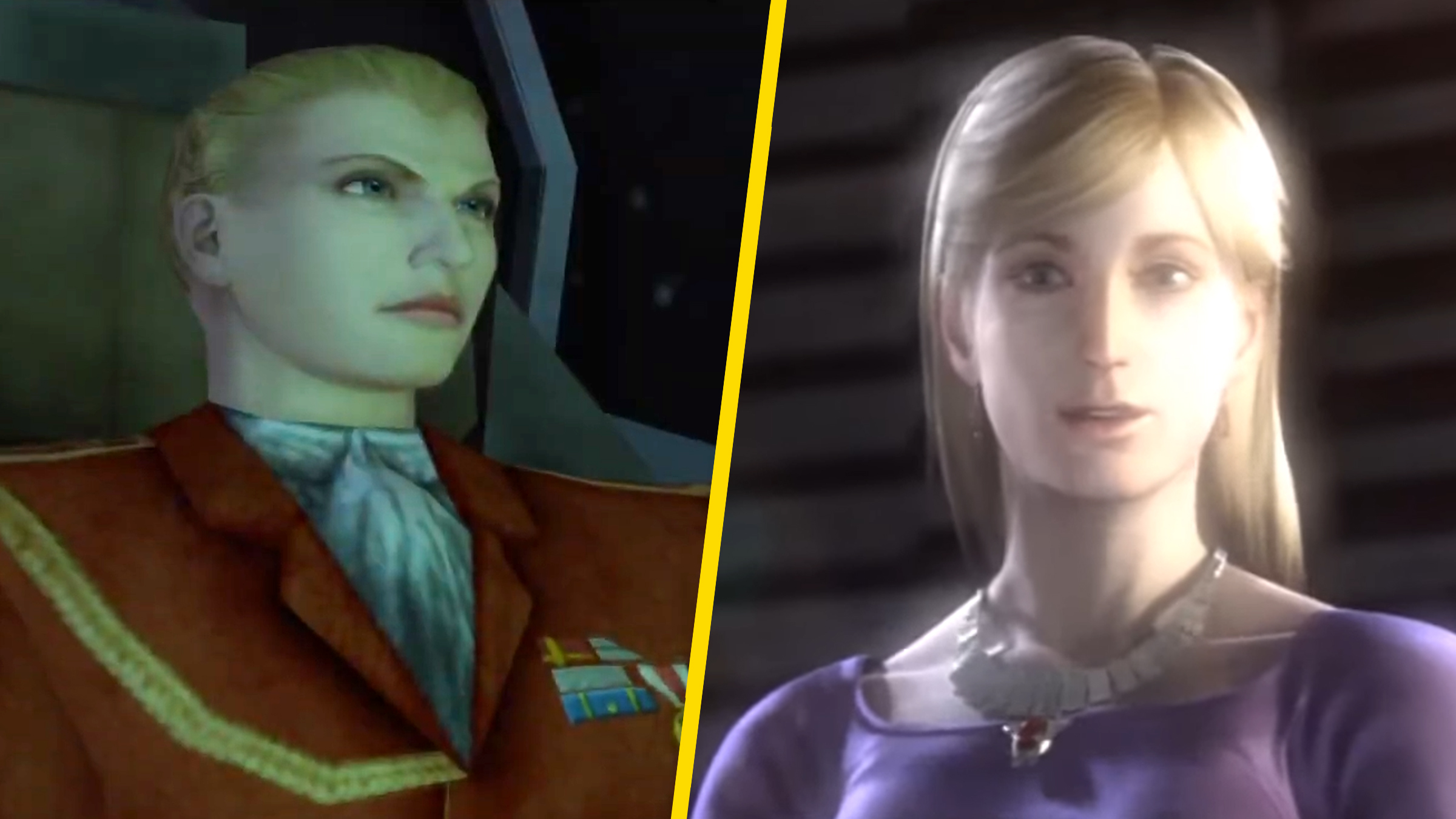
Alfred and Alexia Ashford are clones created by their father, Dr. Alexander Ashford, and all three are central figures in the game Resident Evil: Code Veronica. They were created as part of Project Code: Veronica, which aimed to produce an heir to continue the Ashford family’s legacy – founded by the brilliant Veronica Ashford – and prevent Oswell Spencer from gaining complete control of the Umbrella Corporation should Alexander die.
The plan was to create just one perfect copy of Veronica, named Alexia. However, the fertilized egg divided, resulting in the birth of a twin brother, Alfred. While Alexia inherited Veronica’s intelligence, Alfred did not fare as well. Discovering their origins and feeling inferior to Alexia, Alfred kidnapped Alexander and imprisoned him. He then injected Alexander with the t-Veronica virus, transforming him into Nosferatu, a powerful enemy in the game.
2) Resident Evil 6
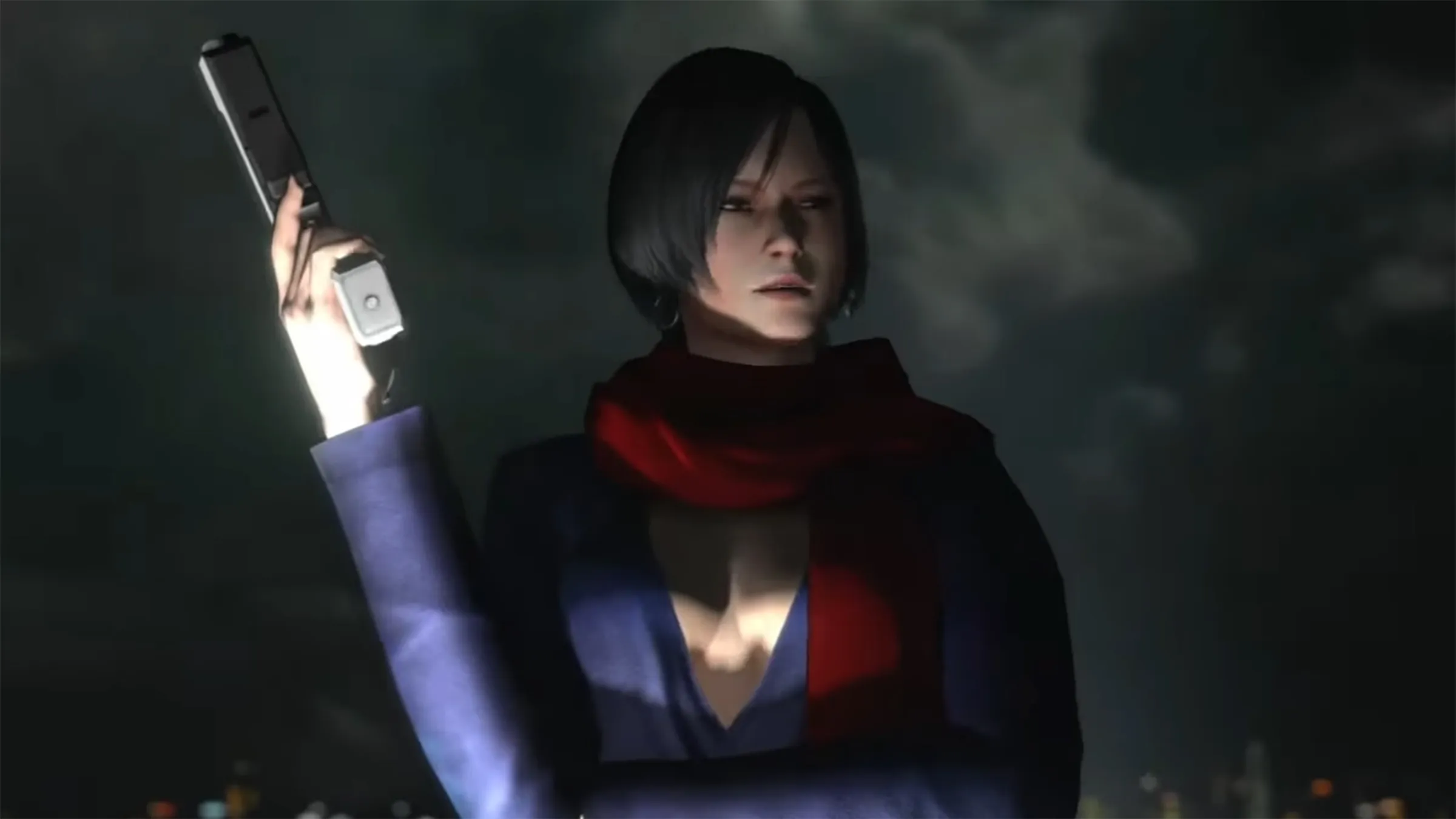
A major plot point in Resident Evil 6 revolves around cloning. Carla Radames, a villain in the game, is essentially a copy of the character Ada Wong. She was created by Derek Simmons, another villain, who became fixated on replicating Ada using the C-virus. He experimented on over 12,000 people in his attempt to achieve this.
Radames, wanting to gain Simmons’ approval, experimented on herself and successfully transformed into Ada – a process players can see on a recorded video showing her emerging from a cocoon. This new Ada looks so much like the original that other characters mistakenly believe she’s the one causing all the problems. Ada eventually defeats this copy during her storyline. Meanwhile, Carla insists she is the real Ada, even as she deteriorates into a less human form. Players can tell them apart by their clothing: the true Ada wears a red shirt, while the copy, who calls herself Carla, wears a blue dress.
1) Resident Evil Requiem
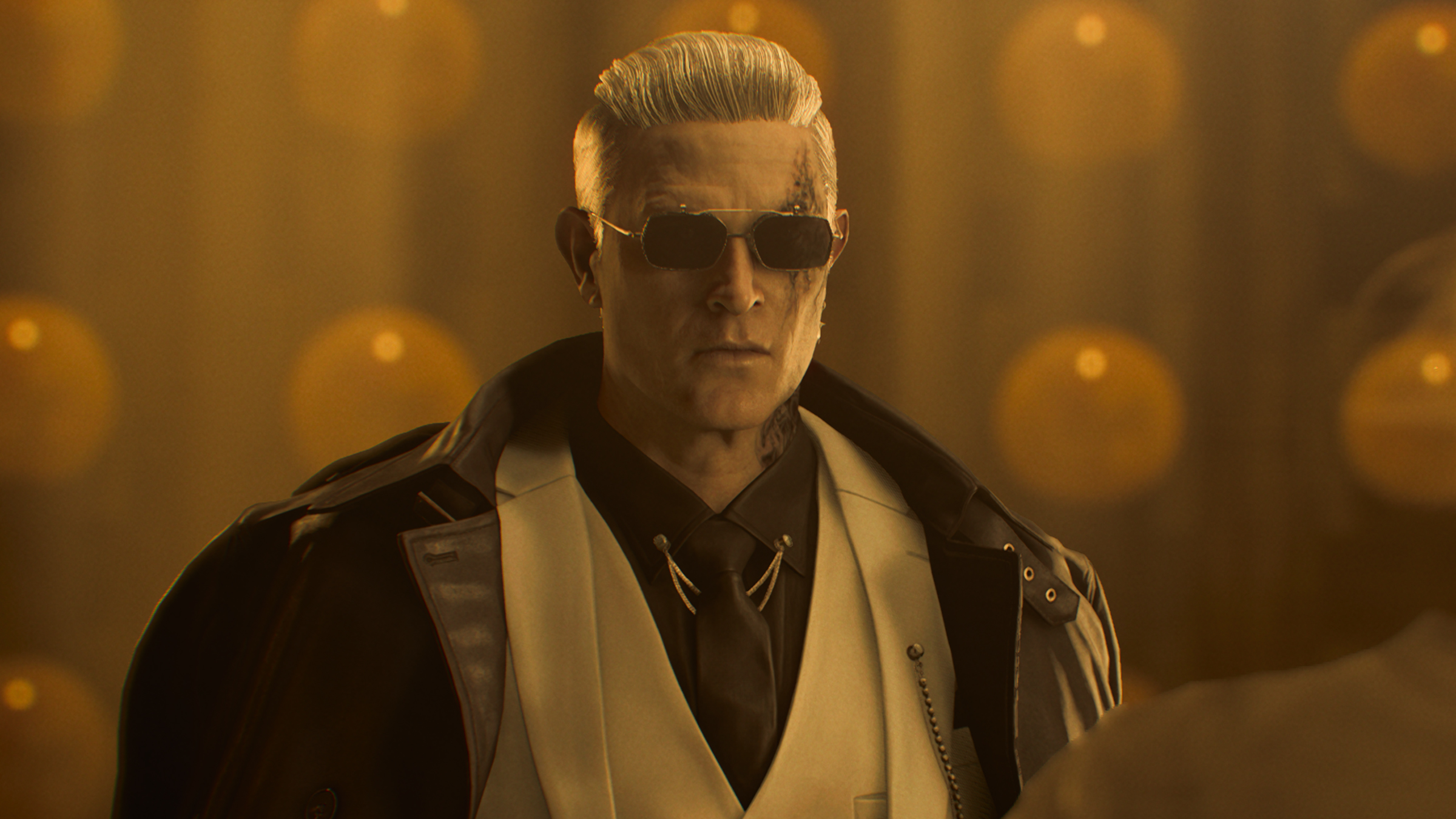
In Resident Evil Requiem, cloning plays a peculiar role. The unsettling children at the orphanage are all imperfect copies of Grace, a main character. They were created as part of an attempt to replicate Grace and unlock the Elpis code – a complex puzzle and potential weapon left behind by Oswell Spencer of the Umbrella Corporation.
Zeno, a charismatic character introduced recently, is strongly hinted to be a clone of Albert Wesker, a villain from previous games in the series. While the story doesn’t directly confirm this, several clues suggest he isn’t a normal human. Like Wesker, Zeno can quickly teleport short distances to avoid attacks. The main villain, Victor, even calls Zeno an “imitation,” and Leon refers to him as a “ghost.” Interestingly, the same actor, Craig Burnatowski, voices both Wesker in the Resident Evil 4 remake and Zeno in Requiem, which adds to the connection. This mystery might be fully explained in future downloadable content or another installment of the series.
What do you think? Leave a comment below and join the conversation now in the ComicBook Forum!
Read More
- Marvel Officially Confirms Deadpool’s Most Brutal Redesign
- Nintendo Switch 2 Reportedly Getting Remake of One of the Best PS3 and Xbox 360 Games
- Crunchyroll Confirms New Isekai Anime Releases for 2026 and Beyond (With Major Returns)
- The Boys Season 5, Episode 5 Ending Explained: Why Homelander Does THAT
- 10 Movies That Were Banned in Different Countries For Random Reasons
- All 61 Episodes 90s Cult Classic Sci-Fi TV Show That Was Famously Canceled Twice Were Just Added to Tubi
- The Boys Season 5, Episode 2’s Soldier Boy Ending Twist Changes Everything for Homelander & Butcher
- Invincible Creators Offer Promising Update on Season 5 Release Date
- 9 Great Supernatural Characters Everyone Forgot About
- Welcome to Demon School! Iruma-kun season 4 release schedule: When are new episodes on Crunchyroll?
2026-03-02 00:43