A minor settings mismatch in Aave’s pricing system briefly made a popular token look cheaper than it actually was, and that was enough to wipe out $26 million in user positions.
The affected token was Wrapped stETH (wstETH), a yield-bearing asset commonly used as collateral on the Aave lending platform. One might call it the “gold standard” of crypto, if gold ever forgot its own value during a caffeine crash.
How a Pricing Glitch Triggered Millions in Forced Sells
Aave, like most lending protocols, relies on price feeds to determine whether a borrower’s collateral is sufficient to cover their loans. A noble pursuit, akin to asking a drunkard if he’s sober enough to drive.
When collateral’s value declines, the protocol automatically liquidates positions to protect lenders. In this case, the collateral didn’t actually drop. Aave’s system just thought it did. A classic case of “I’m not paranoid, the market is out to get me.”
The protocol uses a safety mechanism called CAPO, short for Capped Asset Price Oracle, to guard against sudden, artificial price spikes that could be exploited by bad actors. A system so confident in its own wisdom, it probably triple-checks the weather before recommending an umbrella.
CAPO essentially sets a ceiling on how fast an asset’s price can rise, using two internal settings that must stay in sync. Those two settings fell out of alignment. One was updated partially due to a built-in speed limit. The other advanced as if the full update had gone through. A dance of numbers more tragic than a love triangle at a math conference.
9/ The problem: that value couldn’t be submitted. The contract would have rejected it because the correct snapshot value grew more than 3% above the February 2024 stale value.
– Omer Goldberg (@omeragoldberg) March 10, 2026
The gap between them caused Aave to calculate a wstETH price roughly 2.85% below its fair value. For most users, a 2.85% gap would mean nothing. However, for those with highly leveraged positions, where borrowing is stretched close to the collateral limit, it was enough to push their accounts into liquidation territory. A cruel joke served with a side of existential dread.
What Happened to the Liquidated Users
Across 34 accounts, roughly 10,938 wstETH was automatically sold off to cover loans that, under normal pricing, would have been perfectly healthy. Third-party bots, ever the opportunists, swooped in like vultures with calculators and captured around 499 ETH in profits. Capitalism, at its finest.
Aave itself did not lose money. No loans went unrepaid, and the protocol’s reserves were not touched. A rare moment of fiscal restraint in a world of crypto chaos.
“There was no impact to the Aave Protocol,” assured Stani Kulechov, the founder and CEO of Aave. A statement so serene, it could calm a hurricane-if hurricanes cared about loan-to-value ratios.
However, the users who were liquidated did suffer real losses, and Aave is now working to make them whole. The protocol clawed back 141.5 ETH through a mechanism called BuilderNet refunds, plus another 13 ETH in fees. Those recovered funds will go directly to affected users. Aave confirmed that any remaining gap, capped at 345 ETH, will be covered by the DAO treasury, which is funded by protocol revenue. A gesture as generous as a single olive at a banquet.
Community member Frida raised a sharper question in the public forum thread, asking whether Chaos Labs, the risk firm that manages Aave’s oracle configurations, should share financial responsibility:
“Does Chaos Labs carry any responsibility for what happened? Will there be a separate proposal on how to make borrowers whole that will show CL playing a role in funding it?” Frida posed. A question as pointed as a fork in the road-and twice as divisive.
Aave’s post-mortem stopped short of assigning blame to Chaos Labs, framing the incident as a configuration gap rather than a design flaw. A diplomatic move, assuming one believes in the concept of “harmless oversight.”
It remains unknown whether the risk firm will contribute to compensation, as Aave did not immediately respond to BeInCrypto’s request for comment. However, Chaos Labs’ founder, Omer Goldberg, indicated that every affected user would be reimbursed.
“Every affected user will be fully reimbursed. The Aave DAO SPs are finalizing the reimbursement plan and will publish it shortly,” wrote Omer. A promise as comforting as a clock that hasn’t ticked in years.
Borrow limits on wstETH, which were temporarily frozen during the incident, are set to be restored to previous levels on both affected Aave markets. A thawing of trust, perhaps?
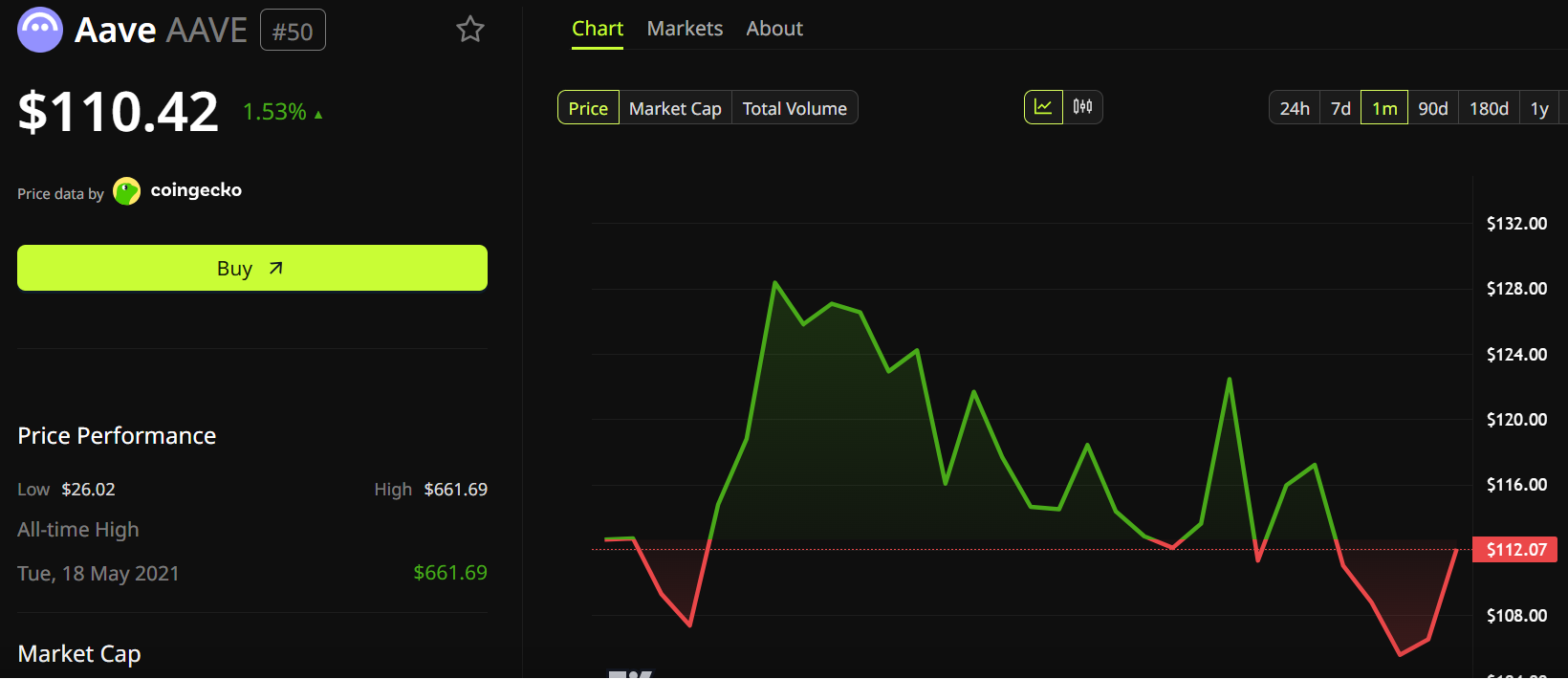
AAVE traded up 1.53% to $110.52 following the post-mortem’s release, suggesting the market viewed the response as adequate damage control. Or perhaps investors simply forgot to panic. The mystery deepens.
Read More
- FRONT MISSION 3: Remake coming to PS5, Xbox Series, PS4, Xbox One, and PC on January 30, 2026
- Taylor Sheridan’s Gritty 5-Part Crime Show Reveals New Final Season Villain
- The Boys Season 5, Episode 5 Ending Explained: Why Homelander Does THAT
- Mark Zuckerberg & Wife Priscilla Chan Make Surprise Debut at Met Gala
- Invincible Season 4 Episode 4 Post-Credits Unveils a Demonic Return & More
- From season 4 release schedule: When is episode 2 out on MGM+?
- Anna Wintour Reacts to Rumors She Approves All Met Gala Looks
- Welcome to Demon School! Iruma-kun season 4 release schedule: When are new episodes on Crunchyroll?
- Ashley’s Powers in The Boys Season 5 Explained & Why They Don’t Work On [SPOILER]
- Why There’s No Ghosts Tonight (Nov 27) & When Season 5, Episode 7 Releases
2026-03-11 09:04