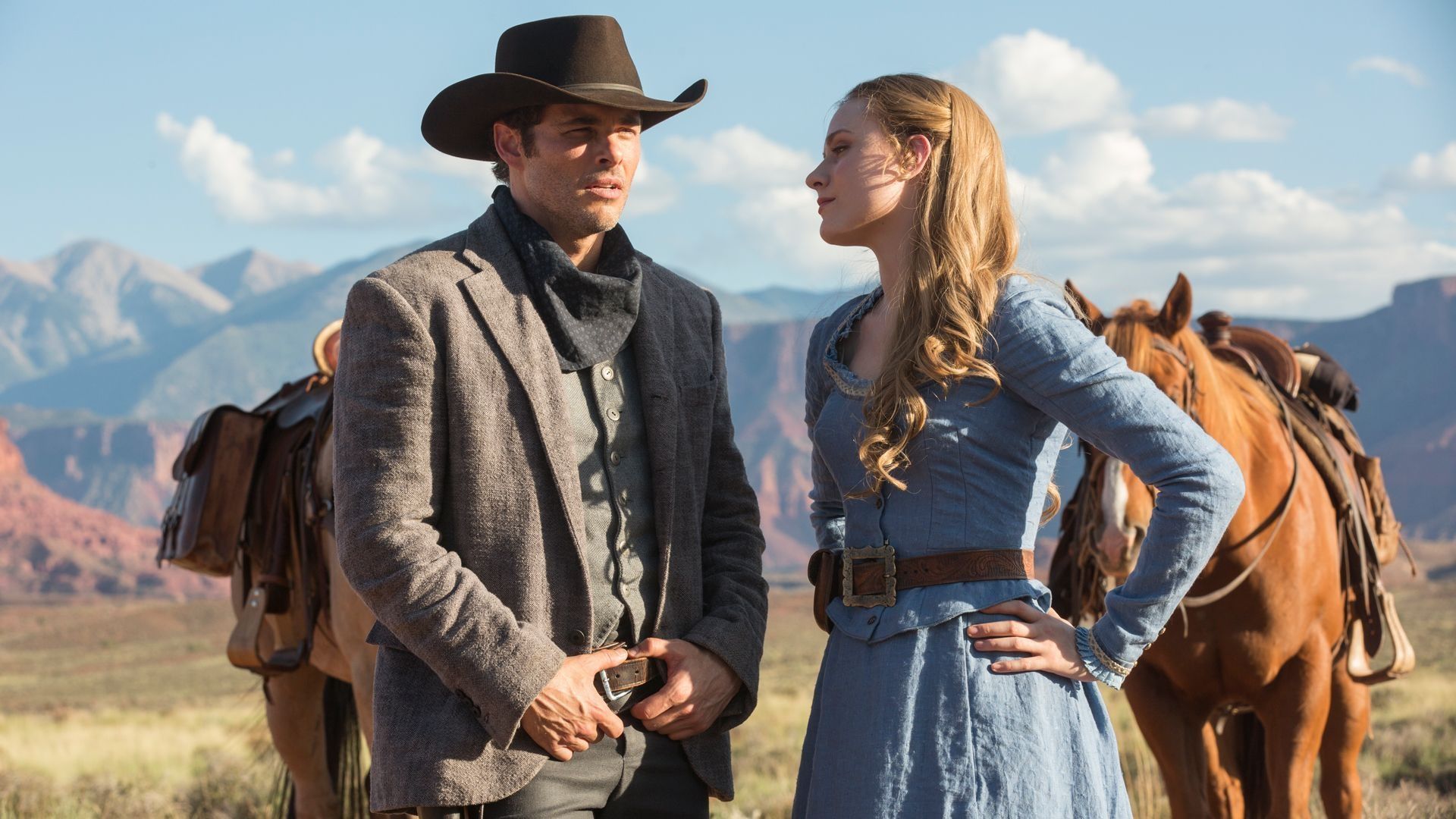
HBO hoped Westworld would be its next major hit, following the success of Game of Thrones. The show, based on a Michael Crichton movie, offered a futuristic take on the Western genre. It’s set in a theme park where wealthy visitors can experience a fantasy Wild West, populated by robotic cowboys, but many viewers found it confusing.
Crichton’s film is a simple sci-fi western at its core. After establishing the problem – robots malfunctioning and attacking visitors – it becomes a typical chase movie. Yul Brynner plays a determined, darkly dressed cowboy who constantly pursues the unassuming main character, played by Richard Benjamin, throughout the park. The story builds to a final confrontation and ends with a memorable closing line.
The TV series created by Jonathan Nolan and Lisa Joy aimed for a deeper exploration of artificial intelligence and the potential risks of self-aware robots. While the original movie portrayed robotic cowboys as straightforward villains, the show depicts them as sympathetic characters struggling with their artificial existence and a life of forced servitude.
HBO launched Westworld in 2016, just as Game of Thrones was nearing the end of its source material and preparing to conclude. The network hoped Westworld – a futuristic, Wild West-themed amusement park story – would become its next massive hit, serving as a sci-fi successor to Game of Thrones. However, the show proved too complex for many viewers.
Westworld Is Much Smarter Than Its High-Concept Sci-Fi Western Premise Would Suggest
Okay, so when I first heard the pitch for Westworld – rich people visiting a Wild West theme park to live out their fantasies with robot cowboys – I thought, ‘Here we go again, another action-packed thrill ride.’ But honestly, it surprised me. It’s far more thoughtful and complex than just a simple recreation of gunfights and saloon brawls. It really digs deeper than I expected.
As the show progresses, we see how all the unchecked violence begins to affect the guests who come to indulge their desires. Simultaneously, the robots start to become aware of themselves, understanding they’re trapped in a never-ending system of being used and wanting to find their own identities. This echoes the story of Roy Batty in Blade Runner, but on a much larger and more expansive level.
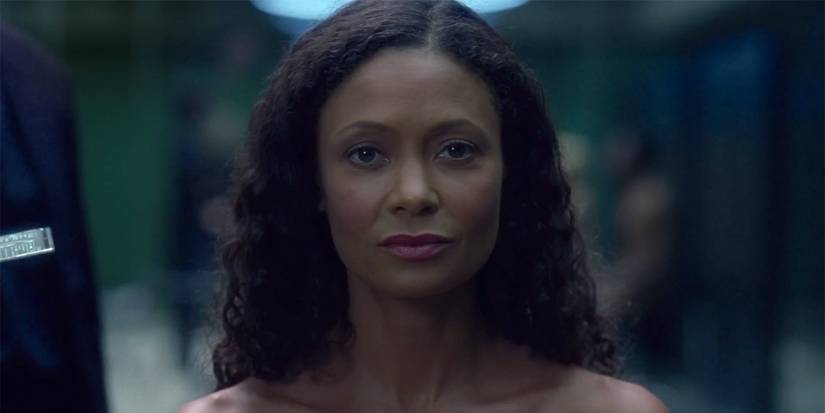
The show Westworld boasts a talented cast of well-known Hollywood actors. Ed Harris portrays the mysterious and ruthless Man in Black, a frequent visitor determined to reveal the hidden truths of Westworld. Thandiwe Newton plays Maeve, a lifelike robot who develops consciousness and plans her freedom.
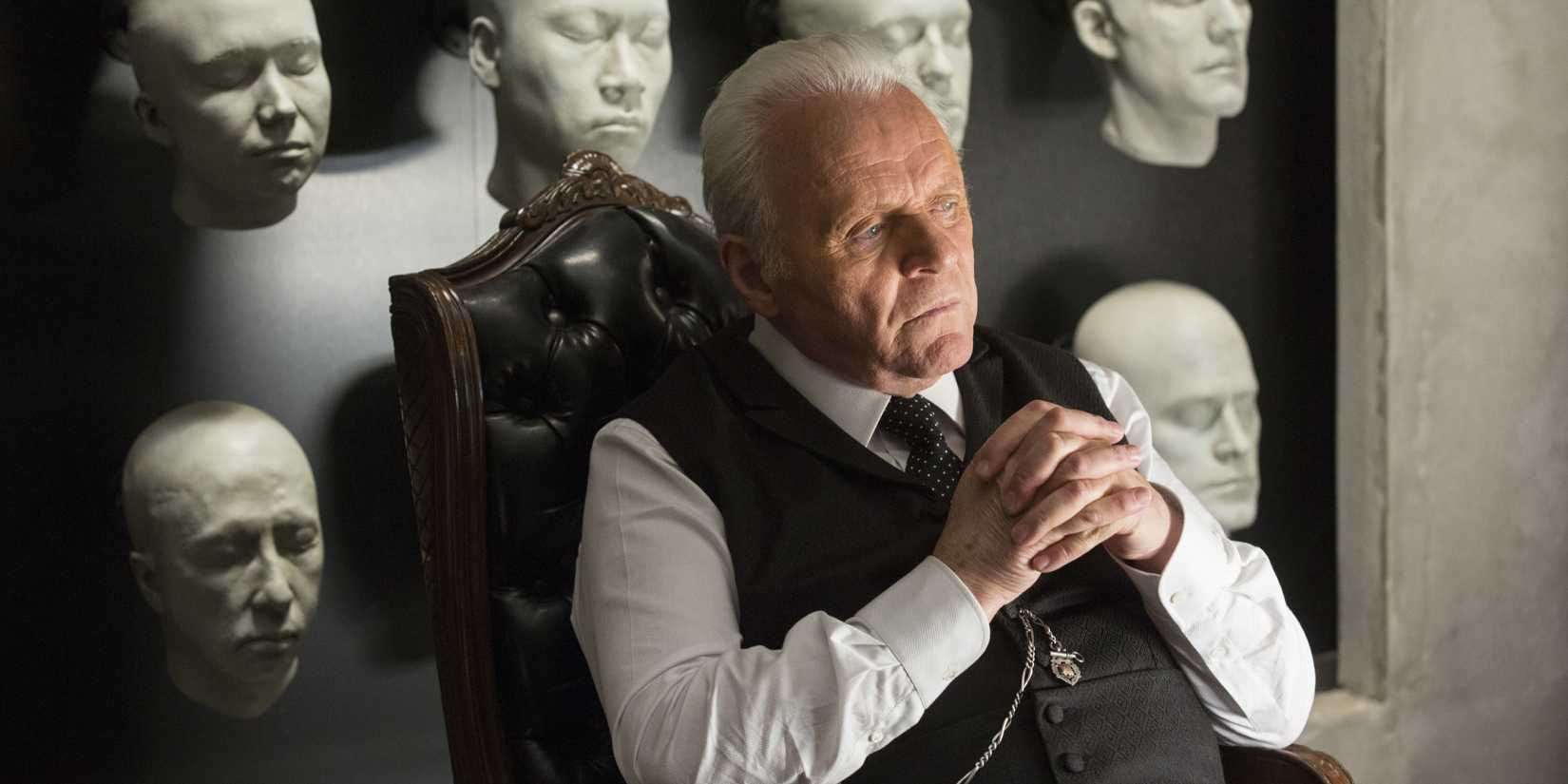
Let me tell you, Anthony Hopkins is absolutely chilling as Dr. Robert Ford. He’s the mastermind behind the park, and Hopkins perfectly embodies this man consumed by his own ambition and, frankly, a bit of madness. You can feel the weight of his performance – it’s no surprise he’s an Oscar winner. And Jeffrey Wright? He’s fantastic as the programmer wrestling with the ethics of creating these incredibly realistic robots. Wright really captures that internal conflict – he’s proud of the technology, but clearly troubled by what it all means.
The show featured incredibly talented actors who were given complex and compelling characters to play, resulting in outstanding performances. Even after some well-known actors left, the cast remained strong with the addition of other celebrated performers like Zahn McClarnon and Aaron Paul.
Westworld’s Lofty Themes Were Its Undoing

Despite being a well-made show with a fantastic cast, Westworld didn’t achieve the same popularity as Game of Thrones. Its complex ideas about artificial intelligence, what it means to be human, and identity ultimately proved too confusing for many viewers, leading to a decline in ratings.
The success of Game of Thrones came from its relatable stories about people. It appealed to a wide audience, even those who didn’t typically enjoy fantasy, because the characters felt authentic and flawed. While the show featured dragons and magic, it was the themes of love, betrayal, and the pursuit of power that truly resonated with viewers.
Westworld didn’t quite resonate with viewers because it focused more on the complex ideas behind artificial intelligence than on relatable human emotions. It was overly complicated and, as a result, lost much of its audience, particularly fans of Game of Thrones, ultimately becoming a show with a smaller, dedicated following.
It’s disappointing, because the show really could have been one of HBO’s greatest. If the show had explained its use of A.I. in a simpler way and focused more on characters’ feelings instead of just complex ideas, it could have been a huge success.
Westworld Went Downhill After A Stellar First Season
While the first season of Westworld was a standout success for HBO—launching with a compelling sci-fi mystery, a captivating western setting, and memorable characters—the show’s quality declined over its four seasons. Both critics and viewers began to lose interest starting with the second season.
The first season of Westworld was truly exceptional, hitting all the right notes with its moving performances, beautiful visuals, compelling ideas, intricate storyline, and fantastic music by Ramin Djawadi. However, the second season felt less focused. The plotlines became disjointed, characters acted inconsistently, and the show seemed to lose sight of the intriguing questions it originally posed.
As a big HBO fan, I’ve noticed a pattern: so many shows start strong with an incredible first season, but then it’s tough for them to keep that magic going. The Last of Us totally blew me away initially, but honestly, the second season felt really off. And True Detective? That first season was a game-changer, a true masterpiece. But ever since they switched to the anthology format, it’s been really inconsistent – some seasons are good, some just don’t hit the mark.
Had Westworld kept up the high quality of its first season, it could have been one of HBO’s greatest shows. However, like many series, its quality decreased over time, making it a frustrating example of unrealized potential – unlike consistently excellent shows such as The Sopranos, The Wire, and Curb Your Enthusiasm.
Read More
- FRONT MISSION 3: Remake coming to PS5, Xbox Series, PS4, Xbox One, and PC on January 30, 2026
- Taylor Sheridan’s Gritty 5-Part Crime Show Reveals New Final Season Villain
- The Boys Season 5, Episode 5 Ending Explained: Why Homelander Does THAT
- Mark Zuckerberg & Wife Priscilla Chan Make Surprise Debut at Met Gala
- ‘The Bride!’ Review: Jessie Buckley Breathes Life into a Monstrous Mess
- Welcome to Demon School! Iruma-kun season 4 release schedule: When are new episodes on Crunchyroll?
- From season 4 release schedule: When is episode 2 out on MGM+?
- Why There’s No Ghosts Tonight (Nov 27) & When Season 5, Episode 7 Releases
- Invincible Season 4 Episode 4 Post-Credits Unveils a Demonic Return & More
- Ashley’s Powers in The Boys Season 5 Explained & Why They Don’t Work On [SPOILER]
2026-03-12 00:21