It’s easy to dream about changing the past, isn’t it? I often think about how I might have spent my time differently – maybe less time playing Destiny 2 and more time getting better at fighting games. I also wish I could have convinced companies like EA and Rocksteady to focus on single-player games instead of live-service ones, though I doubt it would have made a difference. Unfortunately, we can’t actually go back and change things.
Game developers who have a popular game, even one released several years ago, have the option of remaking it – a practice that’s become increasingly common in the last ten years. However, this wasn’t always the case.
Historically, many popular video games first appeared in arcades and then were released on home consoles. Often, the console versions featured significantly updated graphics. This was true for classics like Space Invaders from the late 1970s, Ultima 1: Age of Darkness, and even Super Mario All-Stars, which essentially remade the original NES games with improved visuals. As technology advanced, games like the 2002 Resident Evil HD benefited from much larger development budgets.
While this style of game had seen some success previously, it truly took off after the release of the critically acclaimed Resident Evil 2 in 2019. Widely considered one of the best games ever made, it sold millions of copies and was praised by fans for its changes. It even introduced a new generation to the Resident Evil series. This success came at an ideal time for the developer, who was already experiencing a revival thanks to Resident Evil 7: biohazard.
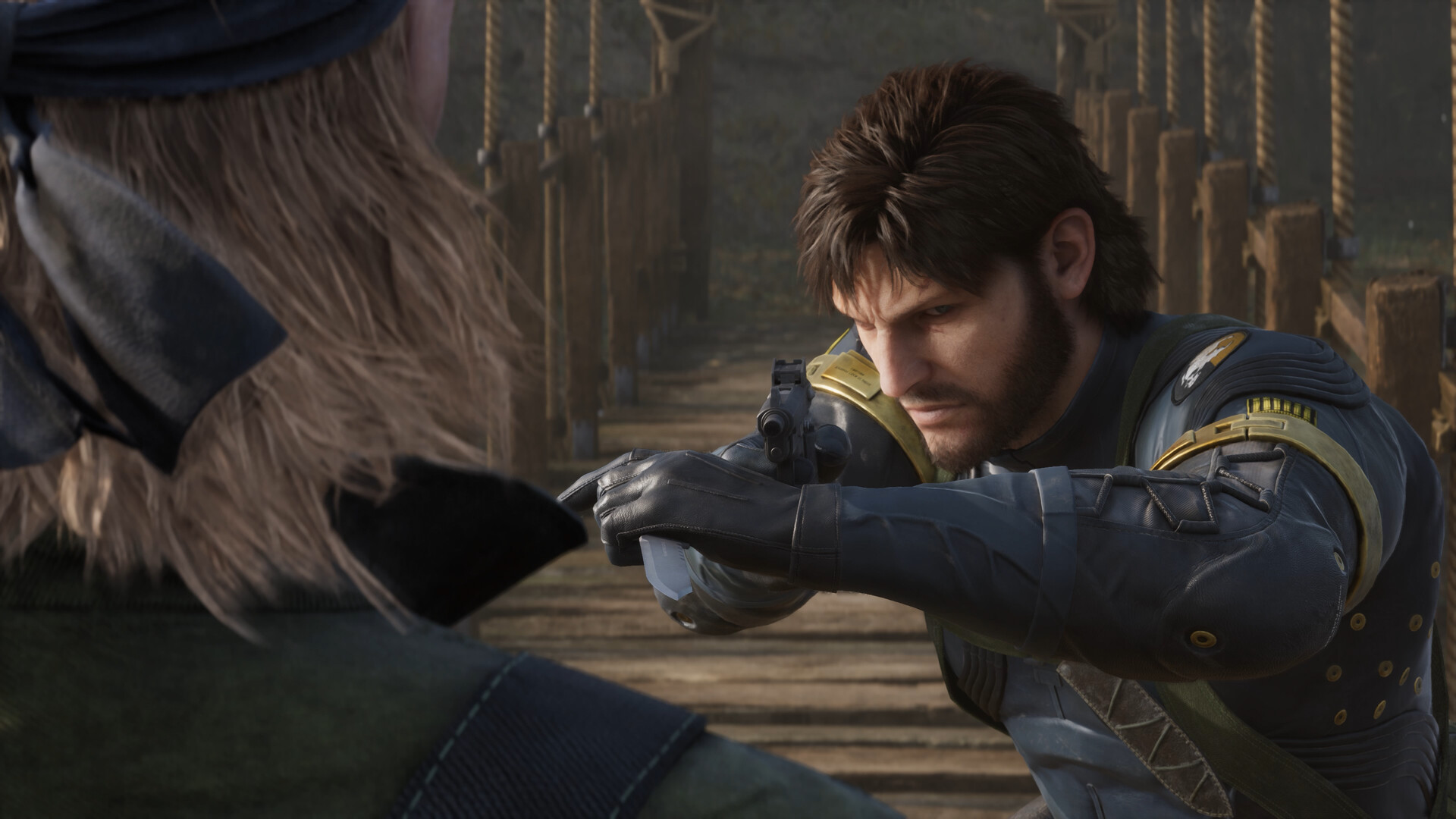
We’ve moved beyond just updating old games for a new audience. Remakes are now a major part of the gaming industry – 2025 saw releases like Metal Gear Solid Delta: Snake Eater, Dragon Quest 1 and 2 HD-2D Remake, Trails in the Sky 1st Chapter, and Yooka-Replaylee. And that’s not counting games that received substantial updates like the Suikoden I and II HD Remaster or Tomb Raider 4-6 Remastered, or full remakes like Silent Hill 2, which finally came out on Xbox Series X/S.
Looking at the games that generated the most buzz and revenue last year – like Ghost of Yōtei, Death Stranding 2: On the Beach, Hades 2, Hollow Knight: Silksong, Monster Hunter Wilds, Kingdom Come: Deliverance 2, Battlefield 6, Mario Kart World, and Silent Hill f – it’s clear that sequels are dominating the industry. This trend is particularly noticeable, and suggests a strong preference for established franchises among players this generation.
Even looking at smaller games, titles like Ender Magnolia, Wizard of Legend 2, and Citizen Sleeper 2 are examples of continuing series. Ninja Gaiden: Ragebound and Shinobi: Art of Vengeance could be seen as fresh starts, but they still build on existing stories and characters. And of course, the biggest game everyone’s waiting for, Grand Theft Auto 6, is another installment in a well-known franchise. There are also numerous sequels in development, such as Code Vein 2, Nioh 3, Mario Tennis Fever, and Resident Evil Requiem, just to name a few.
Look, it’s not like we haven’t seen any fresh stuff. Games like Clair Obscur definitely stand out, and there’s been a bunch of others – Blue Prince, Avowed, ARC Raiders, StarVaders, and Dispatch come to mind. But honestly, the big publishers aren’t taking as many chances as I’d like. Microsoft showed South of Midnight and Keeper, which was cool, but they really pushed the marketing for games like The Outer Worlds 2 way harder. And let’s be real, everyone’s been talking about Halo: Campaign Evolved coming out this year – it’s getting all the attention.
Sony has a huge library of popular game franchises they haven’t explored in a while. Reviving titles like Sly Cooper, Resistance, or Jak and Daxter would feel more like brand new games than direct sequels. Plus, there’s no certainty that these revivals, or sequels like The Last of Us Part 3 and Uncharted 5, would be as commercially successful.
I’m not arguing that sequels, remakes, or reboots are always bad – they can definitely be innovative. For example, Donkey Kong Bananza offers a unique blend of destruction and platforming, something even Mario games haven’t fully explored. Hades 2 builds on what made the first game great, but significantly improves the combat. We’re seeing similar progress with games like Ghost of Yōtei and Death Stranding 2, all of which are pushing the boundaries of their genres and gameplay styles.
Truly original ideas in gaming seem to be rarer these days. One recent example is Naughty Dog’s Intergalactic, which appears to be taking inspiration from games like Elden Ring. While Elden Ring is a new game, it builds on the established style of FromSoftware’s previous titles, such as Dark Souls and Bloodborne. It makes you wonder if we’re seeing so many sequels and familiar games that it’s becoming harder for completely new games to stand out. While games like Clair Obscur, Dispatch, and ARC Raiders have found success, critically praised titles like The Drifter have struggled – it only sold 13,617 copies in its first week.
It’s easy to understand why studios are making so many remakes and sequels. Beyond being well-known properties with built-in fans, these projects are safer investments. Game development is becoming increasingly expensive, and publishers – the companies funding these games – aren’t just looking for a good profit; they want games that will significantly increase their earnings.
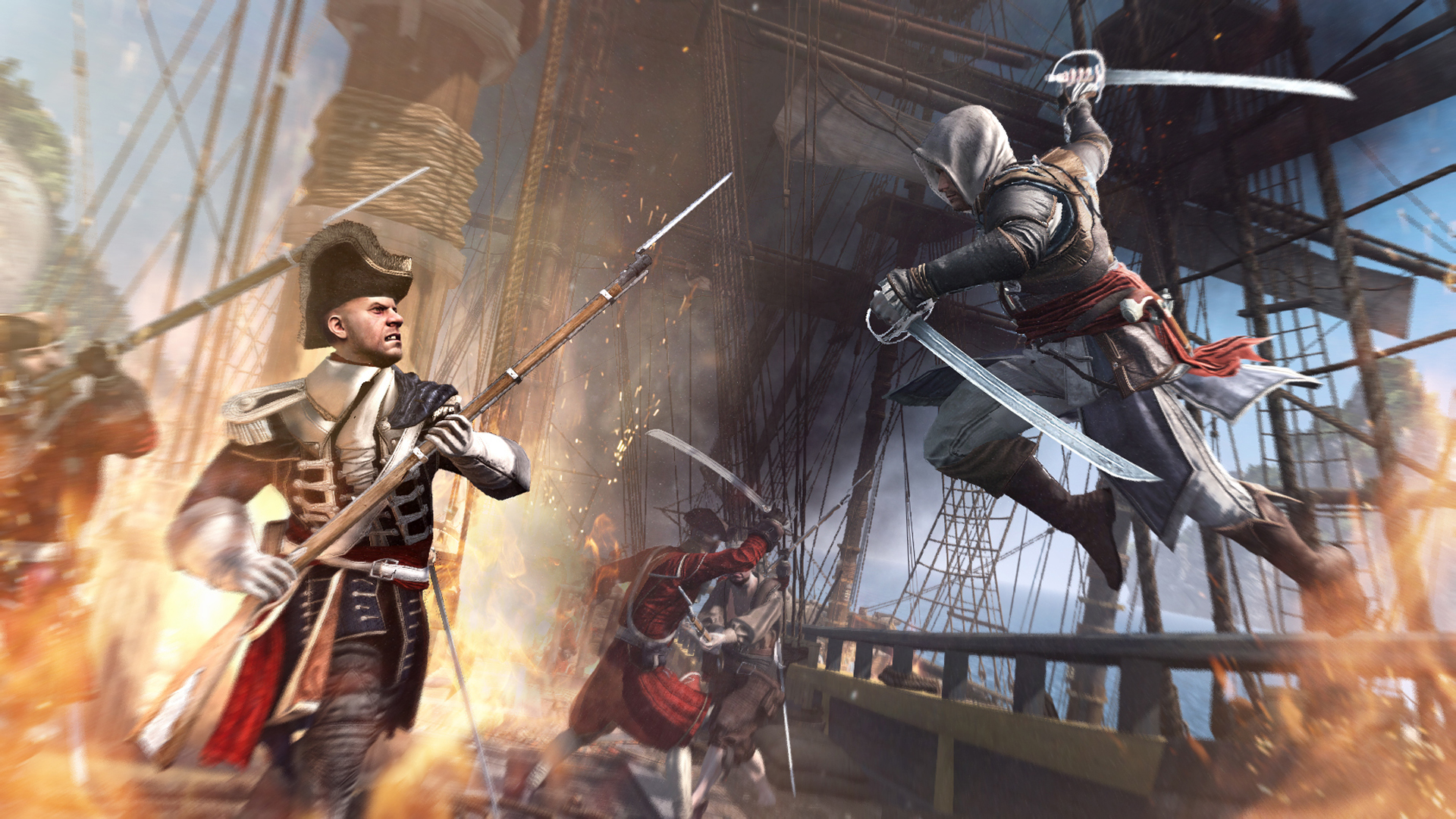
Franchises like Dead Space, Titanfall, and Dragon Age have been put on hold because they weren’t profitable enough for Electronic Arts. While several Assassin’s Creed games are being developed, the company is also working on safer projects like Assassin’s Creed Black Flag Resynced, Splinter Cell Remake, and Prince of Persia: The Sands of Time Remake. These remakes are considered low-risk, and if they are successful like the Resident Evil 2 remake, they could reignite interest in older franchises, leading to even more remakes and potentially new sequels.
The main reason we keep getting sequels, remakes, and updated versions of games is simple: players buy them. With so many games available – from big-budget titles to indie gems and free-to-play options – people often choose to spend their limited time on something they already know and enjoy. That’s understandable, but it could have long-term consequences. For example, would games like Keeper get noticed without the support of Microsoft and Game Pass? Would some developers even still exist if they hadn’t been bought by larger companies, and what happens if their games don’t sell well?
No matter what happens, this trend isn’t likely to stop, particularly if it continues to be successful. We can only hope that something new and creative emerges, no matter who makes it – whether it’s a large or small company, or appeals to a broad or niche audience, as we’ve already witnessed several times this year.
Please keep in mind that the opinions expressed in this article are the author’s own and don’t necessarily reflect the views of GamingBolt.
Read More
- Review: Final Fantasy Tactics: The Ivalice Chronicles (PS5) – Still the Benchmark for Turn-Based Tactics
- Mark Zuckerberg & Wife Priscilla Chan Make Surprise Debut at Met Gala
- Elon Musk’s Mom Maye Musk Shares Her Parenting Philosophy
- 10 Greatest Manga Endings of All Time
- The WONDERfools ending explained: What happened to the Child of Eternity?
- Miranda Kerr Shares “Quick” Procedure She Got Before Met Gala 2026
- Forza Horizon 6 Car List So Far: Confirmed Highlights, Cover Cars, DLC, and Rewards
- The Witcher 3 Officially Reveals Stunning New Ciri Figure Coming 2026
- Nippon Sangoku Is The Best New Post-Apocalyptic Anime of Spring 2026
- The First 10 Members of the Thunderbolts, Ranked by Power
2026-03-16 15:48