
Despite being decades old, many Star Trek episodes are still enjoyable. While some special effects look dated and a few storylines reflect the attitudes of the 1960s, Gene Roddenberry’s hopeful vision of the future remains powerful. The challenges faced by the crews of The Original Series, The Next Generation, Deep Space Nine, and Voyager consistently explore timeless ideas like understanding others and taking responsibility. Some episodes haven’t held up well, but others feel surprisingly modern and could have aired today.
Many Star Trek episodes didn’t just imagine future technology – they also remarkably predicted social problems and global conflicts we now grapple with. Issues like remote warfare, biased historical narratives, systemic inequality, and even police brutality were all explored in Trek before becoming widespread public discussions. These ten episodes aren’t just enjoyable for nostalgic reasons; they’ve become even more relevant and insightful over time.
10) “The Devil in the Dark” (The Original Series)
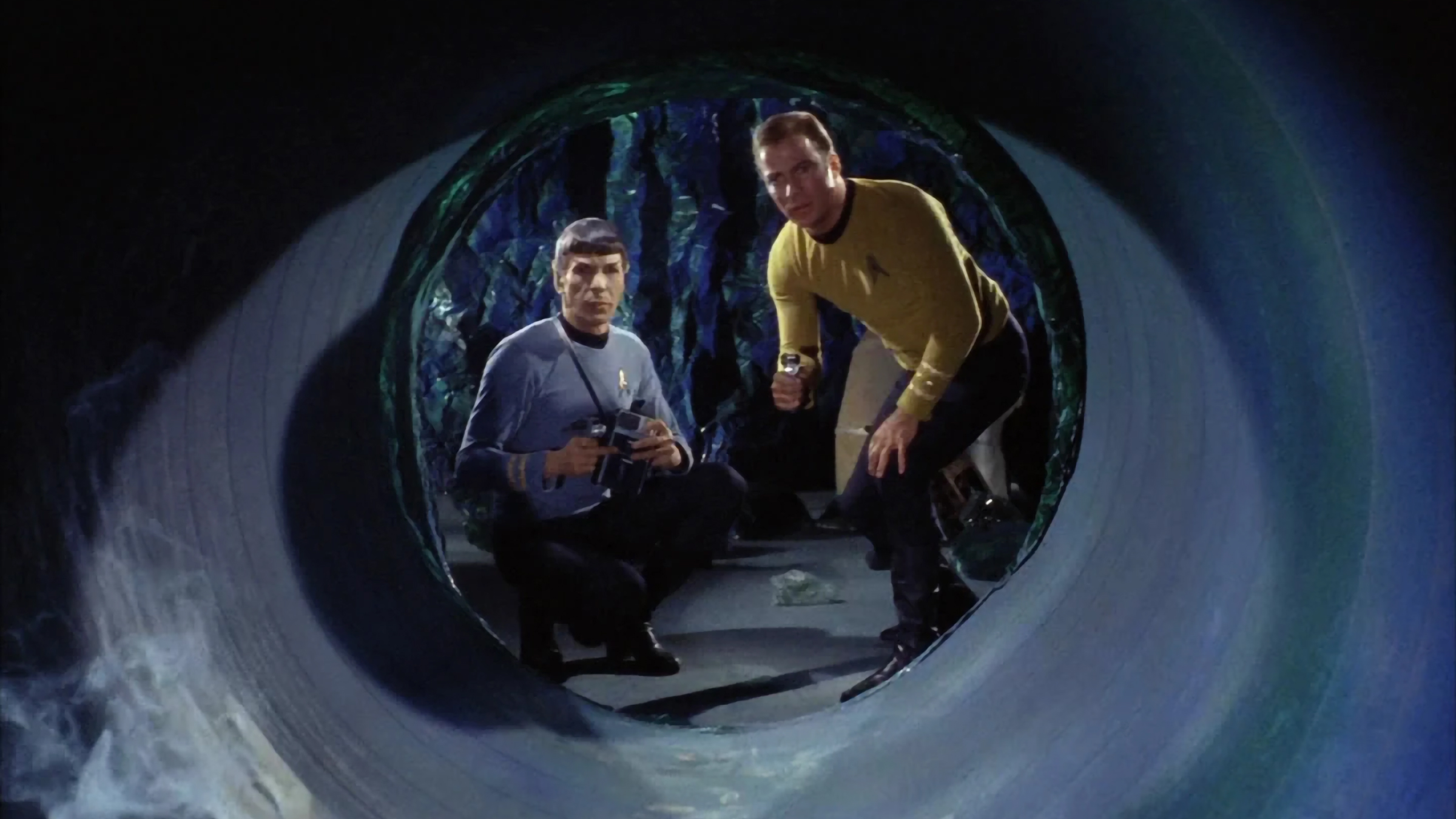
This Star Trek episode initially seems like a standard mission: miners are dying on Janus VI, and Kirk and Spock are sent to destroy the creature responsible. However, it quickly evolves into a thought-provoking story about how fear and poor communication can lead to needless conflict. What appears to be a dangerous monster – the Horta – is revealed to be an intelligent being, a mother protecting her young. Through Spock’s mind meld, we understand the creature’s perspective and realize how wrong our initial assumptions were. Ultimately, the episode is a powerful lesson in empathy and the importance of acknowledging when we’ve made mistakes.
9) “Far Beyond the Stars” (Deep Space Nine)
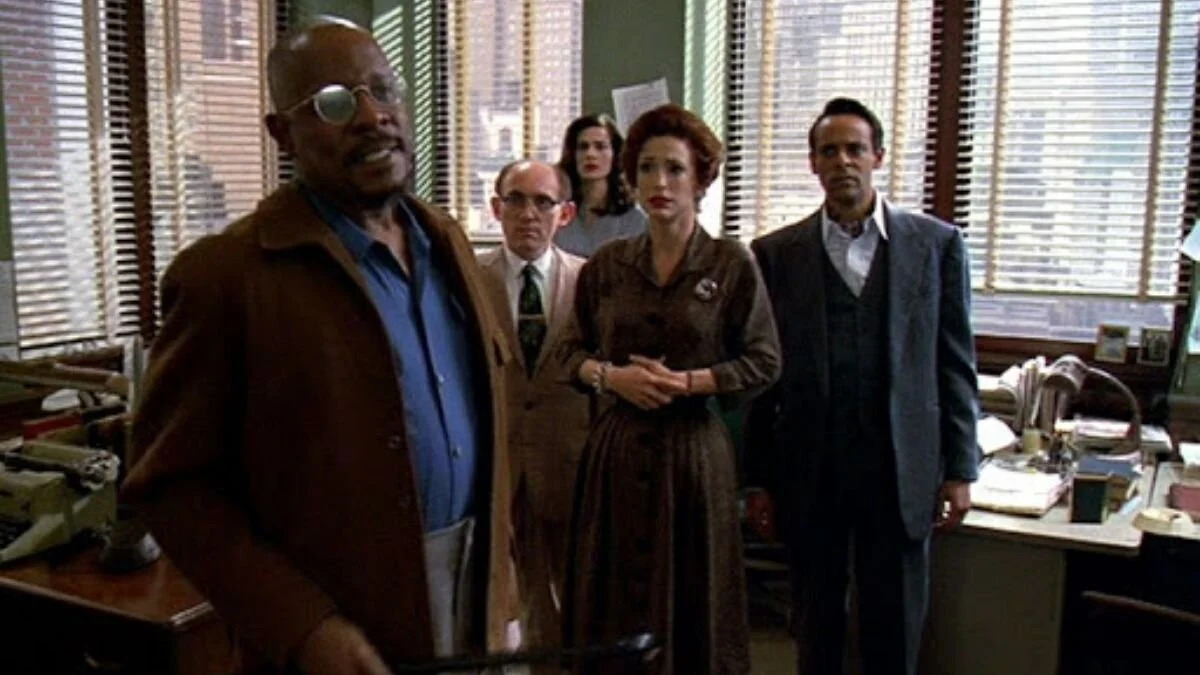
Avery Brooks gives a powerful performance as Captain Sisko in the episode “Far Beyond the Stars,” where he experiences visions of himself as Benny Russell, a Black science fiction writer living in 1950s New York. The episode is notable for abandoning the show’s usual futuristic setting to directly address the racism present in American history and the world of publishing. Although it aired in 1998, the episode’s themes still resonate today. Russell struggles with discrimination at work and encounters police brutality as he tries to get his story – about a Black captain commanding a space station – published, but editors believe audiences aren’t prepared for it. These issues have gained renewed attention in recent years through movements like Black Lives Matter.
8) “The Offspring” (The Next Generation)
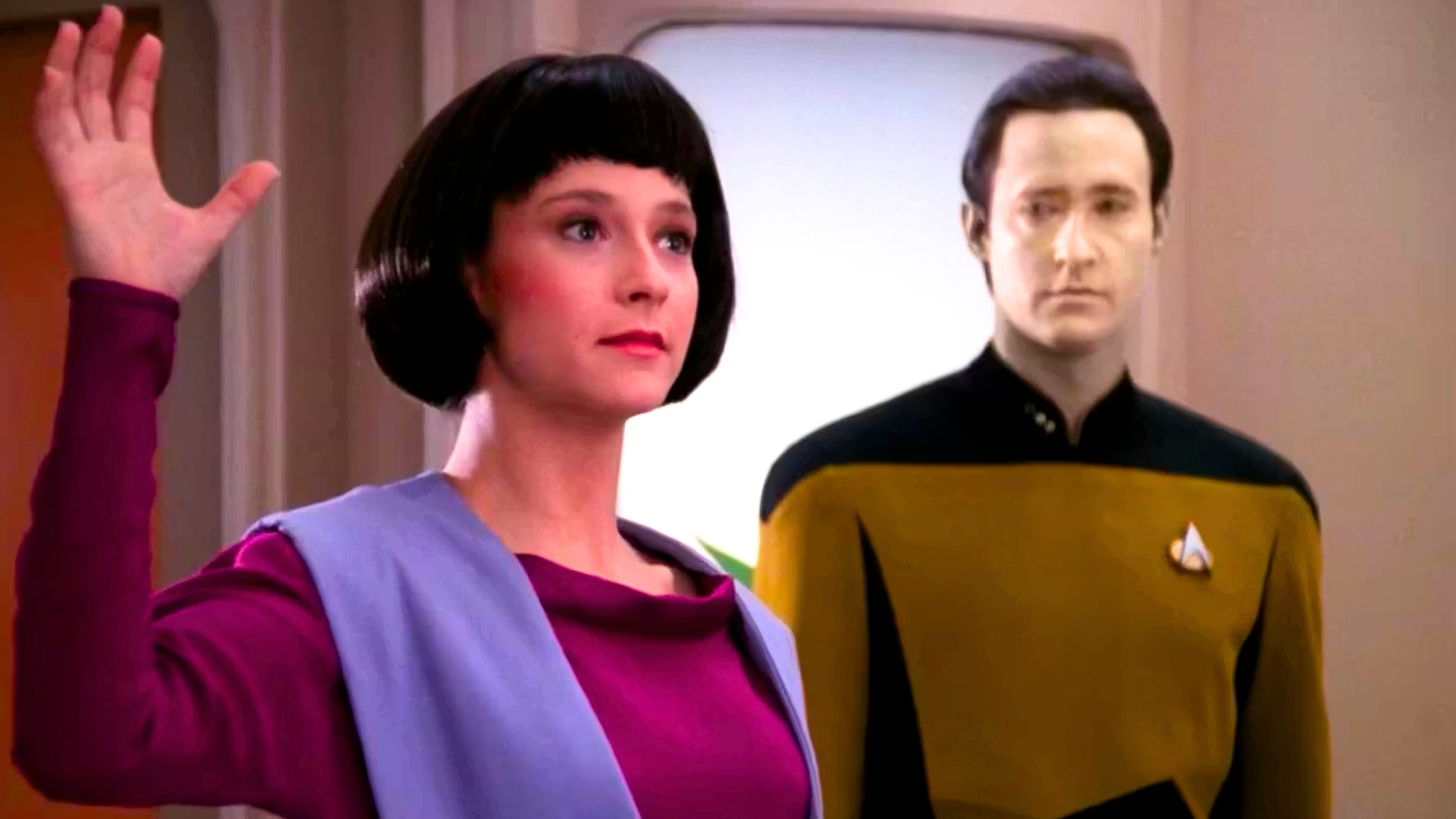
In Star Trek: The Next Generation, Data, the android played by Brent Spiner, experiences parenthood by creating Lal, another android child. What was remarkable for its time was that Lal was allowed to decide her own gender and how she looked. Data didn’t push his own ideas on her, but instead supported her in figuring out who she was. This storyline feels particularly relevant today, as we have more conversations about children’s rights to explore their own identities. Data’s commitment to Lal’s independence – and his refusal to let Starfleet take her for research – was very progressive. It’s ironic that the android, who is supposed to lack emotions, turns out to be a more supportive parent than many of the human characters in the show.
7) “The City on the Edge of Forever” (The Original Series)
Widely considered the best episode of the series, this story involves a heartbreaking decision for Captain Kirk (William Shatner). He must allow the woman he loves, Edith Keeler (Joan Collins), to die to protect the future and prevent a fascist takeover during World War II. The episode, originally written by Harlan Ellison and significantly changed during production, presents Kirk with a difficult moral dilemma: sacrificing personal happiness for the greater good. It doesn’t offer a simple solution, and its complex, serious tone feels remarkably relevant even now. Importantly, Kirk’s choice isn’t portrayed as a heroic act.
6) “The Inner Light” (The Next Generation)
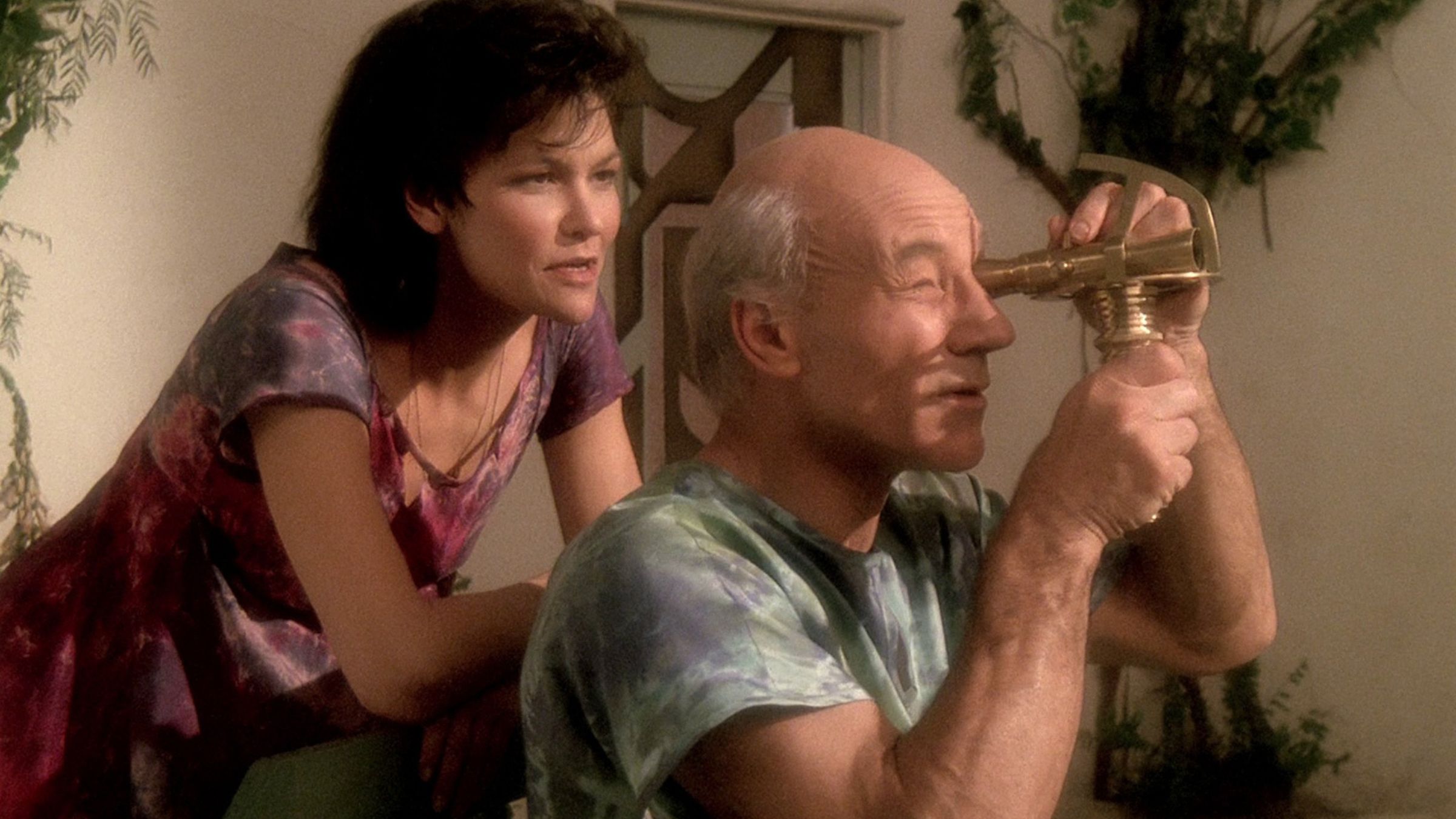
One of the most memorable episodes of Star Trek features Captain Picard being struck by an alien probe, causing him to experience a full life – complete with family and aging – on a planet called Kataan. He lives through decades, only to find out it all happened in just twenty-five minutes on his ship. The people of Kataan know their world is dying due to a drought caused by increased solar radiation, and they’ve accepted their fate. They created the probe hoping someone, somewhere, would remember their civilization. When the episode originally aired in 1992, climate change was a new topic of discussion, but today, facing the actual effects of a changing climate, the episode resonates with even greater meaning.
5) “Past Tense” (Deep Space Nine)
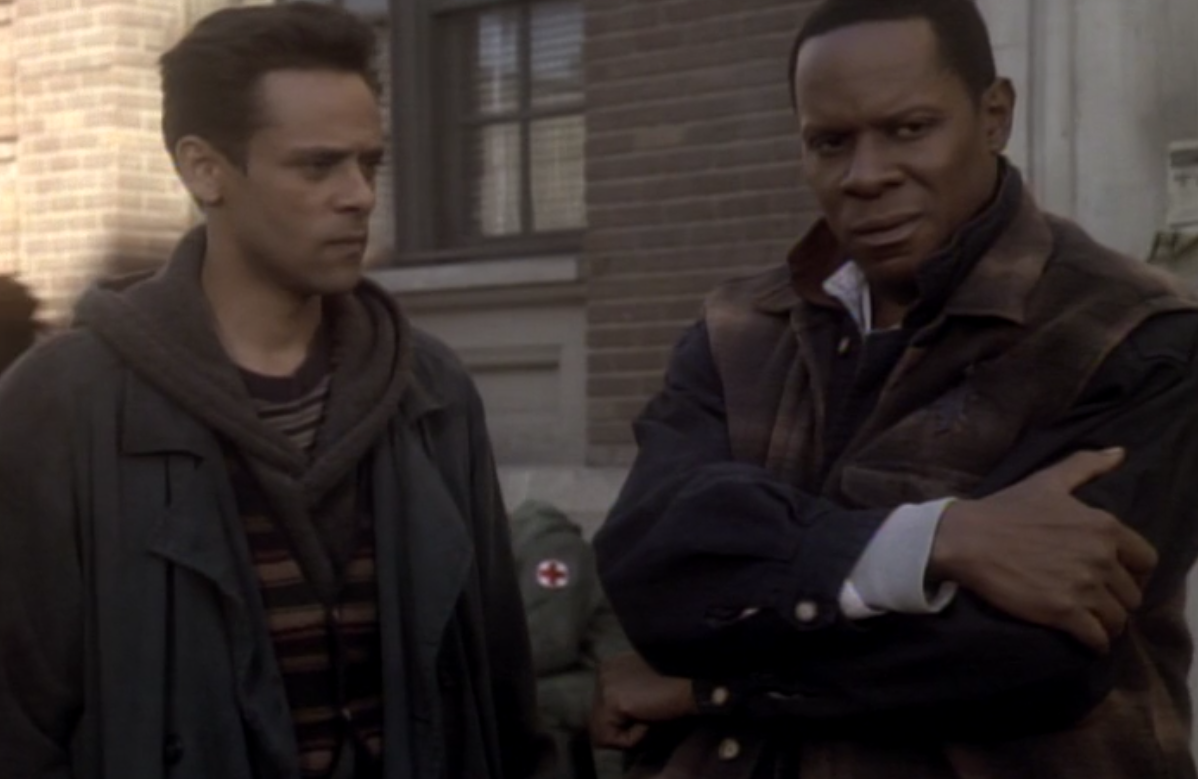
In a two-part episode from 1995, Star Trek: Deep Space Nine transported characters Sisko, Bashir, and Dax to San Francisco in 2024, where they discovered segregated zones for the homeless and unemployed called ‘Sanctuary Districts.’ The episode eerily predicted a future marked by extreme economic inequality, strained social services, and widespread public apathy. With events like the ‘Bell Riots’ feeling almost prophetic – though possibly influenced by the 1992 Rodney King riots – ‘Past Tense’ accurately foresaw issues like wealth gaps and the housing crisis. Watching it today, the episode feels less like science fiction and more like a reflection of current realities.
4) “Balance of Terror” (The Original Series)

This episode, a clear reflection of Cold War tensions, unfolds as a strategic game between Captain Kirk and a Romulan commander, portrayed by Mark Lenard. It first introduced the Romulans to the Star Trek universe, establishing a recurring theme of honorable, yet duty-bound, enemy captains. However, the episode’s exploration of prejudice is what truly resonates today. When crew member Stiles learns that Romulans and Vulcans share a common ancestry, his distrust of Spock demonstrates how easily fear can turn into xenophobia. Notably, the conflict isn’t based on personal animosity, but rather on political differences, avoiding a typical nationalist storyline.
3) “Living Witness” (Voyager)

Taking place centuries after the Voyager’s visit to a planet, this thought-provoking episode centers on a museum that presents a skewed version of Janeway’s crew, portraying them as ruthless oppressors. An old holographic doctor, EMH (Robert Picardo), is brought back online to dispute this false narrative, exposing how those in power manipulate historical events. The episode feels strikingly relevant to current political debates, with lines like “I don’t have a problem with your species, I have Kyrian friends,” and discussions about whether difficult history should be taught to children. While it also briefly explores the concept of second-class citizenship, the episode’s central message is that history is written by the powerful, and our memories of the past are always shaped by our own perspectives.
2) “The Drumhead” (The Next Generation)

An investigation into sabotage on the Enterprise turns into a tense situation when retired Admiral Norah Satie begins to suspect people based on their beliefs. Captain Picard, played by Patrick Stewart, observes as fair procedures break down. The episode serves as a clear warning about how dangerous rhetoric can be when hidden behind patriotism, and it feels particularly relevant today. Fortunately, Picard takes a stand to protect people’s rights, powerfully arguing that fear is what ultimately destroys freedom – a message that appears in several episodes of the series.
1) “A Taste of Armageddon” (The Original Series)
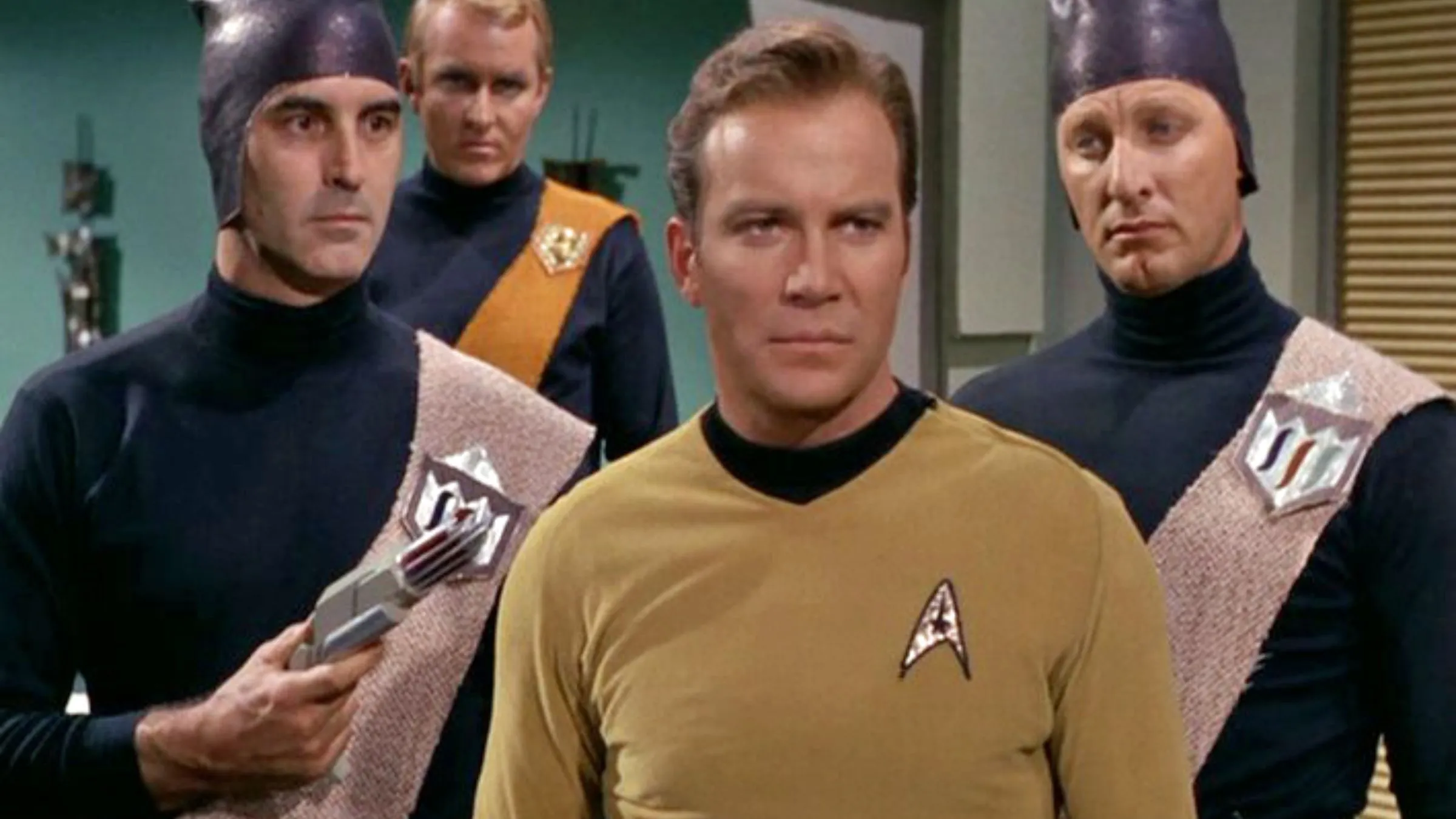
This episode depicts a war between two planets fought entirely through computers, where casualties are calculated and citizens willingly enter disintegration chambers to uphold a peace treaty. Ultimately, Captain Kirk destroys the simulation, forcing both sides to confront the real impact of their conflict. The episode’s message about the dangers of remote warfare feels even more relevant today as technology advances. It argues that fighting wars from a distance doesn’t make them more humane – it actually makes them easier – and this point remains powerfully true with the rise of drones and artificial intelligence.
As a huge Star Trek fan, I’m always wondering which episode really holds up over time. Which one do you think has aged the best? I’d love to hear your thoughts – let’s chat about it over on the ComicBook Forum!
Read More
- Marvel Officially Confirms Deadpool’s Most Brutal Redesign
- Welcome to Demon School! Iruma-kun season 4 release schedule: When are new episodes on Crunchyroll?
- After 11 Years, Black Clover Officially Ends With Final Release (& Crowns a New Wizard King)
- Gemma Arterton spy thriller Secret Service based on hit novel gets release date confirmed on ITV
- The Boys Season 5, Episode 5 Ending Explained: Why Homelander Does THAT
- Invincible Creators Offer Promising Update on Season 5 Release Date
- See King Charles & Queen Camilla’s Royal Looks for State Dinner
- ‘You Can Play Your Purchased Games As Usual’: Sony Breaks Silence on PS5, PS4 Game Expiry DRM
- Gold Rate Forecast
- Frieren: Beyond Journey’s End Gets a New Release After Season 2 Finale
2026-03-18 01:13