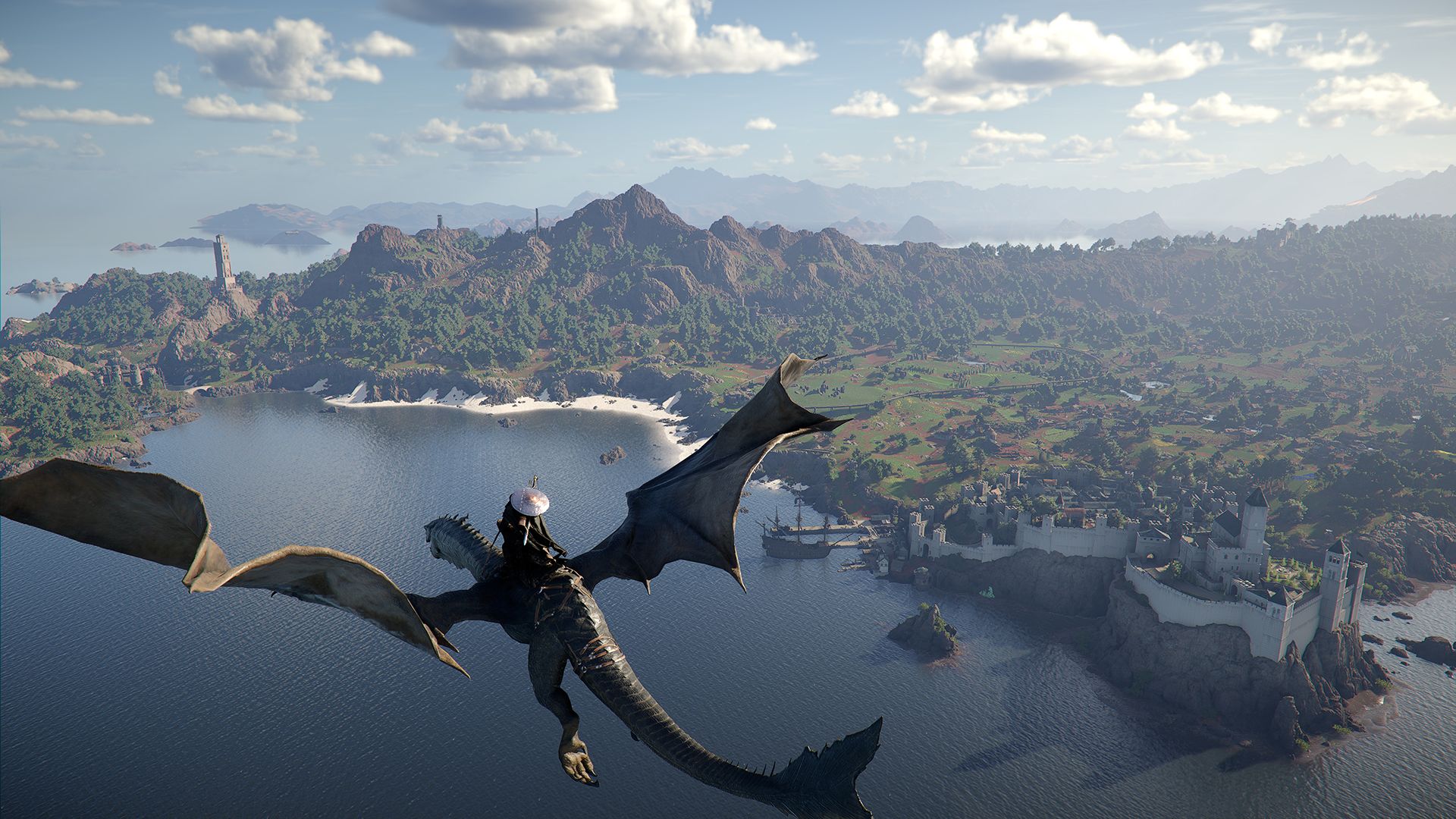
Based on trailers, developer presentations, and early looks at the game, Crimson Desert appears to have one of the most detailed and immersive open worlds ever created. This upcoming action adventure features complex, connected systems and realistic interactions with the environment. From incredibly lifelike animations for everyday actions to advanced physics and a rich backstory, here are thirty examples showcasing the amazing level of detail in Crimson Desert.
Every Resource Gathering Has Its Own Animation
Many games make gathering resources simple – you just press a button and items appear. But in Crimson Desert, gathering feels more involved. Every action, like mining, chopping wood, or harvesting crops, has a unique animation that shows your character physically working. This makes gathering feel more engaging and realistic.
Cooking is Surprisingly Deep
In Crimson Desert, cooking is more than just picking a dish for a bonus. It’s a detailed process – you’ll gather ingredients, actually cook the food (with animations!), store it, and then eat it. You discover new recipes by finding collectible cards as you explore the world, and each meal provides unique advantages. This makes exploring even more rewarding and helps you progress through the game.
NPCs Operate on Routine
The game Shenmue was groundbreaking for creating non-player characters (NPCs) who felt like real people with daily lives and jobs. Now, Crimson Desert is taking that concept even further. The people in the game’s world of Pywel aren’t just standing around waiting for you – they live their own lives, respond to what you do, and interact with each other realistically. They’ll continue with their routines even if you aren’t there, making them feel truly alive.
Animals Behave Differently (Like Real-Life Animals)
Similar to the people you meet in Crimson Desert, the animals – whether they’re wild, raised on farms, or pets – all behave realistically and react to you in ways that match their nature. You can pet cats, carry farmed pigs, and even hold them differently – for example, you might be able to gently cradle a brown chicken, but only carry a white chicken by its feet. These small, detailed touches show the developers are committed to creating a world that feels truly believable and immersive.
Crafting and Repairs are Fully Animated
Just like gathering resources, cooking, and interacting with animals, crafting and repairing items in Crimson Desert will have unique animations. The developers want to avoid the unrealistic feeling of instantly creating an item with a simple action. This focus on detail, while seemingly small on its own, is a major part of making the game world feel believable and immersive. They’ve put a lot of care into these hands-on activities to really draw players in.
Combat Animations Reflect Direction of Impact
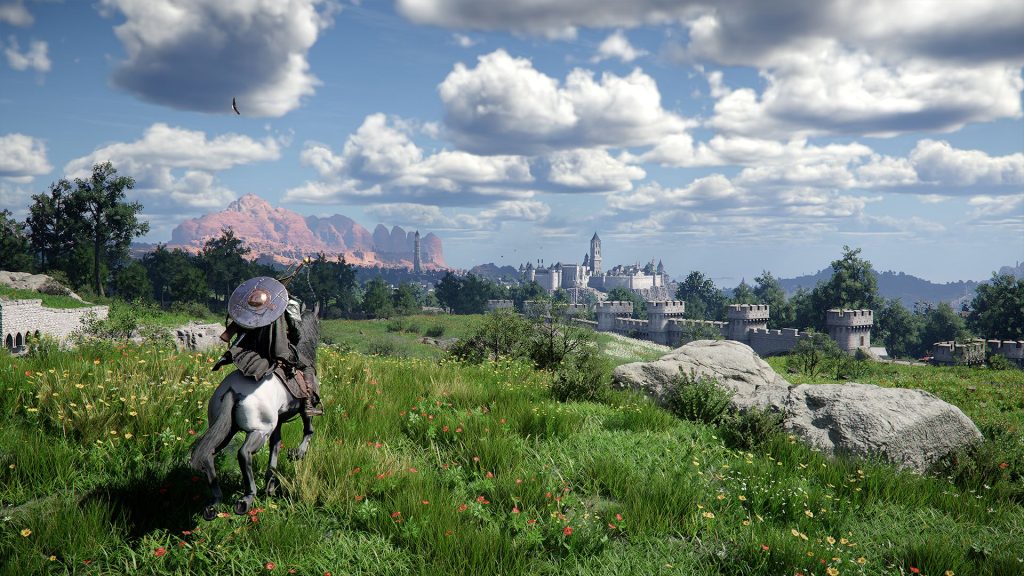
As a fan, I’m really excited about how combat feels in this game! It’s not just about hitting enemies until they stumble – they actually react to where you hit them. If you attack from the side, they’ll get pushed in that direction, and the same goes for front or back attacks. It sounds simple, but in the middle of a big battle with tons going on, it’s those little details that can really make a difference – and it’s easy to see how something like this could get missed during development. It’s a fantastic touch that will add a lot to the feel of the fights!
Enemy Reactions Chain Together
A great example of how the game reacts realistically happens when Kliff pushes an enemy soldier. The soldier goes flying backwards, crashes into another soldier’s horse, and the startled horse throws its rider off. It’s an impressive moment because these events aren’t pre-planned; the game’s physics engine creates a surprising and believable chain reaction.
Horses Run Free
During the intense battle sequences in Crimson Desert, a subtle detail stands out: horses running without riders. While it might seem minor, these riderless horses tell a story. They suggest a fallen warrior and highlight the ongoing cycle of life and death within the game, even in the midst of battle. It’s not just random fleeing; it’s a visual cue that the world keeps moving forward, even amidst chaos.
Horse Movement is Weighted and Physical
Riding horses in Crimson Desert isn’t just about getting from point A to point B quickly. Horses react realistically to their surroundings – how they move depends on the ground, whether they’re going uphill, how fast they’re going, and which way they turn. Going uphill slows them down and tires them out, and sharp turns cause them to shift their weight. These details make riding feel real and require constant attention from the player.
Environments Have Destructability
The world of Pywel isn’t just scenery. Things in the environment can be damaged and destroyed – stone walls can collapse, trees can be chopped down, and watchtowers can be flattened. Almost everything seems breakable, from huge castles to simple wooden carts that shatter when hit.
Siege Weapons and Physics Interactions
The game features large-scale battles where siege weapons visibly impact buildings and the surrounding environment. Seeing huge projectiles hit walls is exciting, but this level of destruction also creates new tactical options. Players can destroy cover, demolish structures to create paths, and open up new entry points. Importantly, the rubble and debris from these destroyed objects remain throughout the entire battle.
Debris Depends on How Hard You Hit
The game continues to impress with its detailed destructibility. The developers clearly put a lot of effort into making the way things break feel realistic. It’s not just that objects are destroyed, but how they’re destroyed depends on the force applied. For instance, a wooden gate might splinter when sliced with a sword, but a heavy hammer blow would shatter it into larger pieces.
Terrain Reacts to Combat
Combat in Crimson Desert is fast-paced, dynamic, and strategically deep, but the environments are just as important. Battles in the desert create clouds of dust and sand, and fighting in grassy areas causes the blades to move and flow with your actions, adding to the visual impact.
Equipment Stays Wet After Water Exposure
If you fall in a river or get soaked in the rain, your clothes and gear won’t dry immediately. They’ll stay wet for a while. This is a small detail, but it adds to how realistic the game feels. It’s not yet known if clothes will dry faster when exposed to sunlight, but that would make sense.
Water Physics are Remarkably Detailed
Beyond just keeping clothing realistically wet, we’ve focused on making water itself behave naturally in different environments. You’ll see waves crashing on the shore with visible tide lines, rivers flowing through the world, and rain realistically interacting with surfaces. Our goal isn’t just to show off our technology, but to create environments that feel truly alive, using every tool at our disposal.
Fire Spreads Naturally
Fire spreads through anything that can burn, including buildings, materials, and the areas around them. For example, if a wooden shed catches fire, it could easily spread to nearby grass. This shows a clear link between what you do and how it impacts the environment. While it doesn’t dramatically change the story, you understand that your choices have consequences.
Fire Changes Structural Properties
Fire is a great example of how extreme events can fundamentally change things, though other natural disasters can also have a similar impact beyond just how things look. There’s a report of a wooden gate that was surprisingly strong, even while on fire. It wasn’t until it was mostly burned down to embers that it became weak enough to break through.
Arrows Can Be Lit Manually
You can now set your arrows on fire by holding them over a flame like a brazier. These flaming arrows deal extra damage and can be used to start fires around the world. Basically, anything that’s burning in Pywel can be used strategically, practically, or just for the fun of watching things burn.
Night-Time Is Properly Dark
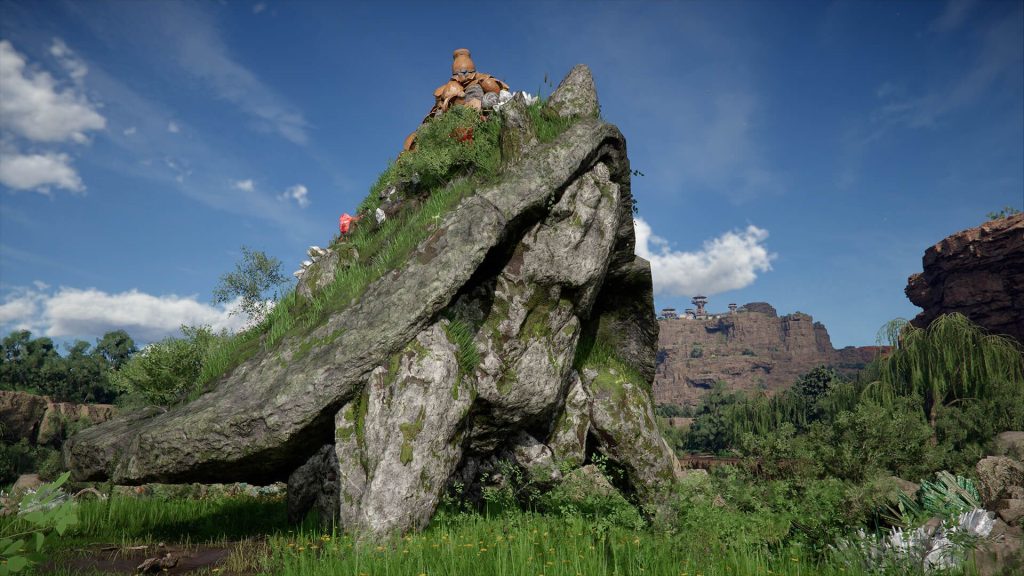
Many open world games make nighttime brighter for better visibility, but Crimson Desert aims for realism, creating truly dark nights. You’ll need a light source – the game appears to let your mount carry a torch, for example – because without one, it’s nearly impossible to see. This means nighttime will be a real challenge to navigate, making light and fire much more important than in most other games.
Weather Systems Affect Visibility
Bad weather – like heavy rain, fog, and storms – doesn’t just make things unpleasant, it dramatically changes how you see and experience the world around you. Mist fills valleys, rain limits how far you can see, and snow and ice make travel exhausting and difficult. These effects can be minor annoyances or major obstacles, so it’s crucial to pay attention to the changing weather. It will impact both how you explore and how you fight, challenging your stamina, patience, and ability to keep going – not by making you thirsty or hungry, but by testing your endurance.
The World Map is Enormous
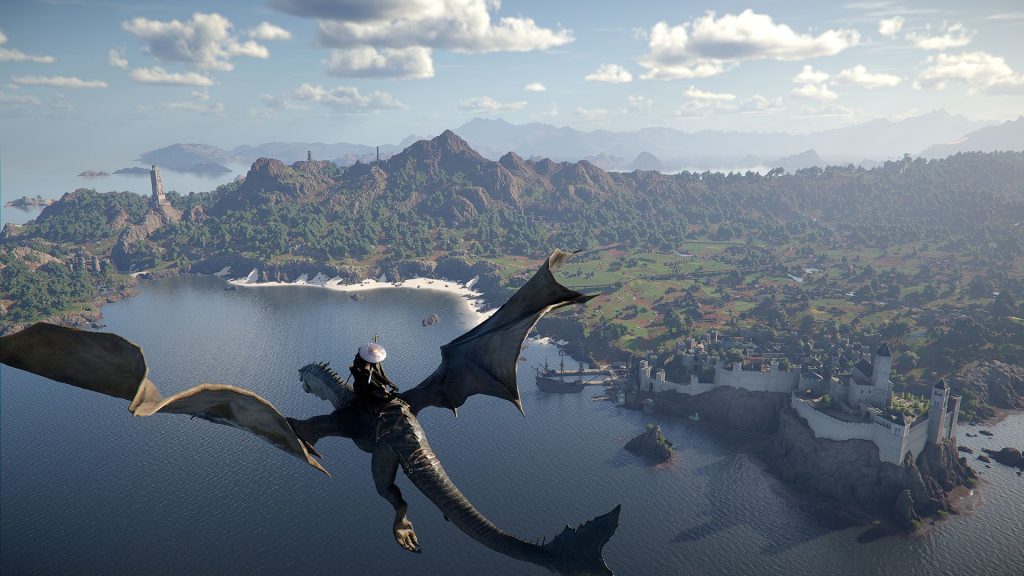
There are reports suggesting that the world of Crimson Desert, called Pywel, is incredibly large – potentially twice the size of The Elder Scrolls V: Skyrim. If this is accurate, it could take around two hours to travel across on horseback. While a large map doesn’t automatically mean a good game, it’s noteworthy because Crimson Desert seems to have complex and interconnected gameplay systems that should make exploring this huge world really engaging.
Almost Everything is Climbable
The developer has confirmed you’ll be able to climb almost anything in the game – walls, towers, cliffs, and mountains. Unlike many open-world games, there won’t be any visual cues like yellow paint to show you where to climb. This means climbing feels natural and is fully integrated into the environment. You won’t be guided, but with plenty of both man-made and natural structures, you’ll have almost endless ways to explore. This is especially impressive considering the developers of the climbing game Cairn practically built the mountain by hand to give players freedom of movement. Given the massive size of this game, it’s unlikely the developers did the same, making it exciting to see how the climbing system will actually work in practice when you reach a challenging rock face.
Distant Objects Are Highly Detailed
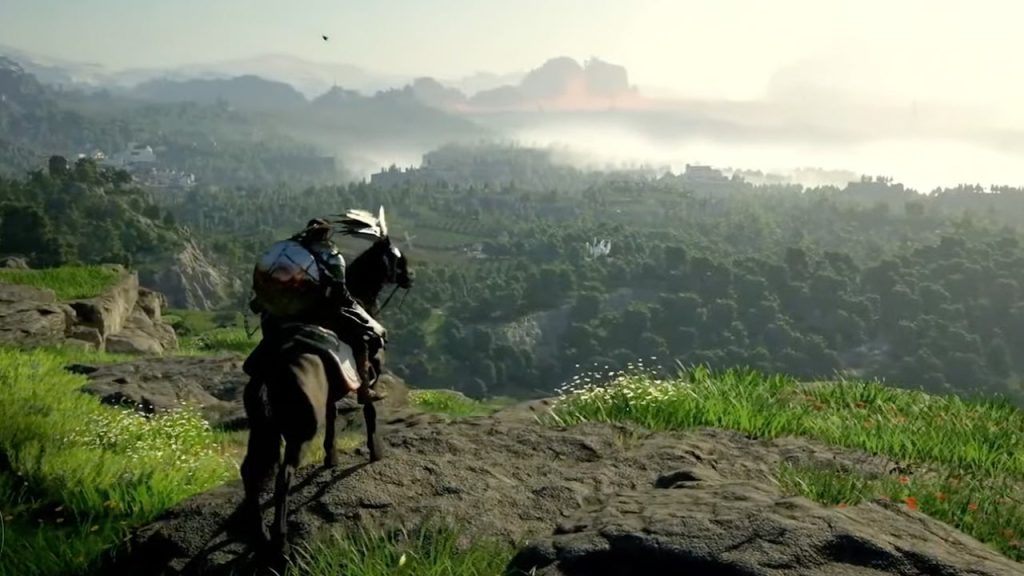
Digital Foundry’s analysis highlighted the game’s impressive distant detail. Forests, farms, buildings, and towns all look surprisingly good even from far away, creating a world that feels connected and huge. If you can see something interesting in the distance, it really encourages you to explore and go check it out.
Faction Territories Can Be Reclaimed
This might seem like a small point, but it’s actually quite important, especially considering STALKER 2 features similar areas you can take control of. What sets Crimson Desert apart is what happens after you remove enemy factions from a location. Instead of remaining dangerous, these places start to feel normal again, with people returning to rebuild their lives. You’ll see fishermen working the river, farmers tending their fields, and villagers starting to trade – the area truly comes back to life.
The Knowledge Base is Massive
The game seems to have an incredibly detailed world, potentially built from thousands of small details compiled into a comprehensive in-game encyclopedia. While it’s still unconfirmed, reports suggest this knowledge base contains almost three thousand entries covering everything from creatures and places to events and enemies. If true, this massive amount of information will really bring the world to life, though it might also feel overwhelming to explore everything.
Clothing Reflects Regional Identity
Pywel is made up of five different countries, each with its own unique culture, political situation, and how wealth is spread. Because of this, the clothes worn by people (NPCs) will vary depending on where they’re from. Even within a single country, individual clothing will show a person’s job and personal history.
Character Customisation is Incredibly Granular
As you might have noticed, Crimson Desert really focuses on detail. The character customization is a prime example, going far beyond what we’ve seen in other games. It’s not just about picking from a few options – you can choose from dozens of colors and materials for every piece of clothing and armor. Want a very specific shade of red for your tunic? Crimson Desert probably lets you create it.
Clothing Material Rests Realistically
Have you ever spent time perfecting your character’s outfit, only to notice parts of their clothes going through their equipment? In Crimson Desert, the game engine is designed to realistically simulate how different materials interact. This means cloaks drape naturally over clothing, and armor fits properly under weapons. This attention to detail even extends to hair, which moves realistically based on how fast your character is moving and the direction of the wind.
Abyss Artefacts are Richly Detailed
These collectibles are included because they’re beautifully detailed. Crimson Desert’s artefacts are earned as you play, dropping as rewards for completing quests or finding them while exploring the world. Each one is full of intricate details – like ancient writing, worn edges, and realistic textures – that suggest a rich, lost history just waiting to be uncovered.
The Economy Evolves Independently
Unlike many games where your actions immediately change prices, Crimson Desert’s economy is designed to evolve on its own, driven by the game’s overall systems. The market will naturally go up and down, even if you’re not actively playing or trying to affect it. This creates a sense of a dynamic, living world – one that feels real, but isn’t directly controllable. The region of Pywel, for example, operates with a degree of independence.
Read More
- Best Controller Settings for ARC Raiders
- The Boys Season 5 Officially Ends An Era For Jensen Ackles’ Soldier Boy
- Review: Final Fantasy Tactics: The Ivalice Chronicles (PS5) – Still the Benchmark for Turn-Based Tactics
- Nippon Sangoku Is The Best New Post-Apocalyptic Anime of Spring 2026
- Mark Zuckerberg & Wife Priscilla Chan Make Surprise Debut at Met Gala
- Elon Musk’s Mom Maye Musk Shares Her Parenting Philosophy
- 10 Greatest Manga Endings of All Time
- The Witcher 3 Officially Reveals Stunning New Ciri Figure Coming 2026
- The WONDERfools ending explained: What happened to the Child of Eternity?
- 7 Great Marvel Villains Who Are Currently Dead
2026-03-18 21:15