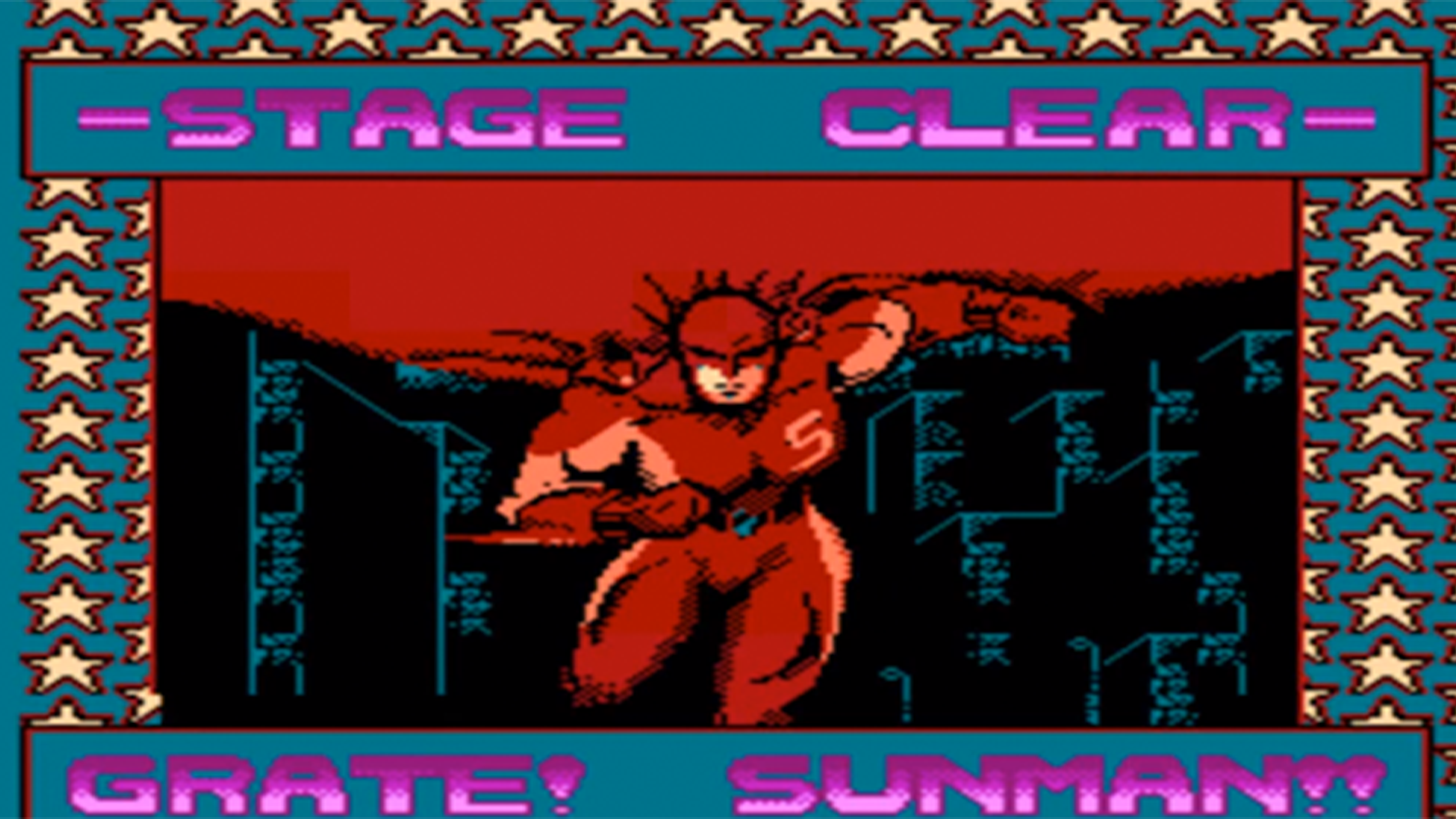
A curious practice with classic Nintendo Entertainment System games involved completely changing their appearance for release in different regions. This often meant redrawing all the character sprites. A well-known example is Super Mario Bros. 2, which was originally released in Japan as Yume Kōjō: Doki Doki Panic. Sometimes, games nearing completion faced licensing problems or other issues, forcing developers to make significant alterations. Here are seven NES games that underwent such changes, listed in no specific order.
1) Journey to Silius
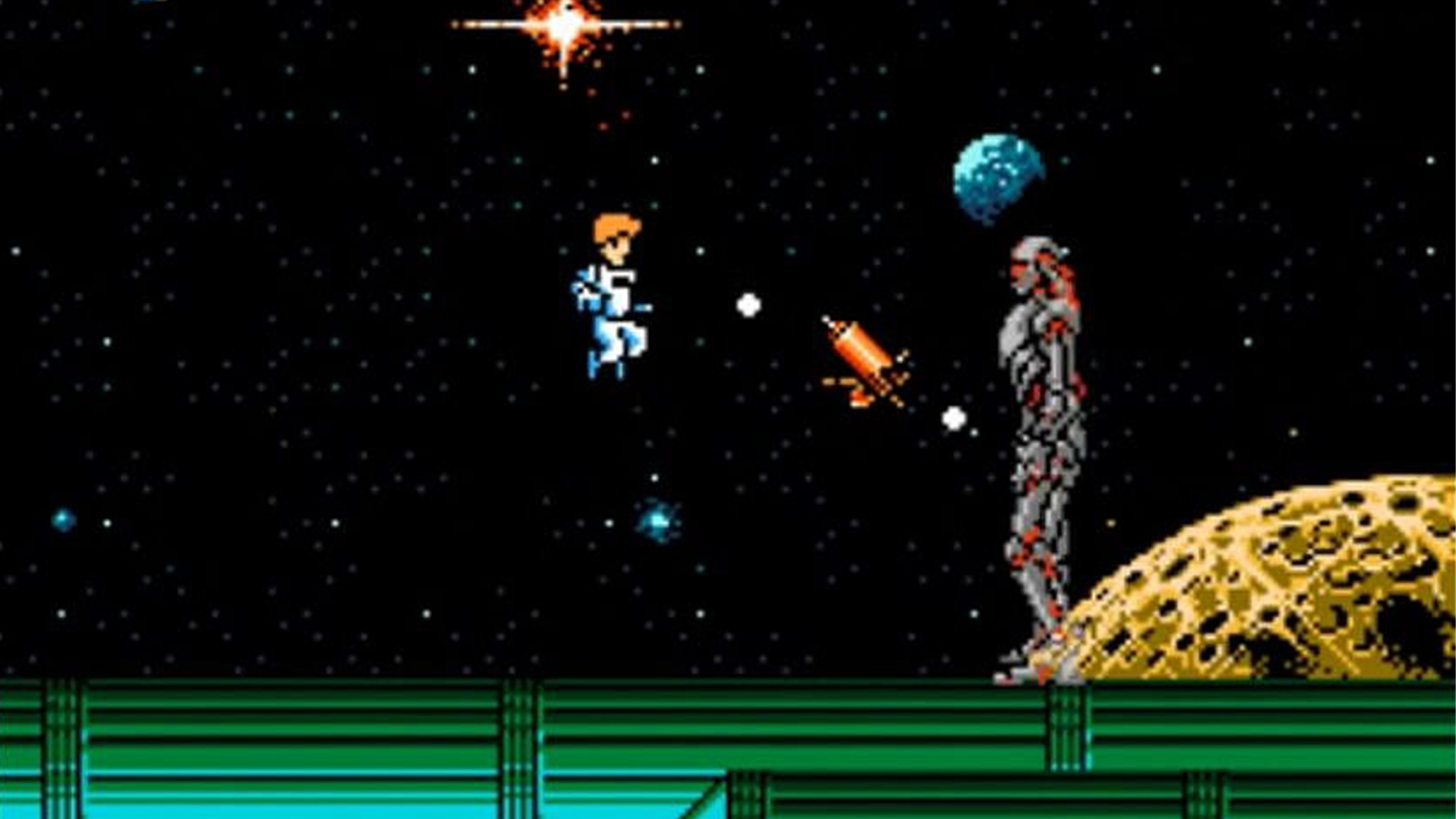
Released in 1990, Journey to Silius has an interesting backstory. Sunsoft originally intended to create a game based on The Terminator, but lost the license midway through development. Rather than scrap the project, they cleverly reworked the game with new characters and a new story. You can still spot traces of the original Terminator concept in some of the game’s designs – like the robot pictured above, which clearly resembles the T-800.
2) Kid Klown in Night Mayor World
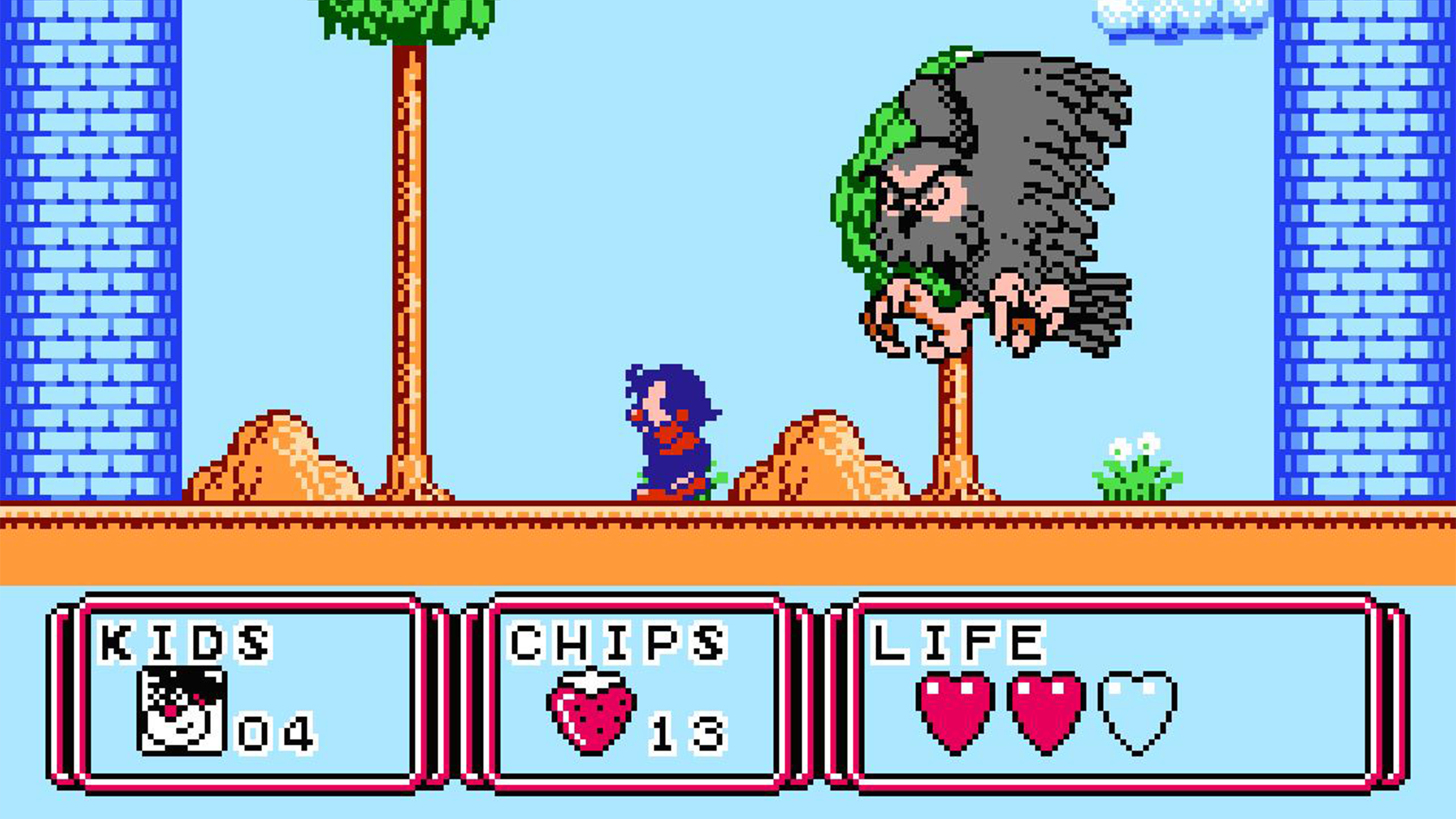
In 1993, Kemco released the platformer Kid Klown in Night Mayor World in North America. Originally, the game was called Mickey Mouse III: Yume Fuusen (Balloon Dreams) and was developed in Japan with a license from Disney – but only for the Japanese market. To release the game in North America without Disney’s licensing restrictions, Kemco changed the characters and branding, effectively creating a new franchise. This new series went on to have several sequels on various platforms. However, the game began as a Mickey Mouse title before becoming the bizarre, clown-themed adventure it’s known as today.
3) Werewolf: The Last Warrior
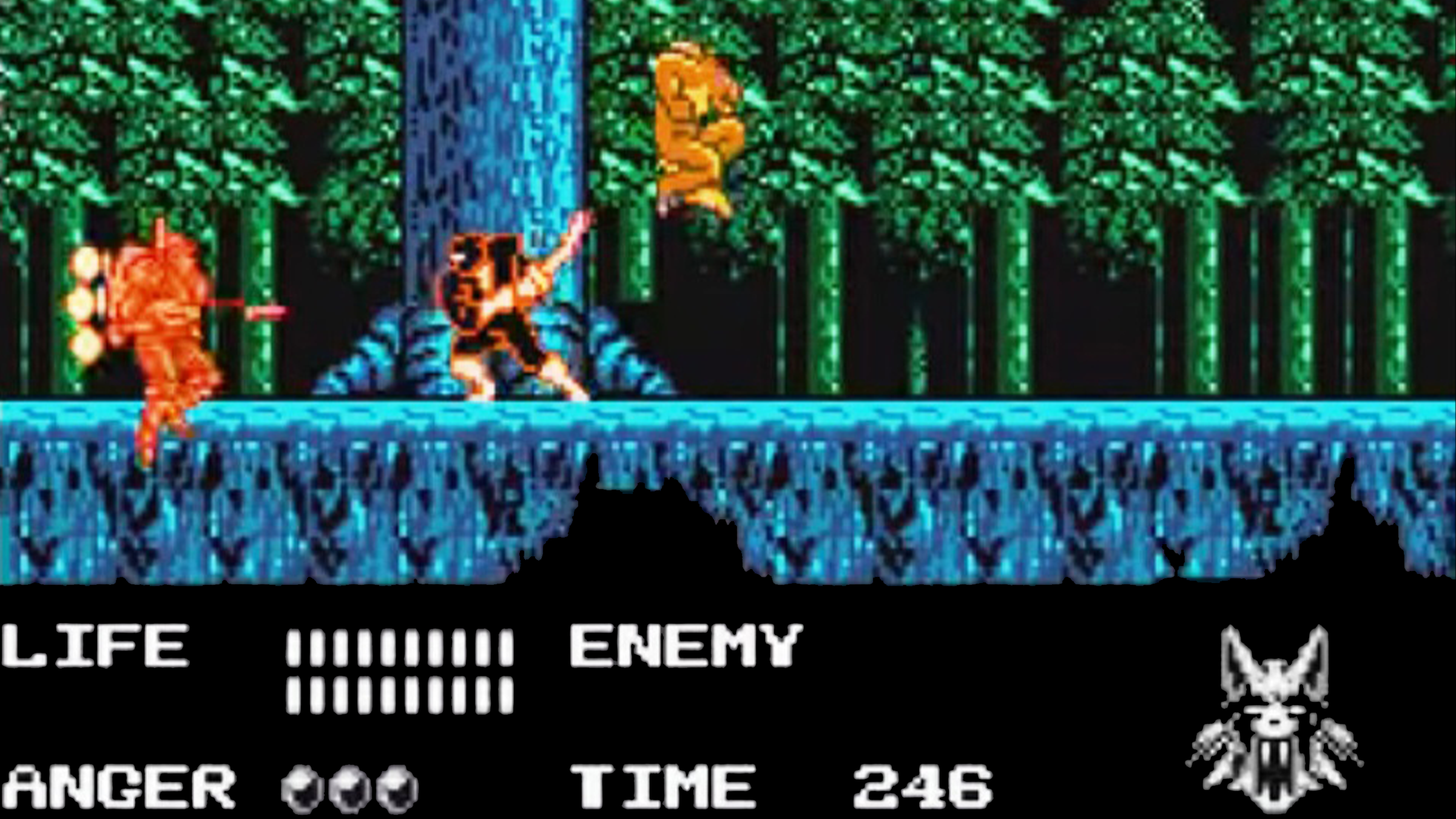
Released in 1990 for the NES, the platformer Werewolf: The Last Warrior puts you in control of a werewolf named Warwolf. Critics at the time weren’t very impressed with the game. A popular theory suggests the game originally started as an adaptation of Marvel’s Wolverine. Several elements in Werewolf: The Last Warrior resemble Wolverine’s abilities in other games from that era. The story goes that Data East began developing the game without a license from Marvel, and when they couldn’t secure one, they changed the character to a generic werewolf.
4) Contra Force
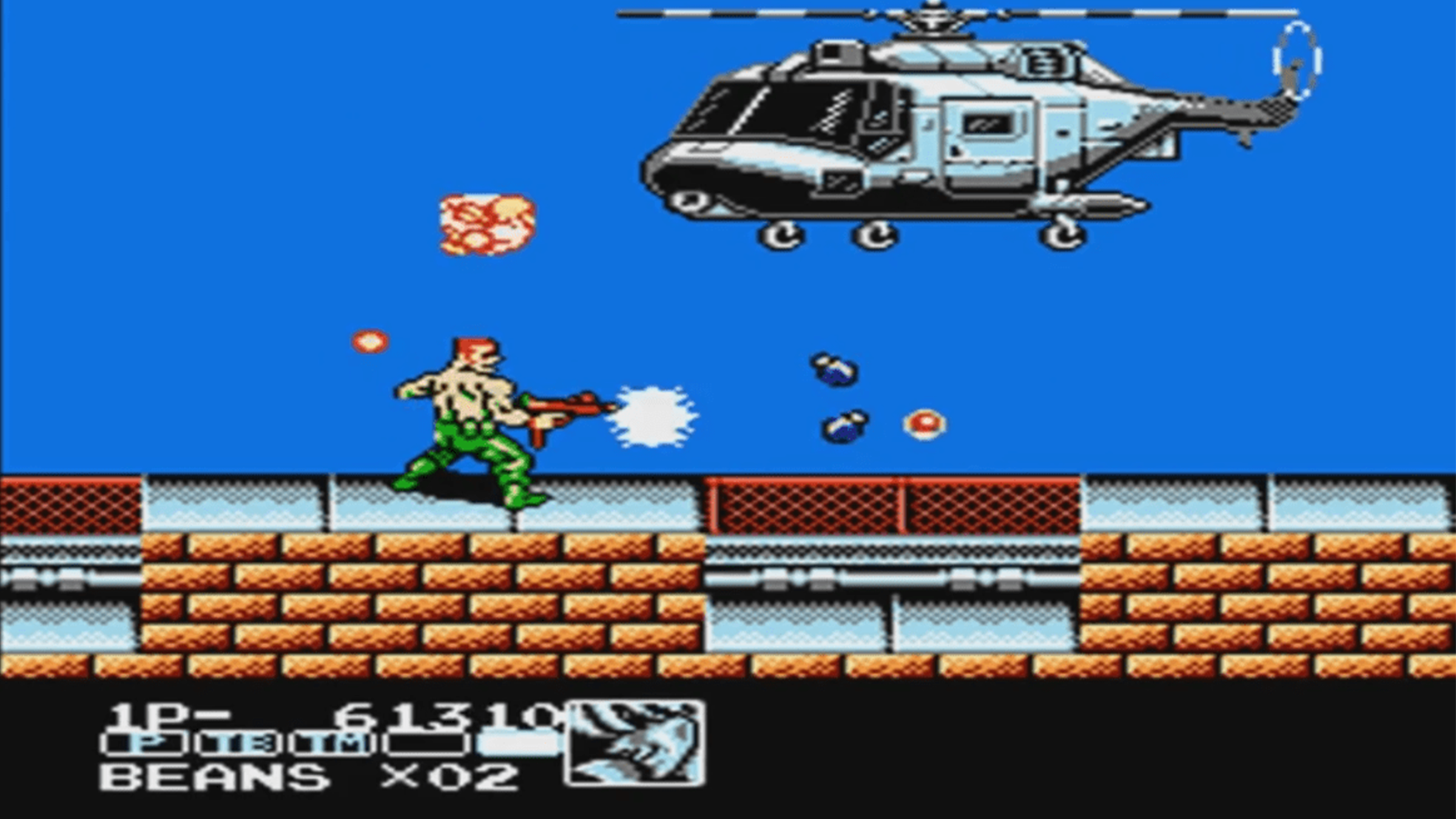
While not a case of a lost license, Contra Force stands out for how bizarre its re-branding was. Released in 1992 by Konami as a Contra spin-off, it feels very different from other games in the series. Instead of fighting aliens, players battle human terrorists, and Contra fans largely rejected this change. The game originally launched in Japan as Arc Hound. Capitalizing on the popularity of Contra, Konami rebranded it with the Contra name, hoping to satisfy existing fans.
5) Power Punch II
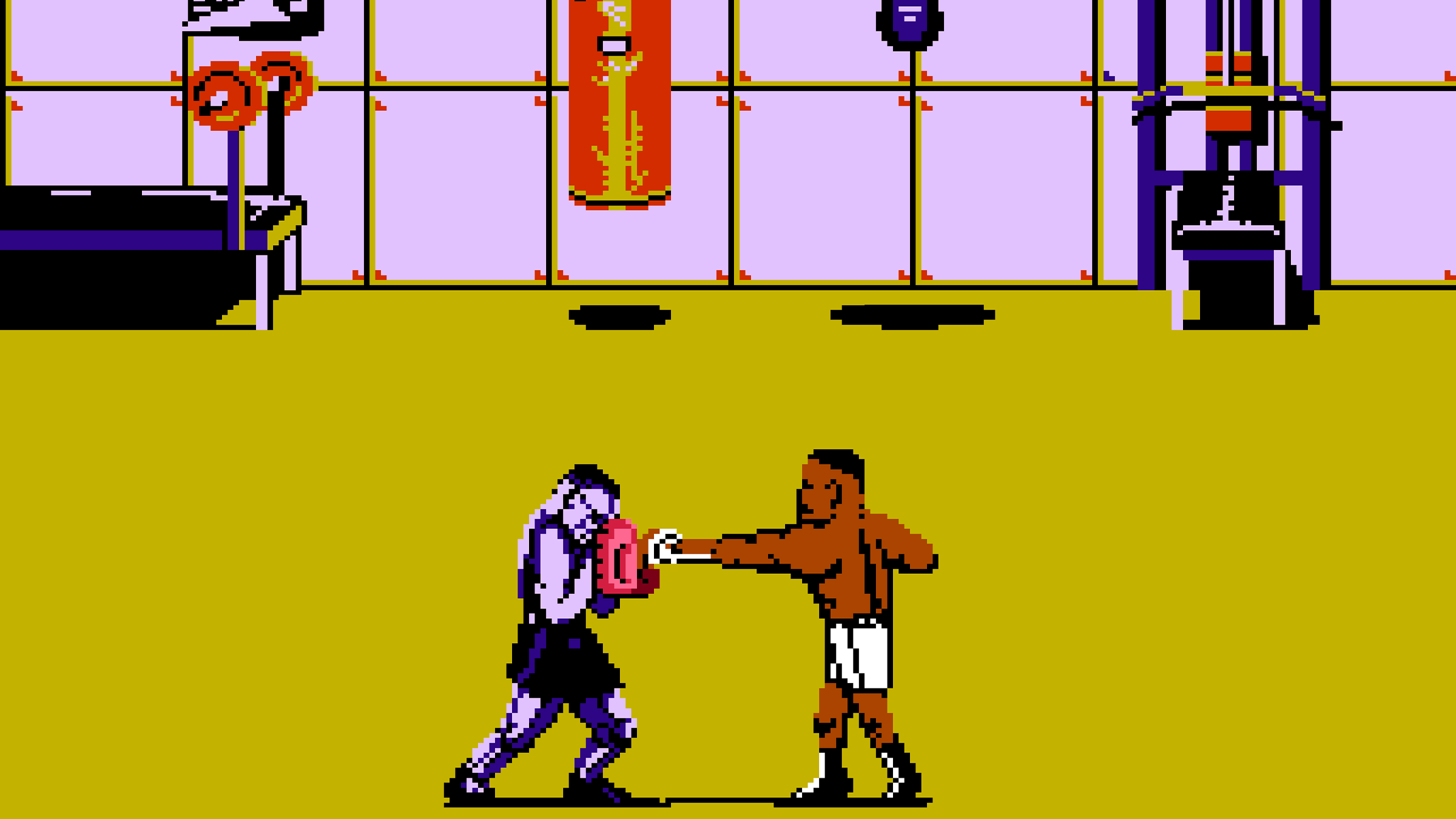
Despite not losing its license, Power Punch II deserves mention due to its unusual history. Though often mistaken as a sequel to Mike Tyson’s Punch-Out!!, it was originally designed around Mike Tyson, even carrying the working title Mike Tyson’s Intergalactic Power Punch. When Tyson was arrested in 1991, the developers, Beam Software, opted to remove his name. They rebranded the game as Power Punch II, featuring a fictional boxer named Mark Tyler. Strangely, there was never a Power Punch I, leaving the ‘II’ in the title a complete mystery.
6) Sunman
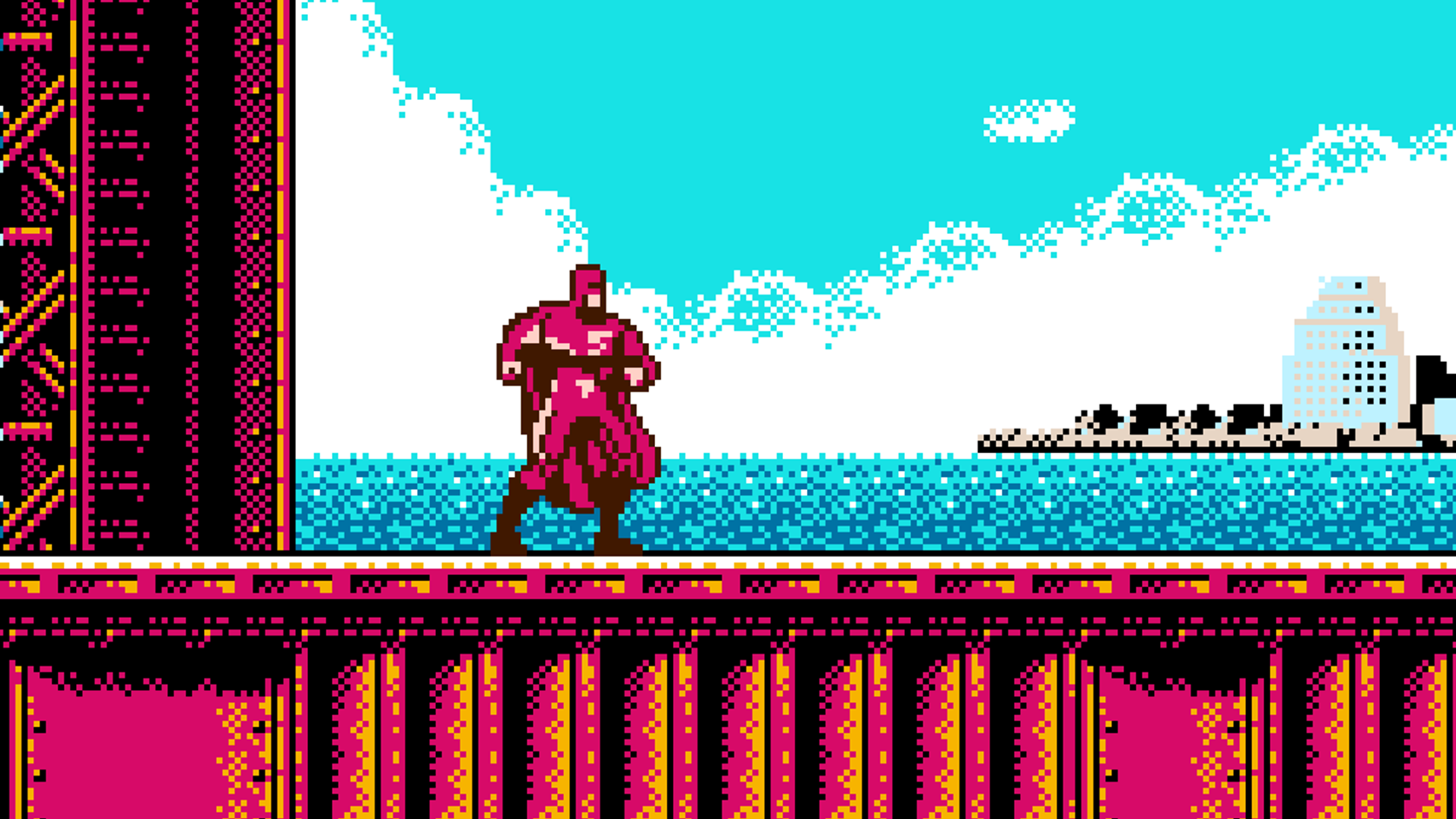
The game Sunman isn’t secretly about anyone other than itself, but the main character strongly resembles Superman – and for good reason! Sunsoft originally created it as a Superman game, building on their experience making games based on DC Comics heroes. Unfortunately, they lost the license to officially release it as Superman. Despite never being sold in stores, the game was fully completed. When the group The Lost Levels got their hands on the files, they made it available to play as a ROM. There’s even a fan-made modification that lets you experience the game as Superman.
7) The Krion Conquest
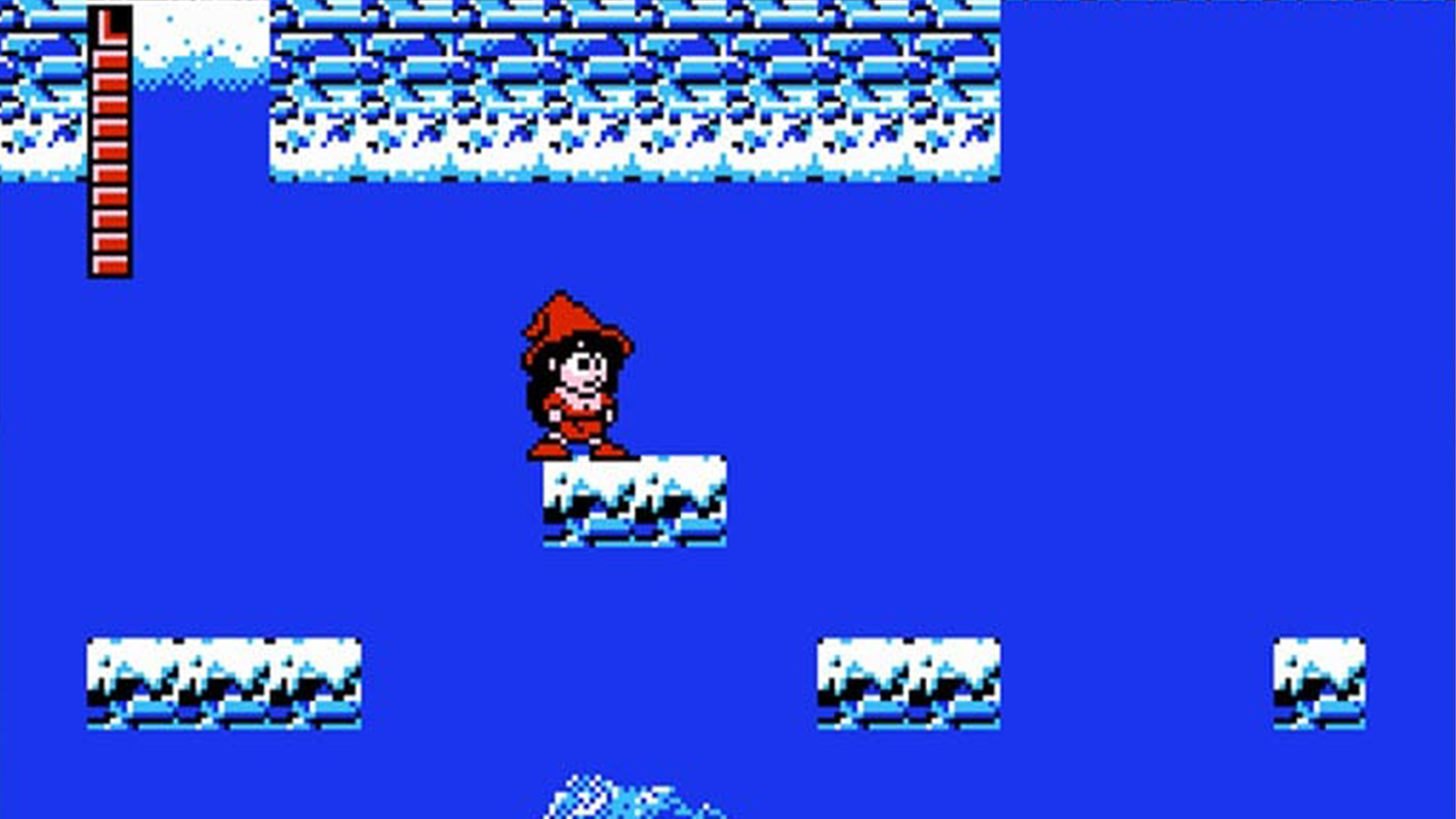
Originally, the game Krion Conquest (known as Magical Kids Doropie in Japan) was planned as a video game adaptation of the 1986 anime The Wonderful Wizard of Oz. You can still see hints of this in the game – the main character was initially designed to be a witch version of Dorothy. However, the developers couldn’t secure the rights from TV Tokyo, forcing them to drop the Oz theme. The final game retains a similar look and feel to the anime and other adaptations of L. Frank Baum’s Oz stories, but avoids any elements that might have caused legal issues.
Have you tried any reimagined versions of classic NES games? Share your thoughts in the comments and join the discussion on the ComicBook Forum!
https://comicbook.com/gaming/list/5-most-punishingly-hard-games-on-the-nes/embed/#
Read More
- 10 Greatest Manga Endings of All Time
- Review: Final Fantasy Tactics: The Ivalice Chronicles (PS5) – Still the Benchmark for Turn-Based Tactics
- Mark Zuckerberg & Wife Priscilla Chan Make Surprise Debut at Met Gala
- GBP CNY PREDICTION
- Elon Musk’s Mom Maye Musk Shares Her Parenting Philosophy
- Forza Horizon 6 Car List So Far: Confirmed Highlights, Cover Cars, DLC, and Rewards
- Miranda Kerr Shares “Quick” Procedure She Got Before Met Gala 2026
- The WONDERfools ending explained: What happened to the Child of Eternity?
- Ranking the 5 Best Spring 2026 Anime So Far (Mid-Season Update)
- Hollow Knight: Silksong Guide – All 30 Lost Flea Locations
2026-03-20 16:13