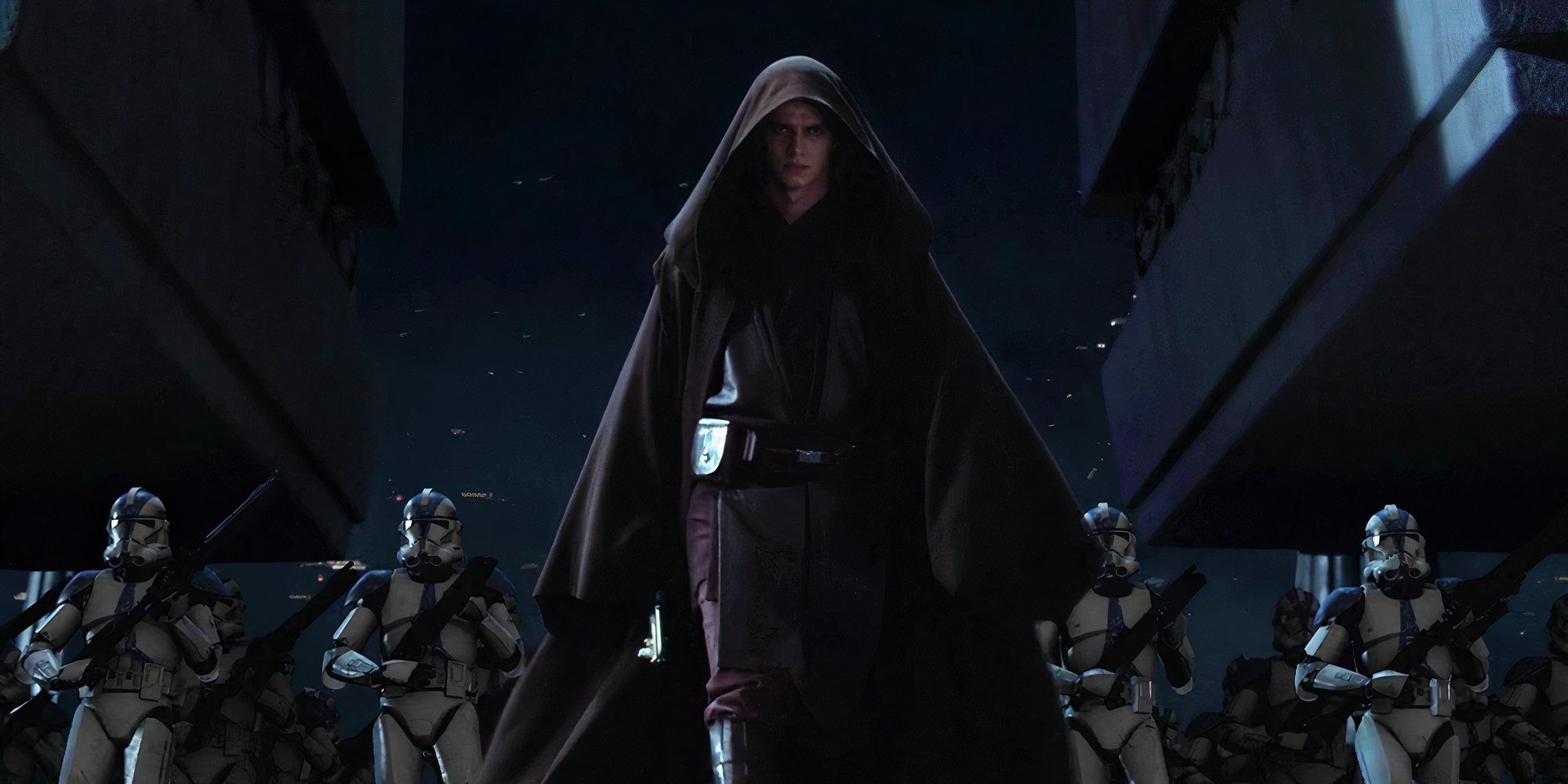
Throughout history, the Jedi have always been central to the galaxy’s conflicts. Even when the Empire ruled, hidden Jedi continued to fight against its injustice. The films, however, haven’t shied away from showing the Jedi’s weaknesses and why they’ve repeatedly fallen short of their goals. From the beginnings shown in the prequel films to Luke Skywalker’s attempt to rebuild the Order, these peacekeepers have never truly been able to maintain lasting peace – they’re constantly challenged, weakened, or ultimately defeated.
While movies and TV shows have explored the Jedi, the comics really delve deeper. They offer a broad look at the Jedi Order across different time periods, and you’ll find Jedi featured in almost any Star Wars comic from Marvel, Dark Horse, or IDW. These stories are particularly insightful, showing how the Jedi’s power changed and ultimately where things began to fall apart.
The Jedi Order Showed Cracks During The High Republic
Understanding the downfall of the Jedi Order in the comics requires looking at three important time periods. The first is called The High Republic. For those unfamiliar, this era happens after the time of Darth Revan and Darth Malgus – they’re long gone by then. It’s a relatively peaceful time for the galaxy, a period of growth before the events of the prequels and the established classic Republic. Essentially, the Sith appear to have disappeared, allowing the Jedi to flourish for a while.
The High Republic era is defined by its efforts to explore and connect the galaxy, mapping out new hyperspace routes. However, this period of expansion is threatened by groups like the Drengir and, especially, the Nihil. The Nihil are planning a massive catastrophe, ambushing ships as they travel through hyperspace and devastating planets. This pulls the Republic back into war, with the ruthless Nihil determined to survive at any cost. While not a full-scale civil war, the conflict will ultimately determine the galaxy’s future.
The Jedi were peacekeepers sent to planets across the Republic, meant to unite systems and offer reassurance. But after defeating the Sith, they became overconfident and failed to foresee a new, large-scale threat. Despite their widespread influence and power, the Jedi were caught off guard by the first attacks from the Nihil. This left the Republic vulnerable and shattered the Jedi’s image as reliable protectors.
The Jedi faced immense challenges and suffered significant setbacks, leading many across the galaxy to question their abilities. Though the Nihil were ultimately defeated, this marked the end of a peaceful and prosperous era. What had once seemed like a secure future was shattered, and many blamed the Jedi. The comics show the Jedi experiencing heavy losses and, for some like Keeve Trennis, a loss of faith in the Order itself. These were difficult times for the Jedi, who were unprepared for the threats they faced, blinded by their own confidence and unable to recognize the underlying problems in the galaxy and within their own ranks.
The Republic Era Made Way For Grave Errors
The Jedi faced challenges during the High Republic comics era, and these issues rapidly escalated. This timeframe, spanning from Star Wars: Episode I – The Phantom Menace to Star Wars: Episode III – Revenge of the Sith, saw the Jedi at their strongest, supported by a new Republic. However, this period also demanded more of them – they were called upon not only to maintain peace, but also to fight as warriors. While battling the Nihil began to turn the Jedi into a fighting force, the Clone Wars ultimately reshaped the Jedi Order into a full-fledged military organization.
The comics reveal a growing disillusionment with the Jedi, something the movies and shows only hint at. They expertly demonstrate how the public’s view of the Jedi began to shift, mirroring the events of The High Republic where faith in the Jedi waned. While some planets still revered the Jedi as legendary heroes defending against droids, many others had a more complicated view, particularly if Separatist ideas had taken root.
Recent Star Wars comics reveal how much the Jedi Order changed over time. For instance, the comic Star Wars: Jedi of the Republic — Mace Windu shows Mace Windu becoming more forceful and dealing with a disillusioned Jedi. Similarly, Star Wars: Kanan: The Last Padawan – which explores the origins of the Star Wars Rebels character Kanan Jarrus – demonstrates how traditional Padawan training was abandoned in favor of preparing young Jedi for war. This ultimately led Kanan to question and reject the Jedi Order’s principles after the events of Order 66.
The Jedi in these comics aren’t just struggling because of the dangers they face, but because their principles are changing to fit the circumstances. Similar to the era of The High Republic, the Jedi weren’t originally designed to be soldiers, and their attempts to adapt cost them the trust of the public and even some of their own members. Once again, the Jedi leadership fails to recognize their mistakes, remaining rigid and unwilling to change their flawed approach.
Even Post-Empire, The Jedi Failed To Rebuild The Right Way
The Empire nearly destroyed the Jedi Order, though a few Jedi survived in hiding. After the fall of Palpatine, Vader, and the Empire, there was hope for rebuilding the Jedi. While the details of this rebuilding have been explored in novels and comics, they haven’t been fully shown in the films. Luke Skywalker attempted to create a new generation of Jedi, drawing heavily on the teachings of the past. He wanted to preserve those traditions, but didn’t fully grasp the mistakes the old Jedi Order had made or how things needed to change.
Ben Solo, the son of Leia and Han, was a student under Luke Skywalker. Like many Jedi before him, Ben began to question Luke’s teachings, which seemed rooted in the past. Luke often spoke of traditional Jedi wisdom, but his actions didn’t always align with those principles. The comics consistently portrayed this new generation of Jedi as still heavily focused on combat, mirroring the warrior traditions of the past. Ultimately, Luke’s own training centered around conflict – it was the only way of life he’d ever known.
As a Star Wars fan, it’s honestly a little sad seeing how quickly the new Jedi Order fell apart in the comics. It really emphasizes that Rey was the first true Jedi of her time, though I guess you could argue about Ahsoka and Grogu! What struck me most was how the comics showed history repeating itself – the galaxy just didn’t get the Jedi, and didn’t trust them. And the Order itself seemed stuck in the past, unable to stay true to its principles when things got tough. It’s a familiar story, and a bit heartbreaking to see it play out again.
If you look at Star Wars comics from any period, you’ll notice a recurring story. It’s a story that was also told in the movies, but the comics explore it with much more depth. This story centers on the Jedi Order’s internal struggles: they grapple with who they are, balancing their roles as both protectors and peacemakers, and failing to recognize the problems within their own organization. These struggles cause them to alienate those who could help, ultimately leading to their downfall. For the Jedi to thrive again, they need to be willing to adapt and change.
Found an error? Send it so it can be corrected.
Read More
- 10 Greatest Manga Endings of All Time
- GBP CNY PREDICTION
- Mark Zuckerberg & Wife Priscilla Chan Make Surprise Debut at Met Gala
- Elon Musk’s Mom Maye Musk Shares Her Parenting Philosophy
- Review: Final Fantasy Tactics: The Ivalice Chronicles (PS5) – Still the Benchmark for Turn-Based Tactics
- Miranda Kerr Shares “Quick” Procedure She Got Before Met Gala 2026
- Forza Horizon 6 Car List So Far: Confirmed Highlights, Cover Cars, DLC, and Rewards
- Ranking the 5 Best Spring 2026 Anime So Far (Mid-Season Update)
- A Major PlayStation Delisting Exposes a Sony Problem
- 10 Best Free Games on Steam in 2026, Ranked
2026-03-21 00:14