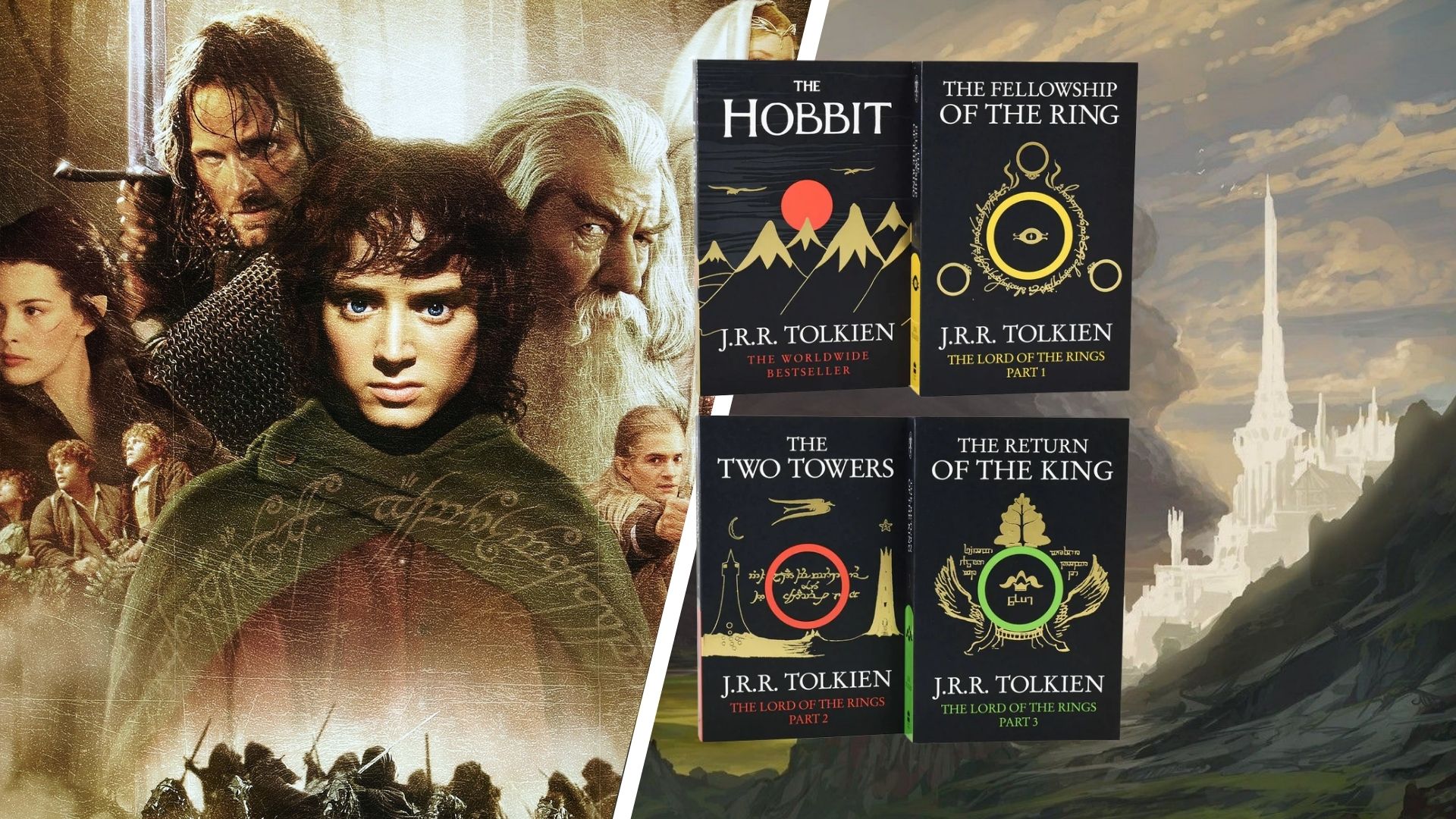
So, you’re a massive fan of The Lord of the Rings and The Hobbit movies – you’ve seen them countless times, know all the lines, and even perform scenes for friends. You’ve debated the best quotes online with other fans. Now you’re waiting for the new spin-off series, but news is slow and casting rumors only go so far. What can you do? The answer is simple: go back to the source material and read the books!
It’s easy to feel overwhelmed when approaching Tolkien’s work, even if you love books. His world of Middle-earth is incredibly detailed, with completely invented languages and a rich, complex history. It’s also a bit complicated because many of his most famous books were published after his death, thanks to the work of his son, Christopher, who managed his literary estate. But don’t worry! Think of this as your helpful guide to the essential books for any dedicated Tolkien fan.
‘The Hobbit’ Is a Cozy Entry Point to Middle-earth
Since The Hobbit was J.R.R. Tolkien’s first book set in the Shire and Middle-earth, it’s the perfect place to begin exploring his world. Published in 1937, it came out about 17 years before The Fellowship of the Ring in 1954. If you’re familiar with Peter Jackson’s movies but haven’t read the books, The Hobbit is where Tolkien’s vast and imaginative world truly began.
People who enjoyed Peter Jackson’s The Hobbit movies might be surprised to revisit them, particularly if they’ve forgotten the criticism the films received. Many critics felt the story was stretched out unnecessarily to maximize profits, which resulted in some questionable changes to the original plot.
If you think The Hobbit movies would have worked better as one shorter film, the original book’s brevity might be exactly what you’re looking for. And while The Hobbit was initially aimed at children, it’s surprisingly complex. In fact, it’s a great way to start exploring the more challenging literature of Middle-earth.
The ‘Lord of the Rings’ Trilogy Is J.R.R. Tolkien’s Primary Epic
New Line Cinema
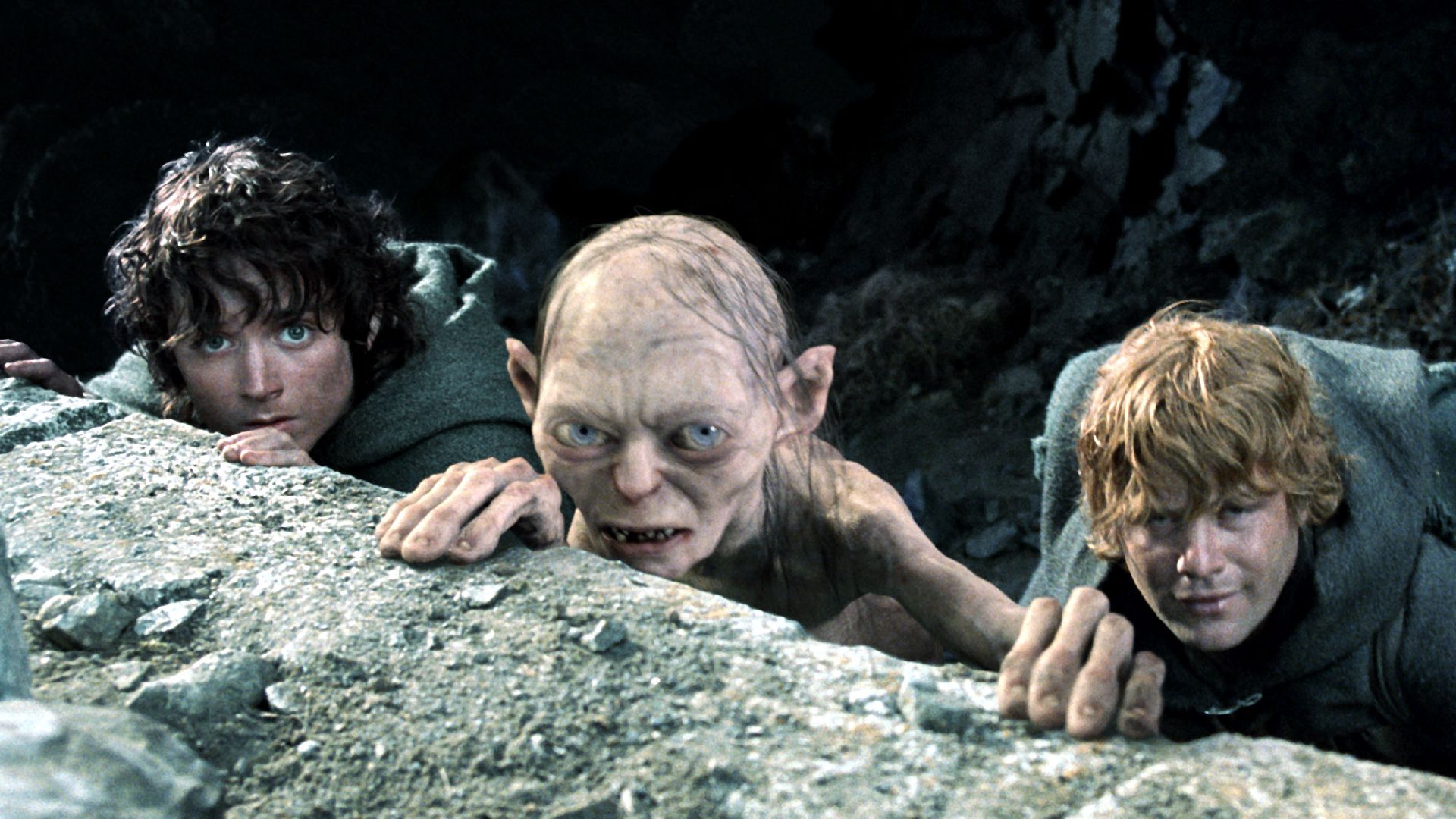
J.R.R. Tolkien’s most famous work, The Lord of the Rings trilogy—comprising The Fellowship of the Ring, The Two Towers, and The Return of the King—offers a truly captivating escape into another world. With terrifying creatures like orcs, giant tree-herds (Ents), and the terrifying Ringwraiths, along with the looming threat of the dark lord Sauron, Tolkien’s Middle-earth is a dangerous place. This makes the quest of the hero, Frodo Baggins, and his companions in the Fellowship of the Ring to destroy a powerful and corrupting artifact all the more urgent and exciting.
Peter Jackson’s Lord of the Rings films stay true to the heart of Tolkien’s story, but they do include some differences and additions made by the filmmakers. For example, the character of Gollum is portrayed slightly differently in the books than in the movies, where Andy Serkis gave a particularly memorable performance. However, these changes shouldn’t detract from the overall experience. Both the books and the films capture the same grand and adventurous feeling.
‘The Silmarillion’ Takes the Lore To an Advanced Level
Cate Blanchett’s portrayal of Galadriel in the first Lord of the Rings movie offers a taste of Middle-earth’s vast history and the world beyond, but it only scratches the surface of J.R.R. Tolkien’s incredibly detailed and ancient universe, and the mind behind it. However, adapting Tolkien’s The Silmarillion – a book he worked on for decades and which was published in 1977, four years after his death, thanks to his son Christopher – is famously difficult. The book covers the entire history of Middle-earth and beyond, and is filled with so many storylines it’s almost too much to take in.
Let’s be honest: reading The Silmarillion is quite different from reading The Hobbit. It might even make The Lord of the Rings seem like a light, easy read! However, if you want to truly lose yourself in Tolkien’s world and gain a deeper appreciation for his stories, The Silmarillion is absolutely worth the effort (it’s sold millions of copies for a reason, according to The Guardian). Plus, movie fans are in for a surprise – Peter Jackson included at least 11 references to The Silmarillion in his films. So, if you decide to read Tolkien’s detailed history, you’ll already have a fun Easter egg hunt – or perhaps a quest – waiting for you.
Christopher Tolkien’s ‘The Lord of the Rings’ Volumes Expand on Middle-earth
New Line Cinema
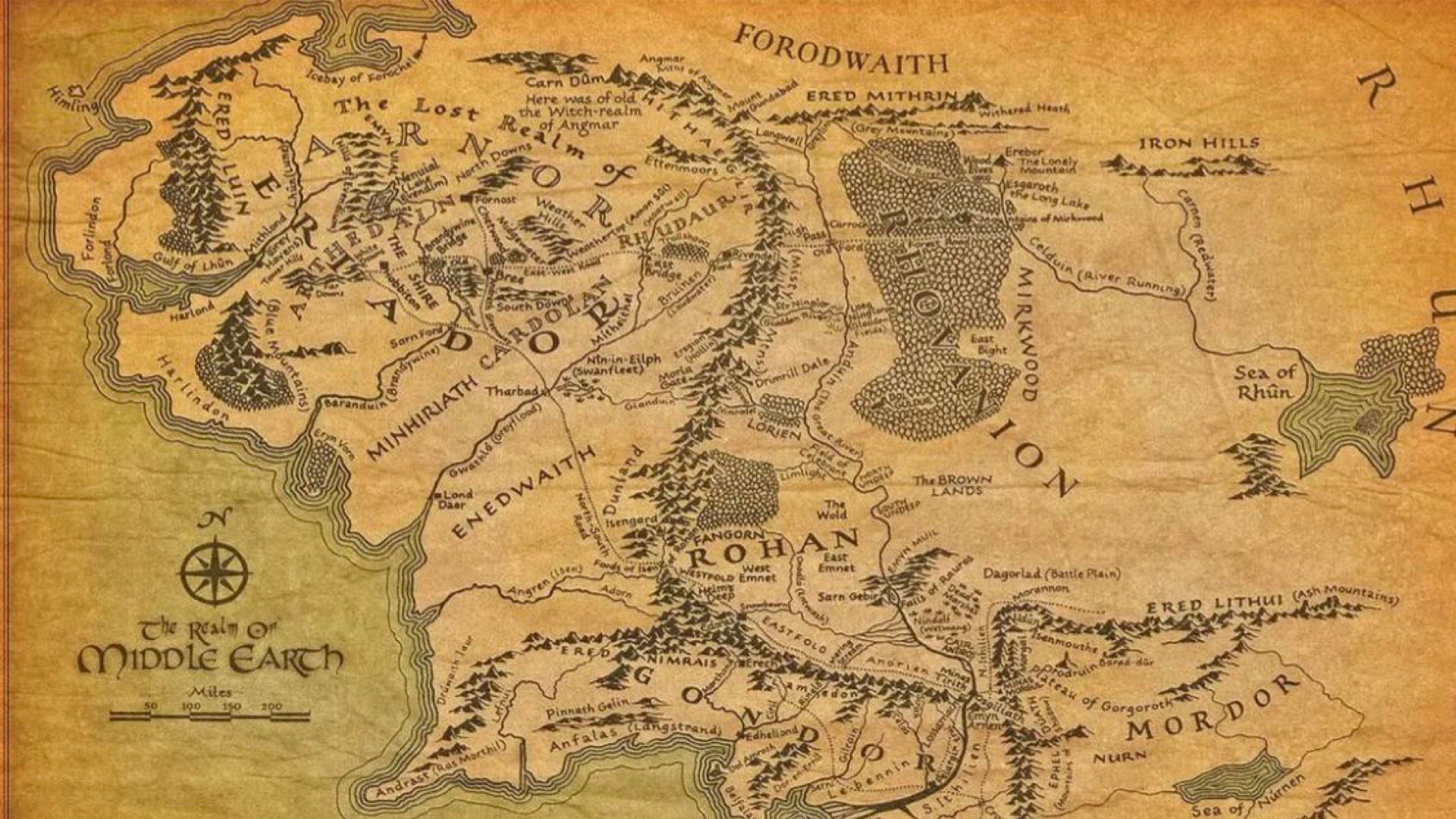
Christopher Tolkien played a huge role in ensuring his father’s literary legacy endured. He dedicated his life to assembling and publishing his father’s unfinished works, such as The Silmarillion. A collection of essays published in 2022, two years after Christopher’s death, titled The Great Tales Never End: Essays in Memory of Christopher Tolkien, reveals how deeply committed he was to preserving his father’s stories – it was truly a labor of love.
By the time my father passed away, he had written a vast amount about the Three Ages over his lifetime. However, it was a disorganized collection of notes, mostly unfinished ideas, and covered a wide range of topics. Preparing it for publication felt incredibly daunting, as it involved shaping something truly personal and original.
Saving these writings was a massive challenge, comparable to the quest to destroy the One Ring in Mordor. As Christopher Tolkien explained in The Great Tales, it meant reconstructing poems written in an old, complex style, and deciphering fragments of his father’s work—including invented languages that only J.R.R. Tolkien fully mastered. Christopher even noted, as reported by The Guardian, that his father’s invented languages were more fascinating to him than the study of Old English.
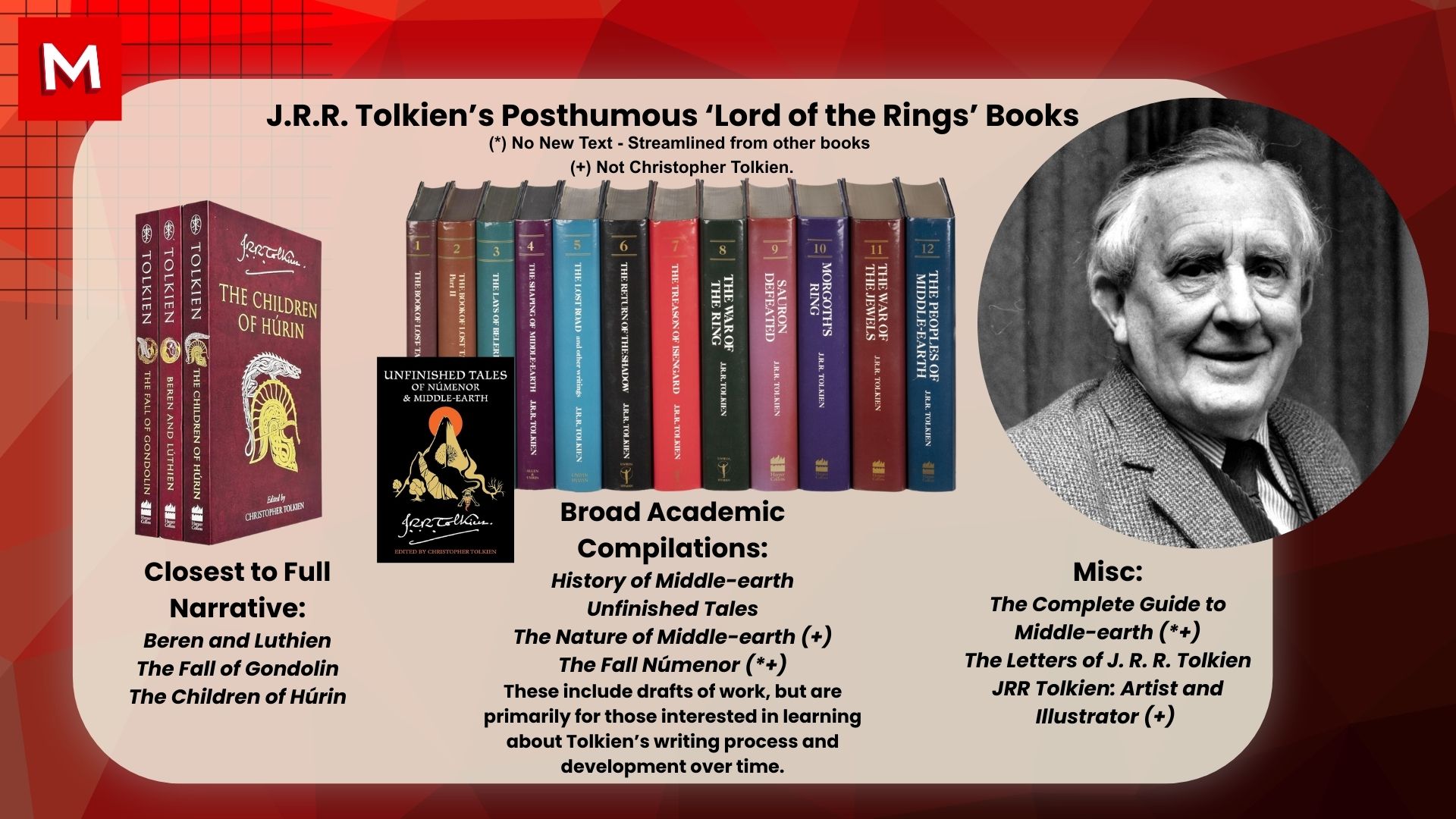
Christopher Tolkien undoubtedly achieved his goal, and did so remarkably well. Similar to The Silmarillion, the collections he assembled from his father’s writings have been hugely successful worldwide, and offer a unique, compelling look at literary collaboration that deserves academic study. The Children of Húrin is perhaps the best example of how perfectly his father’s original writing and Christopher’s skill at piecing together fragments worked together. Following that, Beren and Lúthien and The Fall of Gondolin – stories originally found within The Silmarillion but expanded into full books – are also well worth reading.
You’ve reached the final published writings about Middle-earth, representing the last contributions J.R.R. Tolkien and his son Christopher made to this world. But don’t be sad! The wonderful thing about books and films is you can always enjoy them again whenever you wish.

5 Questions
Found an error? Send it info@movieweb.com so it can be corrected.
Read More
- Mark Zuckerberg & Wife Priscilla Chan Make Surprise Debut at Met Gala
- Elon Musk’s Mom Maye Musk Shares Her Parenting Philosophy
- 10 Greatest Manga Endings of All Time
- GBP CNY PREDICTION
- Forza Horizon 6 Car List So Far: Confirmed Highlights, Cover Cars, DLC, and Rewards
- Review: Final Fantasy Tactics: The Ivalice Chronicles (PS5) – Still the Benchmark for Turn-Based Tactics
- Miranda Kerr Shares “Quick” Procedure She Got Before Met Gala 2026
- Ranking the 5 Best Spring 2026 Anime So Far (Mid-Season Update)
- A Major PlayStation Delisting Exposes a Sony Problem
- 10 Best Free Games on Steam in 2026, Ranked
2026-03-21 18:34