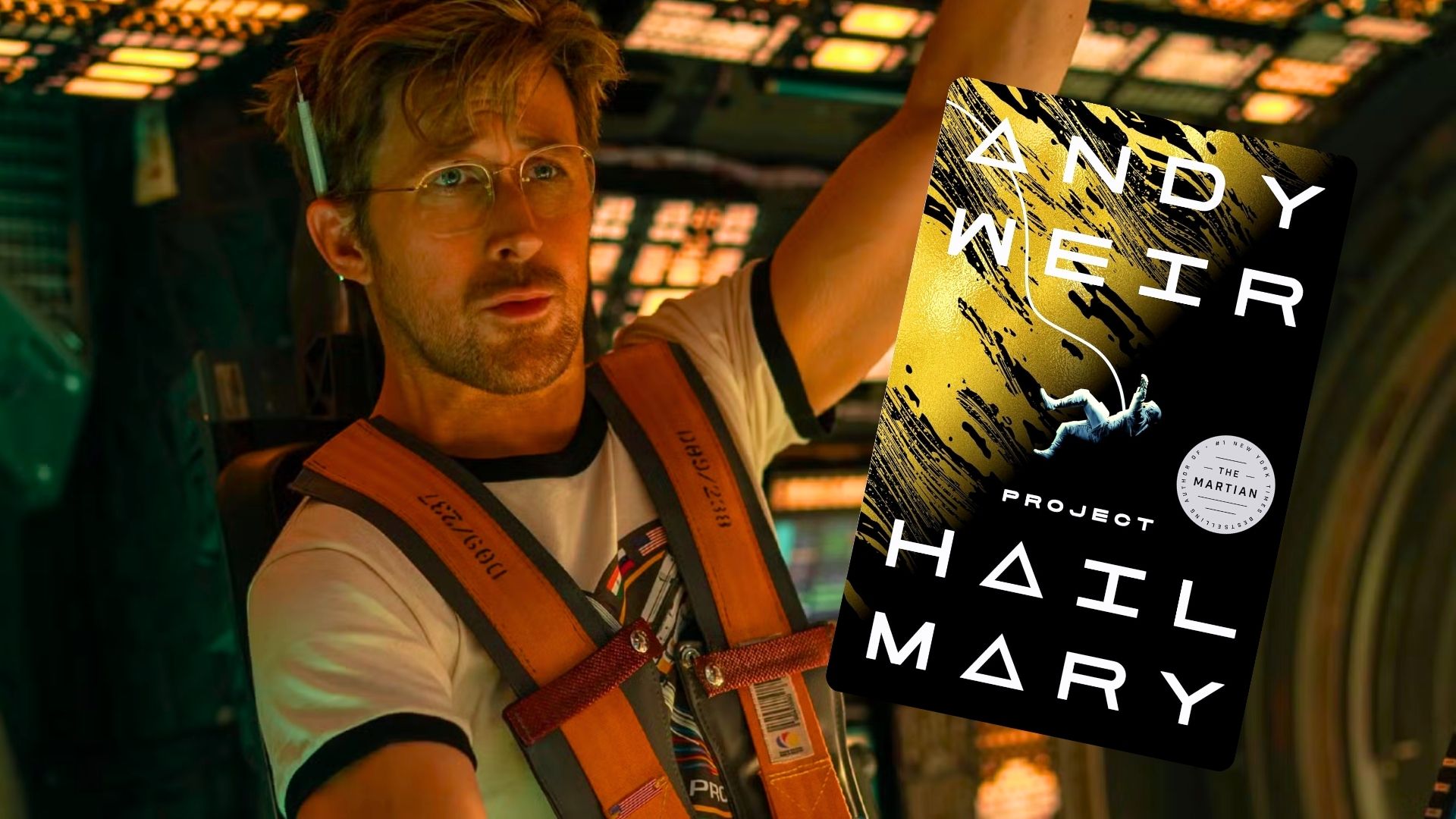
Turning Andy Weir’s novel, Project Hail Mary, into a movie was a significant undertaking. While many are excited to see directors Phil Lord and Chris Miller back together after a decade, this also marks the second time Drew Goddard has adapted Weir’s work for the screen. He previously wrote the screenplay for The Martian, which Ridley Scott directed in 2015. But Project Hail Mary presented a unique challenge: unlike The Martian, which featured a large cast interacting with each other, most of this film focuses on Ryan Gosling’s character, Ryland Grace, who is largely on his own. And when he isn’t, his companion is brought to life using a combination of computer-generated imagery and puppetry.
Despite being an adaptation, the film makes excellent use of the original story, letting the directors create something truly impressive. The core relationship between Grace and Rocky, and the book’s main ideas, remain central to the movie. As with any adaptation, though, there are changes. Here’s a look at some of the biggest differences between the Project Hail Mary book and the film.
The Coma Gene Is Never Explained in the Movie
Amazon MGM Studios
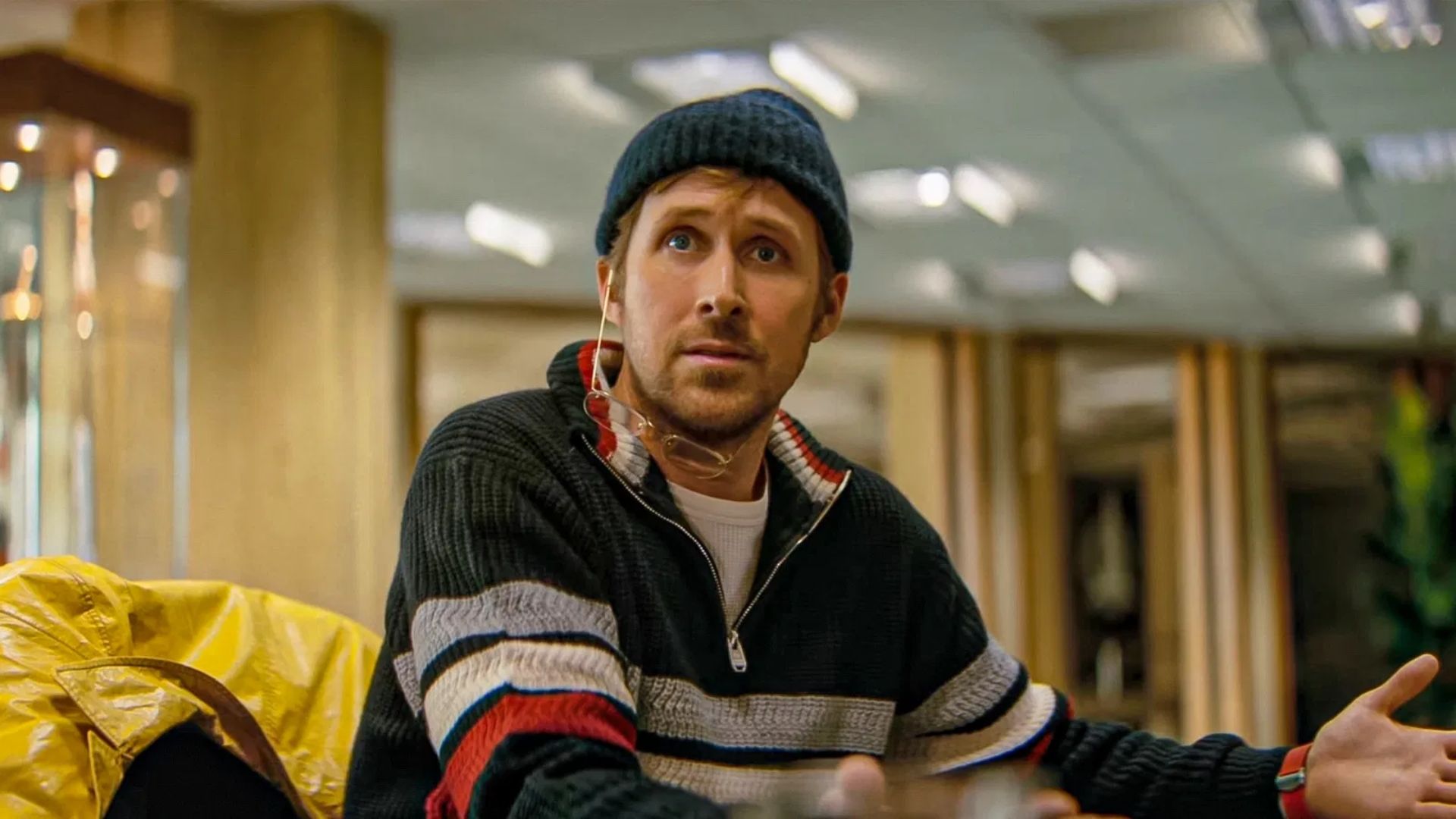
A key reason Grace is sent on the Hail Mary mission is a unique gene he possesses that makes him resistant to comas. Andy Weir’s novel is rooted in scientific accuracy, constantly seeking realistic explanations for its fantastical elements, like interstellar travel. Project Hail Mary reveals that the immense journey to another star system would likely cause astronauts to lose their minds. Therefore, the project leader, Stratt, decides to place the crew in medically induced comas for the voyage, relying on automated systems to keep them alive.
Even on Earth, medically induced comas are dangerous. Luckily, some people have genes that make them much less risky, but this also severely limits the number of people who could even be considered for the mission. Grace is one of those people, which is why he was specifically taken and forced to participate – a detail the movie never reveals. The film only makes a passing, ironic comment when a character tells Grace, “There’s no gene for bravery.”
Grace’s Desperate Attempt to Save Rocky
Amazon MGM Studios
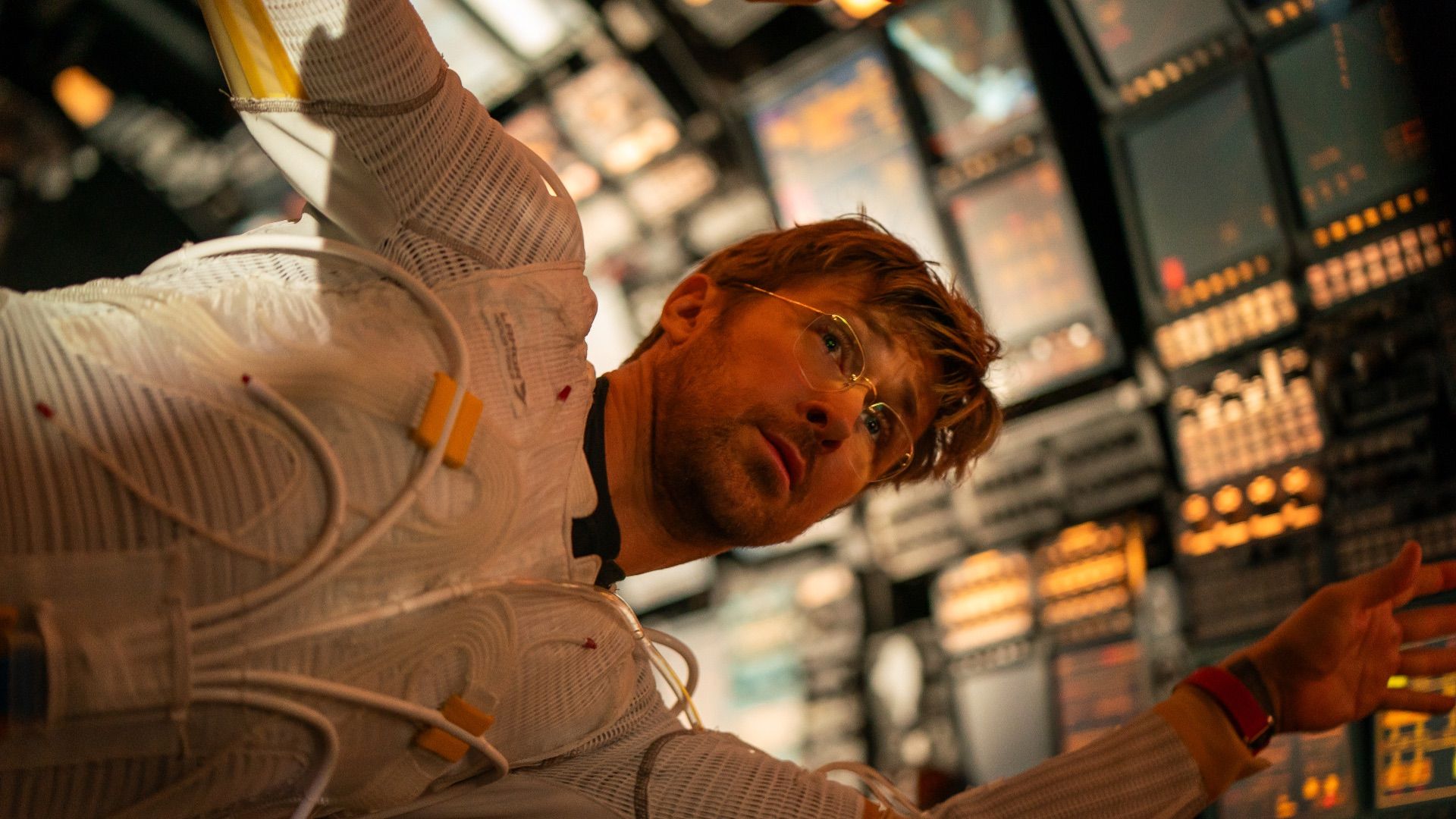
The film adaptation of Project Hail Mary powerfully depicts a crucial scene where Rocky appears to sacrifice himself to save Grace from being crushed by intense g-forces. He ventures outside his protective atmospheric bubble, and the movie accurately portrays this moment from the book. However, the events that follow diverge significantly. In the film, Rocky manages to crawl back into his bubble on his own, while in the book, he loses consciousness due to the atmospheric change. After Rocky saves her, Grace desperately tries to pull him back inside, even burning himself as Rocky’s body temperature rises.
The book expands on the story by showing Grace building a device to examine the inner workings of Rocky’s body. She uses it to remove a dark, dusty material, aiding his recovery. Because the movie focuses so much on how Grace gets the samples and Rocky’s selfless act, there isn’t much space to show the parts of the book where Grace repays him for his sacrifice.
A Supporting Character Named Dimitri Is Missing
Amazon MGM Studios/Sony Pictures Releasing International
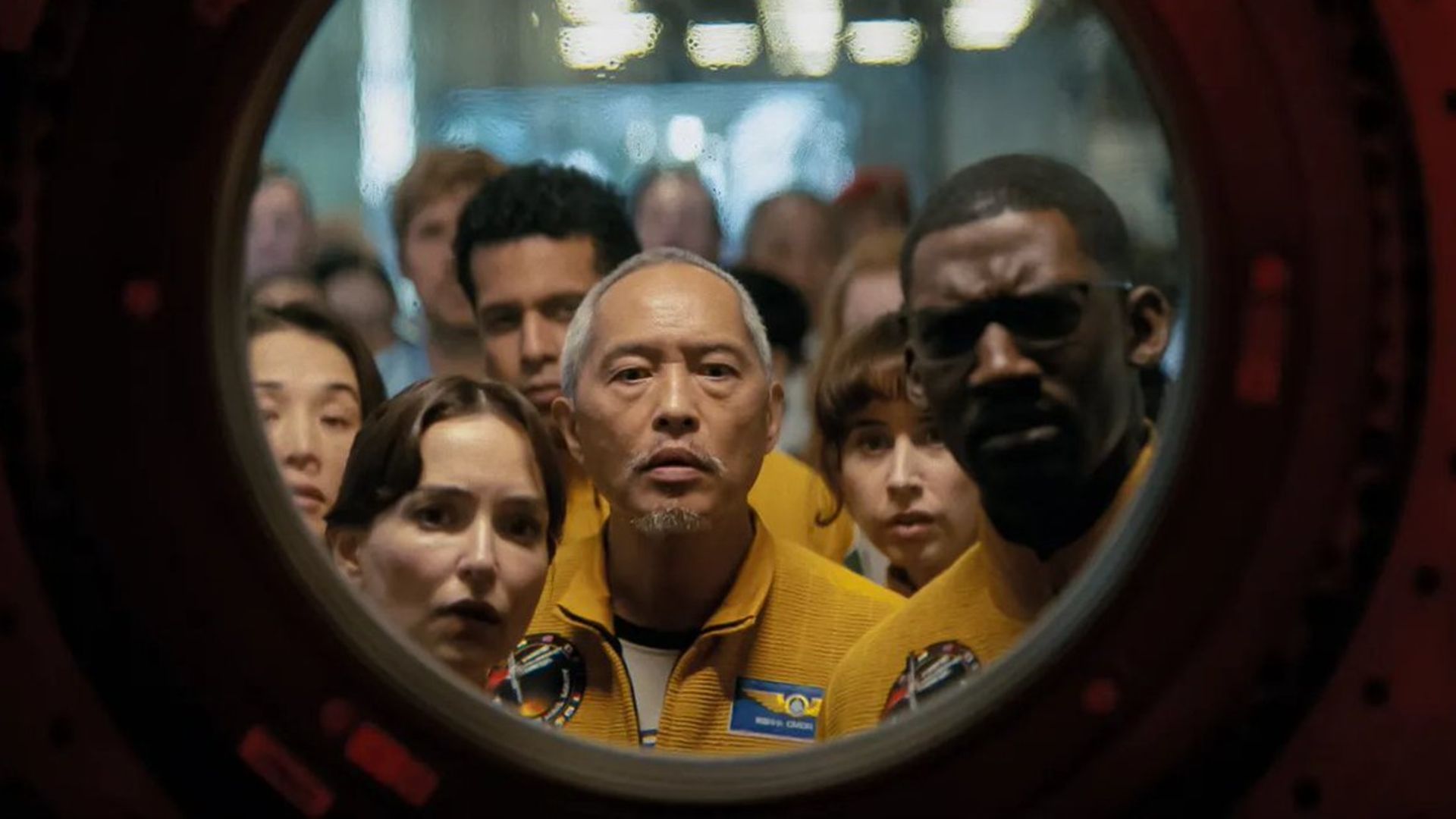
The film leaves out Dimitri Komorov, a Russian engineer who is a key partner to Grace in the book’s Earth-based sections. While the movie focuses on Grace’s work with Astrophage, Dimitri isn’t included at all, and other scientists take his place. The novel also explains how Dimitri actually builds the spin drive, which is a significant detail left out of the film. This is surprising, as Grace’s Earth scenes in the movie mainly feature her interacting only with Stratt and a security officer named Carl.
In the novel Project Hail Mary, the story gradually reveals the team working to save Earth, with Dimitri being one of several memorable characters contributing to the mission. While the book features detailed scientific conversations with him, the movie understandably leaves Dimitri out. Films don’t have the time to delve into every important detail, such as the inner workings of the Hail Mary spaceship’s spin drive.
A Character and Subplot Involving Climate Change is Removed From ‘Project Hail Mary’
Amazon MGM Studios/Sony Pictures Releasing International
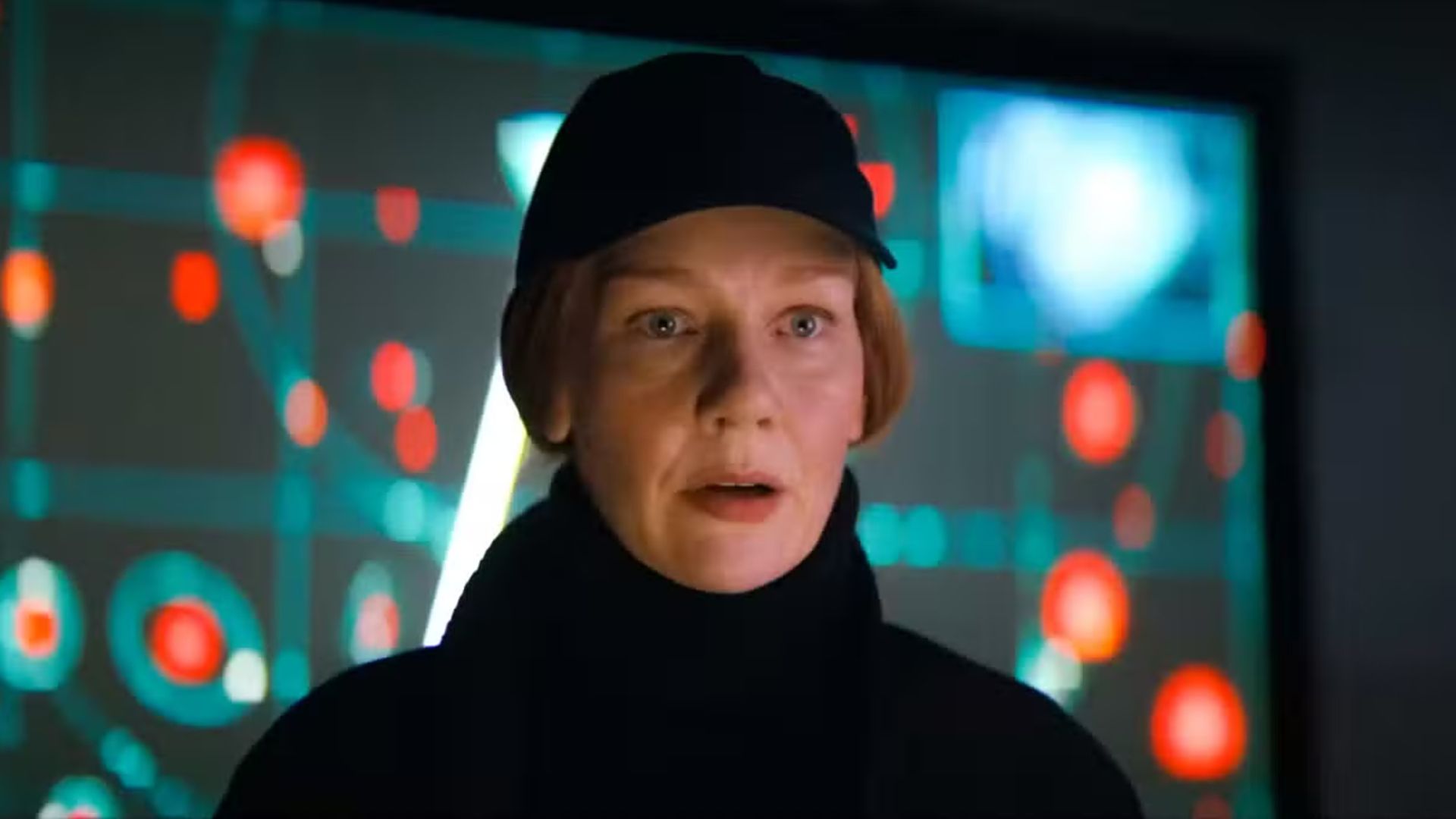
Since Project Hail Mary centers around the sun losing its brightness, the novel understandably details the consequences for Earth. The movie adaptation effectively conveys the urgency and potential devastation if the problem isn’t solved. However, the film doesn’t explore the specific steps taken by the team to buy time for the planet. For example, it doesn’t show how Dr. François Leclerc, a doctor and climate scientist brought in by Stratt, helps explain and address the drastic changes happening to Earth’s environment due to the dimming sun.
Leclerc assists Stratt in devising a desperate, short-term solution: detonating nuclear bombs under the Arctic ice to artificially warm the planet. While this addresses existing concerns about greenhouse gases and climate change, it only buys time for a team to travel to space and find a way to stop the astrophage – microscopic organisms consuming Earth’s sun. The film skips over all the efforts Project Hail Mary undertakes on Earth to prolong life, and, like Dimitri, Leclerc’s contributions are also left out.
The Astrophage Fuel Problem is Never Addressed
Amazon MGM Studios
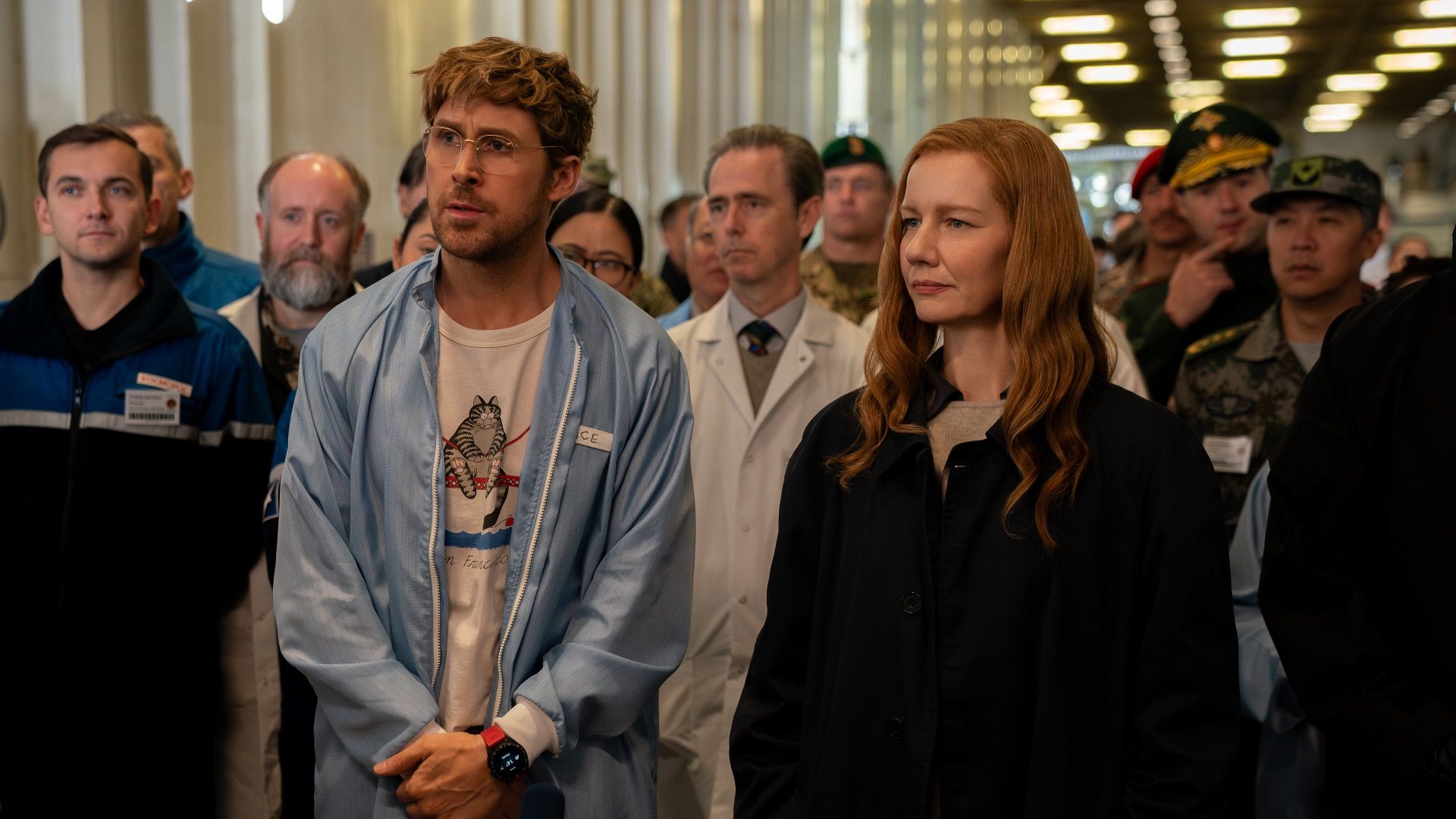
In both the film and book Project Hail Mary, a life form called astrophage is both the central problem and, surprisingly, part of the solution. Its immense power leads to it being developed as a fuel source for the Hail Mary spaceship. A pivotal scene where Grace and Carl discover how to breed astrophage closely follows the book’s events, even replicating Grace’s exact breeding method. However, the novel presents a challenge: astrophage can’t reproduce quickly enough to generate the amount of fuel needed for long-distance space travel.
Honestly, one of the biggest things missing from the film, compared to the book, is the whole struggle to create astrophage. The novel dedicates chapters to different attempts at rapidly breeding it, but in the movie, it just… happens. Given how much is already going on – astrophage being both a threat and a power source is complicated enough – I get why Goddard streamlined things. It seems he decided to focus the conflict on Grace and Rocky’s hunt for a natural predator to control the astrophage, which is a much tighter narrative for the screen. We never even see or hear about the efforts to actually make the stuff, which felt like a significant omission.
An Exciting Ship Docking Sequence Is Never Shown
Amazon MGM Studios
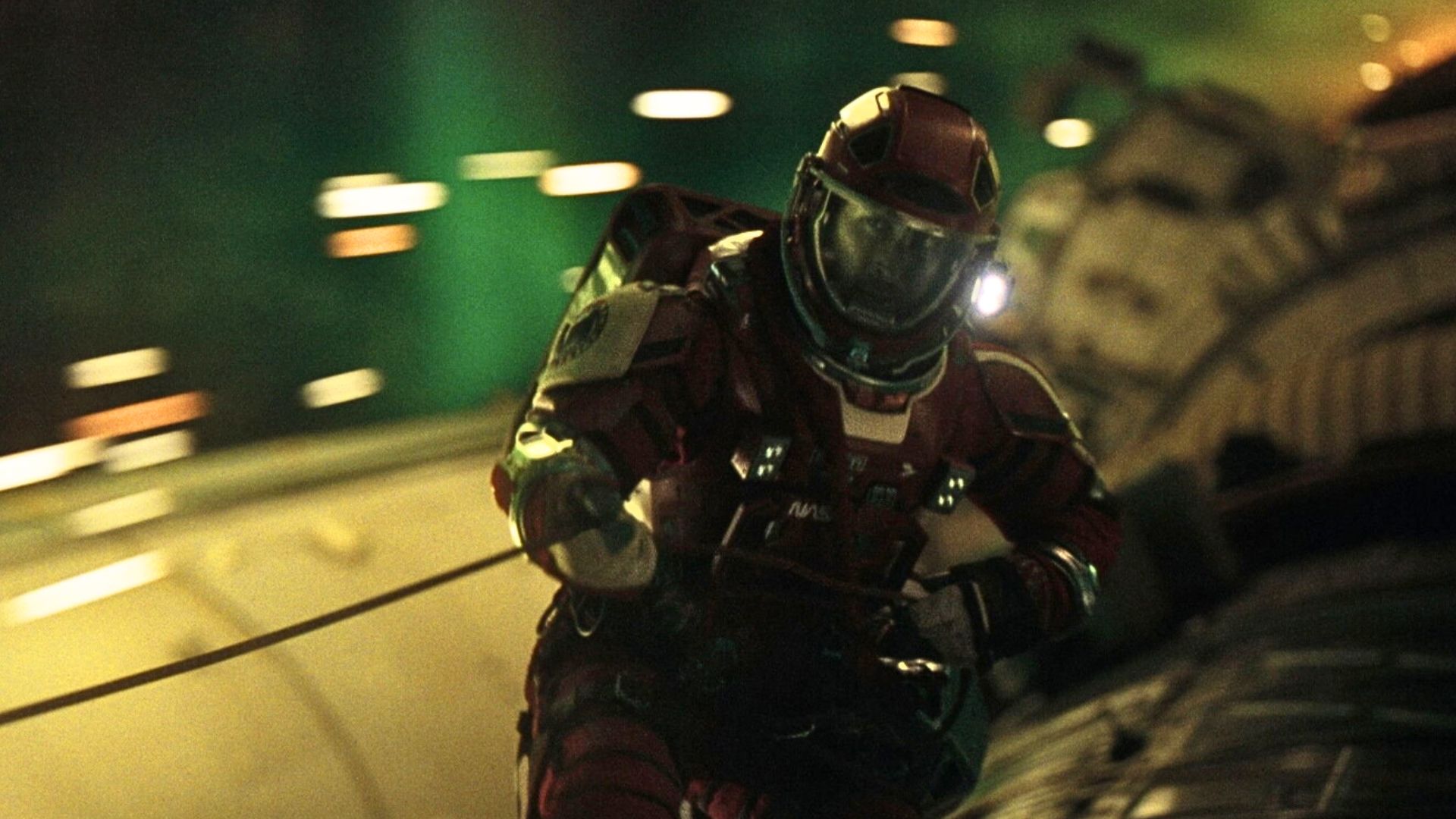
Like most grand science fiction stories, Project Hail Mary showcases stunning visuals of the spaceship Ryland Grace travels on. The ship itself is central to the plot, filled with intricate parts designed for its critical mission: saving the sun through scientific discovery. However, the film doesn’t spend much time on the Beetle Proves – four smaller ships whose purpose is to transmit all the gathered data back to Earth. They briefly appear, perform their function, and then quickly disappear.
In-depth book-to-film adaptation breakdowns — subscribe
Subscribe to the newsletter for thoughtful book-versus-film analysis: we examine omissions, character cuts, and adaptation trade-offs, including those in Project Hail Mary, so you understand what was kept, what was removed, and why.
However, the beetles play a crucial role in the novel when they become a temporary fuel source for the Hail Mary. After Taomeba, the Astrophage predator (and the ship’s usual fuel), consumes all the ship’s fuel, Grace and Rocky attach the beetles to the Hail Mary’s exterior. They then manually steer the beetles using a tablet, performing a risky maneuver to reach Rocky’s ship and refuel. It’s a bit disappointing that this exciting docking sequence wasn’t more elaborate, as it had the potential to be as visually stunning as the one in the movie Interstellar.
Even with the necessary changes for the screen, the movie adaptation of Project Hail Mary remains faithful to the spirit of Andy Weir’s book. Considering how much material there was to cover, it’s remarkable how well the film manages to capture the science, story, and intricate details.

Found an error? Send it info@movieweb.com so it can be corrected.
Read More
- Mark Zuckerberg & Wife Priscilla Chan Make Surprise Debut at Met Gala
- Elon Musk’s Mom Maye Musk Shares Her Parenting Philosophy
- 10 Greatest Manga Endings of All Time
- GBP CNY PREDICTION
- Forza Horizon 6 Car List So Far: Confirmed Highlights, Cover Cars, DLC, and Rewards
- Review: Final Fantasy Tactics: The Ivalice Chronicles (PS5) – Still the Benchmark for Turn-Based Tactics
- Miranda Kerr Shares “Quick” Procedure She Got Before Met Gala 2026
- Ranking the 5 Best Spring 2026 Anime So Far (Mid-Season Update)
- A Major PlayStation Delisting Exposes a Sony Problem
- 10 Best Free Games on Steam in 2026, Ranked
2026-03-21 20:52