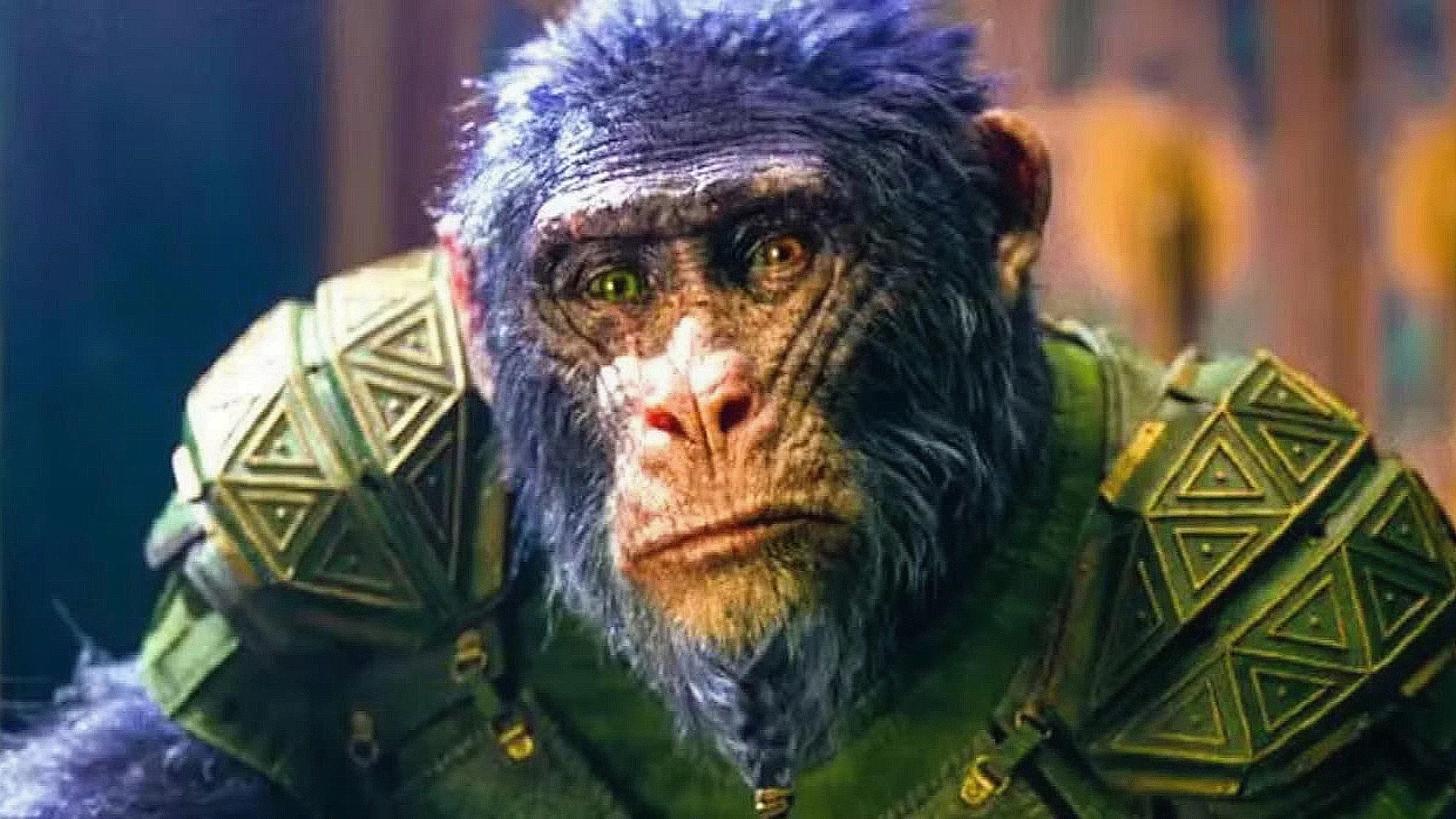
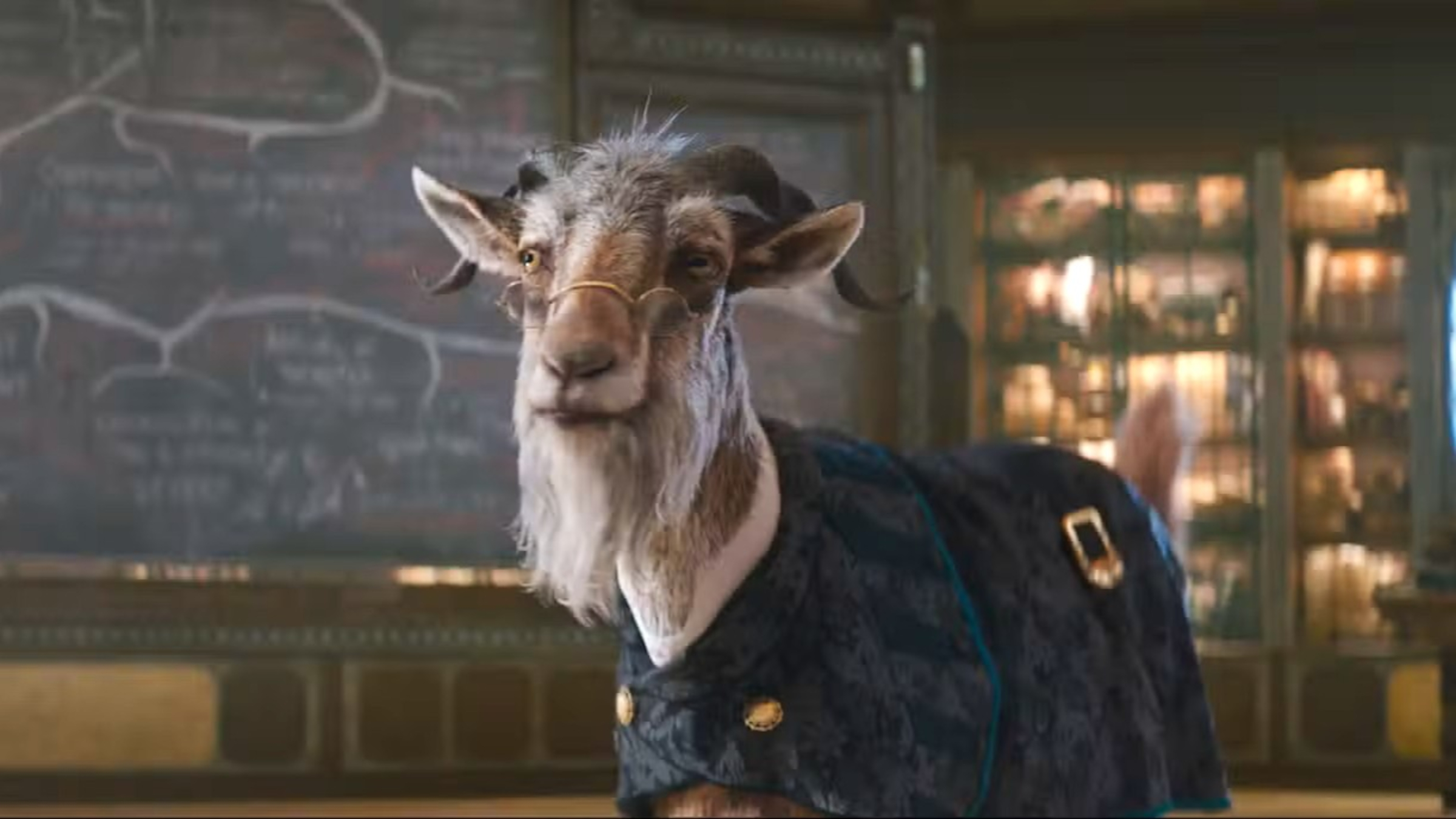
In the musical Wicked, Elphaba’s fight for justice is closely tied to the mistreatment of the Animals, and their loss of speech is a key part of that struggle. While this loss is central to the stories of characters like Doctor Dillamond and Chistery, the musical—and its sequel, Wicked: For Good—never fully explains how or why it happens. Seeing Doctor Dillamond go from giving lectures to only making animal sounds is a particularly upsetting moment, but the show doesn’t reveal the process behind this change.
Many audience members suspect the Animals are being magically silenced, especially considering Madame Morrible’s motives, and that’s a reasonable assumption. However, the reason for their silence is more complex than a simple spell. This intentional vagueness encourages viewers to consider the significance of their loss. This aspect of Wicked is designed to communicate a powerful message about the experiences of those who are marginalized and oppressed. Please be aware that the following contains spoilers for both Wicked and Wicked: For Good.
Animals Losing Speech Stems From Madame Morrible & the Wizard’s Plans – but Is It a Spell?
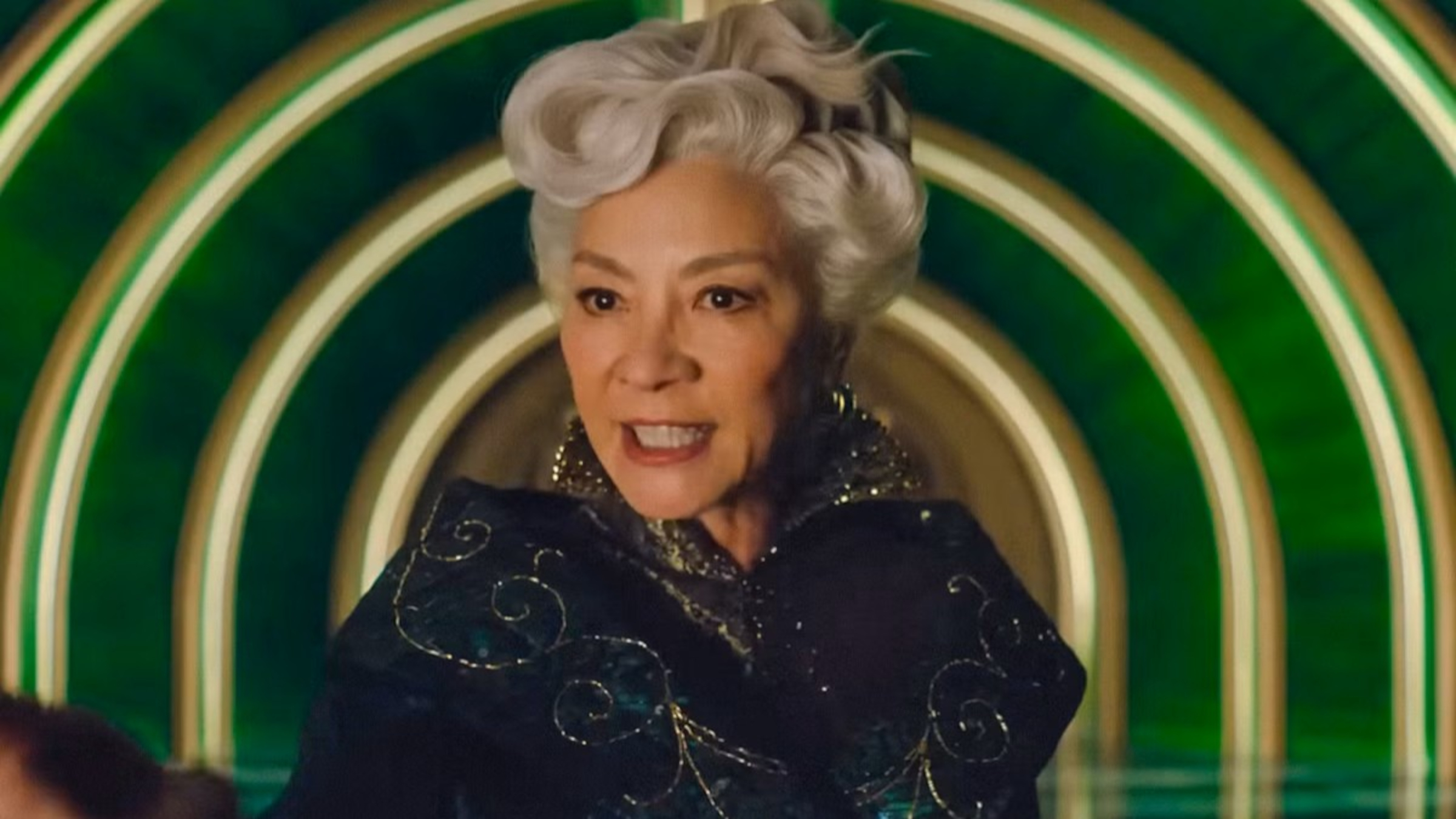
The animals’ loss of speech is a direct result of the Wizard and Madame Morrible’s plot to control them and blame them for problems. While it’s not confirmed, it appears magic is being used, especially given the scene with Doctor Dillamond. Considering Madame Morrible’s willingness to manipulate bodies – as seen with Chistery and the flying monkeys through Elphaba and the Grimmerie – it’s highly likely they would use magic to silence the animals if they could.
The core issue isn’t whether magic caused the Animals to fall silent, or if Elphaba and the Grimmerie were necessary to prevent it. Suggesting Madame Morrible cast a spell feels like a weak explanation. Ultimately, it’s more important to understand the larger meaning of this change, which still comes down to the consequences of Madame Morrible and the Wizard’s choices.
The Deeper Meaning Behind the Animals Losing the Ability to Speak in Wicked
The story of the Animals losing their voices in Wicked isn’t about magic, but about control. It visually represents how those in power silence others to maintain control. As the Animals lose their ability to speak, they also lose their ability to protect themselves, making it easier for Oz’s leaders to dominate them and for the citizens to dismiss them as less than equal. Gregory Maguire’s original novels explain that discrimination and the resulting trauma are the cause of their silence, and this theme remains present – though often more subtly – in the musical and movie versions of Wicked.
This creates a repeating pattern: how people are treated can actually change who they become. The Animals, because they are seen as thoughtless and unable to speak, start to behave that way, confirming others’ expectations. This cycle only ends when they find their voices again – and that happens when others finally treat them with kindness and listen to what they have to say.
Wicked: For Good’s Ending Reaffirms Why the Animals Lost Their Speech
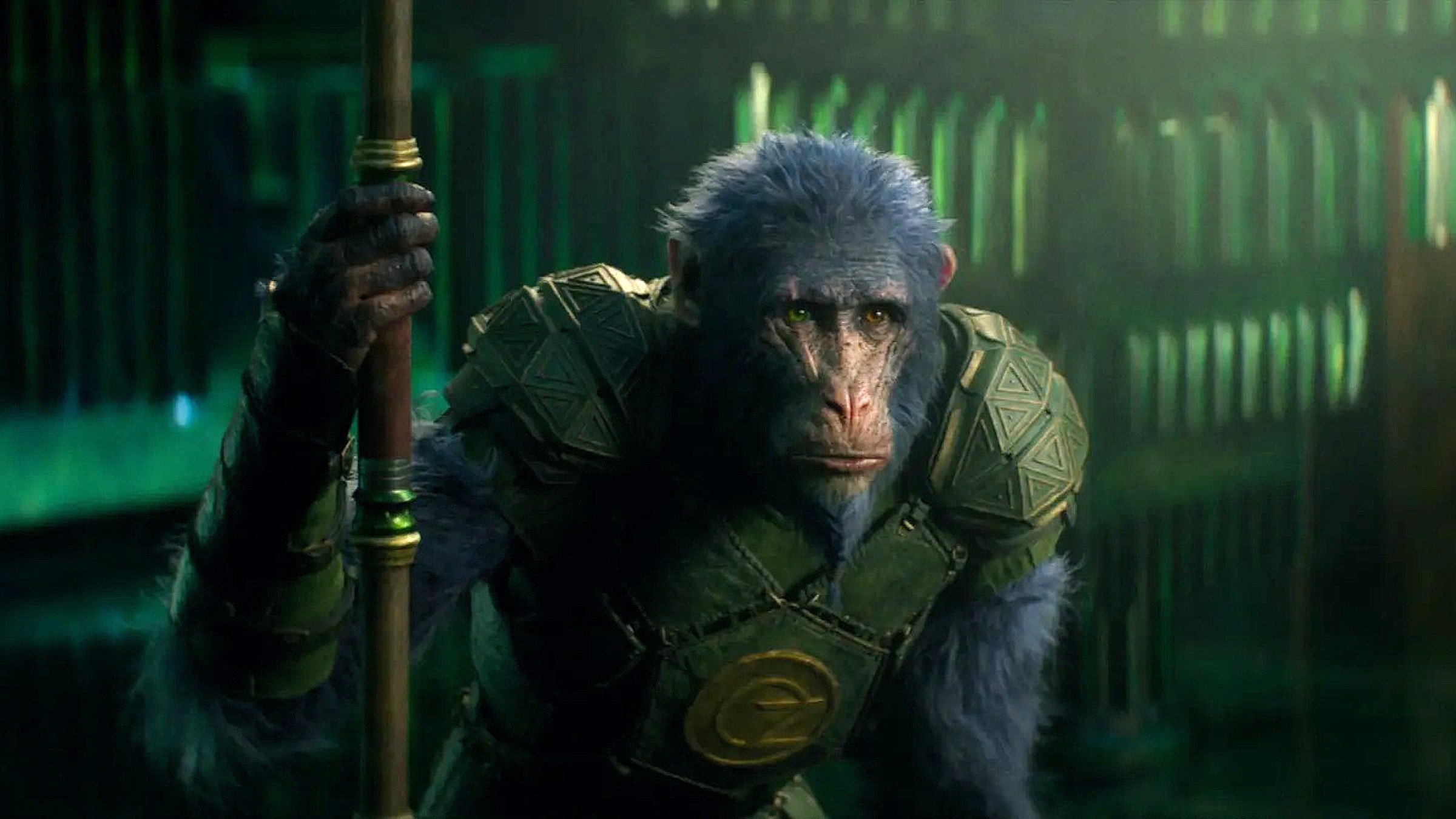
The conclusion of Wicked: For Good shows that the Animals lost their ability to speak not because of a spell, but due to how they were treated. As Glinda creates a more accepting environment, they slowly begin to regain their voices. Unlike a spell that would instantly restore their speech when Madame Morrible is gone, Chistery is still learning to speak again, encouraged by Elphaba and Glinda. We also see Doctor Dillamond return to teaching, suggesting he’s speaking again too. This hopeful outcome highlights how mistreatment and systemic silencing can be overcome with acceptance and support.
What do you think? Leave a comment and join the conversation now in the ComicBook Forum!
https://comicbook.com/movies/list/3-movies-to-watch-after-wicked-for-good/embed/#
Read More
- Mark Zuckerberg & Wife Priscilla Chan Make Surprise Debut at Met Gala
- Elon Musk’s Mom Maye Musk Shares Her Parenting Philosophy
- 10 Greatest Manga Endings of All Time
- GBP CNY PREDICTION
- Forza Horizon 6 Car List So Far: Confirmed Highlights, Cover Cars, DLC, and Rewards
- Review: Final Fantasy Tactics: The Ivalice Chronicles (PS5) – Still the Benchmark for Turn-Based Tactics
- Miranda Kerr Shares “Quick” Procedure She Got Before Met Gala 2026
- Ranking the 5 Best Spring 2026 Anime So Far (Mid-Season Update)
- A Major PlayStation Delisting Exposes a Sony Problem
- 10 Best Free Games on Steam in 2026, Ranked
2026-03-22 02:10