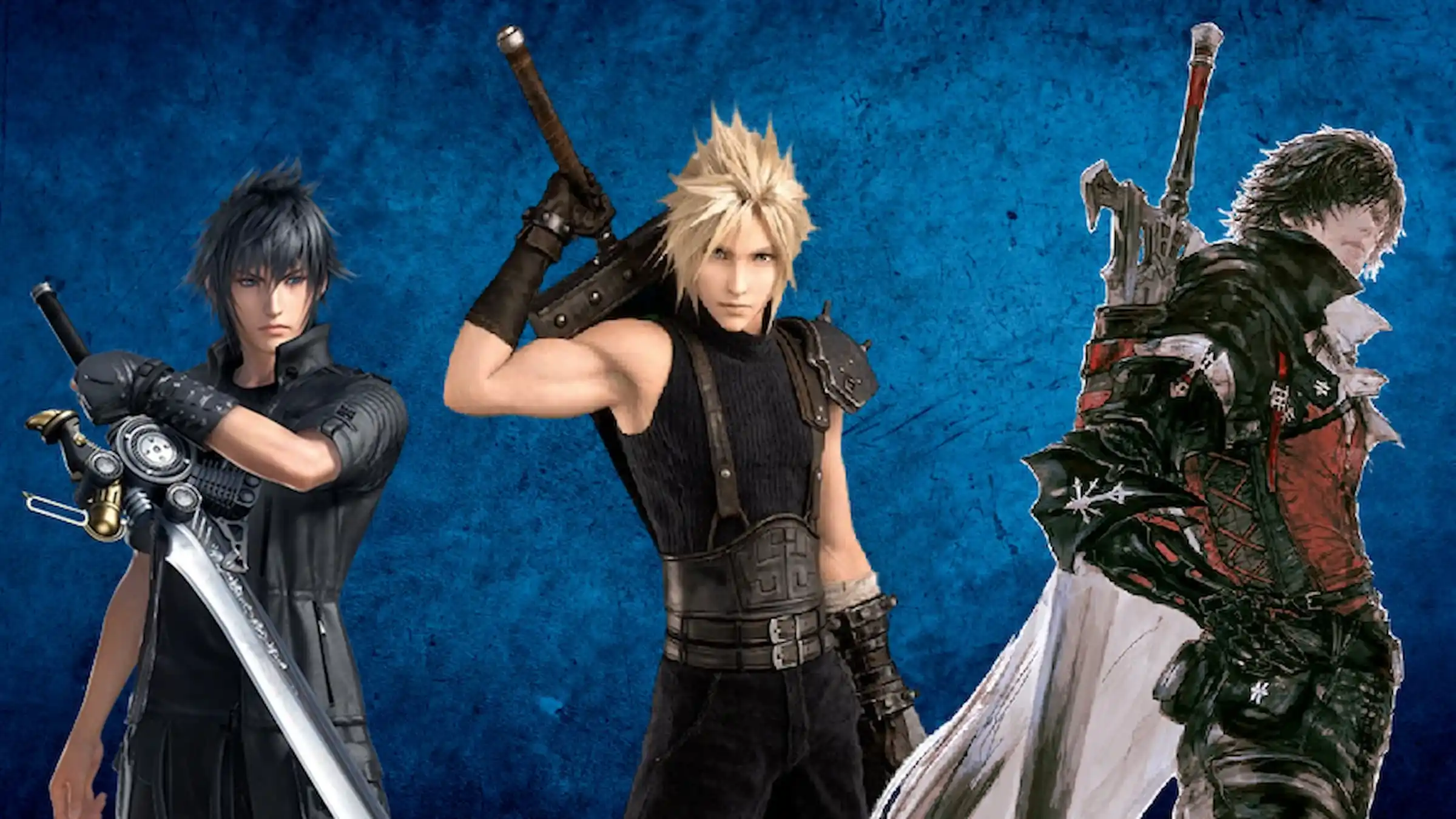
The Final Fantasy series is known for creating some of gaming’s most beloved and unforgettable characters. For decades, players have connected with these larger-than-life figures, who are complex, face personal challenges, and navigate worlds filled with magic and political intrigue. Cloud Strife is a prime example – one of the most famous video game heroes ever – and the newest game’s protagonist, Clive Rosfield, continues that tradition of compelling characters.
While Cloud is incredibly memorable, not all Final Fantasy heroes have resonated as strongly with players. Throughout the series, both older and newer games have featured main characters who feel underdeveloped or detached from their own stories. This can be due to issues with the writing, character design, or the overall focus of the narrative. Each of the five protagonists discussed here faces a unique challenge, whether it’s a lack of compelling personality, minimal impact on the plot, or a forgettable appearance.
5) Noctis
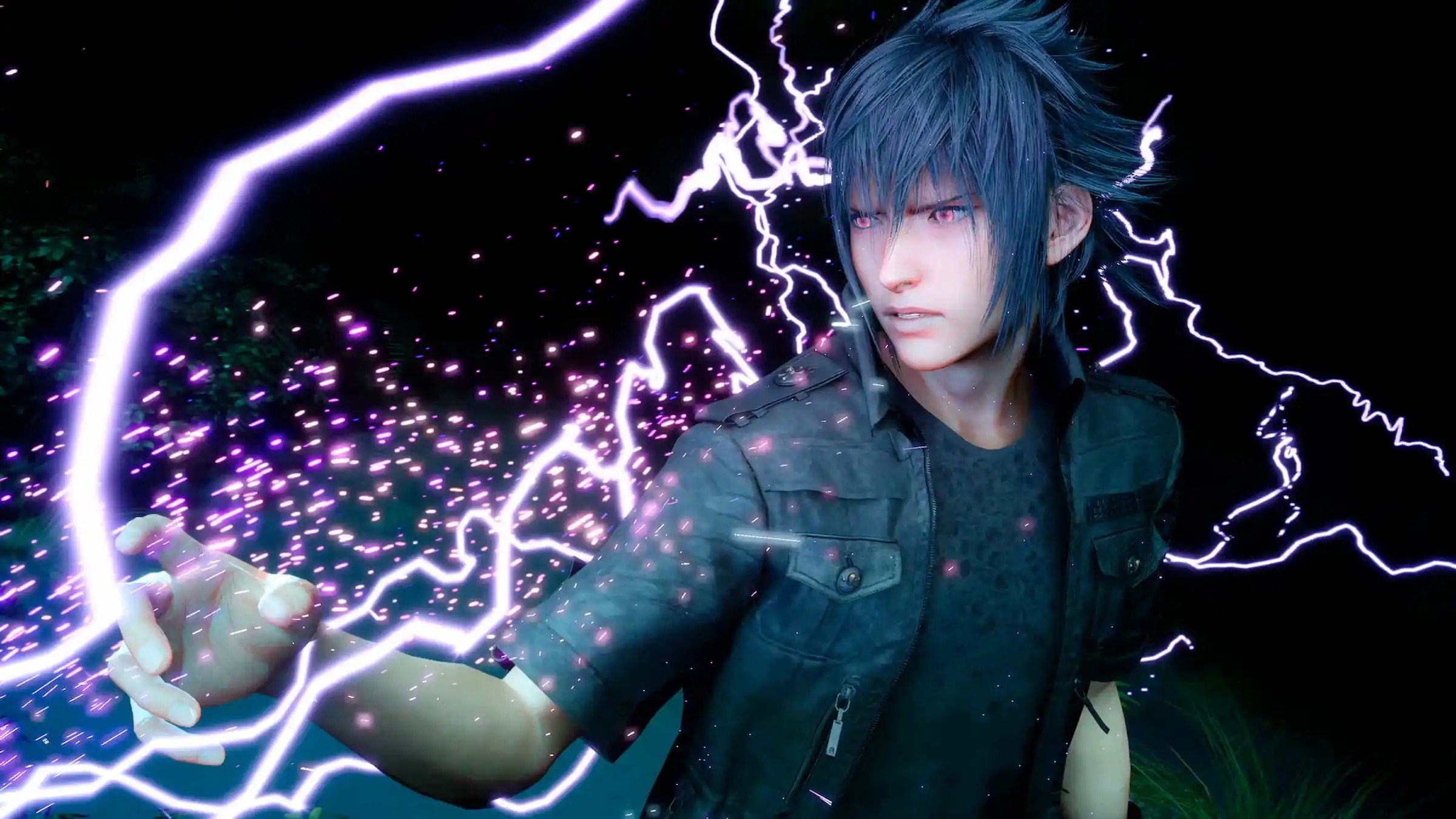
Noctic Lucis Caelum is a divisive character in the Final Fantasy series. As the main character of Final Fantasy XV, he seems like a perfect hero – at least when you first meet him. He has a lot of potential; he’s a prince with a difficult fate, and he’s forced to become a leader while coping with grief and duty. The core of his character is strong, and there are times when that potential really comes through.
The main problem with Final Fantasy XV’s story isn’t the story itself, but how Square Enix presented it. A lot of the character development for Noctis happens outside of the main game, in things like movies and downloadable content. This means players who only play the base game often feel like important pieces of his journey are missing. As a result, some of his more emotional scenes don’t have the impact they should, because the game doesn’t fully prepare you for them.
Noctis’s character design, while fitting the Final Fantasy style with a realistic feel, isn’t very striking. His all-black outfit makes him blend into the background, especially since his friends wear similar colors. He’s not a bad hero, but his appearance doesn’t make him stand out.
4) Vaan
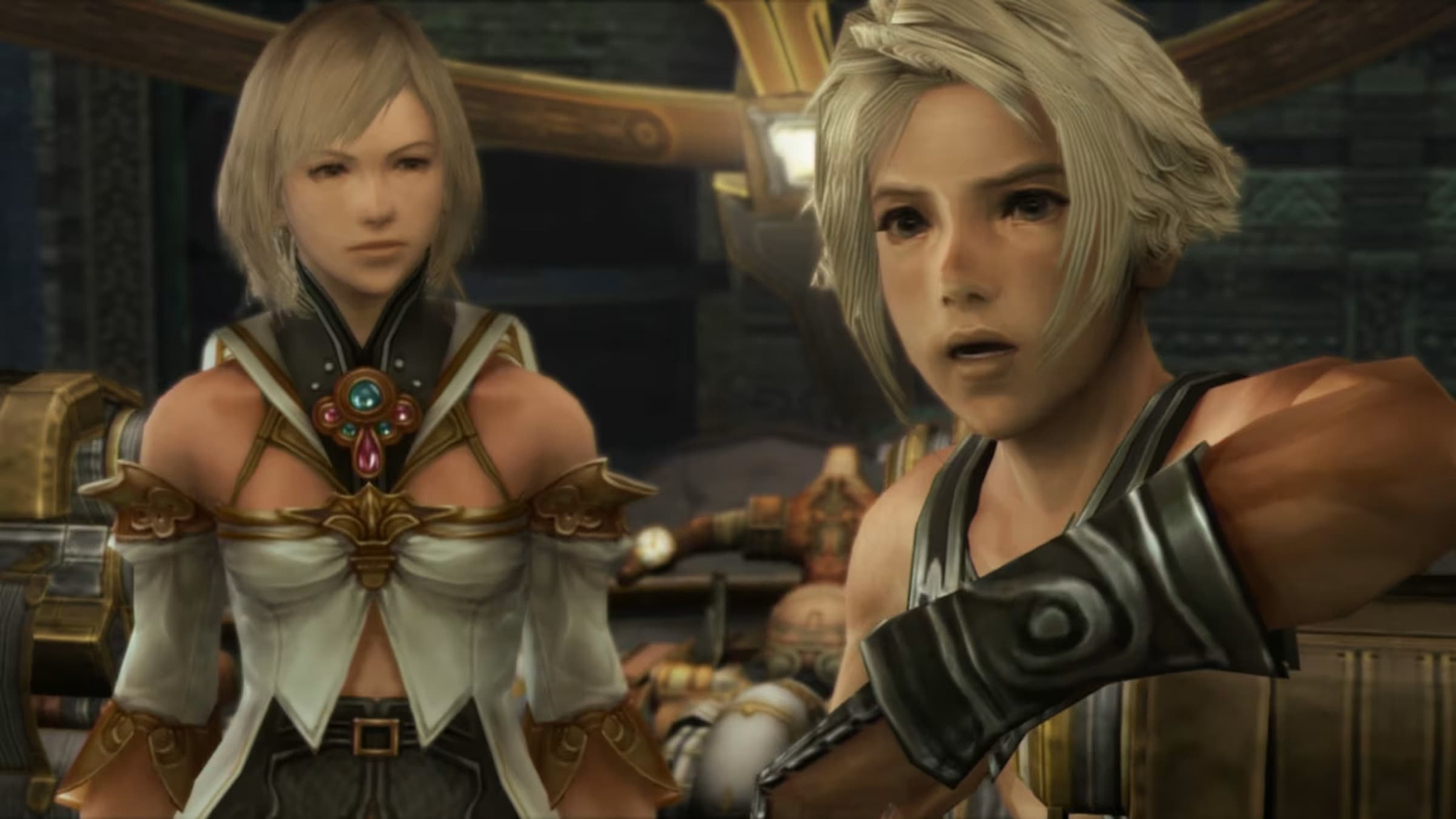
While Vaan is the main character in Final Fantasy XII, he doesn’t feel essential to the story. The game’s plot is really driven by political conflicts, war, and the problems facing the different nations, with characters like Ashe and Balthier having clear motivations and significantly impacting the narrative. Vaan, however, doesn’t have the same strong connection to the core plot, possibly because he was added to the game later on at the request of Square Enix executives.
This character comes across as more of a bystander than a hero. His involvement in Final Fantasy XII doesn’t quite fit, as his ambitions seem limited and he doesn’t have much impact on the story. While intended to be a relatable and engaging lead, he actually feels disconnected. Many players found it hard to see him as the main character, feeling that other members of the team played a more crucial role in the plot and the game’s overall events.
Honestly, Vaan’s design just doesn’t really stick with me. He reminds me a lot of Zidane and Tidus blended together, which isn’t necessarily bad, but it feels…generic. They clearly wanted him to be this fresh, young hero, but it feels a little forced, and ultimately he just doesn’t stand out. He kind of gets lost in the world of Final Fantasy XII, and honestly, in the cast of characters too. He just fades into the background.
3) Bartz
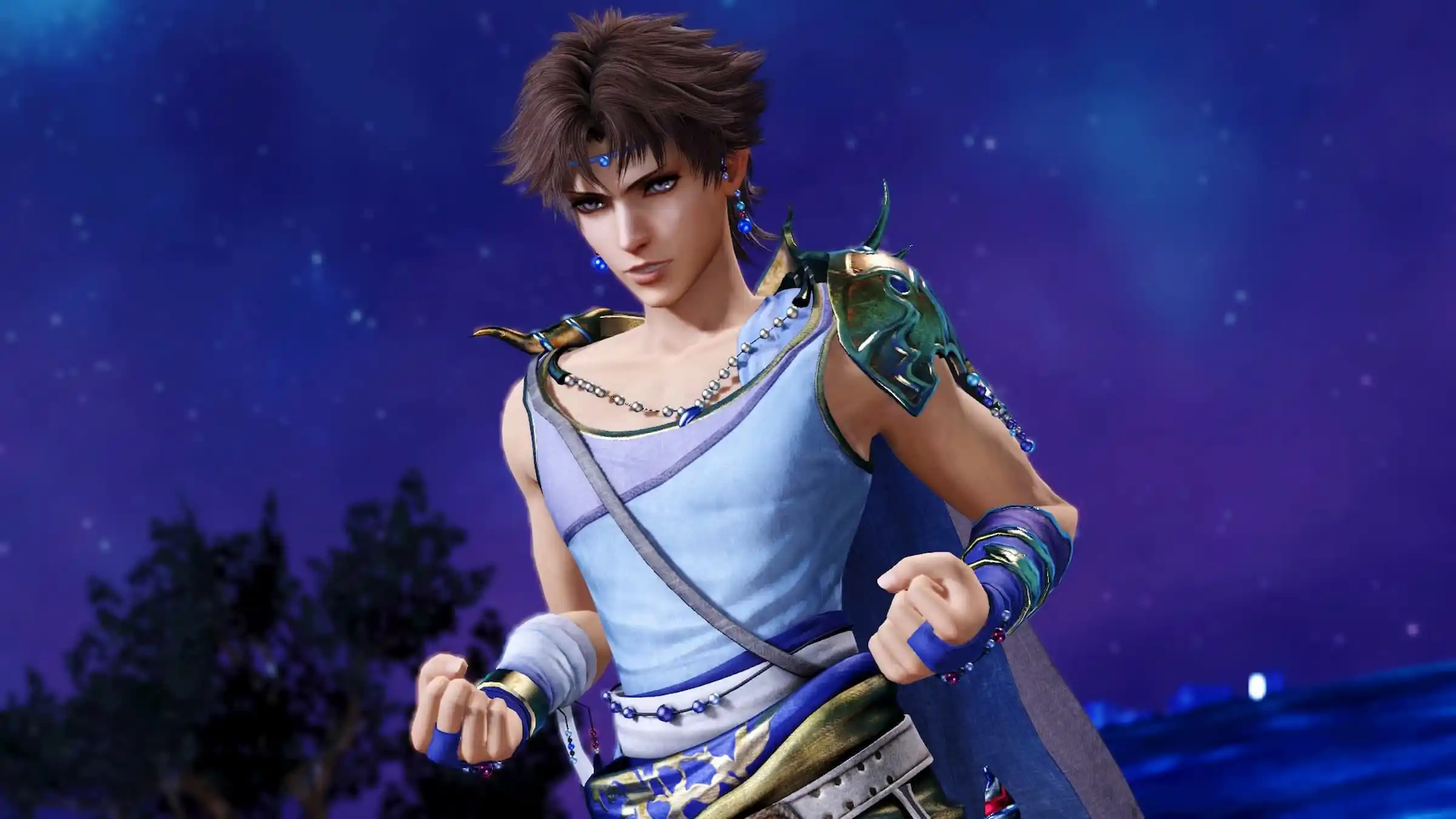
Bartz Klauser from Final Fantasy V isn’t a bad character, but he’s not as complex as protagonists in later games. He’s cheerful and loves adventure, which suits the game’s overall feel, but his personality doesn’t go very deep. This might be common in the earlier Final Fantasy games, which prioritized gameplay and character classes over detailed stories and character development.
Bartz had the difficult task of following Cecil, a very popular hero from earlier games, and Terra, another fan favorite. Compared to them, Bartz feels more like a way for players to experience the story than a character with his own unique depth. He fits the traditional fantasy hero mold, but doesn’t explore complex character traits like some others in the series.
Bartz’s character design is simple, clean, and would look right at home in many fantasy games. It suits his easygoing personality, though he doesn’t stand out visually as much as other heroes in the Final Fantasy series. While the game itself is strong, Bartz can sometimes feel a little bland compared to the series’ more memorable characters.
2) Firion
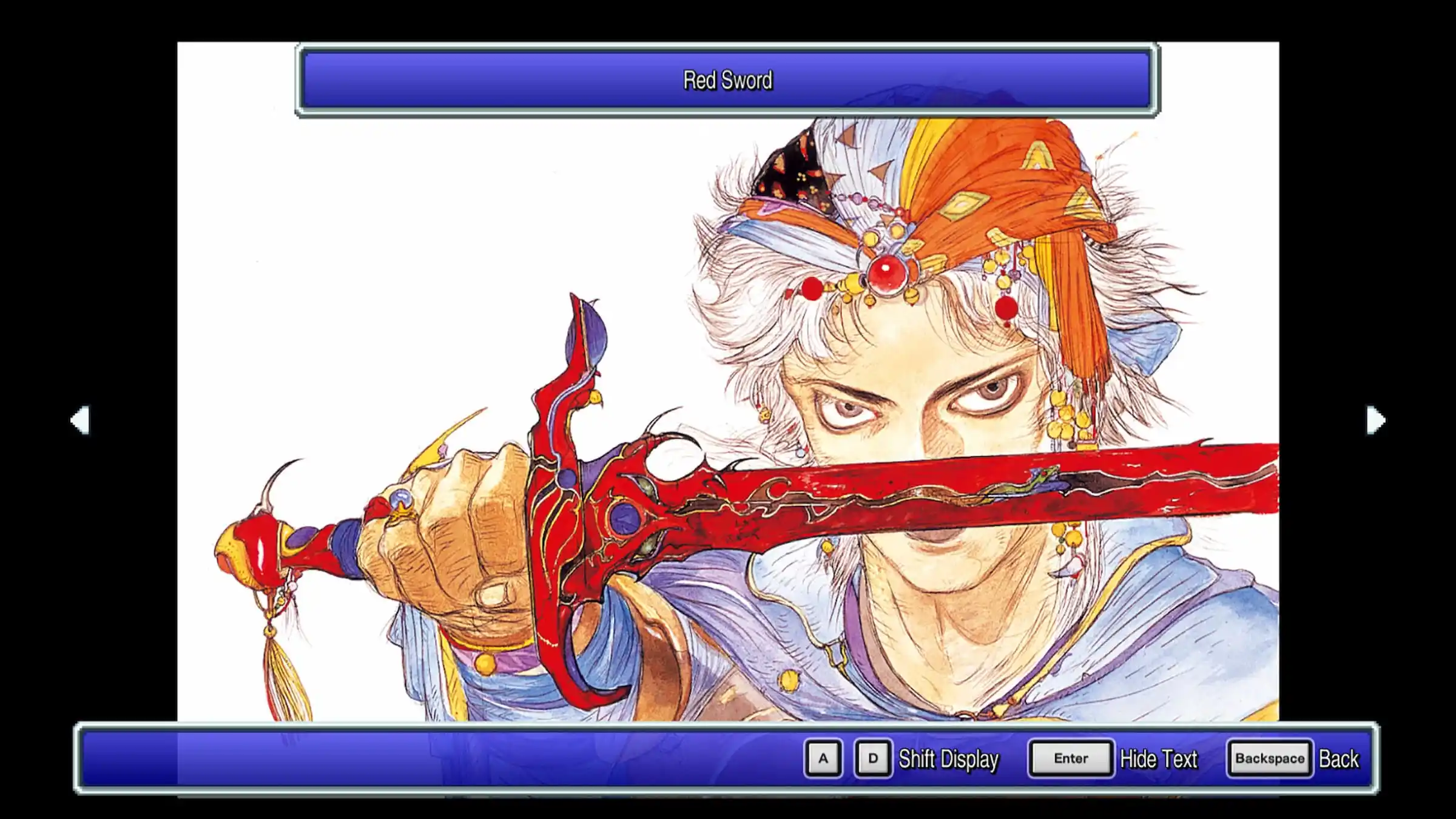
Firion is the main character in Final Fantasy II, but he isn’t a particularly memorable one. Though Final Fantasy II featured a more developed story than the original, Firion’s personality remains somewhat flat. He’s primarily known for his involvement in a fight against an evil empire, which gives him a purpose, but doesn’t allow for much character development.
Firion’s personality and reasons for acting often feel predictable, particularly when you compare him to the more complex characters introduced in later Final Fantasy games. This is noticeable in how he interacts with others – many of his conversations could have been said by anyone else without changing the story much. This is probably a common problem with the earlier games in the series, and Firion’s character might have benefited from more development in a sequel.
One problem with the character Firion from Final Fantasy II is that his original design looks dated due to the limitations of the older gaming hardware. While later games improved his appearance, making him look better, it wasn’t enough to make him stand out. Compared to other heroes in the Final Fantasy series, Firion remains somewhat unremarkable. He fulfills his purpose in the story, but rarely goes beyond it, making him a less memorable protagonist.
1) Luneth
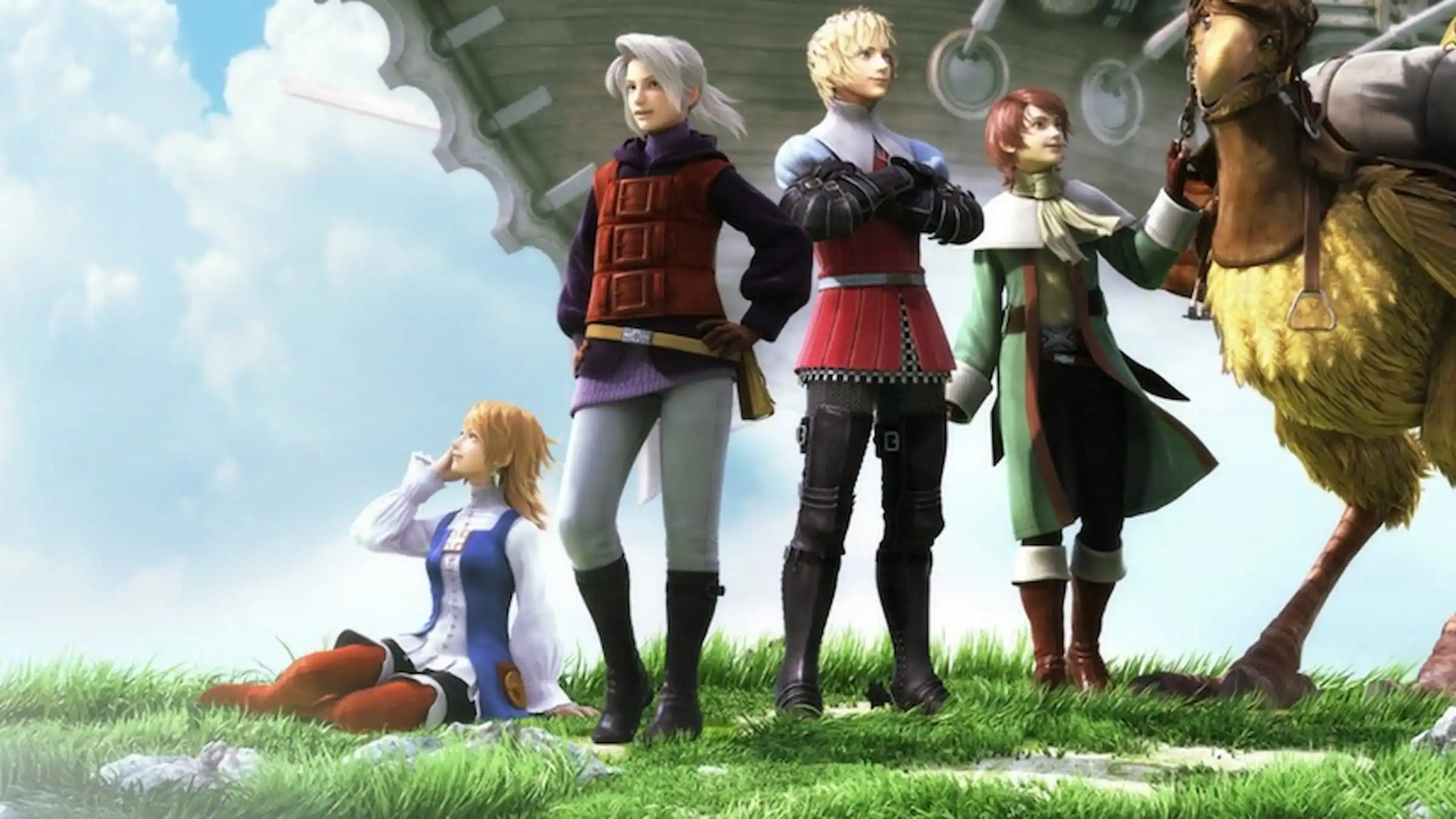
Luneth is the character who suffered the most from the original game’s simple design. In the first Final Fantasy III, the heroes started as nameless orphans destined for greatness. While later versions gave them names and backstories, they still lacked strong personalities. This shallowness is particularly noticeable with Luneth, who feels underdeveloped compared to other characters.
The remake does give Luneth a personality, but it’s quite simple and doesn’t change much as the story goes on. He acts as the destined hero, but the story doesn’t delve into his inner thoughts or development. Though he’s in the game throughout, he doesn’t really leave a lasting impression. The focus is more on the overall adventure and the world, not on his individual journey. And as one of four heroes in Final Fantasy III, Luneth feels even less important to the story.
Luneth’s design feels very typical for the series, and he doesn’t quite stand out as a main hero – he seems more like a background character in a fantasy game. He represents a point in the Final Fantasy series when the focus on strong, developed characters hadn’t fully taken hold. When compared to later heroes, he feels like a temporary character rather than a memorable one.
What do you think? Leave a comment below and join the conversation now in the ComicBook Forum!
Read More
- Everything You Need To Know About Nikki Baxter In Stranger Things’ Animated Spinoff
- After 11 Years, Black Clover Officially Ends With Final Release (& Crowns a New Wizard King)
- Welcome to Demon School! Iruma-kun season 4 release schedule: When are new episodes on Crunchyroll?
- Miranda Kerr Shares “Quick” Procedure She Got Before Met Gala 2026
- ‘The Bride!’ Review: Jessie Buckley Breathes Life into a Monstrous Mess
- The Devil Wears Prada 2 Is Only Happening Because Anne Hathaway Refused To Back Down 20 Years Ago
- Coronation Street’s Gareth Pierce on Todd as murderer: “Maybe Theo really did push him that far”
- Hell Let Loose’s Latest Expansion Has The Most Chaotic FPS Action I’ve Ever Seen
- Feature: Going Platinum: I Replayed This PS4 Metroidvania on Hard Mode and Loved Every Second
- Talk That Talk About Rihanna’s Met Gala Looks
2026-03-23 16:11