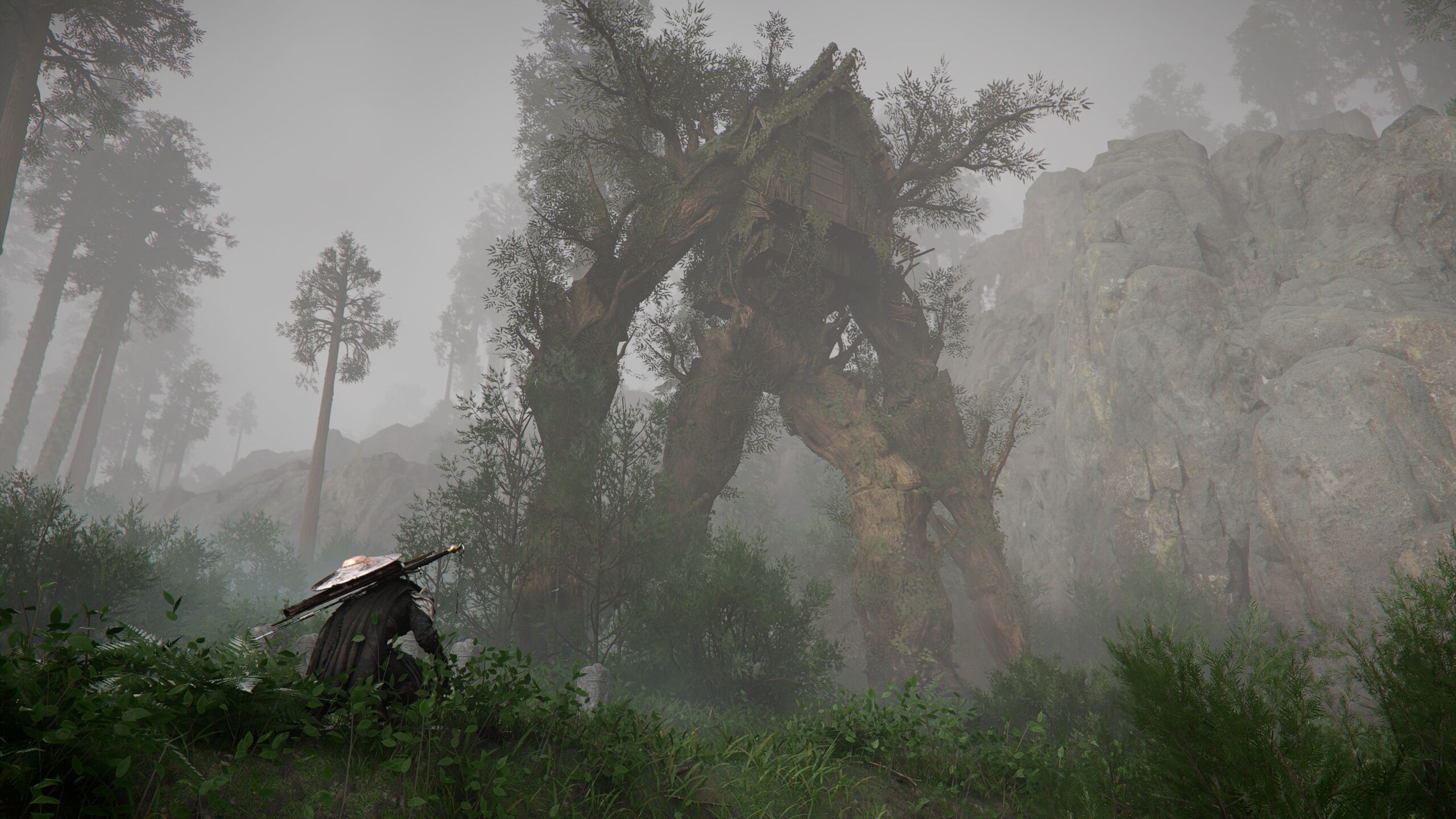
The release of Crimson Desert was a bit rocky, with many players initially voicing complaints and reviews being somewhat negative. Thankfully, the developers quickly responded and addressed the issues, successfully turning things around and regaining player trust. This has prevented many players from abandoning the game and moving on to other options.
Okay, so the game’s been getting some buzz again, which is great. But I’ve been seeing a lot of people online talking about how it’s kinda slow to get going, and even after 20+ hours in the world, it still doesn’t really grab them. I don’t totally agree, but I get where they’re coming from. It got me thinking about how we judge open-world games these days, and what makes a good start. It’s interesting to consider why someone might feel that way after putting in so much time.
I started to question whether we were truly evaluating the game fairly, and if we were considering its overall vision. Is it a good approach for expensive games to overwhelm players with everything at once? While the first few hours of Pywel might be spent learning many different systems, and some aren’t as strong as in other games, are these systems actually engaging, or are we mistaking a slow reveal of its best features for a lack of a clear purpose?
I want to share some happy memories from my time working with Pywel and explain what I’ve learned. Let’s begin!
Pacing Problems
When people criticize the first few hours of Crimson Desert, it’s worth considering what they expect. Usually, around twenty hours of gameplay is enough to tell if a game will keep you hooked. That’s a reasonable expectation. However, my experience with the game, and what others have said about it, suggests Crimson Desert is a slow starter. It might take some patience to get into, especially when you first begin playing in Pywel, which makes judging it based on those early hours a bit more complicated.
It’s true the game’s opening had some awkward writing, and the way Kliff quickly recovered from the attack felt like a clumsy introduction to the story’s core ideas. However, does that mean the prologue was completely without merit? Should a game be immediately popular to deserve a fair assessment of its qualities?
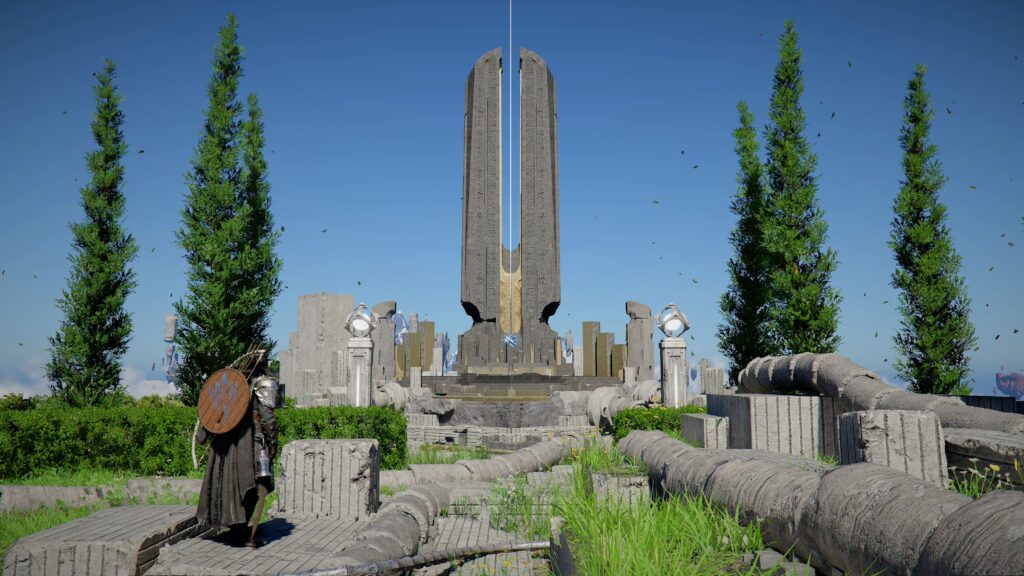
Exploring Hernand provides players with a lot of different options, which can be a bit overwhelming at first. However, I think this confusion actually adds to the fun of Crimson Desert. I especially enjoyed gradually learning how all the game’s systems worked together and slowly becoming a powerful character – it felt natural and really drew me into the game’s world and what it was trying to achieve.
Look, I get it – some games need to grab you instantly. But writing off Crimson Desert after just twenty hours because it didn’t immediately hook me feels unfair. It’s a game that seems to want you to learn how things work, to figure out the best way to play, before it really opens up and becomes amazing. Maybe the beginning could be a little faster, sure. But it’s definitely not boring – there’s something intriguing about those early hours, even if it doesn’t hit you right away.
This leads me to my next point: the idea that a game needs to be incredibly flashy and exciting right from the start to truly grab a player’s attention and make them want to keep playing.
First Impressions
Many modern games try to quickly grab your attention by showcasing their most exciting features and new ideas right from the start. This provides an initial burst of enjoyment, and if done well, can create a consistently thrilling experience as the game progresses. While lots of games use this approach, and it’s not necessarily a bad thing, it’s become a common expectation.
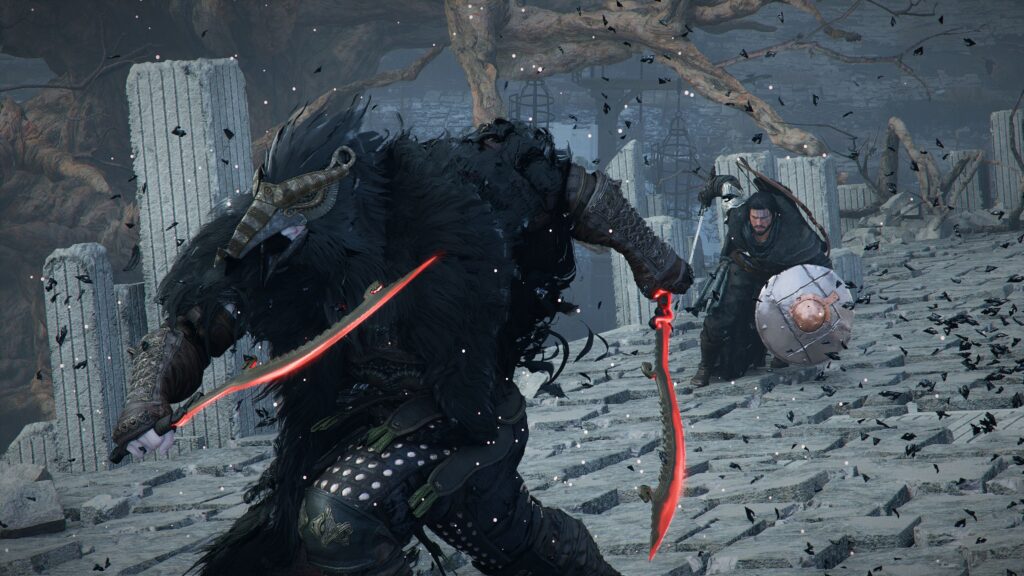
Of course, every game studio wants players to enjoy their games and tries to make them as engaging as possible. However, some games, such as Crimson Desert, are designed to draw players in gradually. They focus on creating a consistent atmosphere, a compelling mood, and a story that unfolds slowly, building tension through interconnected systems that hint at something bigger to come.
With Crimson Desert, the game slowly builds a sense of adventure, making you feel like a small part of its vast world, Pywel. It aims to immerse you in the fantasy by consistently revealing new and interesting things, so you feel like you truly live within that world every time you play.
I wonder if that feeling is why some people have criticized the game for taking a while to get going.
Risky Design Choices
I previously noted that the beginning of Crimson Desert felt a little awkward, and I can understand why some players might be turned off by that, especially in a game with such ambitious goals. The developers took a risk by letting players figure things out mostly on their own at the start, with only a few tutorials. However, does that mean the game lacks artistic depth, as some are claiming?
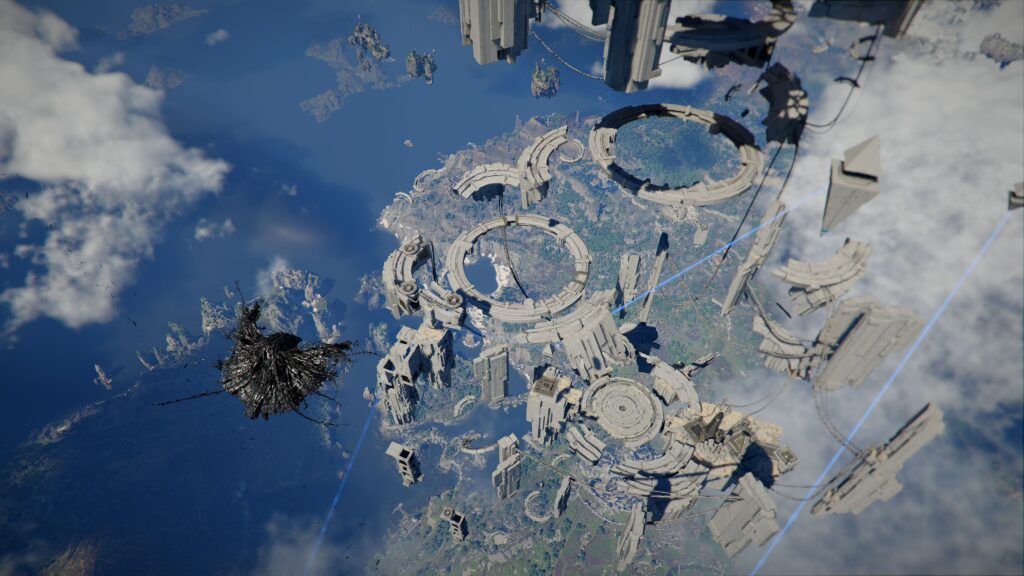
Honestly, I don’t buy the idea that a game is uninspired just because it doesn’t hold your hand every step of the way. With Crimson Desert, I actually think it’s cool that they trust you to explore and learn at your own speed, letting you do what you want to do instead of constantly telling you what to do. It feels really respectful as a player, you know?
I stumbled upon a curious puzzle early in the game when I decided to explore freely instead of following the story. I spent a good amount of time pushing a cube across some old ruins, carefully positioning it to activate a machine. But after all that effort, a voice told me I wasn’t ready to continue! I haven’t figured out what that meant, but I’m still determined to solve the mystery.
It’s understandable why some players might be frustrated by this design – putting in time without seeing immediate results can be discouraging. Crimson Desert has moments like these and definitely requires patience. However, that’s different from the game being empty or unrewarding in its early hours.
This leads me to how many of you who have explored it are starting to recognize the hidden beauty within it.
Rising From The Ashes
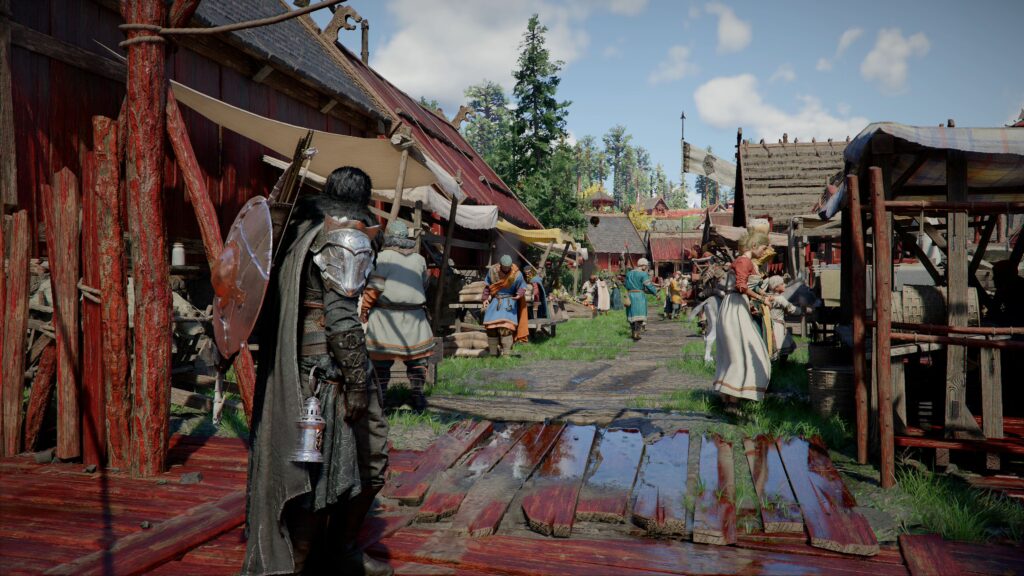
It was great to see the game’s Steam reviews improve from ‘Mixed’ to ‘Very Positive,’ though that doesn’t guarantee it’s a fantastic game overall. What’s really encouraging is how the conversations about the game have changed – people seem to enjoy it more the longer they play. The fact that players are putting in twenty hours and still finding it entertaining shows there’s something special about it and that it really draws people in.
The game faced initial criticism and required frequent updates to address major problems. However, these fixes allowed players to truly experience and enjoy what Crimson Desert had to offer, and its growing popularity stems from more people embracing its unique and chaotic gameplay.
The game has fostered a strong community where players share creative strategies and engage in lively discussions. While some criticisms remain, there’s a general consensus that it’s an enjoyable game with room for improvement. It’s surprising, then, that it received complaints about being uninteresting. This disconnect might be due to changing expectations for how games develop and evolve over time.
Just like movies, music, and other trends, modern video games are often judged quickly. People form instant opinions, putting pressure on both critics and players to decide if a game is worth investing time in. However, this snap-judgment approach can cause us to miss out on truly great games, like Crimson Desert. Its design intentionally unfolds slowly, and the initial reaction that it lacks compelling activities actually reveals how the game is meant to be experienced.
The problem isn’t that players don’t enjoy the game; it’s that the game’s pacing doesn’t align with how we typically judge modern games. Its complex design feels a bit clunky compared to games that prioritize instant accessibility, but that actually highlights how much modern games depend on being easy to pick up and understand right away.
I started considering how to reframe the feedback to better match the game’s goals and overall design, and that’s what we’re focusing on now.
Playing It Cool
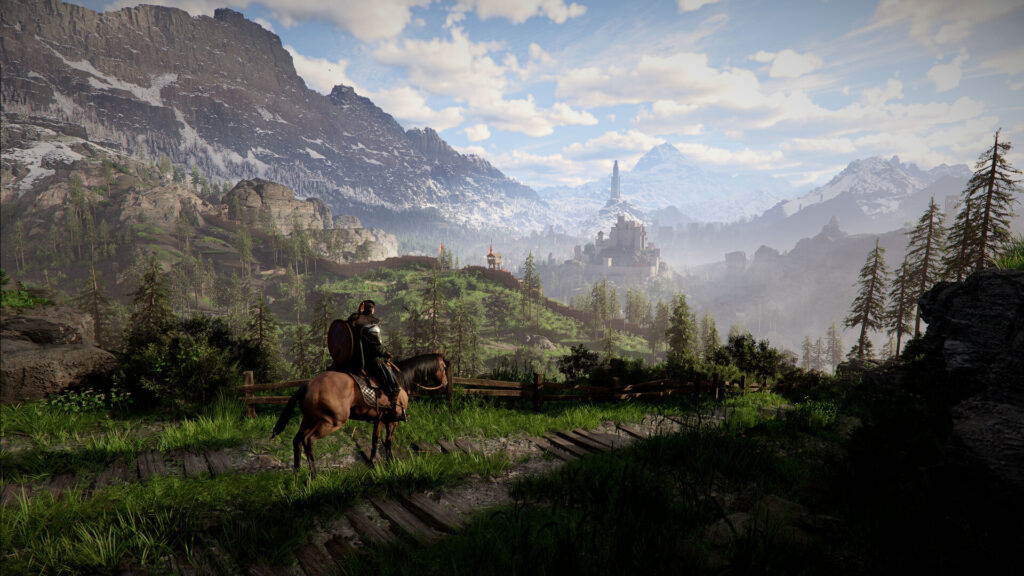
Honestly, Crimson Desert kind of holds back for a while. It takes too long before you really get to unleash Kliff and his crew as the powerful fighters they’re meant to be, and learn how to actually thrive in the world of Pywel. They hide the really cool stuff about the Greymanes – their special abilities – behind a lot of story stuff. The open world is beautiful, though, and constantly pulls you in, which can actually slow down your progress. It’s when you start working with the Greymanes and building up your camp that you realize just how much there is to do, and how much of an impact you can have on Pywel.
It would have been even better if this had been revealed sooner, and I suspect many of you feel the same way. It takes a while to truly appreciate what makes it good, but that’s different from saying it has nothing to offer. The problem isn’t a lack of potential, but rather how it was delivered – the execution wasn’t quite right, even though the game itself has artistic merit.
Crimson Desert starts slowly, and some players might think it lacks excitement because of this. However, claiming it’s not engaging after twenty hours is unfair – it doesn’t try to grab you immediately like many other open-world games. Instead, it’s designed to subtly immerse you in the detailed world of Pywel, and stay with you long after you stop playing.
It’s a risky design, but it works well for players who stick with it. It’s just a shame it takes a while to fully appreciate, because those who quit early miss out on a genuinely fun open-world experience.
Just so you know, the opinions in this article are the author’s own and don’t reflect the official stance of GamingBolt.
Read More
- Best Controller Settings for ARC Raiders
- The Boys Season 5 Officially Ends An Era For Jensen Ackles’ Soldier Boy
- Review: Final Fantasy Tactics: The Ivalice Chronicles (PS5) – Still the Benchmark for Turn-Based Tactics
- Nippon Sangoku Is The Best New Post-Apocalyptic Anime of Spring 2026
- Mark Zuckerberg & Wife Priscilla Chan Make Surprise Debut at Met Gala
- Elon Musk’s Mom Maye Musk Shares Her Parenting Philosophy
- 10 Greatest Manga Endings of All Time
- The Witcher 3 Officially Reveals Stunning New Ciri Figure Coming 2026
- The WONDERfools ending explained: What happened to the Child of Eternity?
- 7 Great Marvel Villains Who Are Currently Dead
2026-04-01 16:13