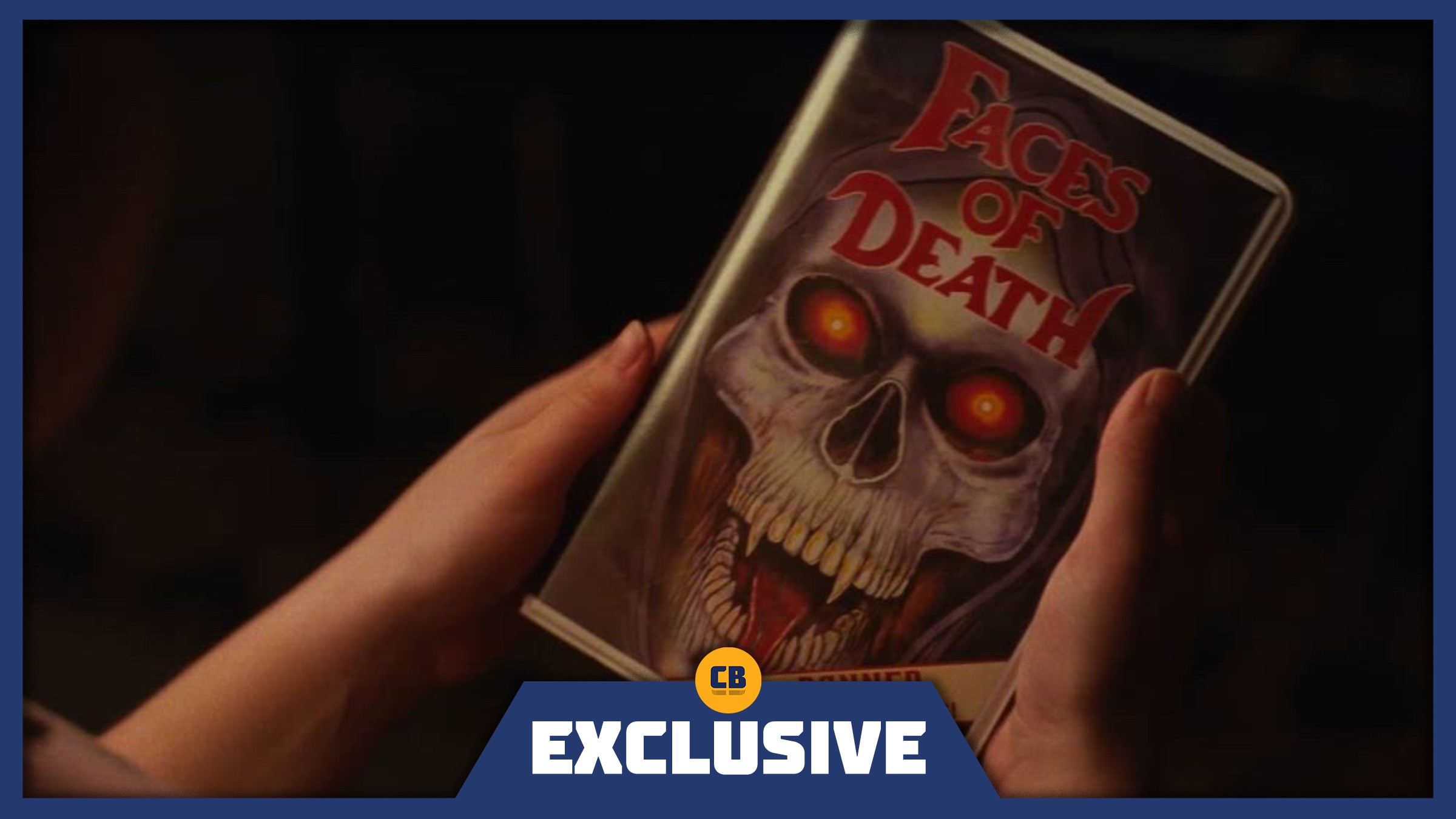
The 1978 film Faces of Death gained notoriety for allegedly showing real deaths on camera. Its ban in many countries actually increased public curiosity about whether the footage was genuine or a staged shockumentary. It was later revealed to be the latter – a fabricated film designed to shock viewers.
Directed by Daniel Goldhaber and written with Isa Mazzei, the film offers a modern spin on the notorious Faces of Death. It centers on Margot (Barbie Ferreira), a content moderator who discovers disturbing videos that appear shockingly real. She begins to suspect someone is recreating the murders from the original film. As Margot investigates, she becomes the target of Arthur (Dacre Montgomery), a dangerous and unstable man.
Goldhaber, Mazzei, Ferreira, and Montgomery discussed the issues surrounding both the original and updated versions of Faces of Death with ComicBook. Their conversation covered the actors’ intense performances, society’s fascination with violence on social media, and the potential for overexposure to disturbing content.
ComicBook asked: Your ‘Faces of Death’ posters weren’t allowed in movie theaters, and the explicit trailer was taken down from YouTube. Were you shocked by that censorship?
Daniel Goldhaber expressed surprise at the film’s censorship, noting it wasn’t more violent than many other war or horror movies. He believes the MPAA objected to the film’s subject matter – censorship itself – and its portrayal of how those who control censorship often allow violent content to pass if it suits their interests. Specifically, the posters featuring censored imagery were banned, which he found ironic. He pointed out the contrast between a graphic poster for another film, featuring blood and a human eye, being acceptable, while a blurry, obscured image of a bloodied face was deemed inappropriate for children. He questioned the MPAA’s reasoning, suggesting they address the actual issue and implying a lack of genuine concern for children.
People are really interested in the ‘Faces of Death’ series. Can you talk about what makes it so captivating and how you used its history and themes in your film?
As a fan, it’s amazing to be working on a project connected to Faces of Death. So many people my age or a little older immediately react when you mention it – they either say it totally messed them up, or they remember watching it at a sleepover! It had a huge impact on the culture, even if it’s a bit of a taboo subject. We really wanted to honor the original, which is why we didn’t try to remake or even adapt it. We just wanted to make a movie about it, about the cultural weight of that original VHS tape and what it meant to people. It’s about capturing that feeling and iconography, and staying true to what Faces of Death represented.
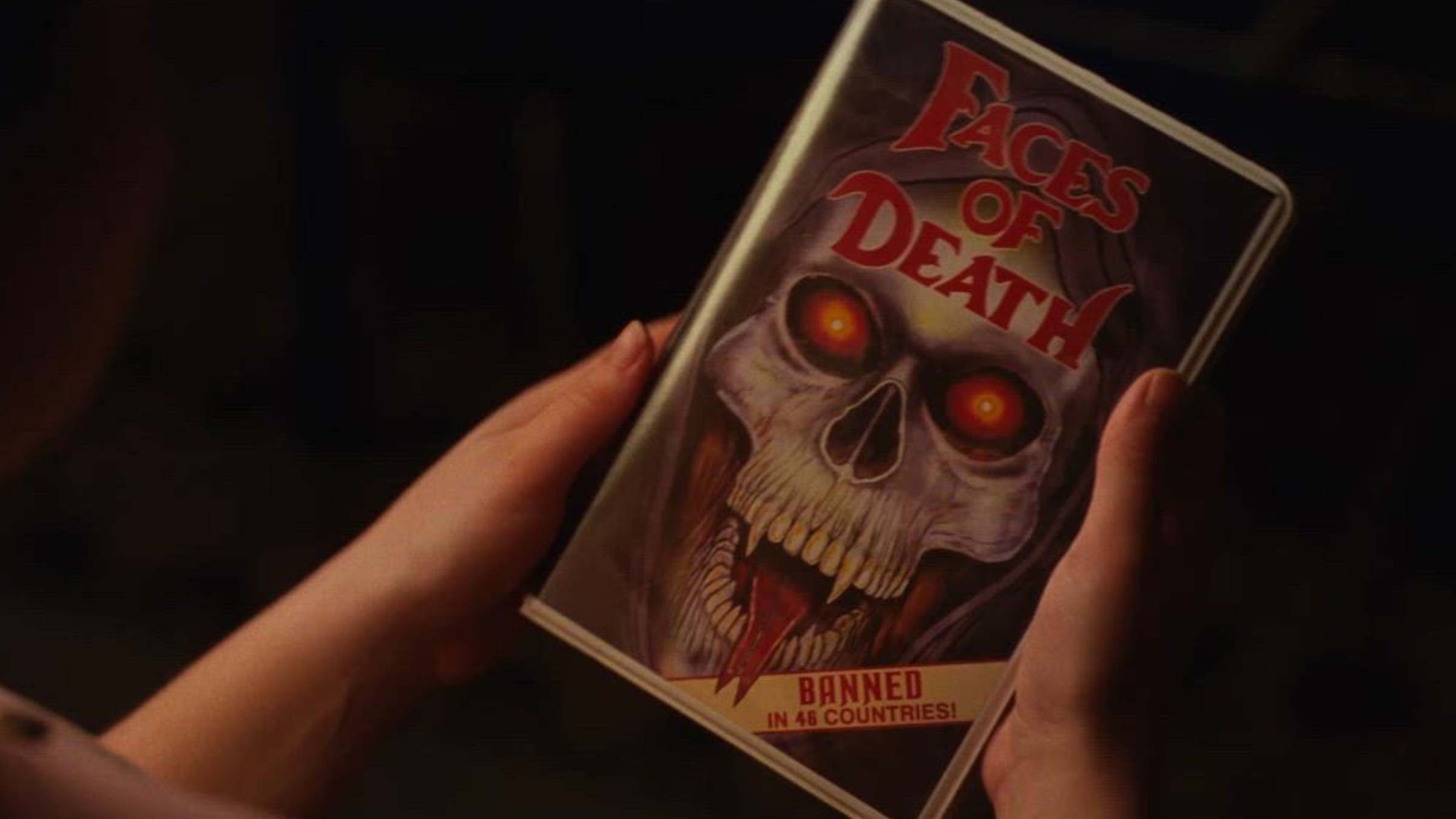
The old VHS tape was considered shocking and the deaths it depicted were often dismissed as a myth. How does your version of the story similarly play with the line between reality and legend?
Our film includes actual footage of death. We felt it was important to be true to the original Faces of Death, which also contained real and faked deaths. Given that we’re constantly exposed to real-life tragedy through social media today, omitting it from our movie would feel dishonest. We wanted to reflect the reality of living in 2026 – the kind of content we encounter when we simply check our phones.
The unsettling idea behind our film, Faces of Death, is that we’re constantly bombarded with images of death, and increasingly question their authenticity. We’re always asking ourselves if what we see is real, staged, or even created by AI. Because we experience so much through our phones, this constant questioning has made us unsure of what reality even is. Our film leans into this feeling of instability and disconnect from the world around us.
Margot famously states, “Give the people what they want.” Considering that, how well does Faces of Death fulfill the expectations of horror audiences?
Barbie Ferreira thought the appeal of Faces of Death lay in its fresh take on the original. It wasn’t a direct remake of the notorious 1970s gore film, which was largely staged to look like a real snuff film. She especially praised the script, written by Isa and Danny, for sparking a bigger discussion about violence, the profits it generates for large companies, and how commonplace it’s becoming in our daily lives. Ferreira felt that violence has crept into society so gradually that, by 2026, people barely react to seeing someone murdered in a video online. They filmed the movie in 2023, and she believes it’s become even more relevant since then.
It feels like we’re constantly exposed to increasing levels of violence, and we’re expected to accept it as normal. It’s almost impossible to avoid unless you disconnect completely from the internet and news. With this new film, we wanted to explore how our tolerance for violence has changed. What was shocking in the original Faces of Death back in the 1970s feels tame now. You can even find it on YouTube, a platform that’s generally considered relatively safe and relies on advertising. Society has changed so much in the last 40 or 50 years, and what shocks us is completely different. To remake this film intelligently, we had to acknowledge that we live in a world saturated with violent clips – real footage of people dying – and constantly consume it. The movie really asks: what does this constant exposure mean, and is there any way for us to push back against it?
We need to ask ourselves what happens when our society glorifies violence and prioritizes profit above all else, to the point where disturbing acts are filmed and shared online. Why are these kinds of videos so readily available through algorithms? Where are the safeguards to prevent this? It often feels like these algorithms actually promote this content. What’s particularly striking is comparing the level of violence seen in media from the late 1970s to what we consider normal today – it really highlights how much society has changed.
I absolutely agree. It’s really interesting how humans are so captivated by death. It’s a complete mystery, and means different things to everyone depending on their beliefs. We’re fascinated by the idea of finality – the fact that life ends. That often draws us to intense and even violent stories. Death isn’t always a peaceful passing; a lot of what we see publicized is shocking and grabs our attention. And now, with so much information readily available, this movie explores themes of access and the responsibility that comes with it.
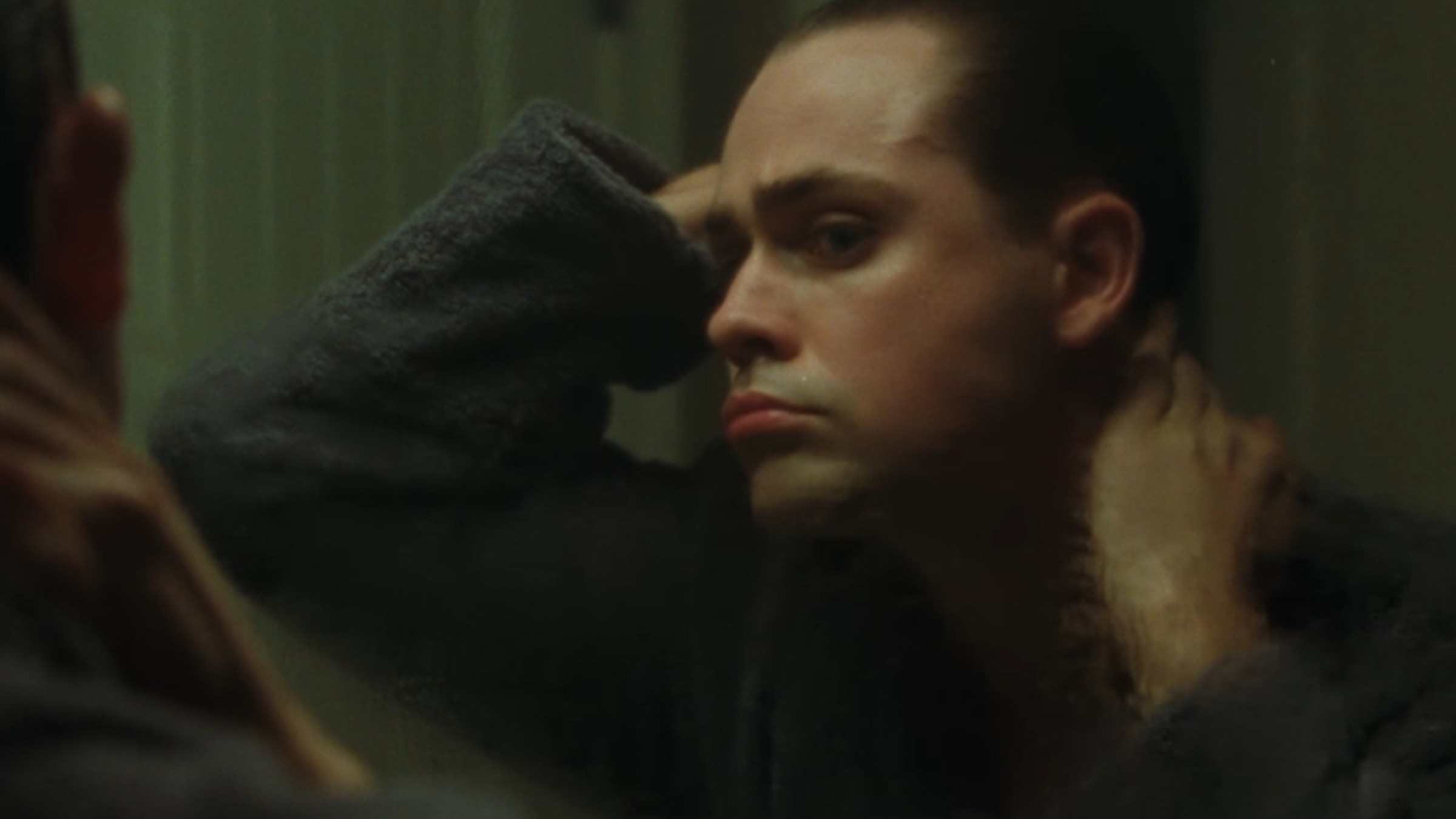
Another thing the story explores is our fascination with social media. Arthur, and others in the book, struggle with it. What do you think makes so many people get caught up in it?
Many people turn to social media hoping to connect with others, but it often leads to feeling more alone. I actually made some of my first friends online, and still keep in touch with people I’ve never met in person – we’re just online acquaintances who chat regularly. The characters Margot and Arthur in the film represent two different ways people relate to social media. Margot actively avoids it, even lacking a laptop at first, believing she doesn’t need it. Arthur, on the other hand, seeks connection, approval, and a sense of importance through the internet. I think both of these perspectives are something a lot of people can understand today.
Dacre and Barbie, this movie features a lot of screaming from both of you. Can you talk about how you approached those scenes and developed the right sounds for them?
I quickly learned how demanding the role was when we filmed all the screaming scenes early on. It really pushed my vocal limits! I had to take care of my voice every night with a steamer. Being a ‘scream queen’ is tough – huge respect to anyone who can do it! It completely wore me out, and I still had to act the next day. It was a lot of learning about my body and figuring out how much I could handle. It felt as physically exhausting as it appeared on screen. Honestly, it was a process of trial and error – mostly error! Luckily, the movie turned out great, but I discovered I’m really susceptible to losing my voice, so I had to be careful.
I find it exciting not knowing what will happen next. The idea of Arthur losing control, even with everything protecting him, is great. I like the thought of him noticing the blood and trying to contain it. I was curious about what would emerge – would his voice disappear, or something else entirely? It’s interesting to imagine not knowing, then seeing it unfold on camera and reacting intensely. Whatever comes out is strange, and that’s what makes it compelling. When we see someone in pain or dying, the sounds are often unlike anything we’ve heard before, which is what makes it so impactful. Especially in movies, the way an actor and filmmaker portray a violent act – a stabbing or choking, for example – can be incredibly powerful.
What made the original film so compelling was the ambiguity – it left audiences wondering if what they were seeing was actually real. The way death was portrayed was different from anything people had seen before, except perhaps in wartime footage, and that sparked the question. Personally, when working on this, I feel I didn’t quite manage to maintain my own unique style.
Being on Stranger Things brought a lot of attention your way. Have you ever thought about trying out for a superhero role, like some other Australian actors such as Chris Hemsworth and Hugh Jackman have done?
My first job in the film industry was playing the Red Power Ranger. Honestly, I’m more interested in working on independent films now. I enjoy having more creative freedom as an actor and being involved in the filmmaking process. I also prefer practical effects over CGI, though everyone has their own preferences. Speaking of action films, Chris Hemsworth’s long takes in the Extraction movies were incredible. I’ve met Hugh Jackman, and he’s a really great guy. He’s always been an action star, like with Wolverine, but he also put in a lot of hard work to excel in Les Misérables and make it the best it could be.
It takes real bravery to perform any role, not just superhero ones, but that kind of work hasn’t appealed to me personally. It’s funny, actually – when a project has limited funding, actors often have more creative freedom than they do on big-budget films, where decisions are often out of their hands and even the director’s. That’s what really attracts me, not a dislike of superheroes – I actually enjoy them!
The new film, Faces of Death, comes out on April 10th. Are you excited to see it? Share your thoughts and discuss it with other fans in the ComicBook Forum!
Read More
- What Song Is In The New Supergirl Trailer (& What It Means For The DC Movie)
- Dune 3 Gets the Huge Update Fans Have Been Waiting For
- Highly Anticipated Strategy RPG Finally Sets Release Date (And It’s Soon)
- TV legend Carol Kirkwood reveals the reasons why she decided to retire after 28 years with BBC
- Why is Tech Jacket gender-swapped in Invincible season 4 and who voices her?
- Starfield PS5 Won’t Play Off Physical Disc without a Download
- Sesame Street Slams “Disgusting” Posts on Elmo’s Account After Hack
- First Berserker: Khazan Players Are Getting Free Items to Celebrate the Game’s 1 Year Anniversary
- Dragon Ball: Sparking! Zero Is Still Stupidly Popular, Reels in 1 Million Monthly Players
- The OG Resident Evil 1, 2 and 3 Are Now Available on Steam With a Heavy Discount (and DRM)
2026-04-06 19:44