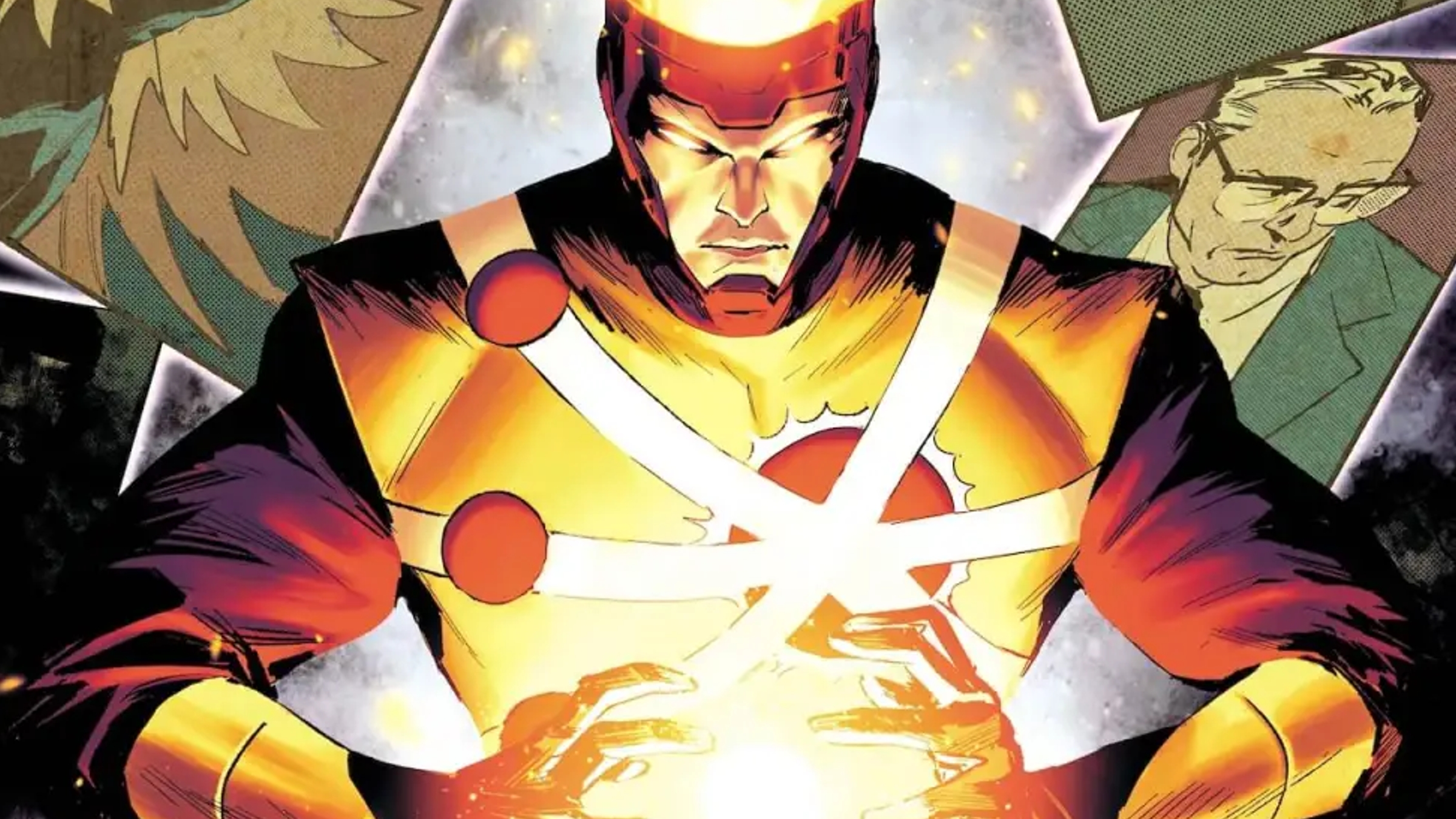
For many years, DC Comics dominated the comic book world. But in the 1960s, Marvel Comics started to gain popularity. While Marvel had several heroes, it wasn’t until Spider-Man that they created a character who could outsell DC’s iconic Superman and Batman. Ever since, DC has been looking for a hero to match Spider-Man’s popularity with fans. Spider-Man resonated with a whole generation of readers because they could relate to him. DC tried several times to create a similar character, and finally, in 1978, they introduced Firestorm, a hero who could compete with Spider-Man. DC recently brought Firestorm back in the well-received Fury of Firestorm #1.
The first issue of Fury of Firestorm is a compelling and unsettling story. The hero unexpectedly levels a small town, displaying a disturbing lack of emotion despite experiencing intense feelings. His ex-girlfriend, Firehawk, is brought in to investigate, and her investigation reveals some surprising truths. While the comic is very well done, it’s a significant departure from the character’s original intent. Firestorm was initially envisioned as a major new hero, blending the humor of Spider-Man with the incredible power typical of DC Comics characters. The publisher made a smart choice with the writer, who perfectly captured the essence of the Nuclear Man.
Firestorm Hits Many of the Same Notes as Spider-Man
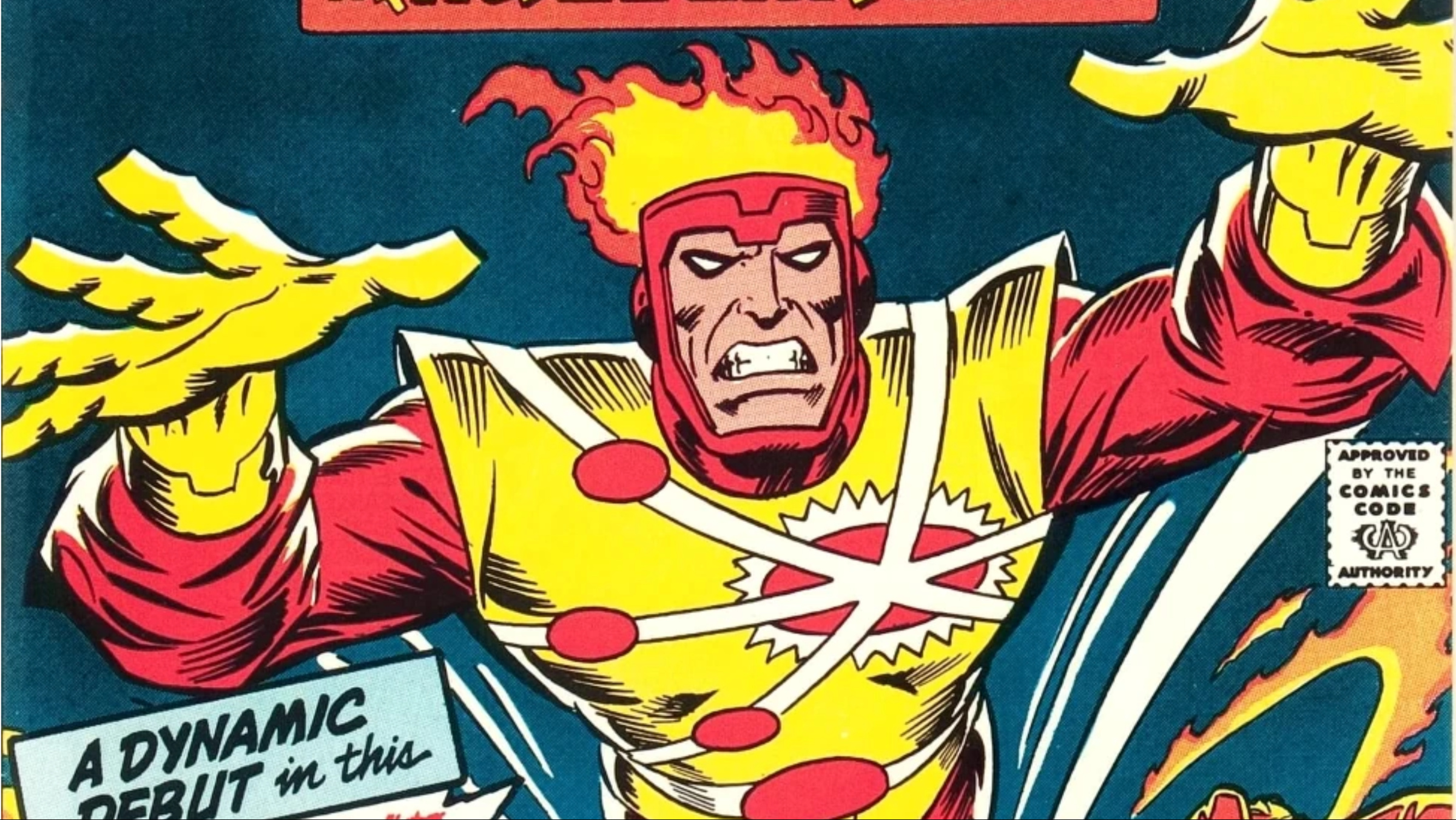
Gerry Conway became the writer of The Amazing Spider-Man after Stan Lee, at a crucial time for the character. Spider-Man was maturing and starting college, so the comic needed to evolve too. Conway is known for writing the famous story where Gwen Stacy died, as well as the first Spider-clone storyline, and he had a knack for writing young characters. Later, he moved to DC Comics and collaborated with Al Milgrom to create the hero Firestorm.
Firestorm originated from the same design used for Spider-Man comics. The story followed Ronnie Raymond, a college student who became involved in an experiment led by Professor Martin Stein. An accident merged them into one being, granting them control over matter and energy. They could combine whenever needed to become Firestorm, and use their powers to battle evil globally. Ronnie, a spirited and quick-witted young man, primarily controlled their shared body, while Stein, the more experienced intellectual, tried to keep Ronnie’s impulsive nature in check.
When creating the character Firestorm, Conway drew heavily from the heroes of the Marvel Universe. Like many Marvel characters from that era, Firestorm’s stories centered around science, both in his beginnings and in the threats he faced. Conway intentionally made Firestorm relatable as a young, funny, and slang-using character – a departure from typical DC heroes. Firestorm also stood out with a bright, unique costume. And, mirroring Marvel’s style, Conway grounded Firestorm’s adventures in real-world issues, specifically the tensions of the Cold War and conflicts with Soviet adversaries.
The new version of Firestorm was a success, especially with younger readers, and he eventually became a member of the Justice League. He appeared on the popular SuperFriends cartoon and was featured on toys and merchandise. Firestorm was a popular DC character throughout the 1980s, but the Crisis on Infinite Earths event significantly altered his story. His popularity declined, and by the 1990s, he was largely forgotten. DC Comics has attempted revivals of the character several times since then, but none have been lasting.
Firestorm Represented DC Admitting Marvel Was Right
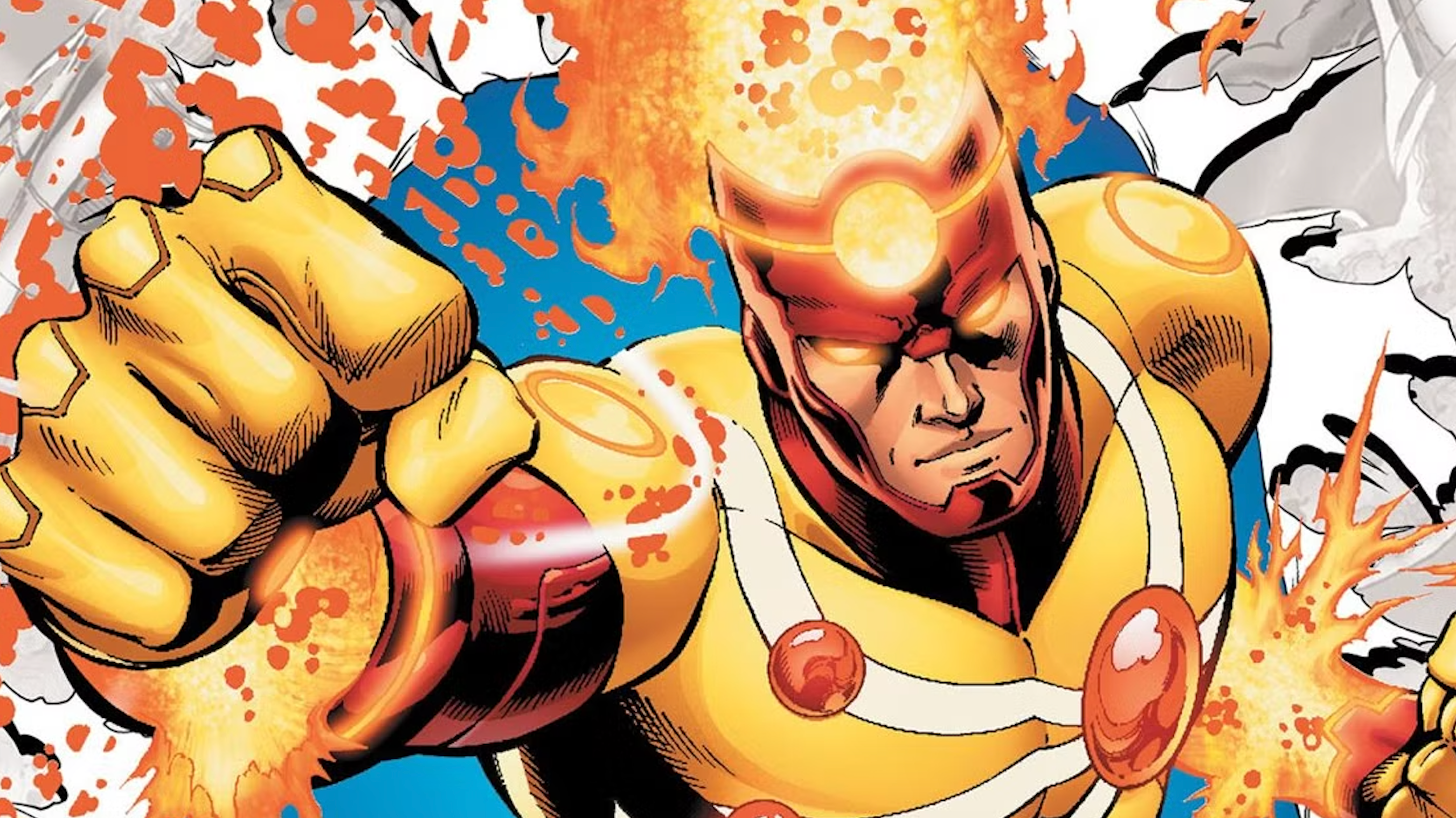
Spider-Man was a phenomenal success that reshaped the comic book world. Many characters have tried to replicate that success, and Firestorm stands out as one of the best. The involvement of a top Spider-Man writer certainly helped, but the real key was DC Comics’ willingness to acknowledge past mistakes. Marvel had found success with heroes who felt more realistic and relatable, and DC realized the best way to compete was to follow suit. Firestorm became incredibly popular because children of the 1980s could easily identify with the character.
The latest Fury of Firestorm comic feels distinct from previous versions, but the first issue cleverly nods to the character’s roots. Firestorm was a key figure for DC Comics in the 1980s – a really important time for the publisher – and his impact is greater than some might realize. He gained popularity because DC took a page from Marvel’s playbook, creating a relatable hero who could become a new icon for readers.
Fury of Firestorm #1 is on sale now.
https://comicbook.com/comics/list/10-longest-running-dc-comics-series/embed/#
Read More
- The Super Mario Galaxy Movie: 50 Easter Eggs, References & Major Cameos Explained
- Surprise Isekai Anime Confirms Season 2 With New Crunchyroll Streaming Release
- 10 Best Free Games on Steam in 2026, Ranked
- Sydney Sweeney’s The Housemaid 2 Sets Streaming Release Date
- Welcome to Demon School! Iruma-kun season 4 release schedule: When are new episodes on Crunchyroll?
- Why is Tech Jacket gender-swapped in Invincible season 4 and who voices her?
- Preview: Sword Art Online Returns to PS5 as a Darker Open World Action RPG This Summer
- Skate 4 – Manny Go Round Goals Guide | All of the Above Sequence
- Joel Kinnaman Claims ‘Peacemaker’ Was His Last Time as Rick Flag Jr. in the DCU
- Forza Horizon 6 ‘Prologue’ gameplay
2026-04-10 19:12