
Since Game of Thrones finished, there’s been a noticeable gap in popular television. Despite the controversial final season, the show was a cultural phenomenon that hasn’t been replicated. Many have wondered what series could fill that void, and while HBO has offered shows like Succession and House of the Dragon, none have had quite the same impact.
As a huge cinema and TV fan, I’ve seen how streaming has totally reshaped television, especially since Game of Thrones ended. What made Thrones so special was that it felt like everyone was watching and talking about it at the same time each week – it was a genuine cultural moment. While shows like Stranger Things have been massive hits, the way they release episodes doesn’t create that same week-to-week buzz. These days, with so much content spread across different streaming platforms, it’s harder for any one show to really grab everyone’s attention. But I have a feeling that in 2026, a new show is coming along that could actually change all of that.
HBO’s Harry Potter Remake Could Reach Game Of Thrones Levels Of Success

HBO’s planned new Harry Potter series seems like the best bet in years to achieve the same level of success as Game of Thrones did in the 2010s. Unlike many other potential hits, it already has a huge built-in fanbase. The Harry Potter books are among the best-selling of all time, the movies earned $9.5 billion worldwide—making it the fourth highest-grossing film franchise ever—and the Wizarding World brand drives a massive theme park, merchandise, and tourism industry that’s almost unmatched.
What makes this series different from franchises like Star Wars and Marvel – which haven’t reached the same level of cultural impact as Game of Thrones – is also its biggest hurdle. Unlike those shows, this isn’t a spin-off, sequel, or prequel exploring a side story or existing character. It’s a fresh retelling of the stories fans already love. This creates a challenge in maintaining quality, as the original movies are still highly regarded. It also requires a delicate balance – the show needs to evoke nostalgia while still forging its own unique path.
This series is almost impossible to ignore because it’s the definitive version of the story, not just another retelling. Its appeal spans generations – from adults who loved the original books in the 90s, to teens familiar with the movies, and even younger viewers discovering it now. This broad appeal is rare for a show of this size. While shows like Game of Thrones and The Mandalorian attempted similar reach, neither managed it quite as effectively – Game of Thrones with its mature content, and The Mandalorian due to a decline in quality.
HBO is making a smart move by releasing the series at Christmas, which should give it a very strong start. It’s expected to be the most-watched show during the holidays, potentially making it a consistently popular series each week. The impressive 277 million views the trailer for Harry Potter and the Philosopher’s Stone received in just two days – more than double HBO’s previous record – suggests this series could break all streaming viewership records when it premieres, even if some viewers are simply curious about it.
Harry Potter’s Production Timeline Is A Barrier To Repeating Game Of Thrones’ Success
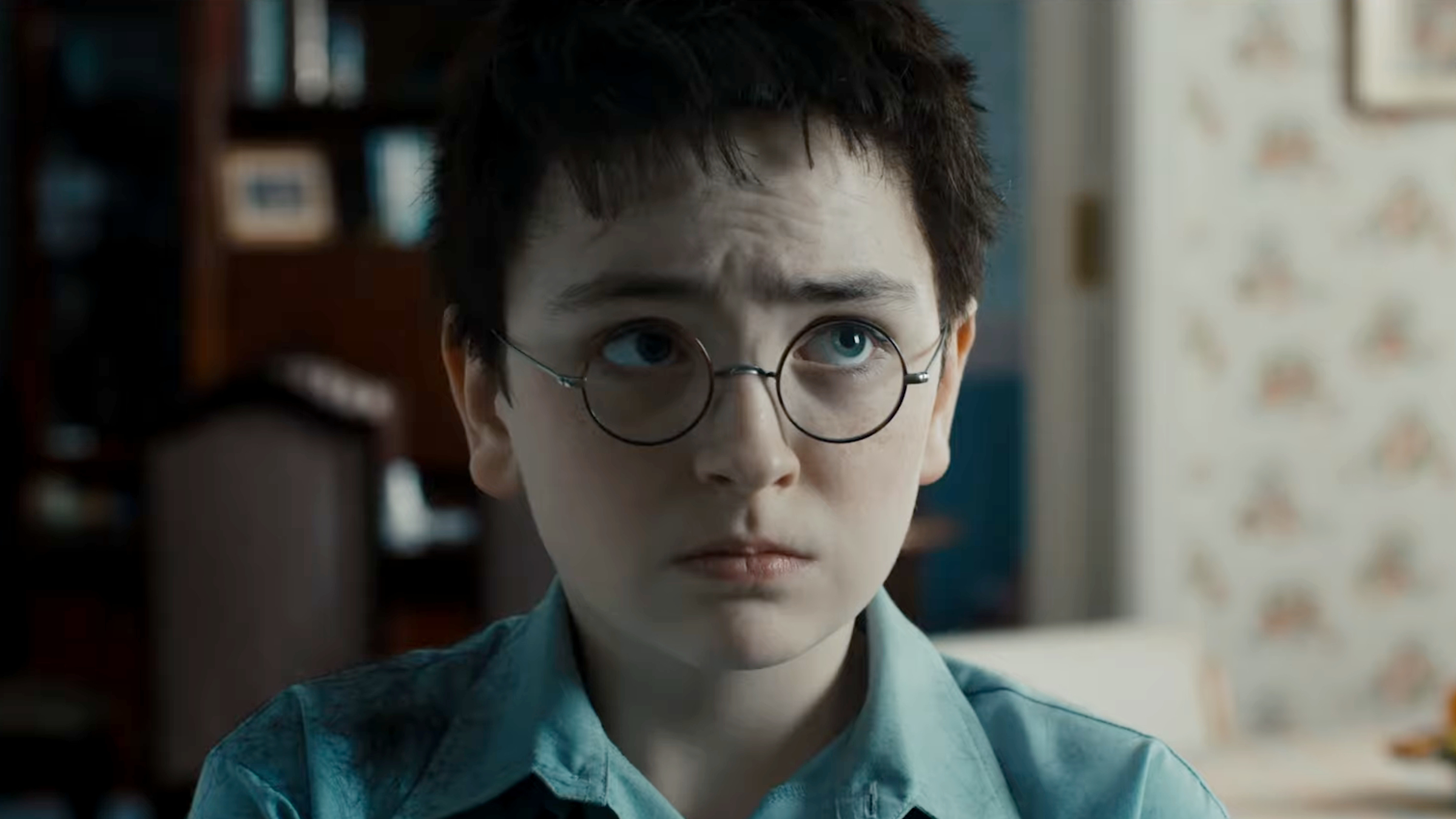
A common issue with streaming shows is the unpredictable wait between seasons. Unlike older TV models, consistency is rare. Game of Thrones became a huge hit partly because fans knew when to expect new episodes – for six years, a new season arrived around the same time each year. Even the slight delay before Season 7 and the year-long gap before Season 8 didn’t hurt, as the show had already built a massive following.
These days, it feels nearly impossible for a show to maintain such a large scale of production. We’ve seen significant delays with popular series like House of the Dragon (two years between seasons) and Stranger Things (three years), and that’s become typical. While the second season of Harry Potter is aiming for a Christmas 2027 release, HBO anticipates the entire series will take over ten years to complete, spanning seven seasons. As the storylines grow more complex, an eighteen-month production cycle seems optimistic, and it’s likely to take even longer.
One major hurdle for the show is maintaining its popularity over the long term, especially as its original young audience grows up. While it’s still expected to be very successful, there’s a risk that interest will fade with time – a situation that really shows how different television is now compared to when Game of Thrones was at its peak.
What do you think? Leave a comment below and join the conversation now in the ComicBook Forum!
Read More
- The Super Mario Galaxy Movie: 50 Easter Eggs, References & Major Cameos Explained
- 10 Best Free Games on Steam in 2026, Ranked
- Surprise Isekai Anime Confirms Season 2 With New Crunchyroll Streaming Release
- Sydney Sweeney’s The Housemaid 2 Sets Streaming Release Date
- ‘Project Hail Mary’: The Biggest Differences From the Book, Explained
- Why is Tech Jacket gender-swapped in Invincible season 4 and who voices her?
- Welcome to Demon School! Iruma-kun season 4 release schedule: When are new episodes on Crunchyroll?
- Starfield (PS5) Review – A Successful Cross-Console Voyage
- Preview: Sword Art Online Returns to PS5 as a Darker Open World Action RPG This Summer
- Skate 4 – Manny Go Round Goals Guide | All of the Above Sequence
2026-04-12 17:40