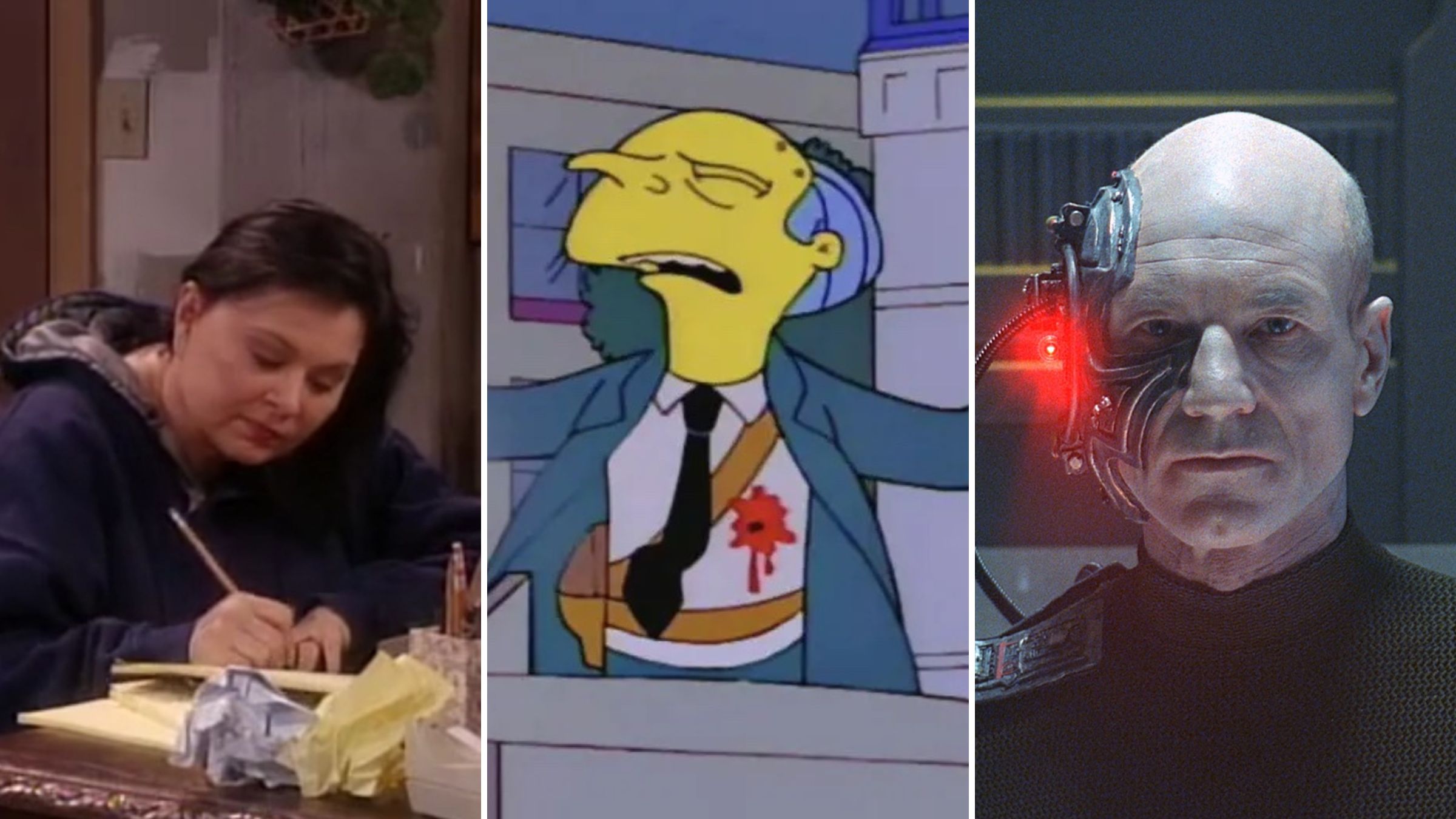
When we watch TV shows, we become deeply invested in the characters and the worlds they live in, forming expectations along the way. A good plot twist takes advantage of this investment, changing how we understand everything that’s happened. Some shows, like Lost, are famous for constantly surprising viewers with unexpected turns, building their stories around deception. Game of Thrones gained a reputation for breaking expectations by unexpectedly killing off major characters. The Good Place even used a plot twist to completely change the direction of the show. While plot twists are still a key part of television, it’s become harder to be surprised because spoilers spread quickly online.
Plot twists in the 1990s landed with a much bigger impact because spoilers didn’t spread as quickly. Back then, you had to rely on phone calls or newspapers to find out secrets, instead of instant social media updates. This meant a shocking reveal on a Tuesday night show could still genuinely surprise viewers by Friday. At the same time, TV was changing – shows started telling longer, connected stories instead of self-contained episodes. This combination of slow spoiler culture and innovative storytelling led to a few truly shocking moments that people talked about for years.
7) Newhart
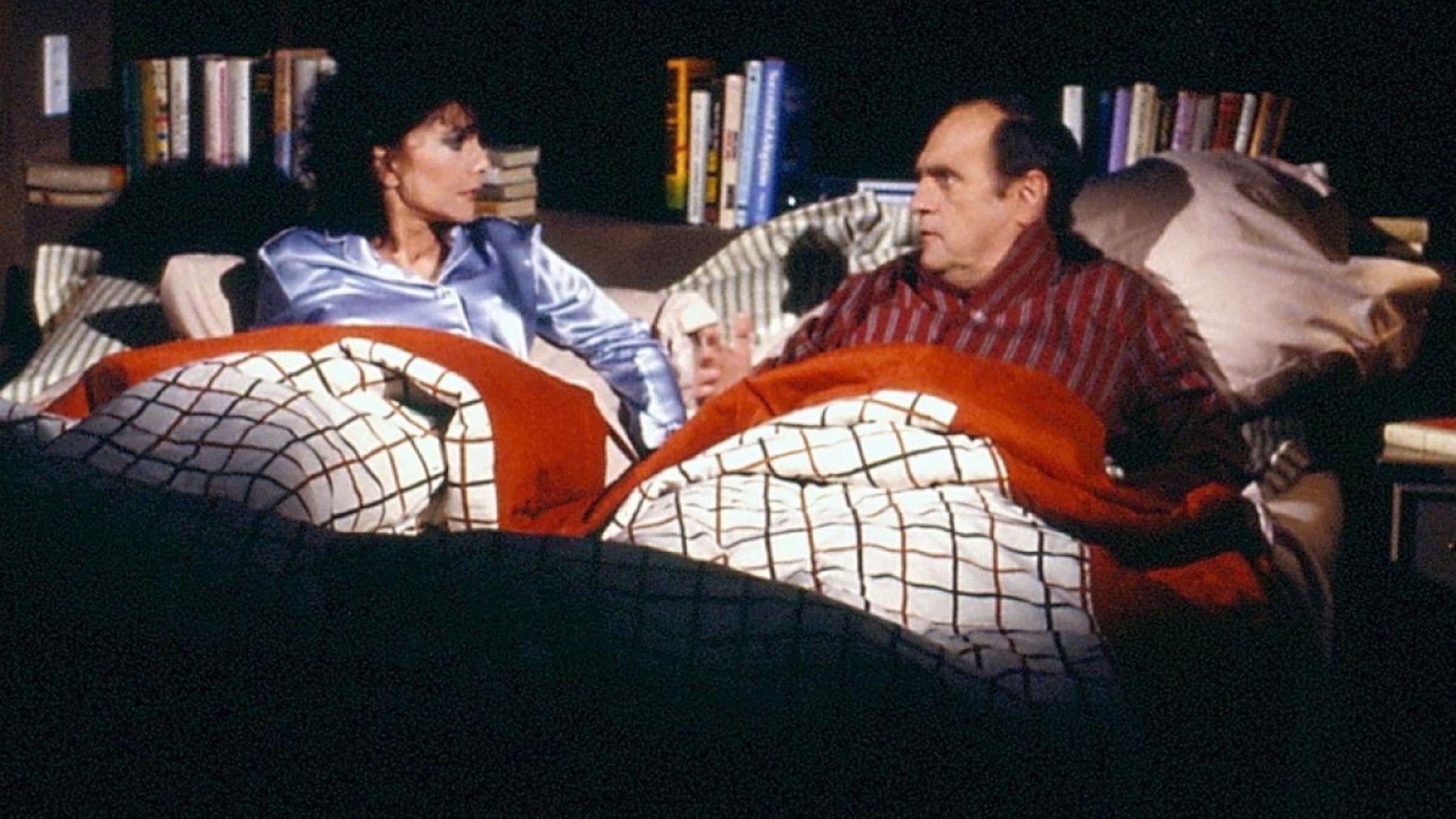
The final episode of Newhart is widely considered the best example of the “it was all a dream” trope in TV history. It worked so well because, for eight seasons, the show focused on relatable characters and funny situations without trying to be overly complex. The series followed Dick Loudon (Bob Newhart), a writer who ran an inn in Vermont, and the finale shockingly revealed him waking up in bed next to Emily Hartley (Suzanne Pleshette), his wife from his earlier show, The Bob Newhart Show. The scene was perfectly done, with Newhart delivering the final jokes while still in his pajamas and Emily urging him to go back to sleep. The twist was both a sweet nod to The Bob Newhart Show and a fittingly quirky ending for a sitcom that had quietly become a classic.
6) Roseanne

The final episode of Roseanne is remembered for a shocking twist that sparked a lot of debate. The show’s last season featured the Connor family suddenly becoming wealthy after winning the lottery, which many long-time viewers felt changed the show’s focus from its working-class beginnings. In a surprising reveal, the finale explained that Roseanne Conner (Roseanne Barr) had been writing a book about her family, and the lottery storyline was actually her creation. Even more shockingly, she revealed that Dan Connor (John Goodman) had actually died from a previous heart attack, and the show had continued as a way for her to cope with her grief. This meant years of comedic moments were reframed as the imagination of a grieving widow, a shift in tone that deeply divided audiences.
5) The Simpsons
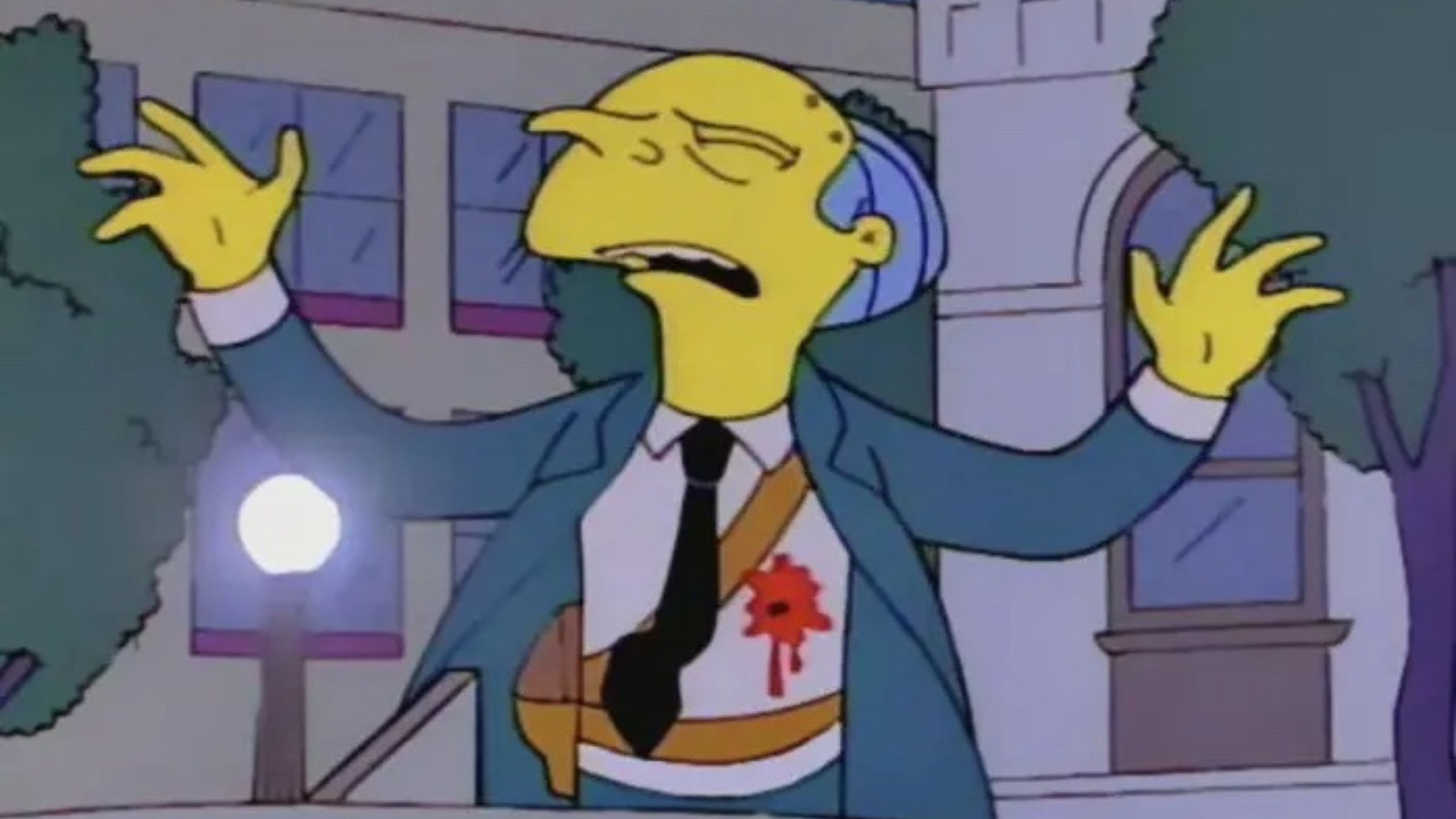
The two-part Simpsons episode that ended Season 6 and began Season 7 became a major cultural moment. The Season 6 finale showed Montgomery Burns being shot after he blocked the sun from Springfield, and the storyline was intentionally modeled after the famous “Who Shot J.R.” mystery from Dallas. However, The Simpsons cleverly poked fun at the format, making even the marketing campaign part of the joke. Throughout the summer of 1995, producers released real clues to get viewers guessing, and the question of who shot Burns dominated entertainment news for months. The Season 7 premiere finally revealed Maggie Simpson as the shooter – a surprising choice that deliberately avoided a typical dramatic conclusion, staying true to the show’s comedic style.
4) Buffy the Vampire Slayer

The second season of Buffy the Vampire Slayer heavily focused on the romantic relationship between Buffy Summers and the vampire Angel, but then dramatically turned that relationship into a heartbreaking plot twist. In the episodes “Surprise” and “Innocence,” it was revealed that Angel’s regained humanity depended on him not experiencing true happiness, and being intimate with Buffy caused him to lose it. This transformation unleashed Angelus, a cruel killer with a long and terrifying history, forcing Buffy to hunt down the man she loved in his monstrous form. This storyline was unusually impactful for a network TV show in 1998 because it used a loving relationship to trigger such a dark change. The show never regained its earlier optimism after this, becoming significantly more serious and dealing with darker themes.
3) Friends

The fourth season finale of Friends packed a lot into one episode. Viewers were surprised by the blossoming romance between Monica Geller and Chandler Bing, which had been developing subtly throughout the season, happening almost unnoticed amidst the focus on the wedding storyline. Even more dramatically, Ross Geller accidentally said Rachel’s name instead of his bride’s, Emily’s, while at the altar. He quickly tried to correct himself, but the mistake instantly reignited the show’s central will-they-won’t-they dynamic with Rachel, seemingly undoing their past relationship. This moment became incredibly famous and is still often referenced as one of television’s most memorable comedic mishaps.
2) Star Trek: The Next Generation
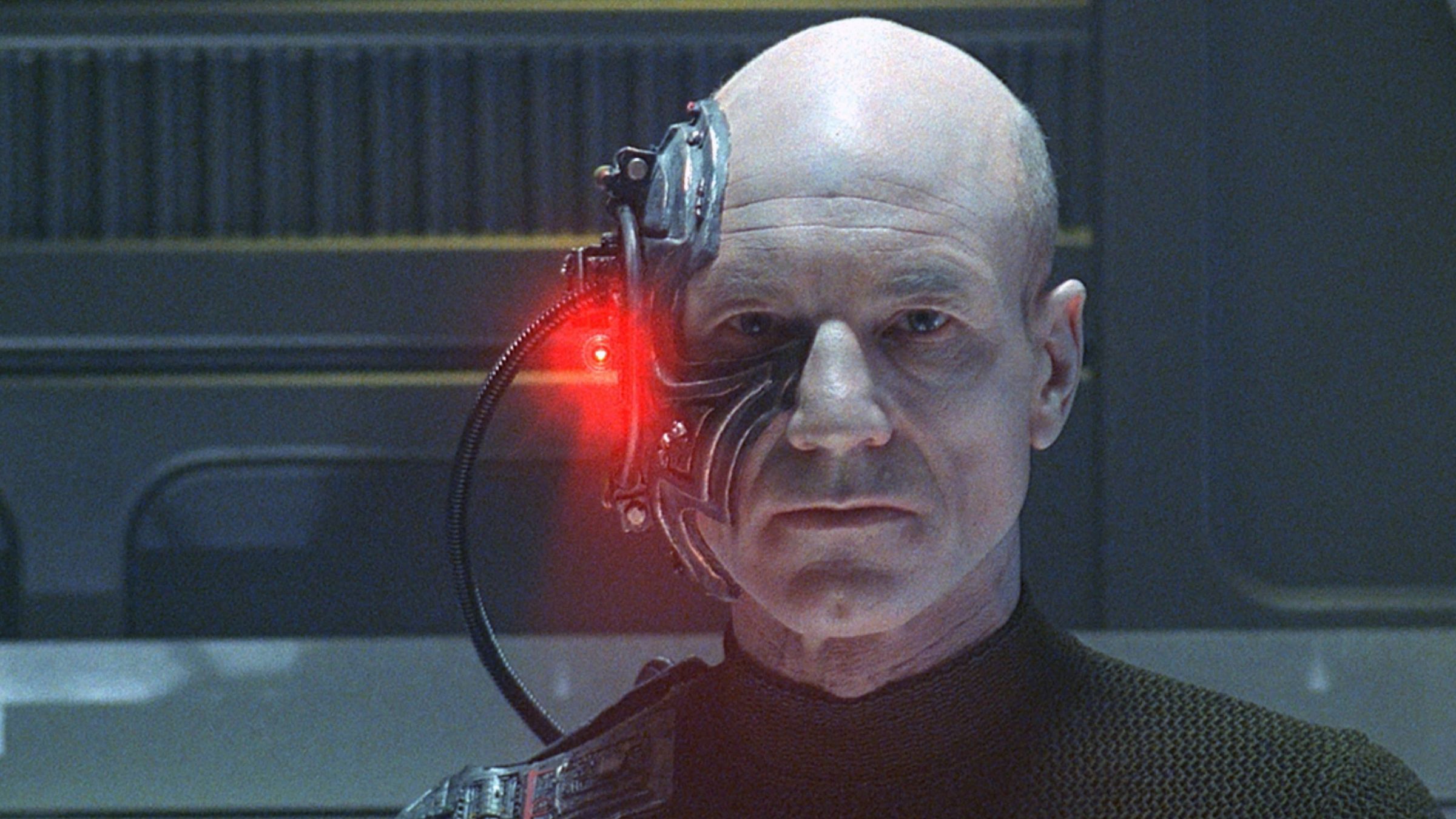
The season finale of Star Trek: The Next Generation, called “The Best of Both Worlds,” dramatically changed how TV shows ended their seasons. It featured a shocking twist: the show’s beloved hero, Captain Jean-Luc Picard (Patrick Stewart), was captured by the Borg and turned into one of them, becoming a dangerous weapon known as Locutus of Borg. This forced his second-in-command, Riker (Jonathan Frakes), to make the difficult decision of whether to attack his own captain. The episode ended on a cliffhanger – with Riker giving the order to fire – and the words “To Be Continued.” Surprisingly, the writers hadn’t even finished the story at that point! Rumors spread that Stewart might leave the show. This cliffhanger became national news, was unusual for science fiction TV at the time, and paved the way for how shows like Lost and Game of Thrones would later build suspense at the end of their seasons.
1) Twin Peaks
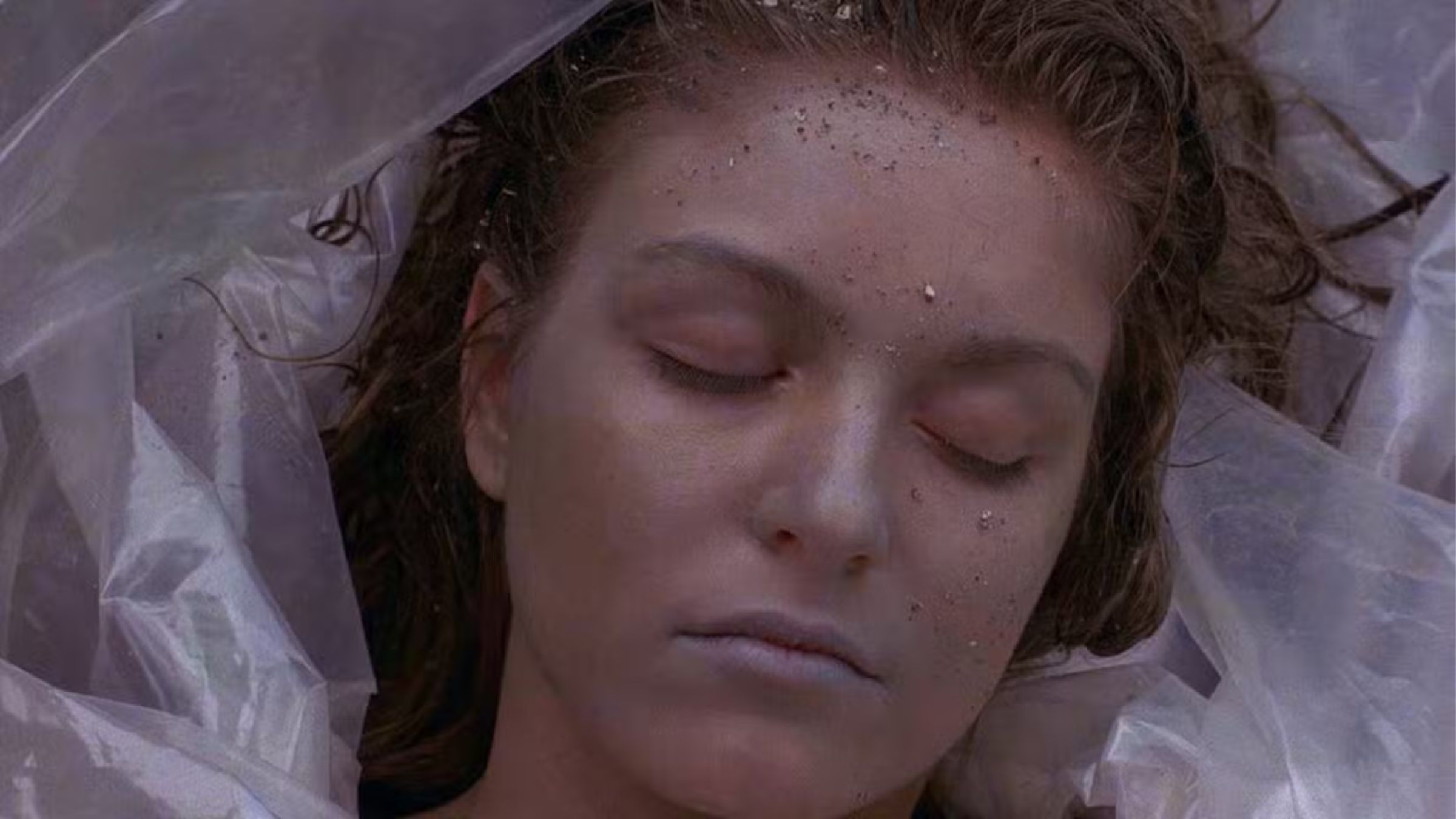
David Lynch and Mark Frost’s Twin Peaks captivated America like few TV shows had before. The mystery of who killed Laura Palmer, the town’s homecoming queen (played by Sheryl Lee), was the focus of the first and part of the second season. FBI Agent Dale Cooper (Kyle MacLachlan) systematically investigated suspects in a town hiding a lot of darkness. The answer came in the seventh episode of Season 2, directed by Lynch, revealing that Laura’s own father, Leland Palmer (Ray Wise), was the killer. He was controlled by a demonic force named BOB (Frank Silva) that had possessed him since he was a child. This shocking reveal completely changed how viewers understood previous scenes with the Palmer family, exposing a long history of abuse hidden beneath a seemingly loving home. Leland died in Cooper’s arms shortly after, realizing the terrible acts BOB had committed through him. Ray Wise’s performance in those final moments was widely praised as some of the best dramatic acting ever seen on television. The episode aired on December 1, 1990, and sparked a debate about whether network television could truly tackle such dark and complex themes – a conversation that continues to this day.
What TV plot twist from the 1990s shocked you the most when you originally saw it? Share your thoughts in the comments and join the discussion on the ComicBook Forum!
https://comicbook.com/tv-shows/list/7-underrated-1990s-tv-shows-that-deserve-a-reboot/embed/#
Read More
- Surprise Isekai Anime Confirms Season 2 With New Crunchyroll Streaming Release
- HBO Max Just Added the Final Episodes of a Modern Adult Swim Classic
- Crimson Desert’s Momentum Continues With 10 Incredible New Changes
- Frieren: Beyond Journey’s End Gets a New Release After Season 2 Finale
- Pragmata Shows Off Even More Gorgeous RTX Path Tracing Ahead of Launch
- All 7 New Supes In The Boys Season 5 & Their Powers Explained
- Preview: Sword Art Online Returns to PS5 as a Darker Open World Action RPG This Summer
- ‘Project Hail Mary’: The Biggest Differences From the Book, Explained
- Solo Leveling’s New Character Gets a New Story Amid Season 3 Delay
- Coronation Street airs horrifying discovery for Summer Spellman about villainous Theo in early ITVX release
2026-04-14 21:19