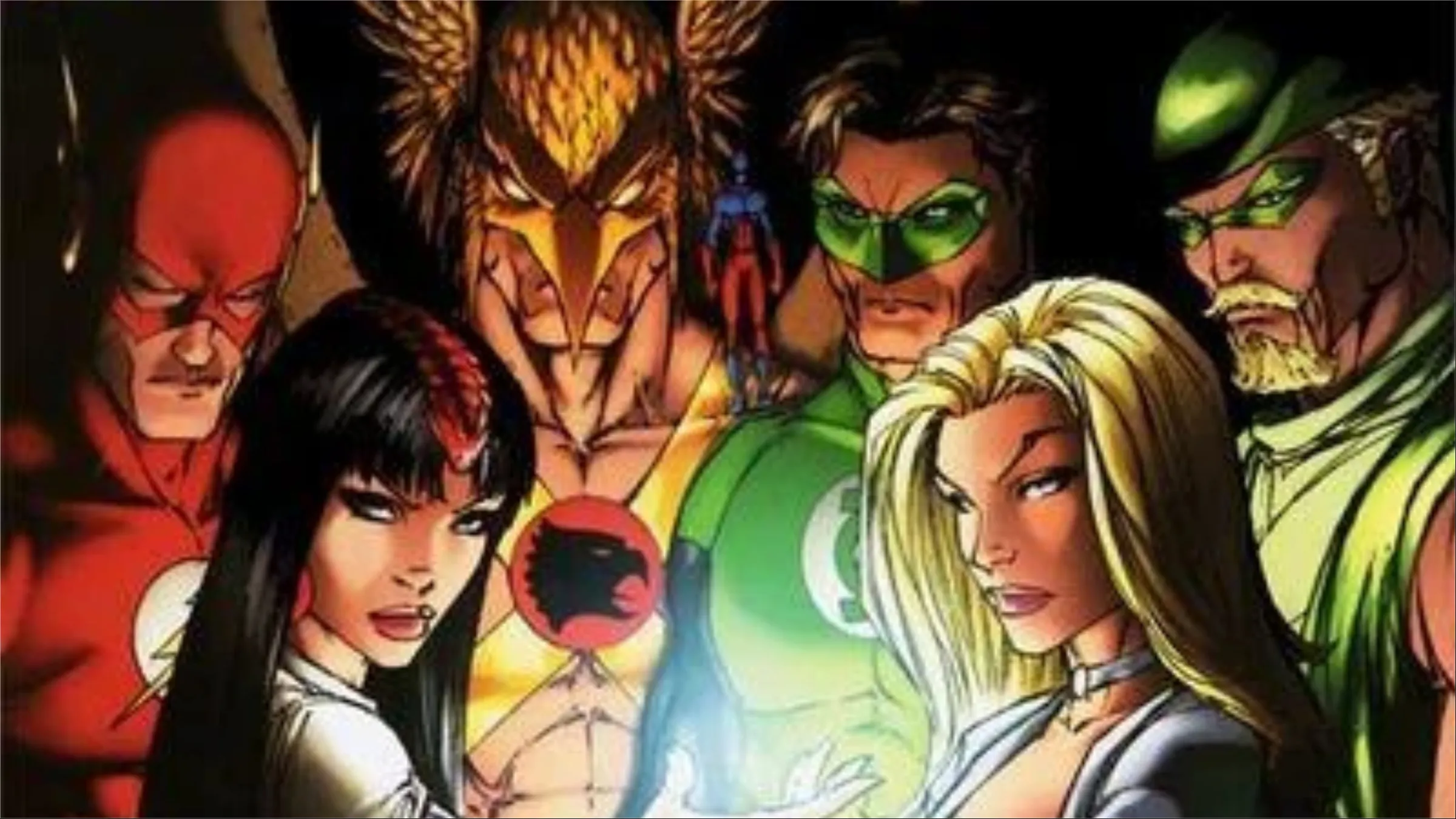
DC Comics is responsible for some of the most important and influential comics ever created. While Marvel is often seen as the innovator, DC fans know that DC’s stories have had a greater lasting impact on the art of comics itself. Throughout its history, DC has consistently delivered groundbreaking titles, and the publisher – the home of Superman and Batman – is highly respected by critics. They’ve consistently taken creative risks, shaping the comic book industry as a whole.
Certain classic stories remain timeless and are cherished by fans, almost like sacred texts. But not every classic holds up well over time – some lose their appeal. These ten famous DC stories, once loved, now serve as examples of how things can go wrong.
10) Batman: The Killing Joke

Let’s be honest: Batman: The Killing Joke doesn’t live up to the hype. While many fans consider Alan Moore and Brian Bolland’s story a classic, revisiting it now shows it’s largely a typical Batman tale elevated by Moore’s writing and Bolland’s incredible artwork. Interestingly, Moore himself dislikes the book and wishes he hadn’t written it, and there’s a good reason why. The Joker works best as an enigma, and the way the book portrays Barbara Gordon is frankly awful. It really feels like a product of its time, and not in a good way.
9) Wonder Woman (Vol. 4) #1-35

Wonder Woman often gets overshadowed by Superman and Batman, but there was a time when it seemed like that was changing. When DC launched its New 52 initiative, they tasked Brian Azzarello and Cliff Chiang with reimagining her backstory for a new universe. Their run on Wonder Woman (Vol. 4) shocked readers by establishing Diana as the daughter of Zeus and portraying the Amazons as pirates who used sexual assault to become pregnant before killing the men they victimized. While the series was initially popular, many fans now dislike these changes to the iconic hero. This approach became representative of the larger issues that the New 52 would create for Wonder Woman and her established history.
8) The Dark Knight Returns
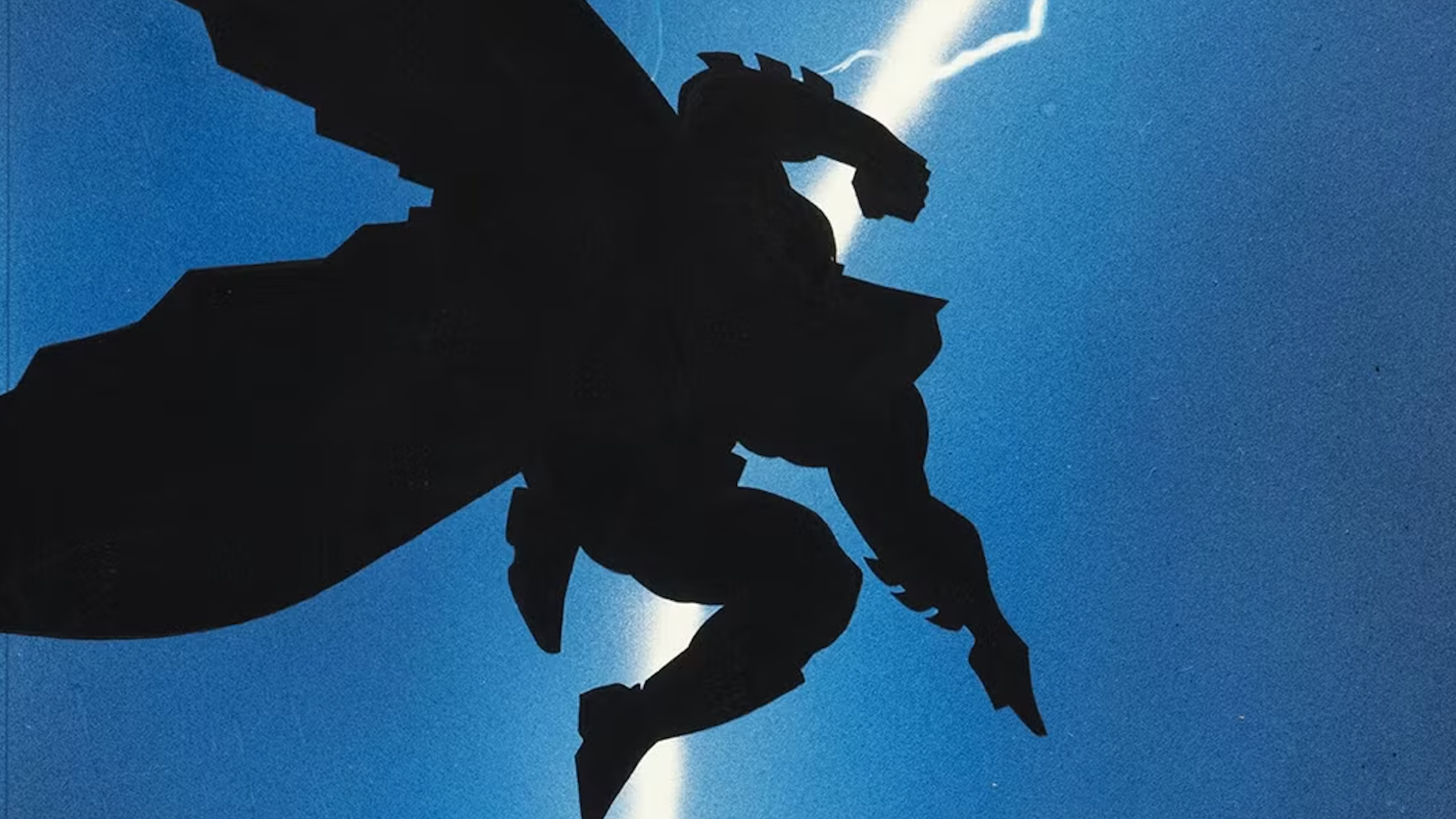
Frank Miller’s The Dark Knight Returns is a highly influential comic, credited with helping to elevate the medium in 1986. While considered a classic, and widely read, it doesn’t quite live up to its reputation today. The story feels dated, and Miller’s focus overwhelmingly favors Batman, even presenting him as somewhat authoritarian. Part of the issue might be its immense popularity – because everyone has read and lauded it for so long, it’s now easier to spot its flaws than it used to be.
7) Man of Steel
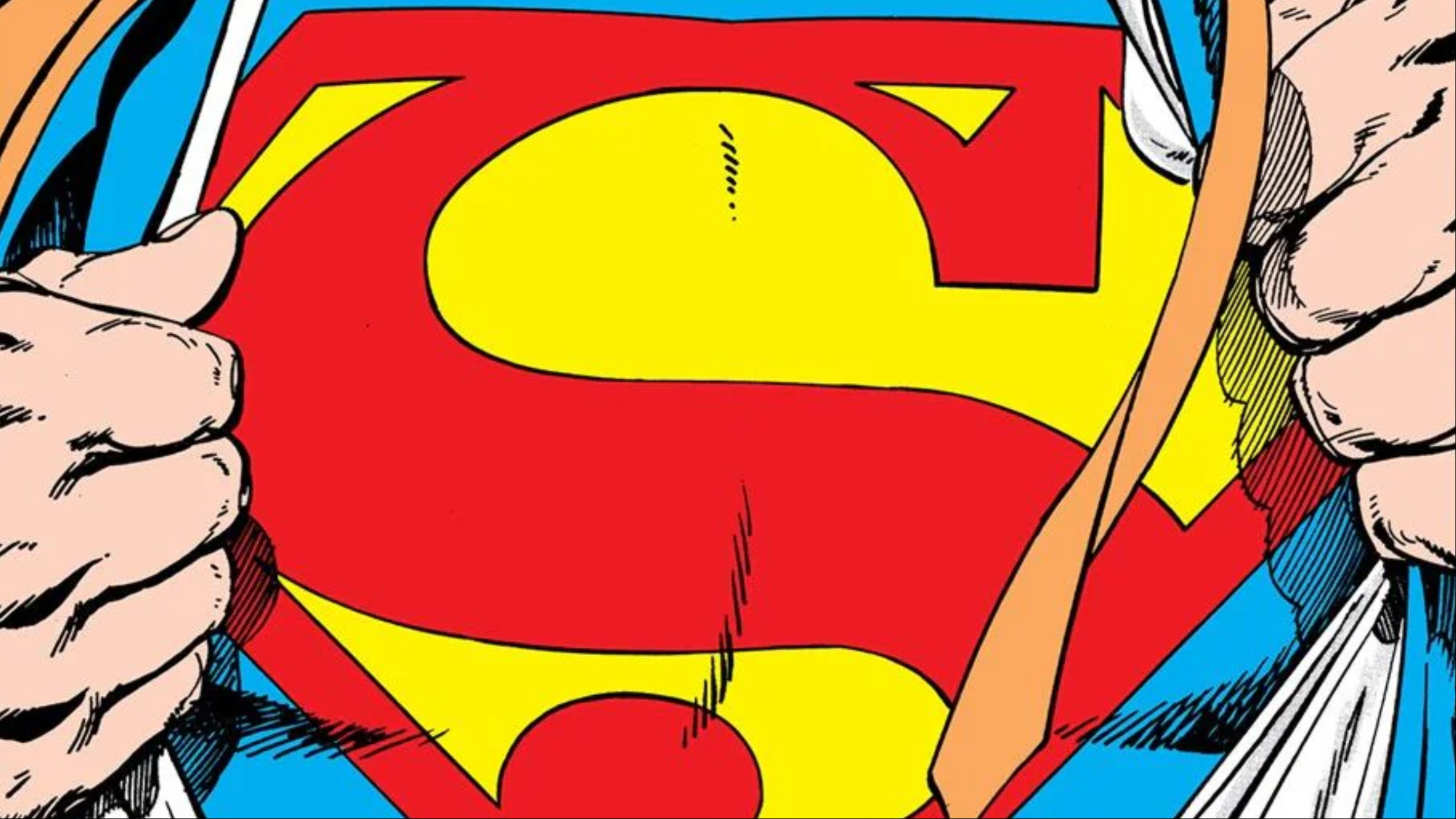
The storyline Crisis on Infinite Earths brought huge changes, starting with Superman. DC Comics gave the character a complete overhaul to artist John Byrne, allowing him to essentially rebuild Superman from scratch. He began with the Man of Steel series, dramatically changing the hero’s origins. Suddenly, Krypton was depicted as a bleak, emotionless planet, and Kal-El’s birth on Earth made him incredibly patriotic and traditionally American. Many see this as a reflection of the conservative values of the Reagan era. While popular when it was first released, fans now generally dislike these changes, feeling Byrne stripped away much of what made Superman special and replaced it with overly conservative themes. It very much feels like a product of the 1980s, and that’s seen as a negative by many today.
6) Justice League (Vol. 2)
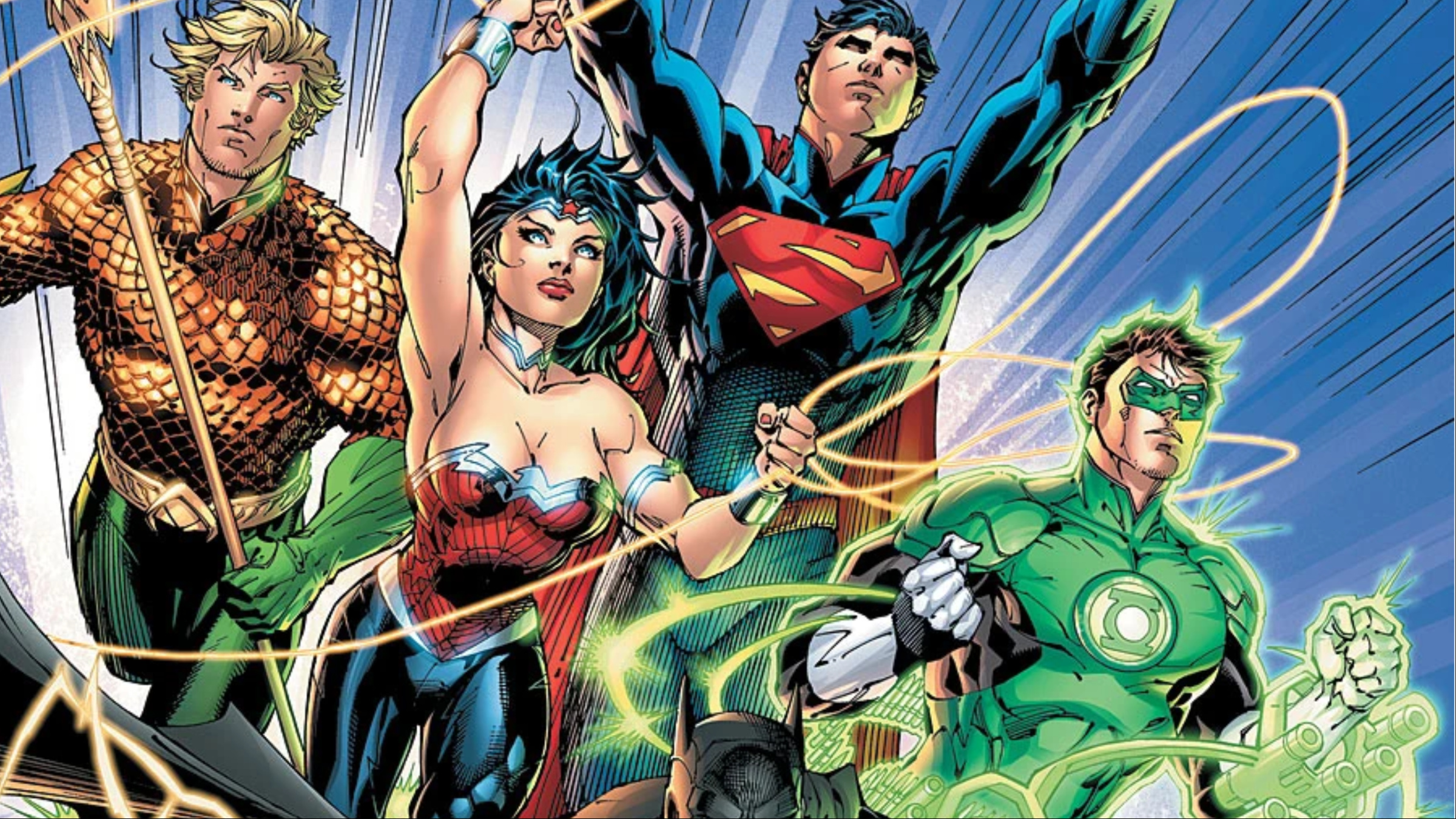
The New 52 comic book initiative heavily relied on the Justice League series (Vol. 2), launched by Geoff Johns and Jim Lee. It was intended to be the defining title, starting with the team’s origins and establishing the broader superhero world. While fans had high hopes, the series ultimately delivered fairly standard Justice League stories within a universe that quickly lost its appeal. Looking back now, the book actually holds up even worse than it did at the time. Re-reading it highlights all the confusing and questionable choices DC made during the New 52 era.
5) DC Rebirth #1
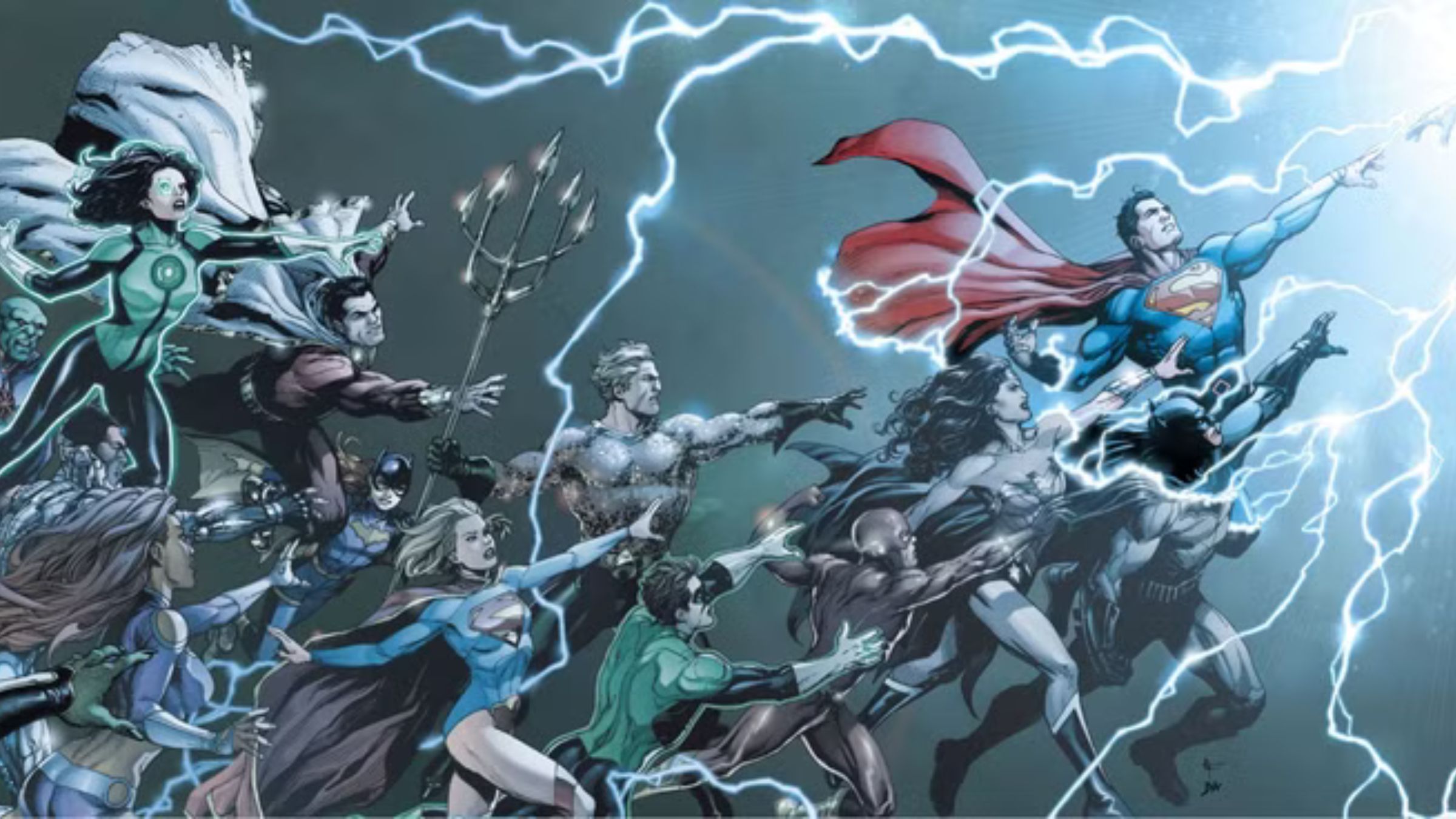
DC Rebirth #1, released in 2016, was exactly what DC Comics needed. The previous publishing initiative, The New 52, hadn’t resonated with fans, and people were eager for a return to familiar storylines. This oversized, 80-page issue – remarkably priced at just $2.99 (compared to Marvel’s $5.99 for a similar 57-page attempt in 2017) – by Geoff Johns and a team of talented artists, cleverly set the stage for both the restoration of the pre-Flashpoint DC Universe and the events of Doomsday Clock. It was a huge success and kickstarted the positive momentum of the Rebirth relaunch. While the book generated a lot of excitement at the time, knowing how the story ultimately unfolded diminishes its impact today. It’s sadly a letdown now, especially for those who initially loved it.
4) The History of the DC Universe
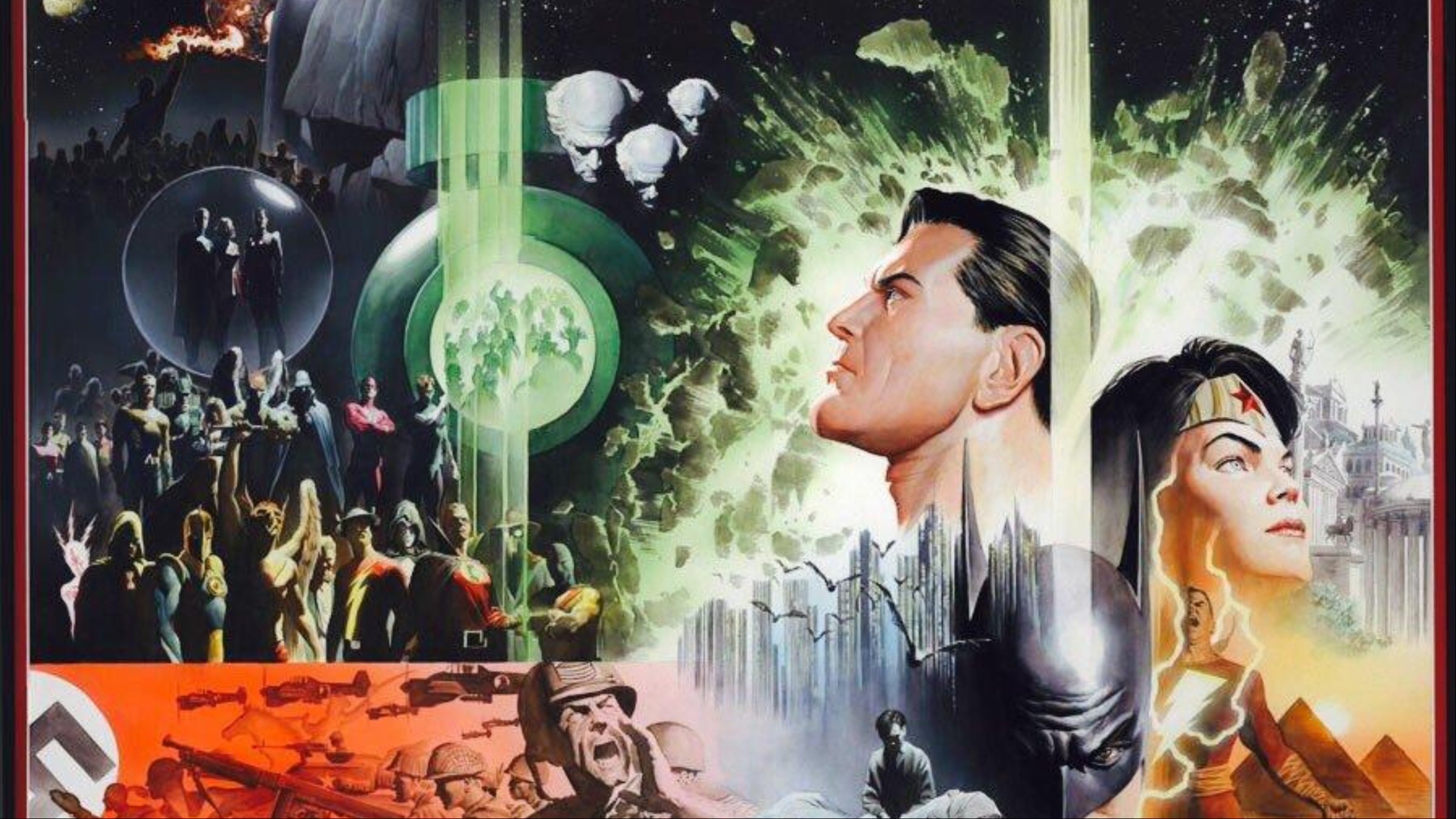
The Crisis on Infinite Earths event was DC Comics’ attempt to revitalize its readership. While the reboot updated its characters and universe, it also created confusion about the established history. To address this, the creative team behind Crisis—Marv Wolfman and George Perez—created The History of the DC Universe, detailing the history of the newly unified Earth. It’s a well-regarded comic, especially for fans of DC after the Crisis, but it’s no longer considered official canon. Nowadays, there’s little reason to read it unless you’re simply curious; The New History of the DC Universe is the better option.
3) Flashpoint
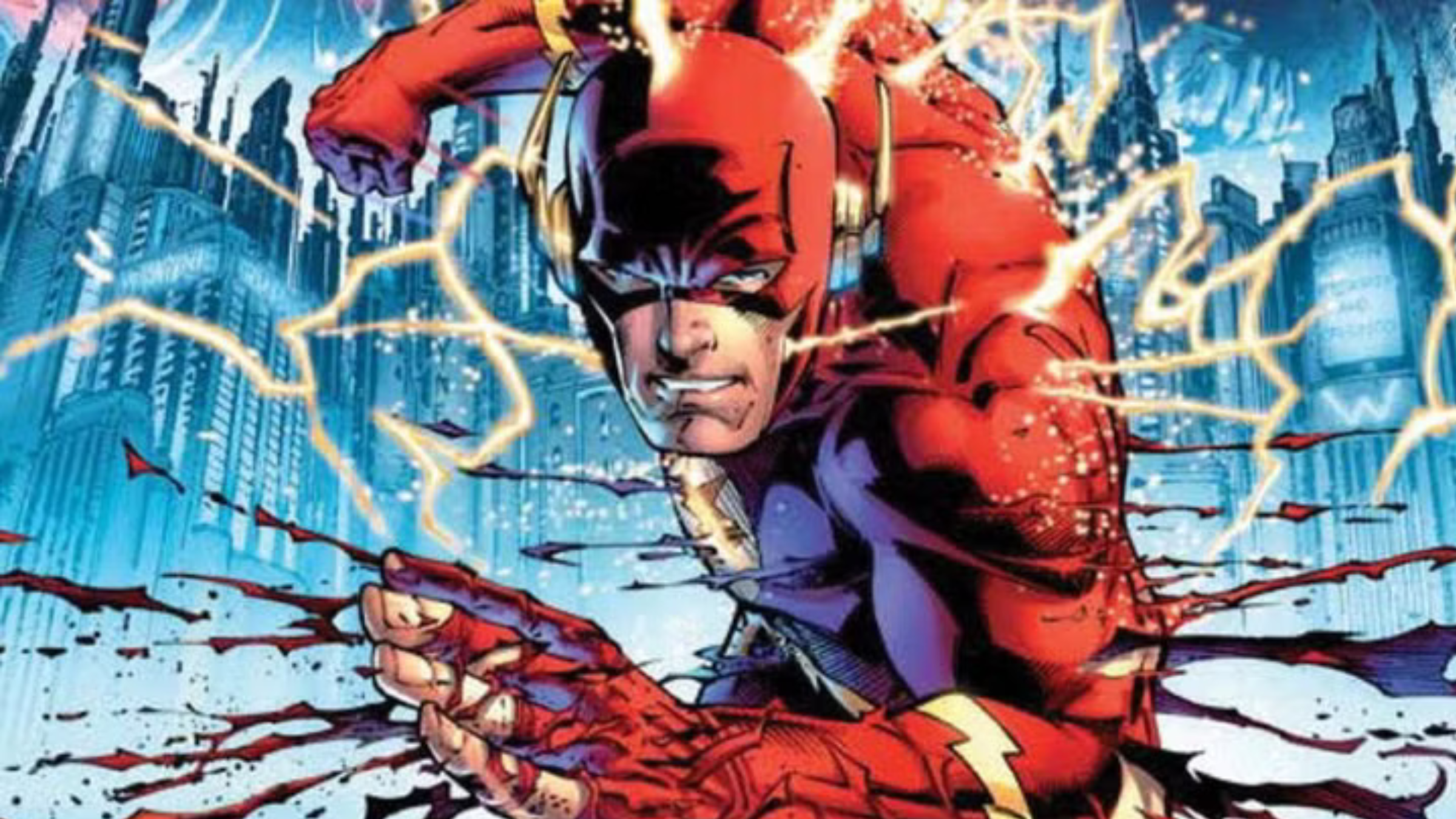
The New 52 reboot didn’t work out well for DC Comics, and many fans point to the Flashpoint event as the beginning of the problems. While hinted at in The Flash: Rebirth, the actual Flashpoint story felt disconnected from those earlier teasers. This five-issue series by Geoff Johns and Andy Kubert features the Flash waking up in a world where superpowers don’t exist and everything is different. He joins forces with a new version of Batman to uncover what happened and try to restore things. The artwork is beautiful, but the story itself is a fairly typical dark and gritty alternate reality tale. The ending has an interesting twist, but it surprisingly paints the Flash as the bad guy. It’s a bit of a confusing story, and knowing how it led to the New 52 changes how you view it.
2) Legends
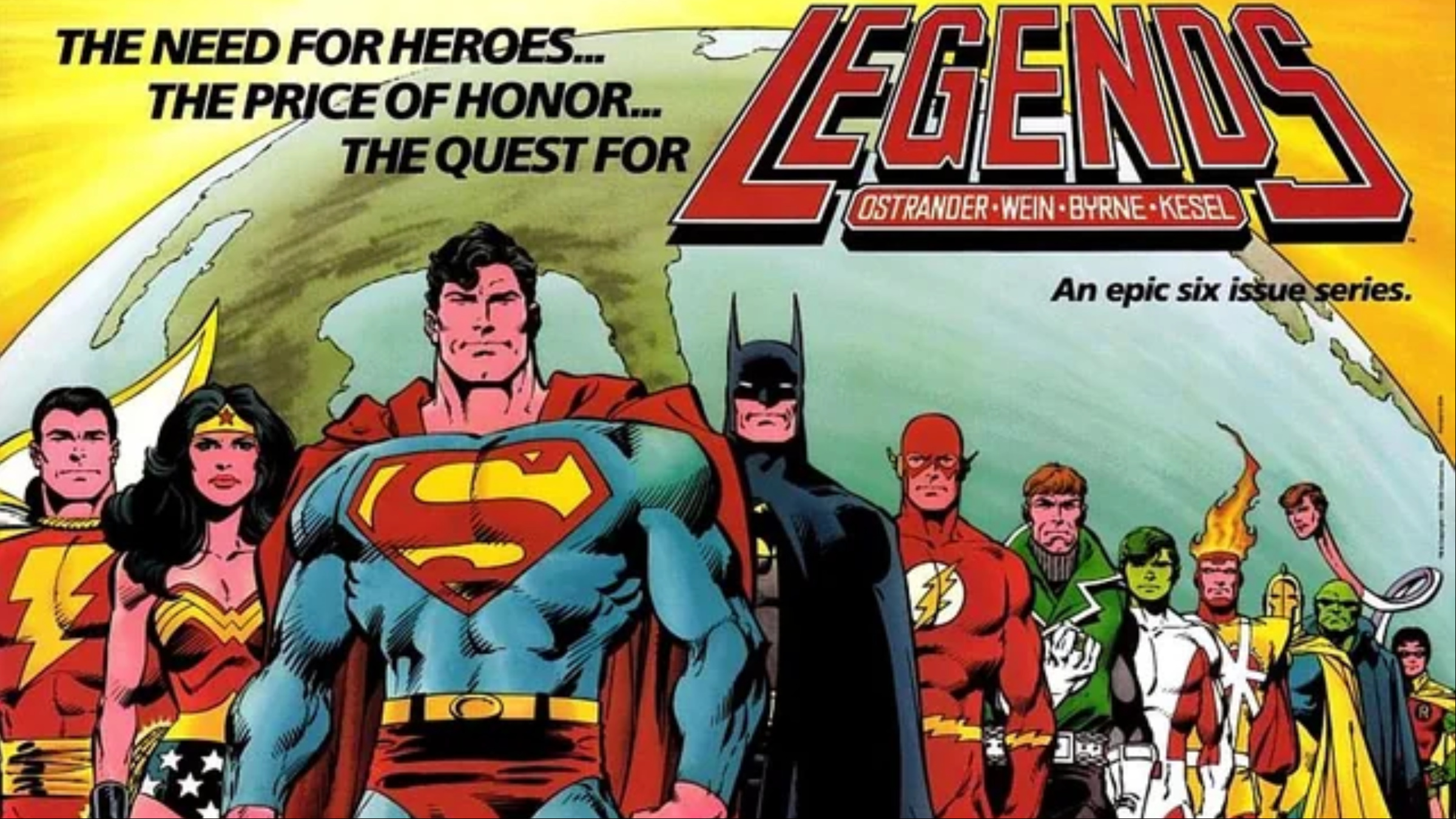
Legends, created by John Ostrander, Len Wein, and John Byrne, was designed to introduce readers to the revamped DC Universe following the ‘Crisis’ event (and I do genuinely enjoy the post-‘Crisis’ DC Universe, despite its early missteps). This six-issue series featured Darkseid sending a follower to Earth to cause destruction, bringing together various heroes for the first time. It directly led into the launch of ‘Justice League’ (Vol. 1), which later became ‘Justice League International,’ as well as ‘Suicide Squad’ and ‘Wonder Woman’ (Vol. 2). But this is where the book falters. It was intended to entice readers to purchase other new series – the idea was you’d read an issue of ‘Legends’ and then buy a related tie-in. As a result, reading ‘Legends’ by itself isn’t very satisfying; it feels incomplete, like only half a story.
1) Identity Crisis
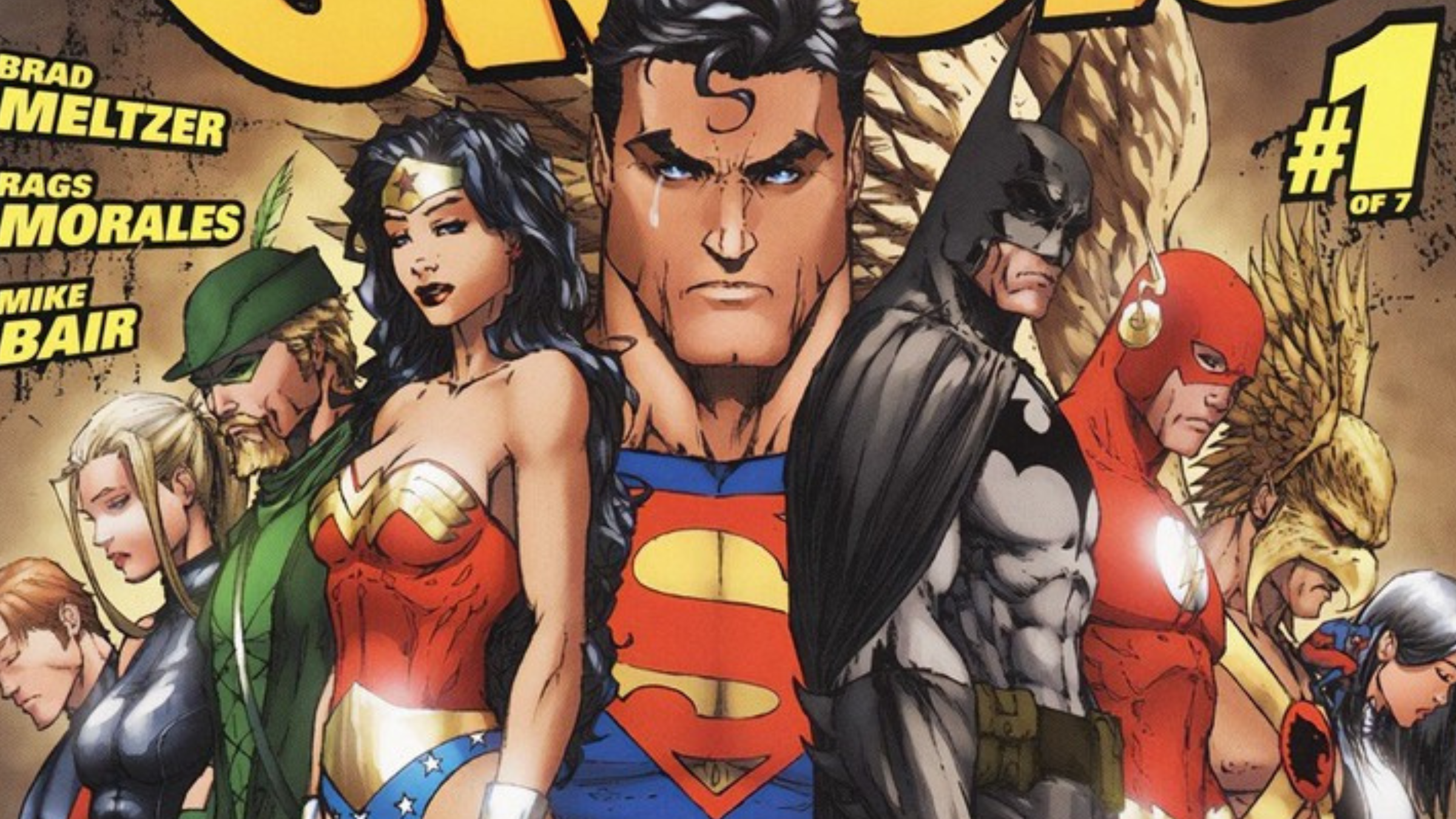
As a DC fan, I remember when Identity Crisis came out – it was a huge deal back in the day and really set the stage for Infinite Crisis. Honestly, if you skip it, you’re going to be totally lost during parts of that later story, especially anything involving the Justice League. But it’s also a book that really rubbed a lot of fans the wrong way, and I get why. The way they handled Sue Dibny was just… tough. First, they killed her, and then revealed she was pregnant, and on top of that, they brought up a past sexual assault. It all felt really unnecessary and upsetting. While the idea of the Justice League mindwipes – the reason the team eventually fell apart – was a cool plot point, the way it was revealed, tied to Sue’s story, means a lot of us just can’t get past it and probably never will. It’s a significant story, but a really difficult one to revisit.
https://comicbook.com/comics/list/dc-comics-10-greatest-threats-to-earth/embed/#
Read More
- Gold Rate Forecast
- Nintendo Switch 2 Reportedly Getting Remake of One of the Best PS3 and Xbox 360 Games
- 10 Movies That Were Banned in Different Countries For Random Reasons
- Welcome to Demon School! Iruma-kun season 4 release schedule: When are new episodes on Crunchyroll?
- 9 Great Supernatural Characters Everyone Forgot About
- Michael Jackson Biopic’s Record-Breaking Debut Unseats 2026’s Biggest Box Office Hit On U.S. Chart
- Crunchyroll Confirms New Isekai Anime Releases for 2026 and Beyond (With Major Returns)
- EUR JPY PREDICTION
- All 61 Episodes 90s Cult Classic Sci-Fi TV Show That Was Famously Canceled Twice Were Just Added to Tubi
- Crimson Desert Guide – How To Unlock All Elemental Skills
2026-04-29 01:41