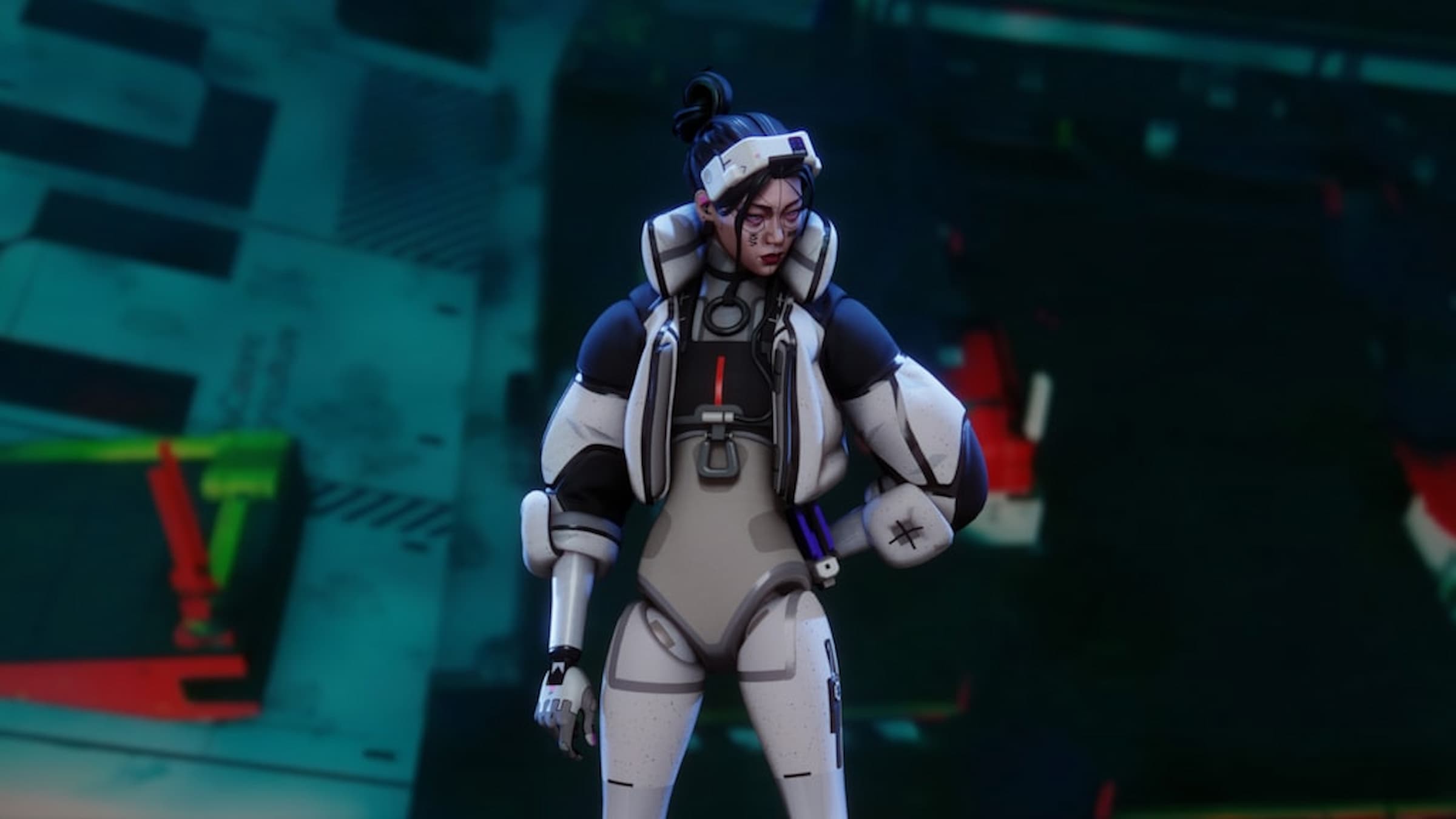
The game Marathon is generating a peculiar buzz, but it’s not the usual enthusiastic or dedicated following. It feels like the game itself is still searching for its identity. Recent player numbers on Steam reflect this – it’s not failing, but it isn’t gaining much traction either. It’s noticeable enough to be talked about, but not memorable enough to stick with players. This is particularly concerning for a studio like Bungie, as they are known for high expectations, and this lukewarm reception feels almost worse than a complete flop.
Everyone jumps to say Marathon is just too hard, or too ‘hardcore,’ but honestly, that’s not really the issue. It’s not a bad game, and I don’t think it demands too much. The problem is it doesn’t really give you enough back – things that feel unique or exciting. I really want to love this game, and I do dig the look and feel, plus I appreciate how ambitious it is. But after a while, everything starts to feel a little… samey. It loses its initial appeal. And honestly, looking at Bungie’s games over the years, this feels like part of a bigger trend, not just a one-time mistake.
It Entered the Shooter Space Without a Clear Identity of Its Own
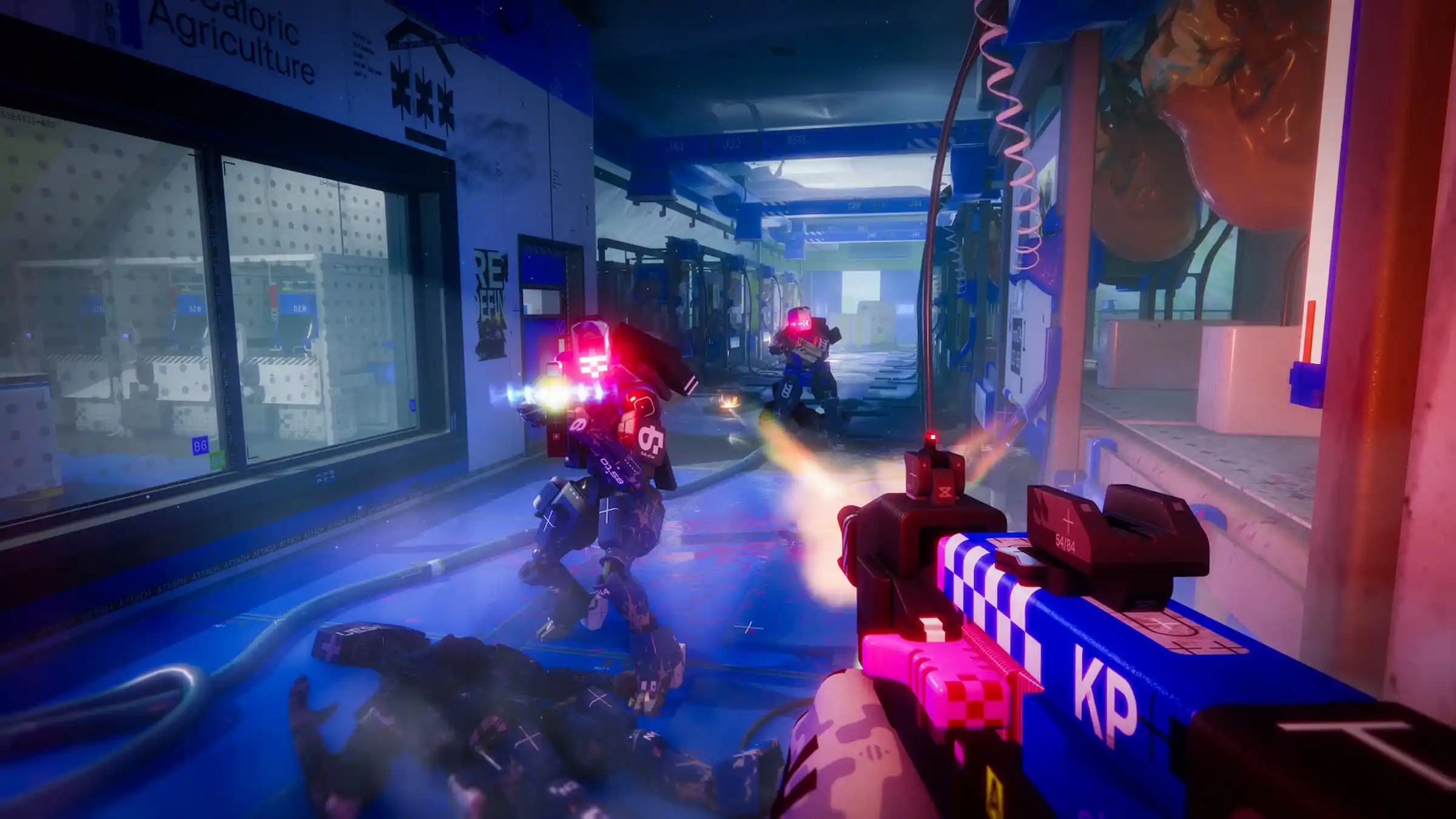
Marathon entered a gaming genre that’s already packed with well-established titles, and that’s its biggest challenge. Many different types of shooters – extraction, hero, tactical, and looter shooters – already exist, each with its own dedicated fanbase. Marathon, however, seems to rely on its striking visuals to create an impression, rather than unique gameplay. While it’s clear what kind of game it’s trying to be, the actual experience doesn’t quite deliver something truly distinctive. In today’s gaming landscape, where players have short attention spans, standing out from the crowd is crucial.
As I’ve been playing, I keep getting this weird feeling of déjà vu – like I’ve explored similar game systems before, just with slightly different skins. Even when things are working well, it rarely feels like the game is doing anything truly innovative or grabbing my attention. It’s hard not to compare it to Destiny 2, and honestly, not in a good way. Instead of feeling like a fresh take on the genre, Marathon often feels like it learned from the same lessons as other games, but somehow forgot to bring anything new to the table. When that happens, it doesn’t feel challenging – it just feels like it’s sending me back to experiences I already know and understand.
It’s frustrating because Bungie is clearly great at making shooting feel good – that’s never been the problem. However, solid gameplay isn’t enough to make a game stand out, especially now. Players want systems that feel meaningful, not just work correctly. Marathon feels like it’s still searching for something unique to define it. Without that defining feature, it risks becoming just another generic Bungie shooter, which is the last thing it needs.
The Core Gameplay Loop Doesn’t Feel as Fresh as the Art Direction Suggests
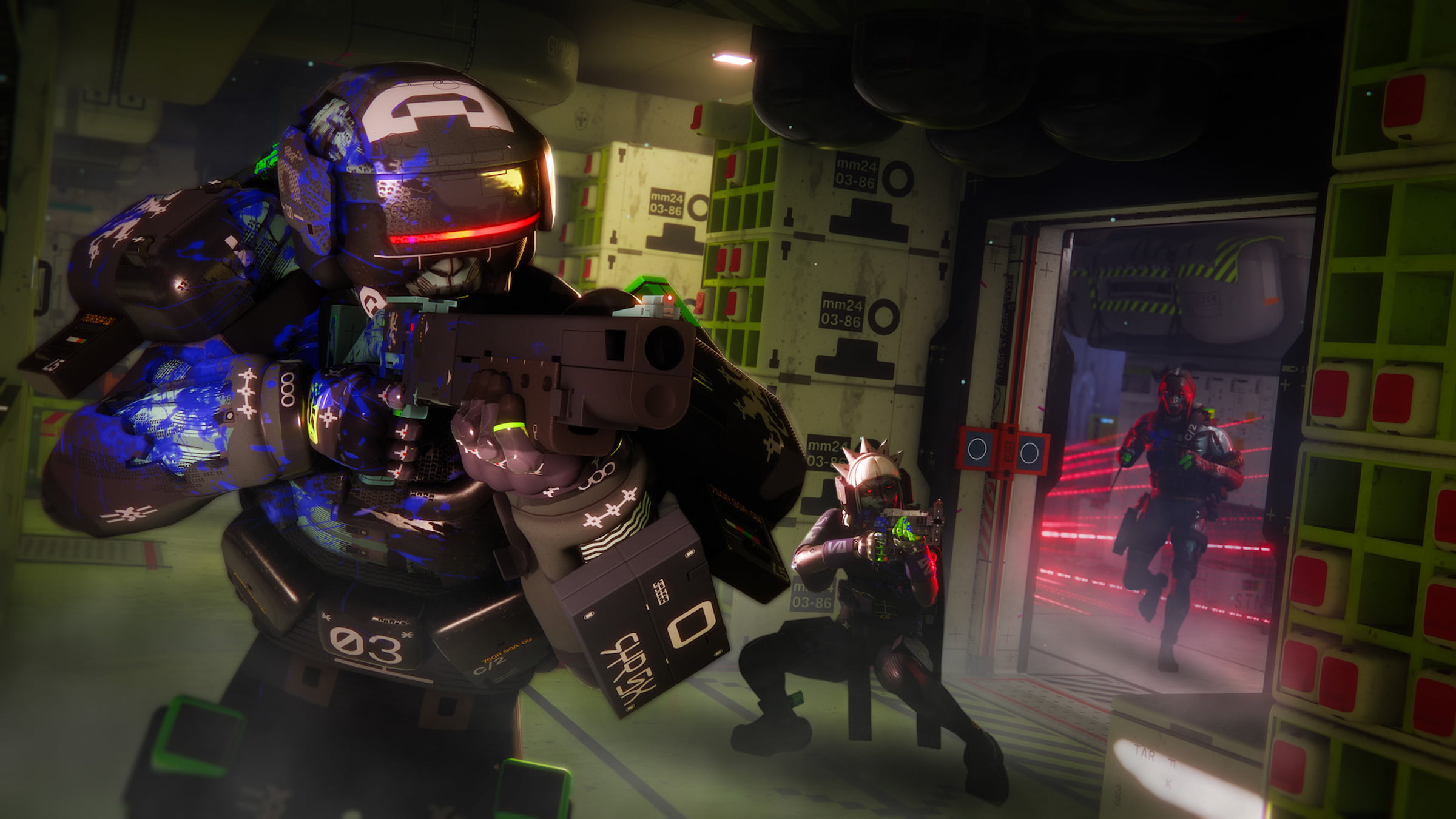
The game Marathon is visually striking, with a unique art style that many shooters would envy. This strong visual presentation leads you to expect equally innovative gameplay and carefully designed systems. However, once you start playing, the experience feels surprisingly traditional. The core gameplay loop of approaching, completing objectives, and repeating those actions is familiar, and lacks the moments of genuine surprise or originality that the visuals initially promise.
This frustration arises from a gap between the game’s potential and its execution. It initially feels like it’s going to offer something truly new, but it consistently falls back on familiar ideas. While battles are polished, they lack surprise, and while structured, they aren’t particularly memorable. You quickly start to predict what will happen, which isn’t a good sign for how long the game will stay engaging. This creates a strange disconnect—the game looks innovative, but the gameplay feels repetitive. This inevitably draws comparisons to Destiny 2.
Bungie’s approach to game design feels a bit too strict here. While their established structure is good at keeping players engaged in existing games, it holds back this reboot of a long-dormant franchise. Marathon aims for a bolder reinvention than it actually achieves, and that disconnect is noticeable once you start playing. It feels like the game is promising more than it delivers.
The “Hardcore” Debate Is Missing the Real Reason Players Drift Away
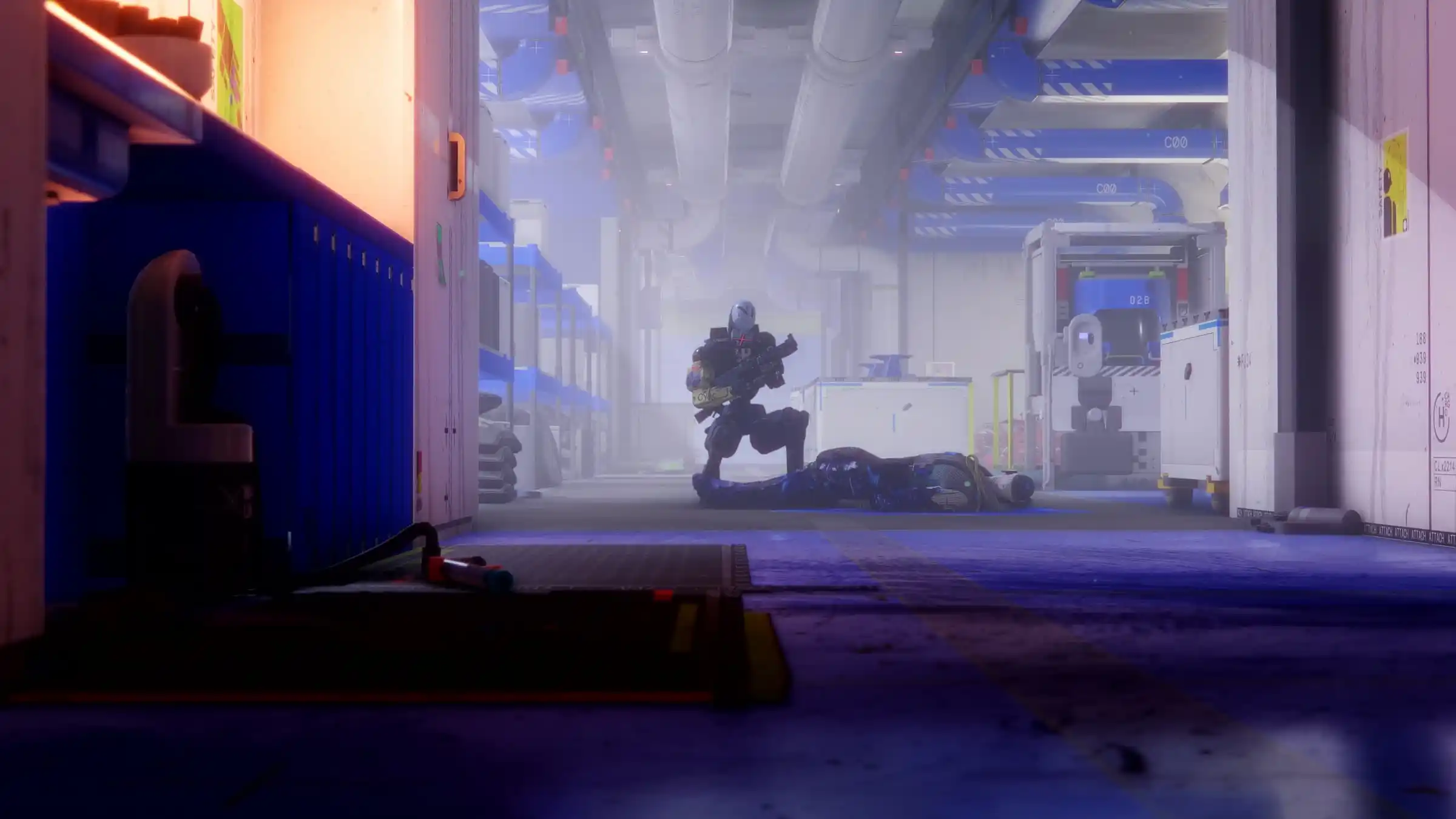
Many discussions about the game Marathon focus on whether it’s too difficult or inaccessible. While it’s easy to say that, especially since the game didn’t gain a huge player base right away, it feels like a simplistic explanation that doesn’t address the core design problems. Difficulty isn’t the main issue – players will gladly tackle a challenge if the game feels unique and offers satisfying rewards. The problem isn’t that Marathon is too intense and driving players away, but that it doesn’t immediately grab their attention with a clear sense of what it is or what they’re supposed to do.
Players usually don’t quit games because they’re too difficult. They leave because they don’t see the point. There’s a big difference between a challenging game and one that doesn’t feel rewarding for the time you put in. Marathon often falls into the latter category – the effort doesn’t lead to anything particularly exciting. This creates a quiet form of disinterest that’s actually more harmful than frustration, because at least frustration shows the player still cares. It’s much harder to win back someone who’s simply become indifferent.
The “hardcore” label also conveniently shifts attention away from broader structural issues that are harder to fix. Things like loop clarity, reward satisfaction, and mechanical novelty are not solved by adjusting difficulty curves. They are solved by rethinking what makes the experience worth repeating in the first place. Right now, Marathon feels like it is relying on its pedigree and presentation to carry its weight. That works for a while, until players realize there is not much underneath those surface strengths keeping them engaged.
Ultimately, I don’t think Marathon is a poor game – far from it. It’s simply very good at what it does, but in today’s gaming landscape, being merely competent isn’t enough to stand out. This is especially true for Bungie, a studio known for consistently raising the bar in the shooter genre, and it likely puts them in a difficult spot.
What do you think? Leave a comment below and join the conversation now in the ComicBook Forum!
Read More
- Everything You Need To Know About Nikki Baxter In Stranger Things’ Animated Spinoff
- The Boys Season 5, Episode 5 Ending Explained: Why Homelander Does THAT
- ‘The Bride!’ Review: Jessie Buckley Breathes Life into a Monstrous Mess
- 7 Most Brutal Avengers Villains, Ranked by Threat Level
- Gemma Arterton spy thriller Secret Service based on hit novel gets release date confirmed on ITV
- Welcome to Demon School! Iruma-kun season 4 release schedule: When are new episodes on Crunchyroll?
- After 11 Years, Black Clover Officially Ends With Final Release (& Crowns a New Wizard King)
- Miranda Kerr Shares “Quick” Procedure She Got Before Met Gala 2026
- 5 Best Marvel Comics of April, 2026, Ranked
- Blue Ivy Carter, 14, Makes Met Gala Debut as One of Youngest Guests
2026-05-07 02:11