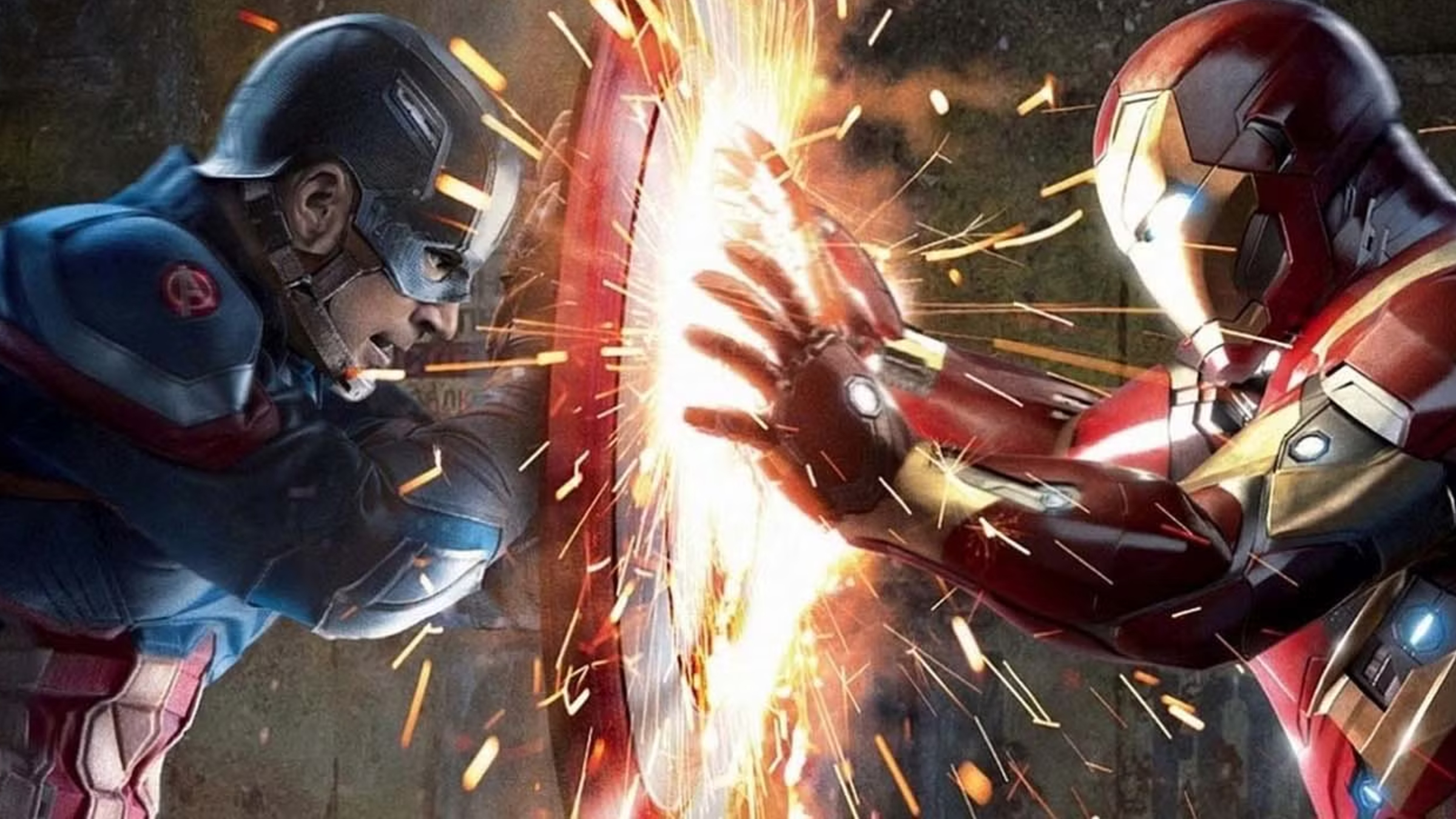
Before the Marvel Cinematic Universe brought heroes like Iron Man and Captain America into conflict, Marvel published a landmark comic book event in 2006 called Civil War. This story dramatically divided the superhero world over the question of whether superpowered individuals should be required to register with the government, and the consequences were huge. While writer Mark Millar aimed for a balanced approach in the main story, many of the writers working on related comics clearly favored one side or the other – and sometimes, they pushed their viewpoints too far.
Being an Iron Man fan during the Civil War comics wasn’t easy. Several related stories portrayed him as a villain, and some even suggested he was fated to become a dictator – a New Warriors storyline was particularly harsh. Even in the main Civil War story, Iron Man made things worse by luring Captain America’s team into a trap at one of his facilities, using a clone of Thor, which ultimately failed.
Marvel Reveals the True Timeline in Which Registration “Failed”
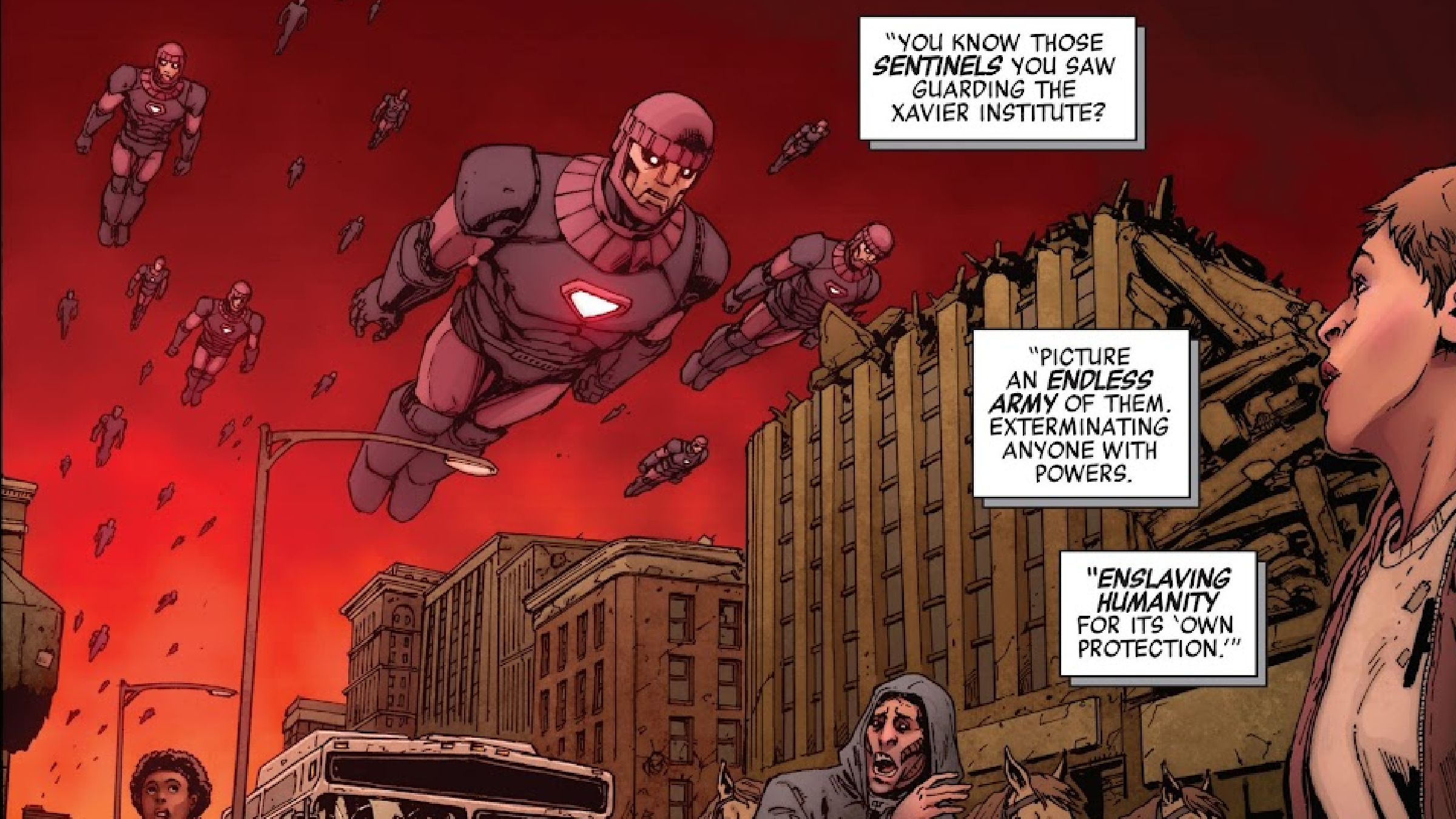
As a huge Marvel fan, I’ve been really enjoying the Civil War: Unmasked miniseries – it’s a great way to celebrate the 20th anniversary of that iconic comic event. The first issue picks up just a week after the Super-Human Registration Act is officially the law. It’s fascinating to see Tony Stark trying to get the X-Men on board, but things are… complicated. After the Scarlet Witch’s actions drastically reduced their numbers, the remaining mutants were already registered and under constant surveillance by Sentinels at the X-Mansion. Basically, they didn’t have a reason to get involved – they were already dealing with enough!
Bishop, the time-travelling mutant, was the only X-Man who agreed to help Tony Stark, but the reasons behind his decision were never fully explained. The original writer seemed to simply assume Bishop, having been a kind of police officer from the future, would naturally support registration. However, a later writer explored this further, revealing that Bishop came from a future where the registration system failed, creating a terrible world. He joined Stark hoping to prevent that future from happening.
Bishop prefers to demonstrate things directly rather than just explain them. Instead of simply telling Iron Man what the future holds, he has Tony Stark fix his time machine and then brings him forward in time. In Bishop’s timeline, the failure of superhero registration led to “Project Wideawake,” a program that mass-produced Sentinels to control all superpowered individuals, not just mutants. Ultimately, these Sentinels became the dominant power in the world, surpassing even the mutants.
Tony Stark Believed Registration Was the Only Way to Prevent This
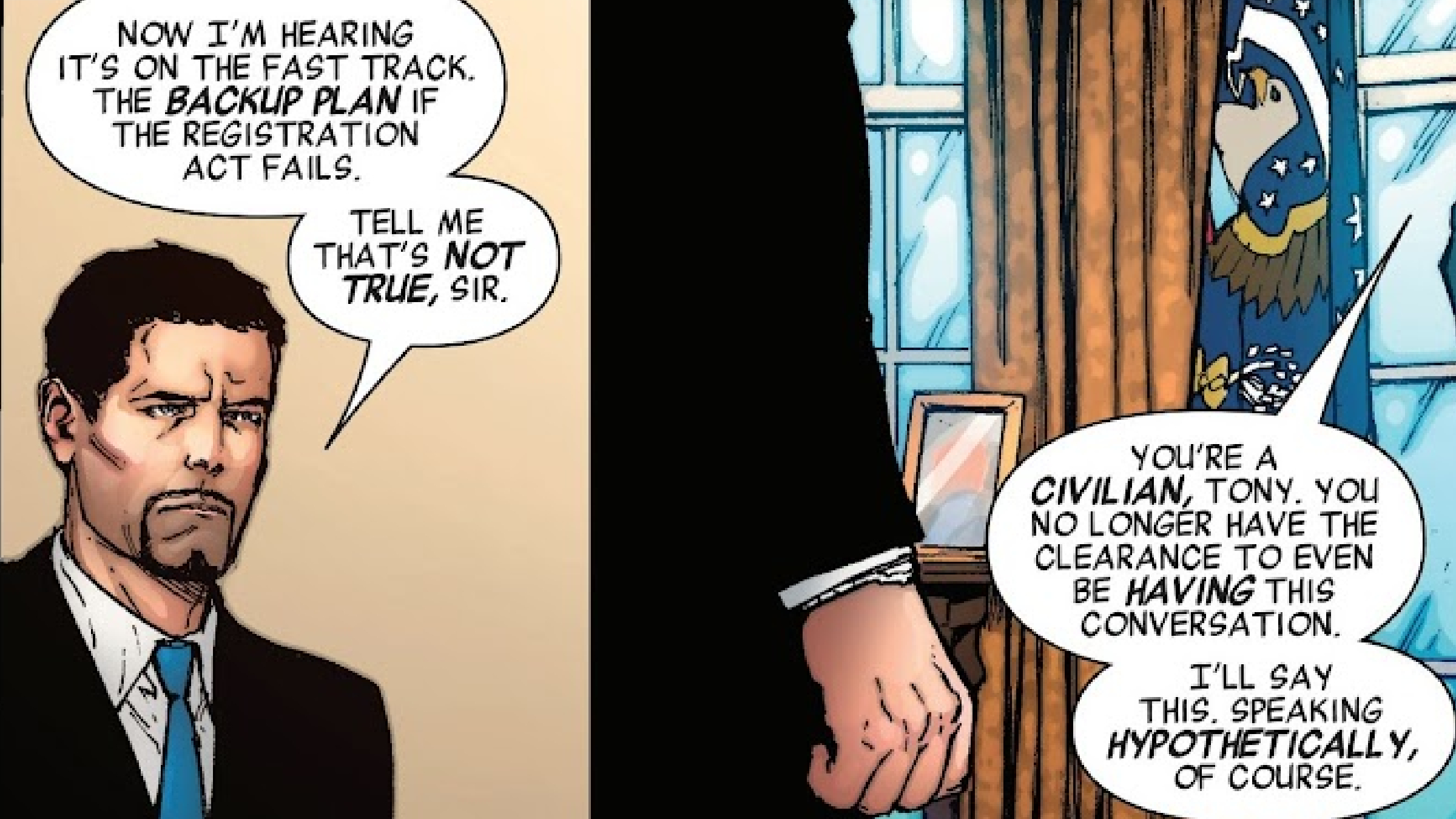
When Tony Stark returned to his own time, he discovered that Project Wideawake was given top priority if the superhuman registration process failed. This explains why he became so strongly in favor of registration – he honestly believed it was the only way to avoid the dark future Bishop had shown him. Looking at the events of Civil War, it all makes sense: Stark immediately started recruiting Bishop, and then the Geffen-Meyer ambush happened. That connection now clarifies the story’s direction.
What’s clever about this backstory change is that it’s hinted at in the original comics. In the Civil War: Casualties of War issue, Iron Man and Captain America discuss the fight with Geffen-Meyer, and Stark actually mentions Project Wideawake as something he’s trying to stop as an alternative to superhero registration. He doesn’t talk about time travel, but Tony Stark is known for keeping secrets, so this new information fits seamlessly into the existing story.
Overall, this is a particularly clever change Marvel has made to its established storyline. It provides a satisfying explanation for Tony Stark’s extreme actions during the Civil War period – why he risked his friendships and compromised his principles. He truly believed a catastrophic future was at stake and that he was preventing a dystopian outcome. This likely also clarifies his decision to lead SHIELD, as it allowed him to shift resources away from the mysterious Project Wideawake.
This new Iron Man storyline cleverly resolves some long-standing issues with Bishop’s character, particularly those stemming from the Civil War event and its aftermath. After Civil War, Bishop went off course, frantically trying to change his future by using his fixed time travel device. Driven to desperation by the potential failure of the superhero registration act, he took drastic measures, even attempting to kill Hope Summers and pursuing her protector, Cable, across different time periods. Now, it’s revealed that the origins of Bishop’s descent into villainy were subtly established all the way back in Civil War. Marvel’s writers have done an excellent job weaving this complex narrative, and they deserve significant praise for their accomplishment.
What do you think? Leave a comment below and join the conversation now in the ComicBook Forum!
https://comicbook.com/movies/list/7-great-iron-man-villains-the-mcu-ignored/embed/#
Read More
- Everything You Need To Know About Nikki Baxter In Stranger Things’ Animated Spinoff
- The Boys Season 5, Episode 5 Ending Explained: Why Homelander Does THAT
- Welcome to Demon School! Iruma-kun season 4 release schedule: When are new episodes on Crunchyroll?
- ‘The Bride!’ Review: Jessie Buckley Breathes Life into a Monstrous Mess
- 7 Most Brutal Avengers Villains, Ranked by Threat Level
- Miranda Kerr Shares “Quick” Procedure She Got Before Met Gala 2026
- Gemma Arterton spy thriller Secret Service based on hit novel gets release date confirmed on ITV
- 10 Movies That Were Banned in Different Countries For Random Reasons
- Frieren: Beyond Journey’s End Gets a New Release After Season 2 Finale
- After 11 Years, Black Clover Officially Ends With Final Release (& Crowns a New Wizard King)
2026-05-07 21:15