
Fantasy films have always relied on memorable monsters, from the detailed stop-motion models of Ray Harryhausen to today’s incredibly realistic digital creations. But a truly great fantasy monster needs more than just impressive visuals. Its design should tell us something about the world of the film, and it should evoke a strong emotional reaction that human characters can’t. It’s a difficult challenge – the creature needs to feel truly unique and otherworldly, yet still fit logically within the film’s story.
Over the years, fantasy movies have created countless monsters, but only a few have become truly memorable. These iconic creatures stand out thanks to their unique look, important role in the story, and lasting presence in popular culture. This list showcases monsters built using techniques from anime, makeup effects, and computer technology, proving that the most impressive thing about fantasy films might be the creatures themselves.
7) The Basilisk (Harry Potter and the Chamber of Secrets)
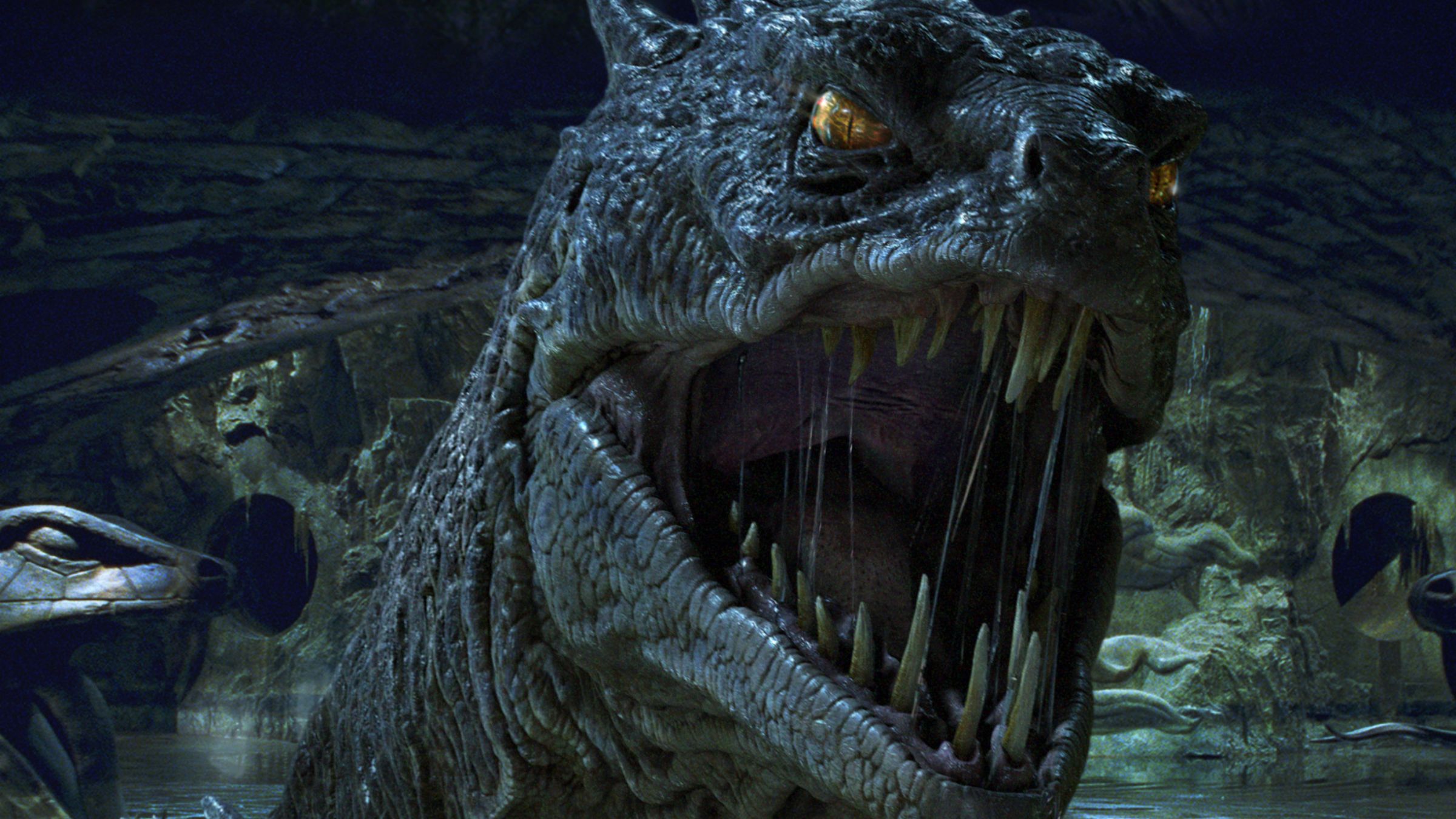
The final battle in Harry Potter and the Chamber of Secrets needed a truly impressive monster, one that matched the size of the enormous sets built under Hogwarts. Director Chris Columbus created the Basilisk (voiced by Jason Isaacs) using a mix of early computer effects and traditional practical effects. They actually built a 20-foot-long, working model of the Basilisk’s head and upper body, which allowed the actors to react to a real creature during the fight scenes. This focus on practical effects made the Basilisk feel more solid and believable. The creature’s design was also kept deliberately realistic, focusing on its immense size and dangerous gaze rather than fantastical features, to make it truly intimidating.
6) Gmork (The Neverending Story)
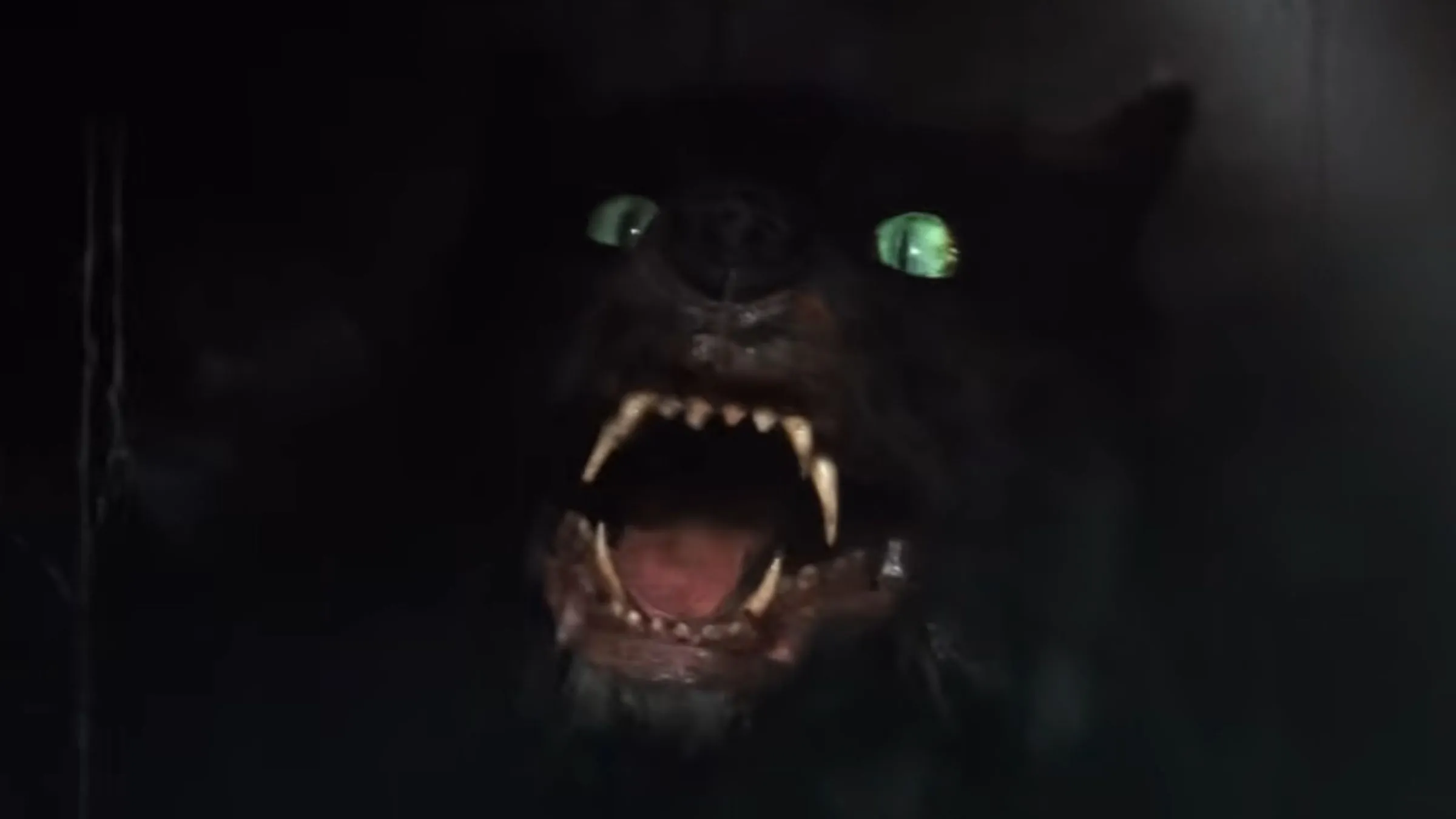
While The Neverending Story is known for its impressive mechanical creatures bringing the world of Fantasia to life, the most chilling creation isn’t about spectacle – it’s a true monster. Gmork, voiced by Alan Oppenheimer, embodies the destructive force called the Nothing, and relentlessly pursues the hero Atreyu through the crumbling landscape. The creature’s design is deliberately frightening: a remarkably detailed wolf head, controlled by hidden puppeteers, with messy fur, glowing eyes, and visible teeth that stand out against the film’s generally gentler visuals. Beyond its appearance, Gmork represents a key theme of the story, explaining how indifference and lost hope can be incredibly destructive during a memorable scene in an abandoned castle.
5) The Pale Man (Pan’s Labyrinth)
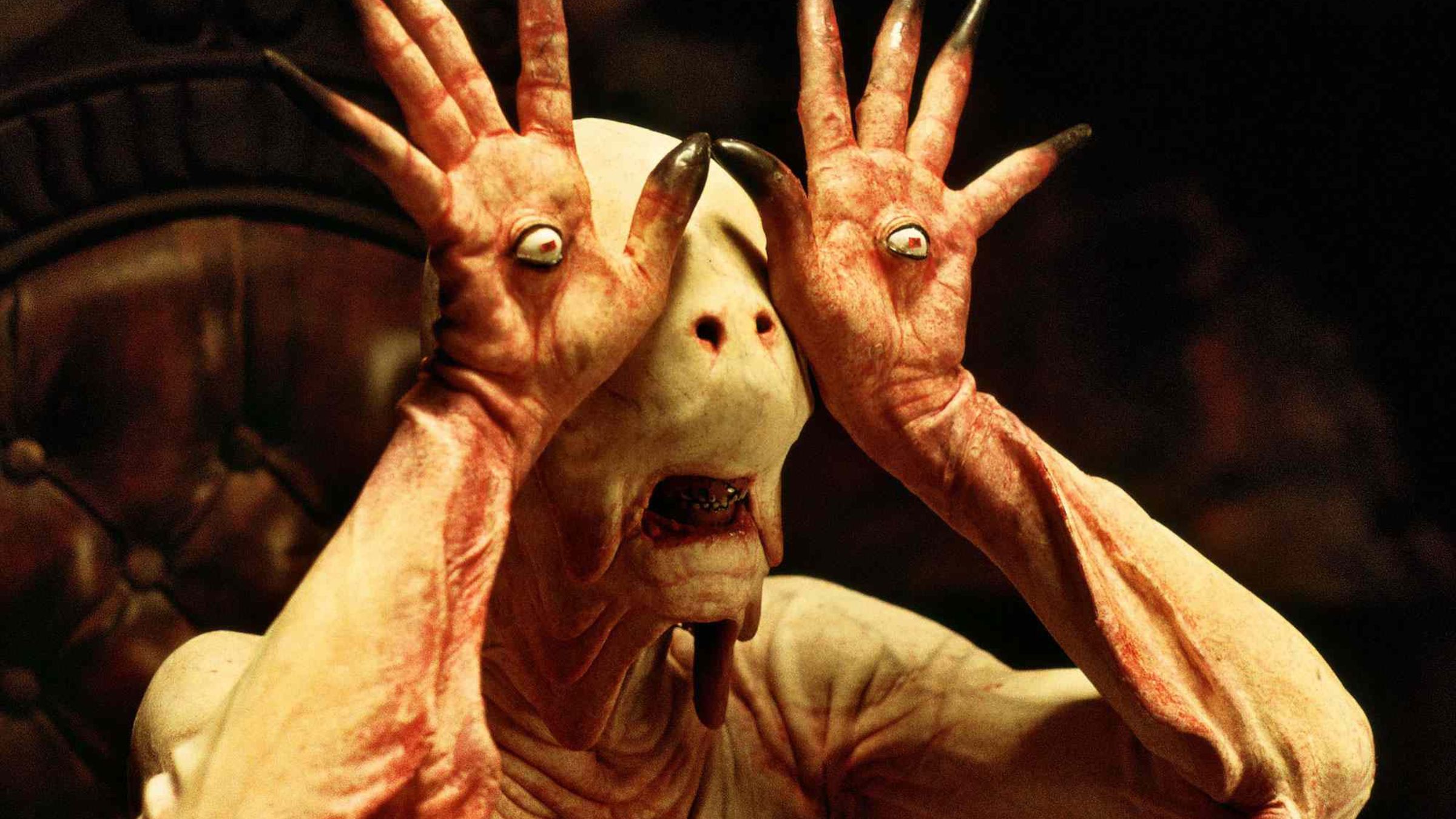
Guillermo del Toro’s Pan’s Labyrinth is a strikingly dark fairy tale, and one of its most iconic scenes features the terrifying Pale Man, played by Doug Jones. The Pale Man represents the greed of those in power, shown by his excessive feasting while the country suffers after the Spanish Civil War. To create the creature’s disturbing look, Jones wore an incredibly detailed foam latex suit that took hours to apply each day. The design, which placed the monster’s eyes in the palms of his hands, also made it challenging for Jones to perform, as he had to constantly hold his hands up to his face to see. Ultimately, The Pale Man is a perfect fantasy monster: it vividly embodies a complex idea, resulting in a creature that is unsettling, original, frightening, and unforgettable.
4) Darkness (Legend)

Ridley Scott’s 1985 film, Legend, spent a large part of its $25 million budget on creating incredible creatures, most notably the demon Darkness, played by Tim Curry. Turning Curry into the character was a grueling process, taking over five hours each day to apply head-to-toe red prosthetics. The massive, three-foot horns attached to his head were initially so heavy they strained Curry’s neck, requiring a special harness for support. Despite being covered in makeup, Curry’s performance still shone through, making Darkness a physically powerful villain who was also charming and manipulative. The impressive scale and vibrant colors of the makeup transformed Darkness into a figure straight out of ancient myths, setting a benchmark for practical effects that few fantasy films have matched since.
3) Haku (Spirited Away)
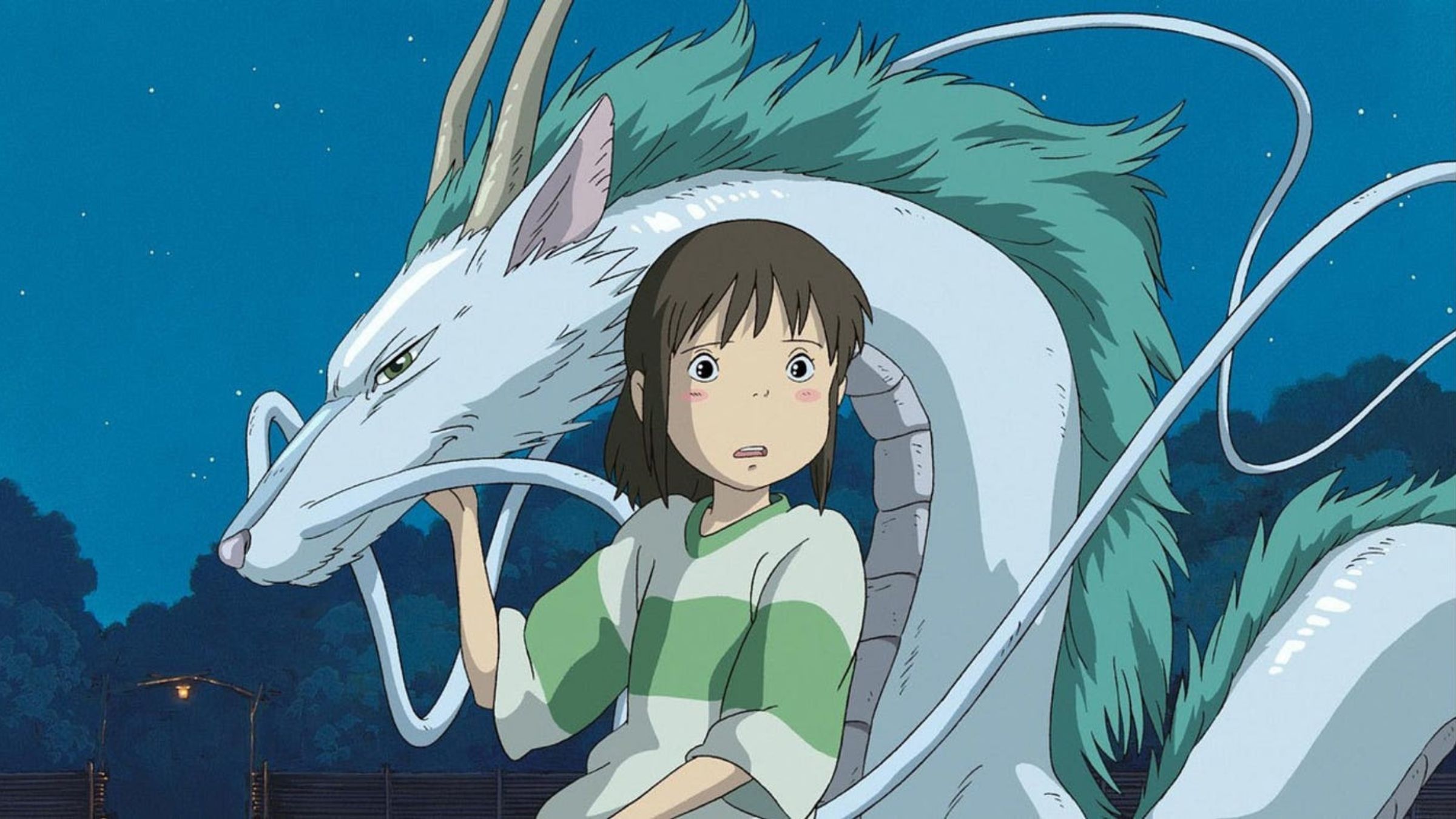
Studio Ghibli is renowned for bringing Japanese folklore to life through animation, and the character of Haku in Spirited Away is arguably their most impressive creature design. Though he often appears as a human, Haku is at his core a powerful river spirit who can transform into a huge, dragon-like serpent. Director Hayao Miyazaki intentionally designed Haku to move with grace and fluidity, a departure from the bulky dragons often seen in Western fantasy. The animators paid incredible attention to detail, carefully drawing each of Haku’s scales, mane, and any injuries he sustains, ensuring a visually rich and compelling creature. Beyond his magical abilities, Haku’s dragon form is a tragic figure, representing the damage caused to his natural environment by industrialization, making him more than just a fantastical beast – he’s a symbol of environmental loss.
2) Smaug (The Hobbit: The Desolation of Smaug)
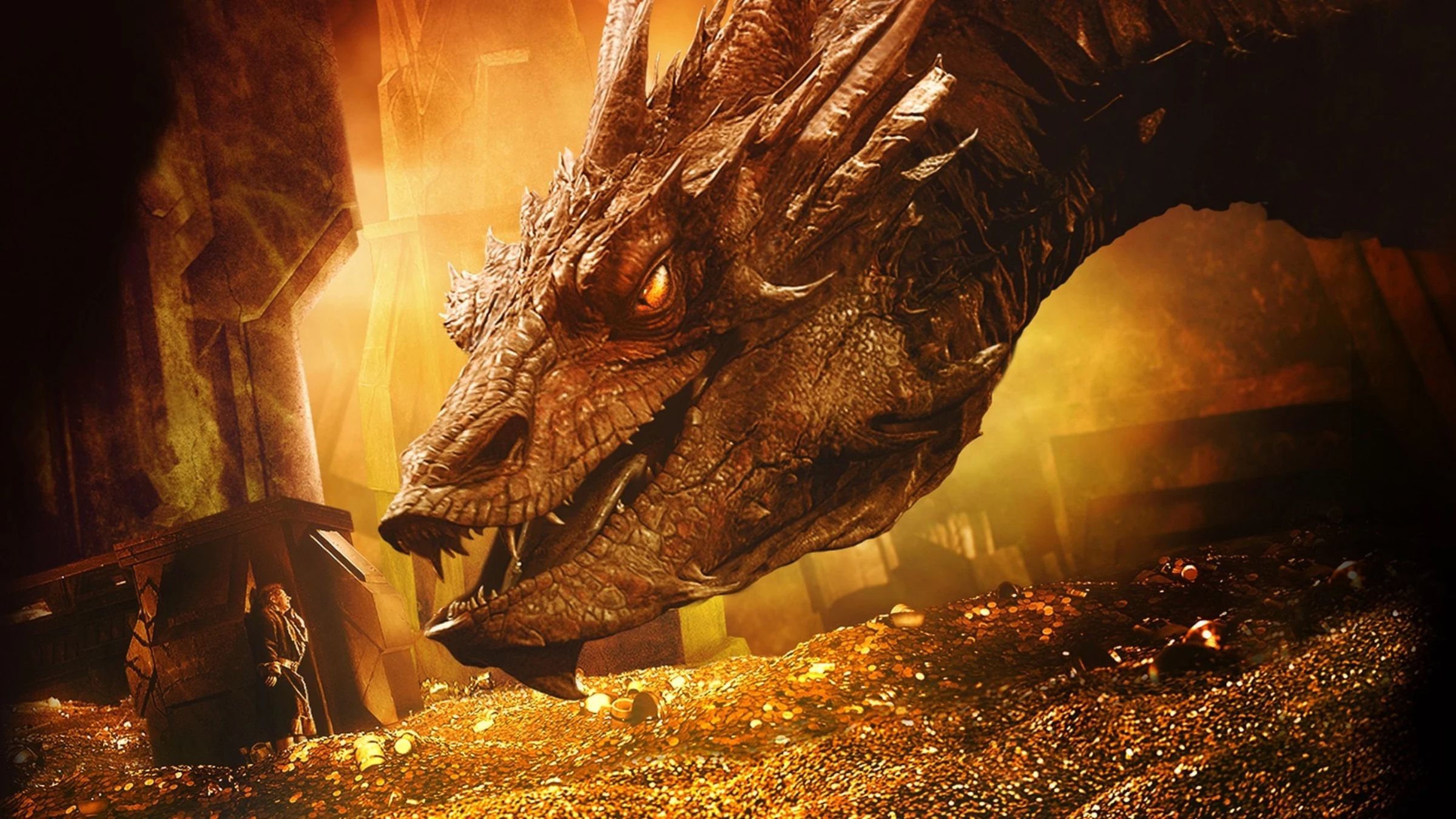
Smaug, the dragon in The Hobbit: The Desolation of Smaug, is a remarkable feat of digital design. He’s covered in millions of detailed scales and has enormous wings, purposefully made to seem larger than the mountain of gold he guards. Director Peter Jackson didn’t just give Smaug a voice; he had actor Benedict Cumberbatch physically perform the dragon’s movements using motion capture technology. This allowed Cumberbatch’s expressions, snarls, and slithering movements to be directly translated into the digital character, making Smaug’s arrogance and cruel intelligence incredibly believable.
1) The Balrog (The Lord of the Rings: The Fellowship of the Ring)

Peter Jackson’s film, The Lord of the Rings: The Fellowship of the Ring, revolutionized how Hollywood creates visual effects, and the battle with the Balrog in the Mines of Moria stands out as a particularly impressive feat. Weta Digital brought the Balrog to life using early computer graphics, building it around a core of digital magma and fire. Creating realistic fire was a major challenge at the time, so the team cleverly used smoke and shadows to hide some of the less-detailed parts of the creature. This lighting not only masked technical limitations but also made the monster seem even more massive and frightening by letting the audience fill in the gaps with their imagination. Even decades later, the Balrog remains a benchmark for fantasy monsters, perfectly capturing the fear and power of the original story through groundbreaking digital artistry.
As a huge fantasy film fan, I’m always thinking about the scariest monsters ever created for the big screen. I’m really curious to hear what you think! What creature genuinely chills you to the bone? Let me know in the comments, and let’s discuss it all over on the ComicBook Forum!
Read More
- Everything You Need To Know About Nikki Baxter In Stranger Things’ Animated Spinoff
- The Boys Season 5, Episode 5 Ending Explained: Why Homelander Does THAT
- Miranda Kerr Shares “Quick” Procedure She Got Before Met Gala 2026
- After 11 Years, Black Clover Officially Ends With Final Release (& Crowns a New Wizard King)
- ‘The Bride!’ Review: Jessie Buckley Breathes Life into a Monstrous Mess
- Welcome to Demon School! Iruma-kun season 4 release schedule: When are new episodes on Crunchyroll?
- Star Trek: Legacy Could Revive Paramount’s Feature Film Plans
- Game Night’s Egg Chase: A Masterful Long Shot Sequence Starring Rachel McAdams
- Before Legend of Aang: The Last Airbender, Avatar Fans Can Stream the Adaptation That Got It All Wrong on Peacock
- Netflix’s New 6-Part Psychological Thriller Dominates Streaming Charts With Tens of Millions of Views
2026-05-08 20:12