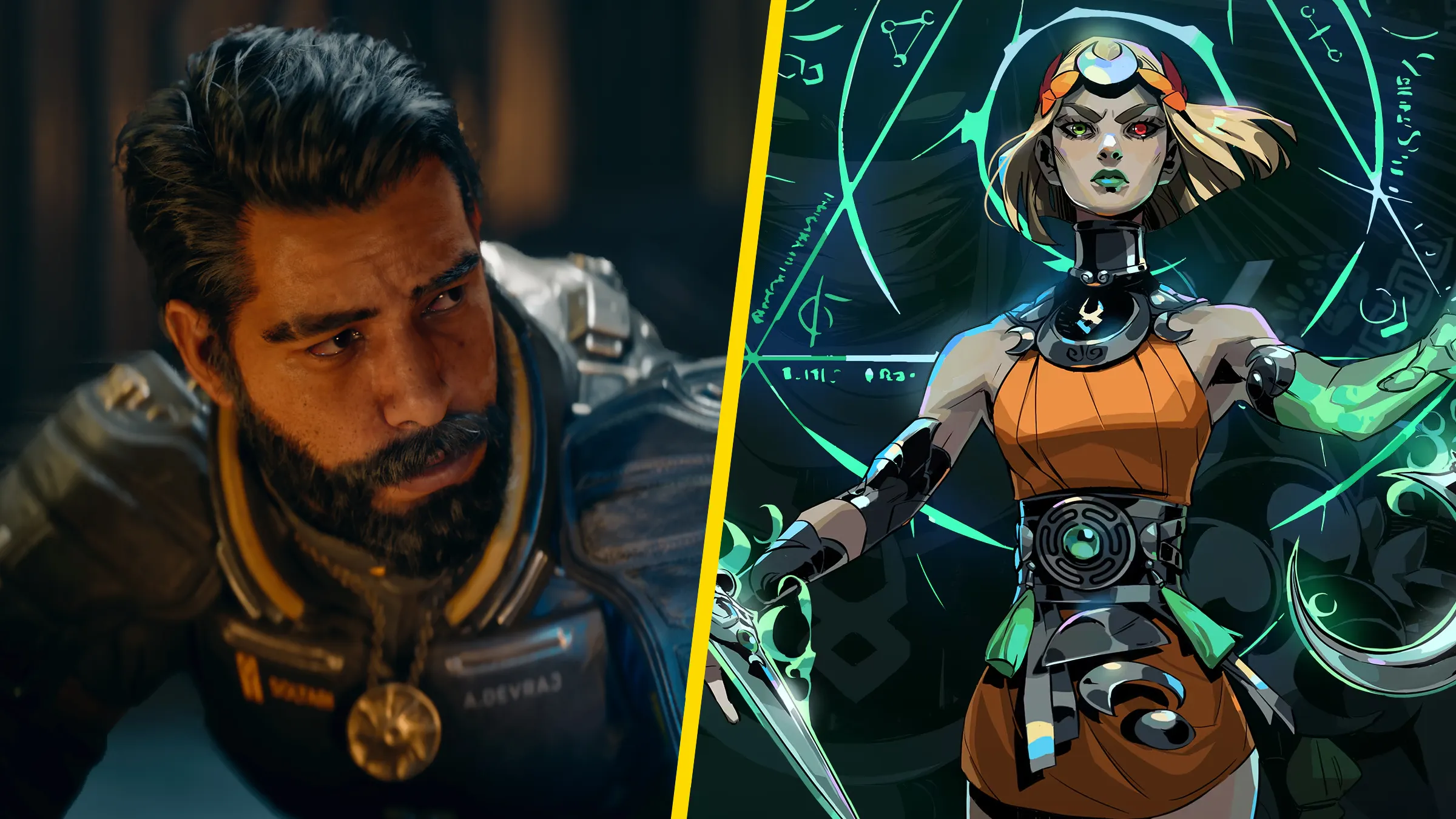
Following fifteen successful, unique games, Hades 2 marks Supergiant Games’ first sequel. It was a risk for the studio to move away from what had worked so well, especially considering how their previous Hades redefined a popular game genre. Fortunately, they succeeded. While Hades 2 isn’t quite as strong as the original, it’s a refined experience with plenty of new features that keep it interesting. In contrast, Saros, Housemarque’s follow-up to Returnal, doesn’t quite hit the mark, showing how not to build on a beloved classic.
Hades 2 feels instantly familiar to its predecessor, initially appearing quite similar to the original Hades. However, it quickly becomes apparent that this sequel is a significant improvement. The new protagonist, Melinoë, plays much differently than Zagreus; she’s more strategic and less reliant on quick reflexes. Unlike her brother, she can’t rapidly dash or button-mash her way through fights. Melinoë’s abilities emphasize planning and careful timing, with powerful Omega moves and casts that build up over time and create opportunities for extended combos. While still responsive, her attacks aren’t designed for the same fast-paced, all-out assaults that defined Zagreus’s combat style.
Hades 2 Pushes Its Mechanics Forward
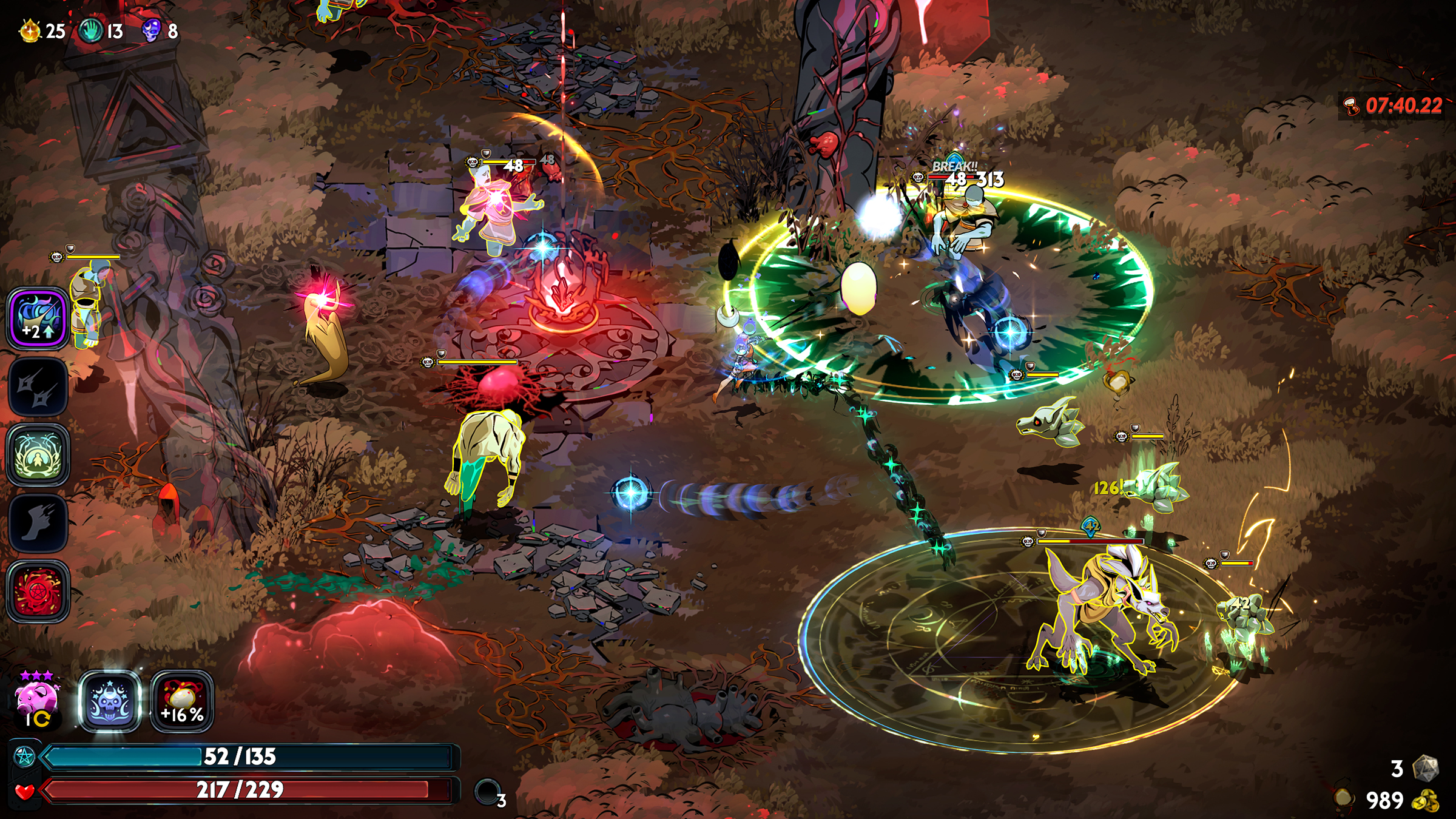
The gameplay in Hades 2 feels different, so players can’t use the same strategies that worked well in the original Hades. Being overly aggressive, which was often successful before, will likely result in frequent defeats. Supergiant Games made the sequel familiar enough that some skills transfer, but they changed enough elements to create a fresh and engaging challenge. If Hades 2 had simply copied the first game, it wouldn’t have been nearly as good.
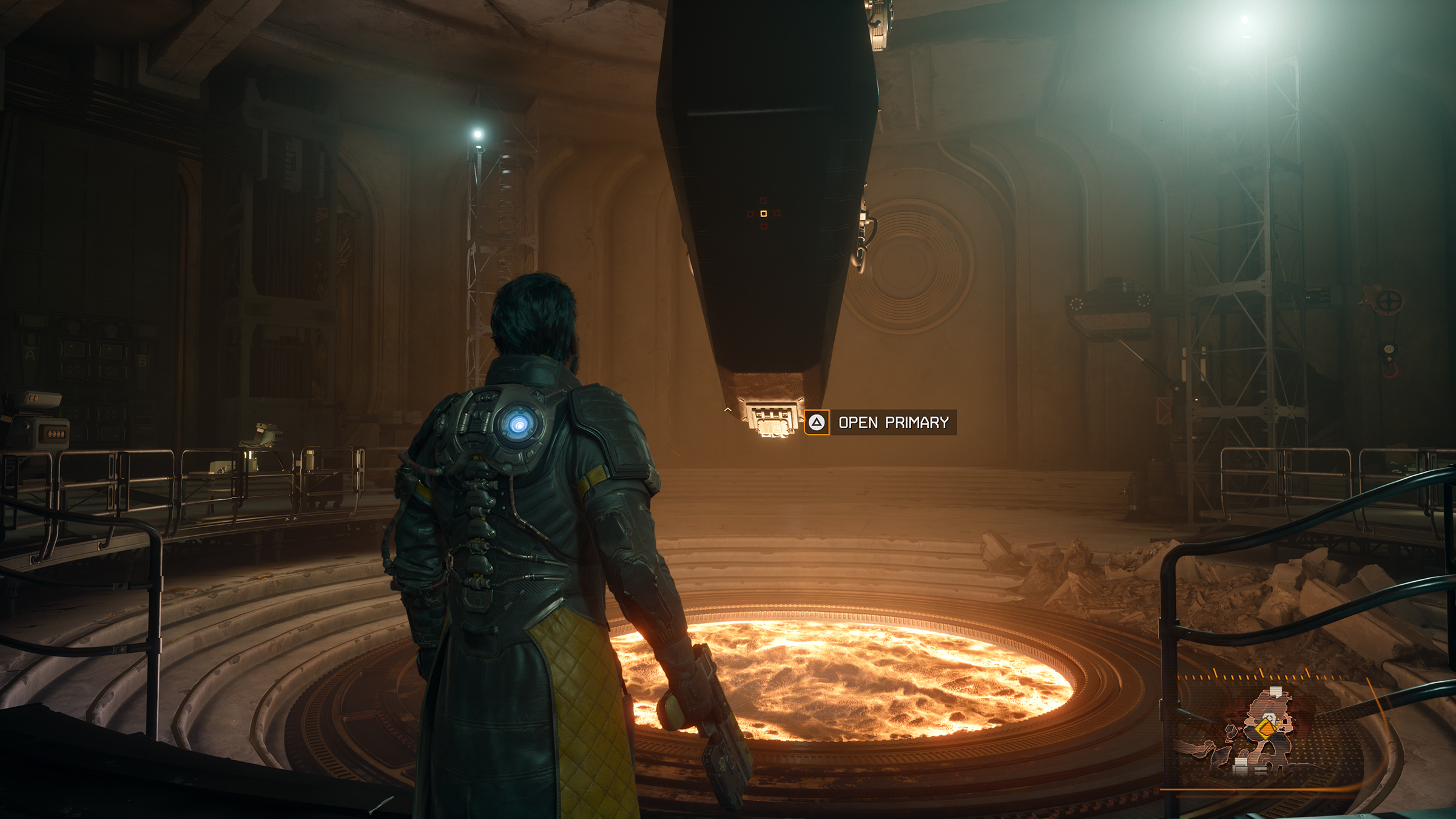
Saros isn’t as polished in its design as Returnal. Players familiar with Returnal will likely find Saros fairly easy to pick up. While the parrying and shield mechanics are well-done and require practice, there aren’t many new systems to learn. The game doesn’t really challenge experienced players to improve their existing skills. Instead, much of the difficulty comes from being underpowered, which isn’t a good way to increase challenge, and highlights why the complex skill tree feels unnecessary.
Saros is noticeably more streamlined and accessible, largely because it focuses on the essentials. It has fewer room layouts, weapons, character upgrades, and interactive elements like shops or crafting stations, and doesn’t use any consumable items. This simpler design reduces complexity and the frustrating trial-and-error often found in roguelike games. Traditional roguelikes are known for offering a huge number of choices and combinations, creating nearly limitless gameplay possibilities, and Saros intentionally scales that back.
Okay, so Hades 2 really takes replayability to another level. It’s not just more of the same, they’ve seriously expanded everything. There are tons more Boons, plus you get animal companions, a whole magic system, and even Boons powered by that magic! Each area feels different with unique twists, and right from the start, you’ve got multiple ways to play. They’ve also added a bunch of ways to make the game harder for extra rewards, different resources to collect, two kinds of shops, quick test runs, super challenging runs, and even help from allies. It builds on everything I loved about the first game, but it’s just so much deeper.
Saros Trades Accessibility for Depth
Supergiant Games has refined and improved Hades 2, solidifying its status as a strong roguelike game. While it’s been made more efficient in some ways, it’s actually designed for longer playthroughs, with satisfying surprises revealed over many hours. This focus on unpredictability and variety is what truly makes it a standout roguelike experience, as the developers concentrated on the genre’s core strengths.
Housemarque seems to have intentionally made Saros more accessible than Returnal, likely to attract players who found the original too challenging. While more people will probably finish this new game – we should see that in the completion rates – it comes at a cost. Saros feels less complex and engaging than its predecessor, and it doesn’t fully embrace the roguelike genre. Compared to Returnal, Saros has fewer gameplay features, and the developers didn’t try to expand on the original’s ideas. There’s no real replayability built in, and the game lacks the ability to create diverse or complex character builds. The core gameplay loop remains simple and becomes repetitive. Housemarque had the opportunity to build on the unique foundation of Returnal and push the genre forward, but they opted for a wider audience, ultimately sacrificing depth in the process.
Supergiant Games took a successful approach with Hades by building on its strengths in the sequel. While Hades has the stronger narrative, Hades 2 offers a more complex and assured gameplay experience. In contrast, Housemarque’s Saros feels underdeveloped, likely because it lacked the same level of confidence and originality.
What do you think? Leave a comment below and join the conversation now in the ComicBook Forum!
https://comicbook.com/gaming/news/returnal-ps5-anniversary-housemarque/embed/#
Read More
- Everything You Need To Know About Nikki Baxter In Stranger Things’ Animated Spinoff
- ‘The Bride!’ Review: Jessie Buckley Breathes Life into a Monstrous Mess
- Taylor Sheridan’s Gritty 5-Part Crime Show Reveals New Final Season Villain
- Miranda Kerr Shares “Quick” Procedure She Got Before Met Gala 2026
- The Boys Season 5, Episode 5 Ending Explained: Why Homelander Does THAT
- USD JPY PREDICTION
- Anna Wintour Reacts to Rumors She Approves All Met Gala Looks
- After 11 Years, Black Clover Officially Ends With Final Release (& Crowns a New Wizard King)
- From season 4 release schedule: When is episode 2 out on MGM+?
- Mark Zuckerberg & Wife Priscilla Chan Make Surprise Debut at Met Gala
2026-05-09 17:18