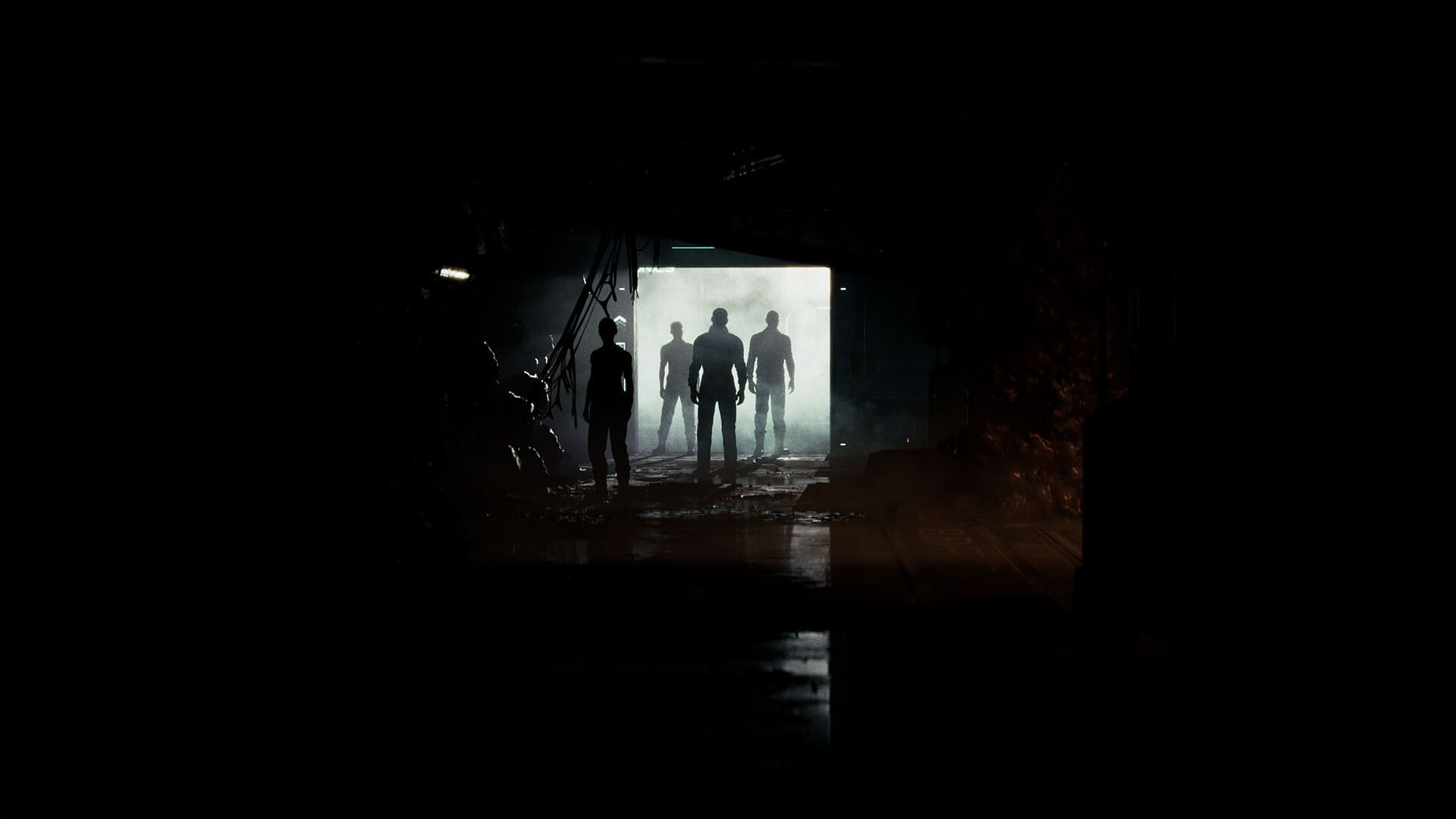
Following the release of Directive 8020, the newest game in the Dark Pictures Anthology, Supermassive Games’ creative director, Will Doyle, spoke with us about a variety of topics. We discussed the series’ move to a science fiction setting, how the game performs on consoles, and how the team created a horror experience with high replay value despite its focus on story.
Supermassive has a history in horror games, but their new game, Directive 8020, leans heavily into sci-fi survival horror. We wanted to know how this change in genre affected the way the team created the story and designed the game.
The Dark Pictures series was designed to evolve with each new game, and with Directive 8020, we spent extra time refining the gameplay to improve the overall experience. We wanted to appeal to a wider audience by adding more direct control for the player, while still delivering the story-driven, branching narratives the series is known for. The game alternates between intense, action-packed moments where quick reactions are key, and slower, more dramatic scenes where you can relax and enjoy the story. We’re committed to making our games accessible to everyone, so players can adjust the difficulty to suit their skills. If the action sequences are too challenging, you can even make your character temporarily invincible.
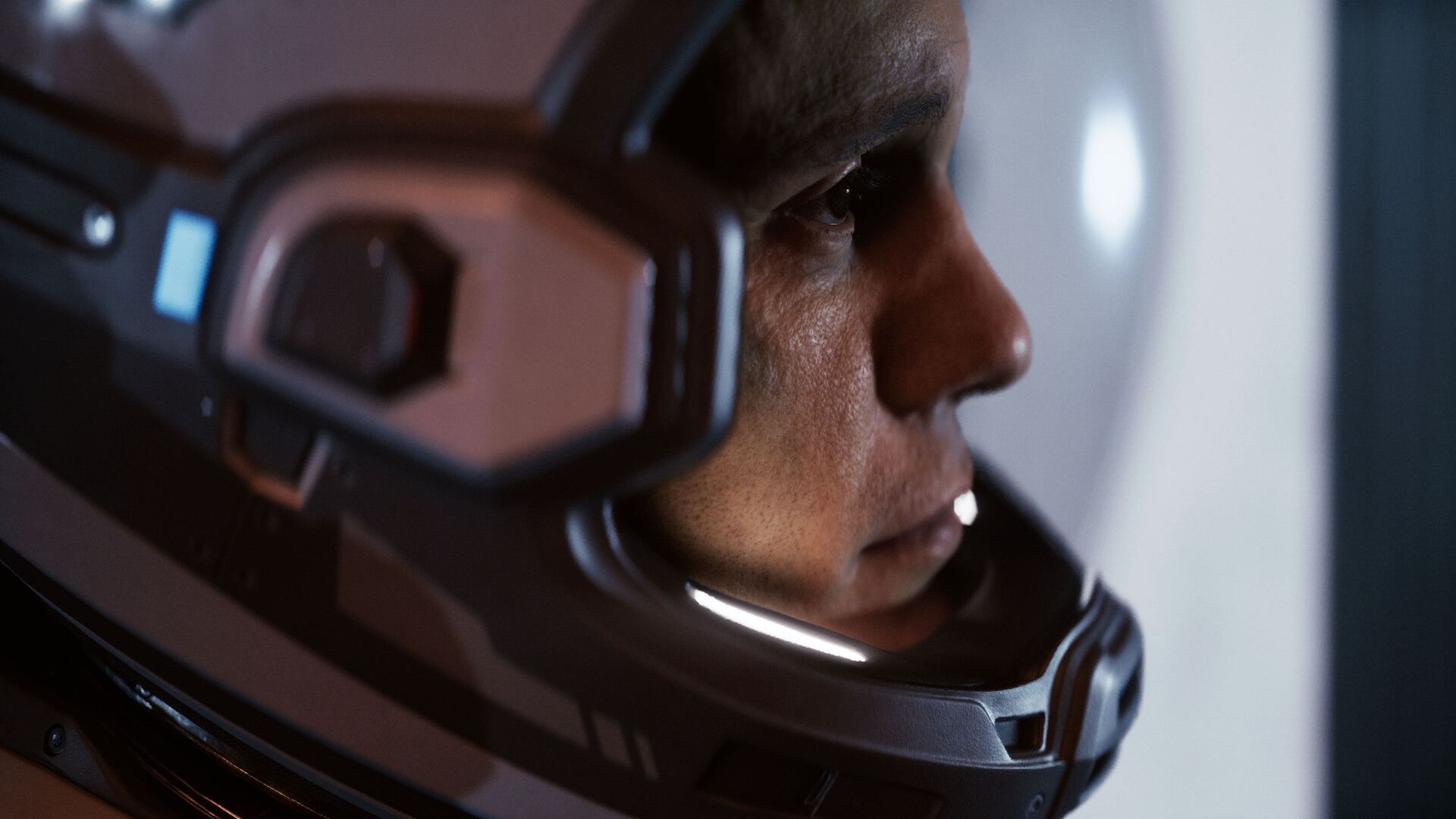
“The Dark Pictures were always intended to develop new gameplay with each new entry in the series.”
Your previous games explored horror in different ways. How did setting this one in space, focusing on isolation, and introducing an alien that imitates others allow you to create new and unique kinds of fear?
The Dark Picture Anthology games each focus on a different type of horror, and this time we’re trying sci-fi horror for the first time. We took inspiration from classic sci-fi stories, especially John Carpenter’s “The Thing.” We wanted to create an alien that could change its appearance to look like a human and sneak onto your spaceship, making you wonder who you can actually believe.
Space is genuinely frightening because you’re essentially trapped in a small spacecraft with constant danger all around. The vastness beyond the ship is completely inhospitable to humans, which makes it an ideal backdrop for a scary story.
Placing the game in space opens up incredible possibilities for both fear and awe. The vastness of space contrasts with the close quarters of a spaceship, creating a sense of both claustrophobia and isolation – feelings we really want to emphasize.
We usually focus on teen horror, but this time we wanted to try something different – a science fiction story where scientists rely on intelligence and problem-solving. It’s a real shift in tone for us.
I’m really curious about Directive 8020 – being the fifth game in The Dark Pictures anthology, I’m wondering how easy it is to jump in if you’re new to the series. But as a longtime fan, I also want to know what connections to previous games they’ve kept for those of us who’ve been following the story so far!
Directive 8020 is a self-contained story – you don’t need to have played our other games to understand it. However, it takes place in the same universe and definitely feels like a Dark Pictures game. We’ve included lots of hidden references and connections to our other titles, but I don’t want to give too much away!
We’ve decided on the tagline “A Dark Pictures Game” for Directive 8020. This lets our fans know it exists within the same universe as our other games, but doesn’t imply it’s a direct sequel or requires playing the previous titles to understand.
We received feedback that new players often believed they needed to play our games in a specific order – this was partly because we used terms like “Season.” To avoid confusion, we’re making sure our communication clearly explains that players can enjoy our games in any order.
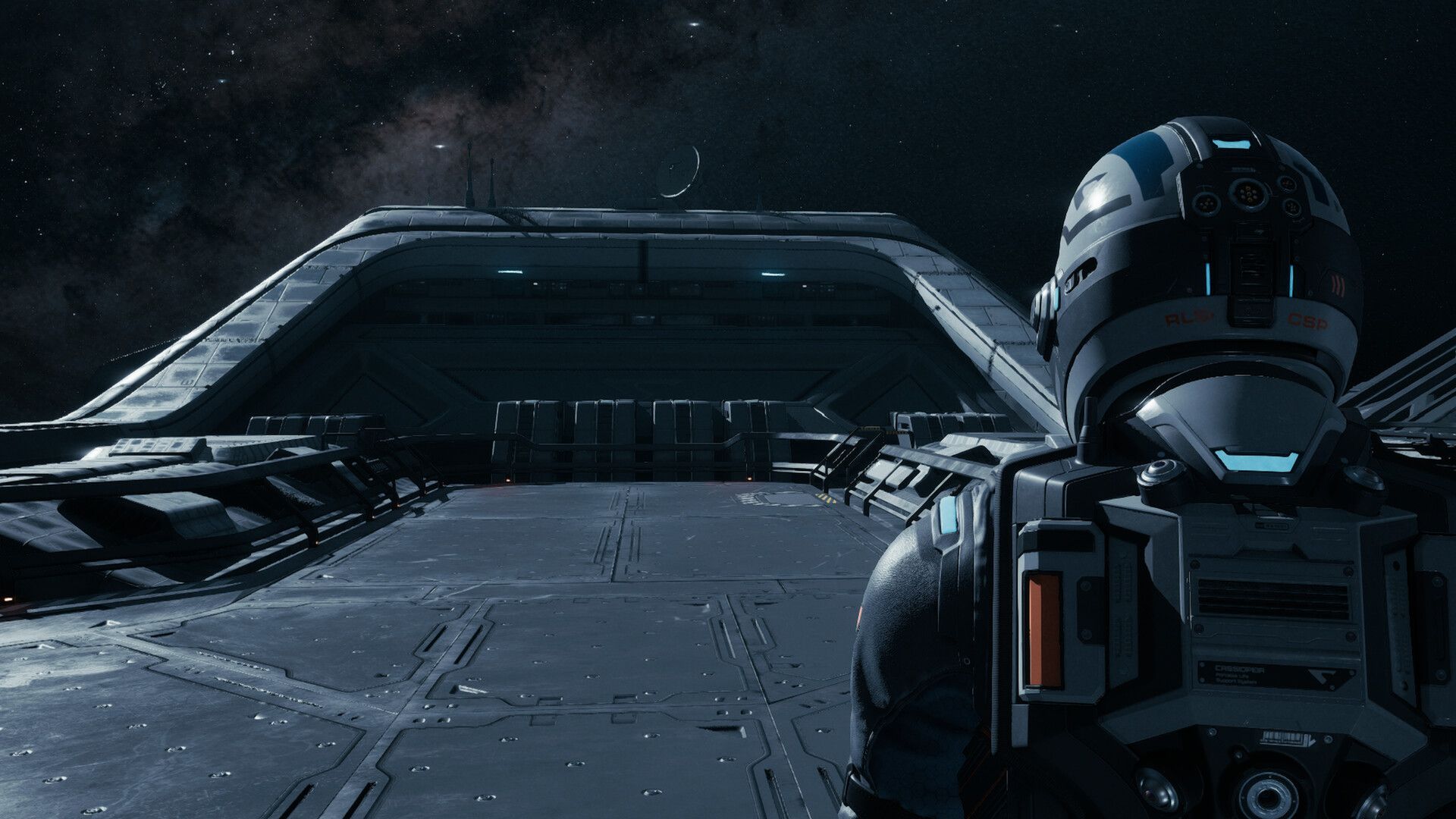
“There are plenty of Easter Eggs and connective tissue in the game that reinforce this.”
Turning Points is a major new addition to the game. What issue were you hoping to address with this feature, and how did you balance giving players more options with maintaining a sense of challenge and excitement?
With Turning Points, we wanted to make it simple for players to see how much the story changes based on their choices and quickly revisit those key moments. It’s basically a visual map of your progress, letting you ‘rewind’ and try different paths. We know many players enjoy replaying our games to discover everything, and this feature gives them an easier way to explore all the possibilities.
Meaningful choices are central to our games. Our design allows the story to continue even if characters die due to player decisions. However, we understand some players dislike losing characters. Rewinds offer these players a chance to experiment and enjoy the story without the frustration of permanent loss.
A lot of our players enjoy the traditional gameplay where choices have permanent consequences. For those who prefer that experience, we offer a Survivor mode that shows all possible choices but prevents players from going back and changing their decisions.
Survivor Mode is designed for players who enjoy the original, challenging Dark Pictures experience without much help. How crucial was it to keep that intense pressure while also adding Turning Points to the gameplay?
We want players to experience Directive 8020 in a way that suits them and respects their time. That’s why we’re excited about Turning Points, a feature that lets players rewind or explore different story paths. We’ve been surprised and delighted by how much players enjoy it, even when playing for the first time.
We understand many players prefer the traditional gameplay, and we want to honor that. We’ve heard from our community that having choices is important, and Survivor mode is designed for those who want a classic experience. We anticipate it will be a particularly popular way to play, especially for new players.
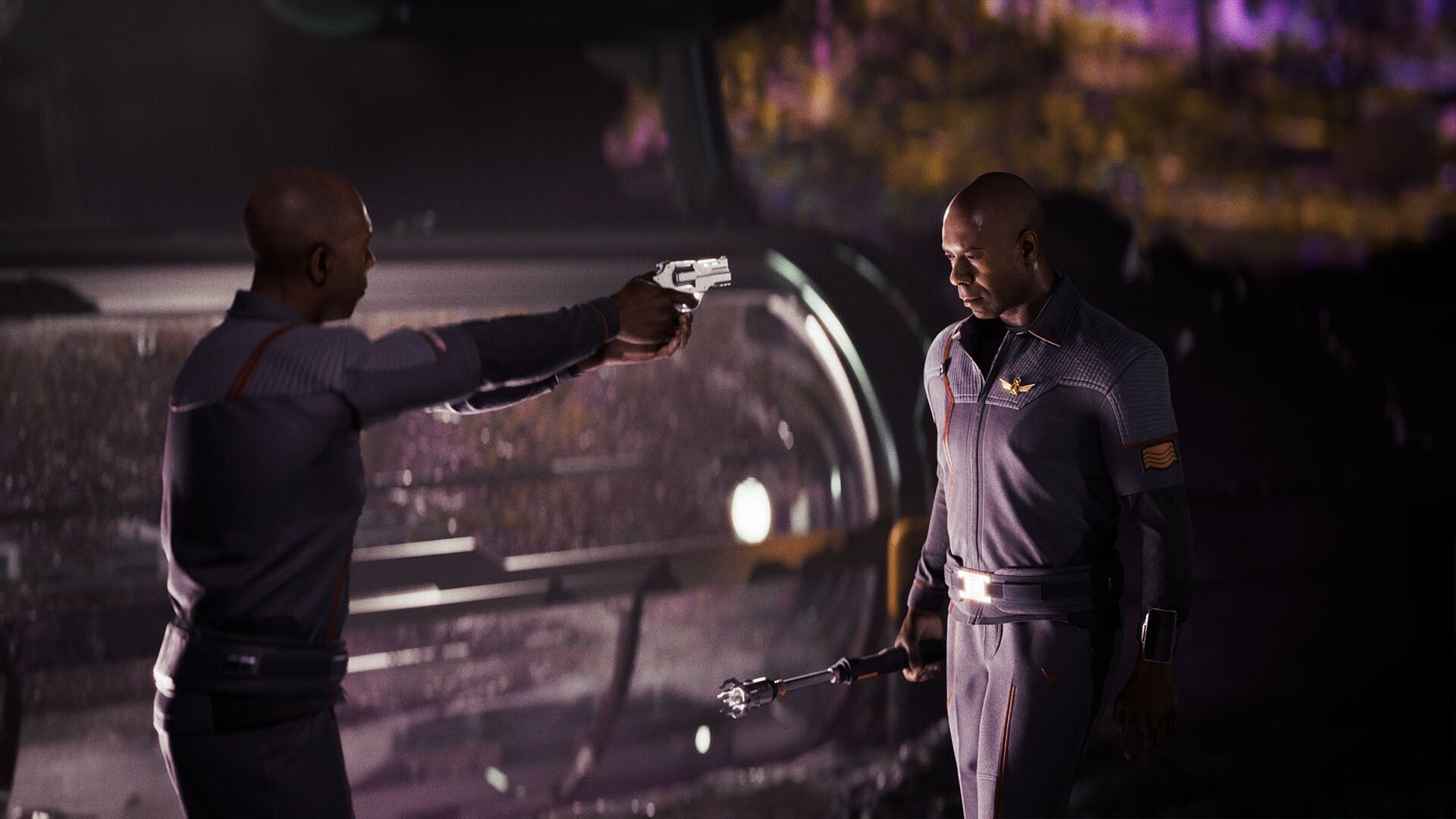
“It’s really important to us that players can play Directive 8020 how they like.”
Directive 8020 seems to focus more on immediate danger, sneaking around, and handling threats directly compared to previous installments. How much did you change the established approach while still staying true to what defines the studio’s style?
We really wanted to build suspense and fear throughout the game. There’s nothing more frightening than feeling like you’re being actively hunted. While many games focus heavily on hiding, we wanted to use those intense moments sparingly, creating a different rhythm for the experience. These sections are deliberately straightforward – it’s not meant to be a complex stealth game.
Okay, so Directive 8020 is a bit different. It feels more like I’m actually making the choices and dealing with the consequences, which is cool. But don’t worry, it still has all the stuff we love from the Dark Pictures Anthology – those really tough decisions with no easy answers, a gripping story, and plenty of secrets to uncover. It’s basically everything I expect from one of these games!
Movie Night is back, letting up to five players enjoy the game together on the same couch! Online multiplayer will be added for free after the game is released. We were curious – how did you focus on making the game a social experience this time around?
Our traditional “Movie Night” mode lets up to five players team up and control the characters together to get through the story. It’s always been a favorite way to play, with players sharing a single controller and taking turns. Now, we’re excited to bring this experience online so you can play with friends no matter where they are! The online version is coming along well, but we need a bit more time to perfect it.
Directive 8020 will initially release with a local co-op mode, letting you play with friends on the same device. Online co-op will be added shortly after as a free update. A unique feature of the online mode is the ability for players to connect across multiple devices – for instance, two people can play on one computer while three others join from a different one. We’re calling this feature “bringing living rooms together” and think it will be a lot of fun!
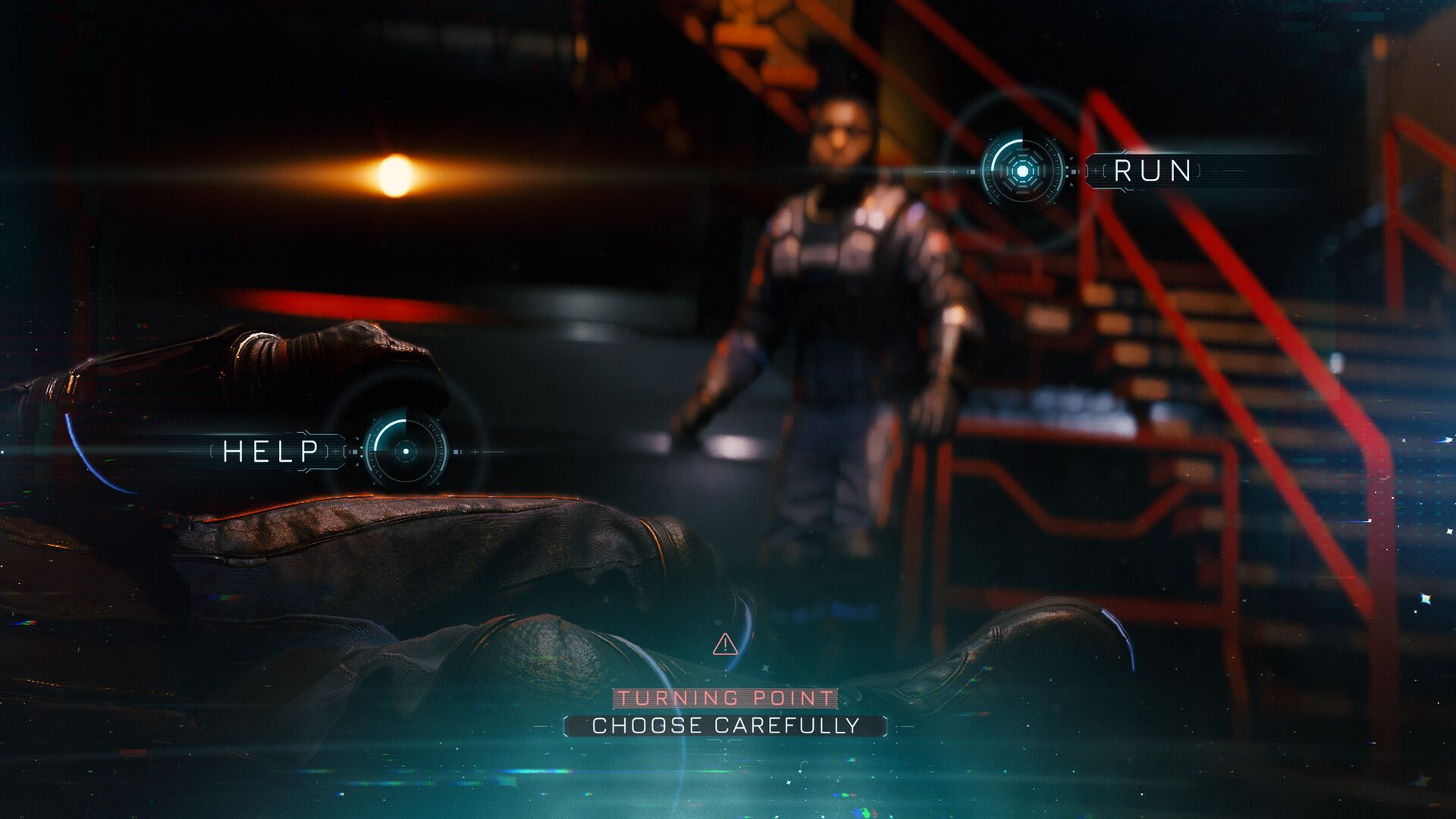
“Directive 8020 is more hands-on than our previous titles”
Did anything we learned from making The Quarry or previous Dark Pictures Anthology games influence how we designed the speed of the story, how players control characters, or how much the game changes with multiple playthroughs?
We’re constantly refining how we create branching stories. Every story we make has its own unique structure, and we use what we learn from previous projects to improve. We’ve explored both sprawling narratives, like in Man of Medan, and tighter, more focused stories like Little Hope. It’s crucial to keep each story distinct so players don’t know what to expect.
The finale of Directive 8020 features a truly surprising setup. Almost any group of characters could make it to the end, and it’s even possible for only one person to survive the entire episode. Players could also experience a sudden, game-ending catastrophe called the “death spiral,” finishing the story halfway through.
To keep the story moving at a good pace, we knew we needed frequent moments of excitement. In our game, Directive 8020, we used “flash forward” scenes early on to build that excitement and speed things up.
We added Turning Points to make the game more replayable. We experimented with a similar idea in The Casting of Frank Stone, but Directive 8020 has refined it into a truly unique feature.
A core idea of the story is that no one can be trusted. How do you create a sense of paranoia in both the writing and the player’s choices, while still ensuring that what happens feels logical and not just accidental?
We needed the mimics in our story to be convincing impersonators. We didn’t want them to have any unique ways of speaking or behaving that would make them stand out. There are a few subtle clues players can discover (but I won’t reveal those here!), but generally, they’re very good at blending in.
Our creatures can change shape, which adds a lot of excitement to the story, but that’s just one piece of the puzzle. They also evolve through different stages in the game, and some of those forms are truly terrifying. We embraced body horror to make those moments really impactful!
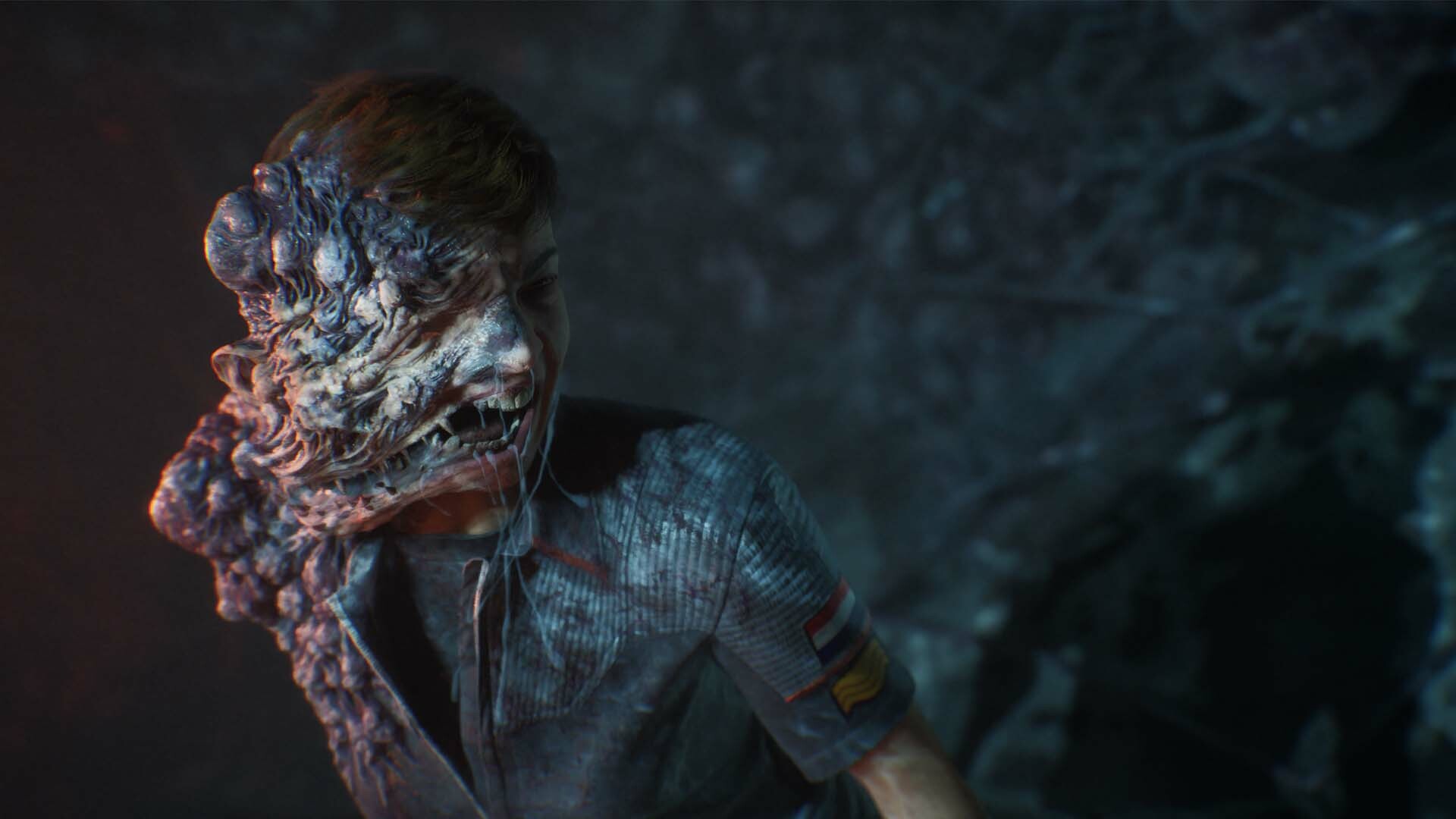
Players can look for subtle clues to figure things out, but overall, the characters are very good at what they do!
What inspired the world and story the most? Were you drawing from older science fiction and horror, more recent survival horror games, or a different source altogether?
While John Carpenter’s “The Thing” was a major influence, our story also takes inspiration from films like “Aliens,” “Sunshine,” and “Life,” as well as H.P. Lovecraft’s “Mountains of Madness.” Because we aim for a cinematic feel in our games, we constantly ask ourselves how a scene would play out in a movie – it helps keep us on the right track.
Details about the PS5 Pro – including features like PSSR and improved ray tracing – are already available. But how much will these visual upgrades actually improve horror games, where creating the right atmosphere and ensuring things are clearly visible are key?
Lighting is especially crucial in horror films – even more so than in other types of movies. Good visuals are also key to making the story feel real, and that sense of realism is what allows the fear to truly impact the audience.
I’m really into games I can play through multiple times, and it sounds like Directive 8020 is designed for that, with lots of different choices and consequences. I’m curious – how many totally different ways do you think players will be able to experience the game before they’ve really seen everything it has to offer?
Your choices throughout the story, both big and small, will shape what happens. Some results are based on a combination of decisions you’ve made. Each character has key moments that determine their fate, and these are influenced by your conversations with the crew. The game also features significant differences in the endings you’ll receive. Plus, if you manage to keep a certain character alive, you’ll unlock a secret connection to one of our earlier games.
Read More
- Everything You Need To Know About Nikki Baxter In Stranger Things’ Animated Spinoff
- Taylor Sheridan’s Gritty 5-Part Crime Show Reveals New Final Season Villain
- The Boys Season 5, Episode 5 Ending Explained: Why Homelander Does THAT
- FRONT MISSION 3: Remake coming to PS5, Xbox Series, PS4, Xbox One, and PC on January 30, 2026
- ‘The Bride!’ Review: Jessie Buckley Breathes Life into a Monstrous Mess
- DASH PREDICTION. DASH cryptocurrency
- USD JPY PREDICTION
- Invincible Season 4 Episode 4 Post-Credits Unveils a Demonic Return & More
- How to Build Water Elevators and Fountains in Enshrouded
- Welcome to Demon School! Iruma-kun season 4 release schedule: When are new episodes on Crunchyroll?
2026-05-12 18:46