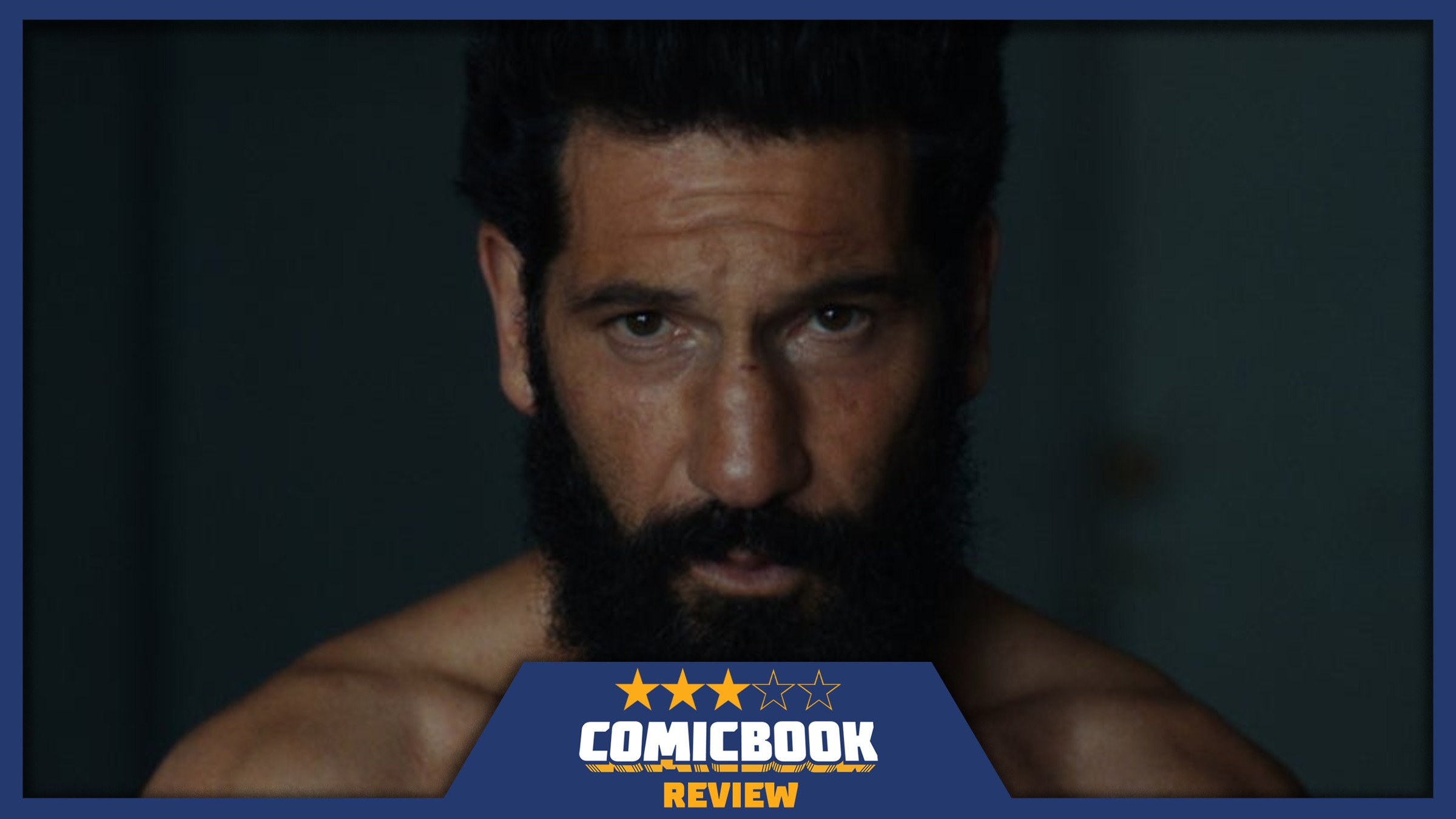
It took some time, but Jon Bernthal has returned as The Punisher in the Marvel Cinematic Universe. His appearance in the first season of Daredevil: Born Again was a welcome addition, and though he wasn’t in the second season, it was understood he had other commitments – his own special, The Punisher: One Last Kill, and a surprising team-up with Spider-Man in Brand New Day coming later this summer. Despite questions about how such a gritty character will fit into a more family-friendly movie, One Last Kill suggests the show will deliver the intense, violent action fans expect from The Punisher.
This new take on The Punisher presents a surprisingly vulnerable character. Instead of being driven by anger, he’s initially defined by sadness – he even cries and admits he needs help. The story explores what happens when the Punisher has no one left to seek revenge against. He’s unique among Marvel heroes and villains in that he doesn’t simply lose himself in fighting crime as a way to cope. The story poses a powerful question: once his purpose is gone, what remains? While the story is well-executed, it doesn’t quite reach its full potential, which is a bit disappointing.
Rating: 3 out of 5
| PROS | CONS |
|---|---|
| Ma Gnucci is a great new addition who underpins a compelling story idea | Repetitive storyline that doesn’t add a lot to Frank Castle’s existing story in the end |
| Brutal violence that earns the TV-MA rating | Mixed messaging in Frank’s arc |
| The opening 25 minutes are a great examinaton of Frank’s broken psyche | Ma Gnucci is underused and gets no resolution |
What Works in The Punisher: One Last Kill?

“One Last Kill” is a surprisingly complex story. Like the recent release of “Wonder Man,” it stands out from typical Marvel projects by taking an unexpected approach. It feels like a dark, introspective exploration of what it means to be The Punisher. While it’s definitely a bit bleak, that seems intentional. Interestingly, there are thematic connections to Jon Bernthal’s other work, particularly his prequel series “Gary” from “The Bear,” more than you might think. It still feels like a continuation of the original Netflix series, though with a few differences, and you can really sense Bernthal’s deep connection to, and understanding of, the character’s nuances.
This story skillfully blends intense action with thought-provoking themes. The central idea is compellingly simple: what if all of Frank Castle’s enemies united to punish him for his actions – turning the Punisher’s own methods against him? It’s essentially the Marvel Cinematic Universe’s version of Die Hard, but with more graphic violence, greater psychological complexity, and fewer one-liners. Without the initial scenes establishing Frank’s current state, it might seem like the story simply exists to showcase brutal action.
The action is over-the-top and brilliantly chaotic – incredibly violent, intense, and raw in its fight choreography. Seeing Frank Castle fight off attackers while engulfed in flames, set to Louis Armstrong’s “La Vie En Rose,” isn’t exactly sophisticated, but it’s undeniably fun. Think of the movie The Raid, but in reverse – a gritty action film where Bernthal charges through everything, roaring with fury, and racking up what is likely the highest body count of any hero in the MCU (excluding unintended consequences). This violence feels more urgent and less polished than the hallway fights seen in other Marvel shows, which is a good thing. It all effectively reinforces the Punisher’s character, even if it creates a challenge for how he’ll appear in Spider-Man: Brand New Day.
Judith Light as Ma Gnucci is the standout addition to the show. She powerfully propels the story forward, seeking revenge on Frank for killing her family – though it’s strange she never mentions Tony, the only Gnucci we actually see die. Like Frank, she’s driven by a strong desire for retribution, and Light delivers a fantastic performance. Unfortunately, her character feels underdeveloped due to the season’s length, and the satisfying resolution her story seems to be building towards never arrives. It feels like a crucial final scene was cut, and I kept trying to figure out how it should have played out. It just goes to show how much ego can influence things.
What Doesn’t Work in The Punisher: One Last Kill?
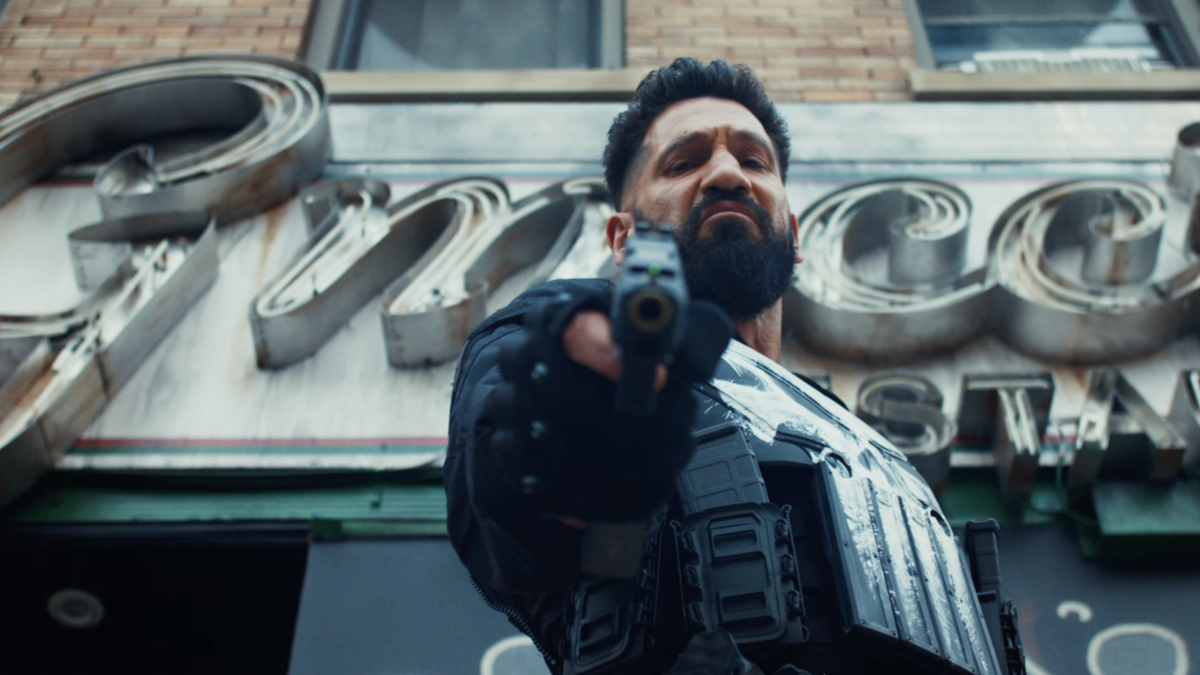
The writing truly shines when focusing on the character of Frank. However, other aspects of the story aren’t as strong. As I mentioned before, the Ma Gnucci storyline doesn’t fit with the ending, but there’s a deeper problem. Essentially, the story of Frank—a man grappling with identity and mental health who’s pulled back into a dangerous life—doesn’t quite come together as well as it should. Without giving away too much, Frank’s journey feels a bit unbelievable, especially considering where he starts and how abruptly the story shifts from a thoughtful look at his inner life to a more action-packed and exploitative plot. This unfortunately pushes aside the most unique and interesting part of the narrative.
Ultimately, One Last Kill feels very similar to Season 2 of The Punisher, covering the same ground we’ve already seen. If you recently rewatched those episodes, you’ll experience a strong sense of déjà vu. It confirms what we already knew – the Punisher is incredibly skilled. While that’s enjoyable to watch, One Last Kill doesn’t really offer anything new. If the previous seasons weren’t considered part of the same story, this might be more understandable, but for those familiar with the Punisher’s arc, the repetition is hard to ignore. It leaves you wondering why this story needed to be told again.
While generally strong, ‘One Last Kill’ occasionally takes itself a bit too seriously. Compared to the fantastic diner scene in Daredevil: Born Again Season 2, this becomes apparent. There’s a moment where Frank kills an enemy with a pen, shown in graphic detail – it’s creative, but excessively violent and disturbing. It’s unclear what the point of this scene is: is it meant to show Frank as a villain, to impress us with the ingenuity of the kill, or is there a deeper meaning? Although intended as a response to the threat against the family he’s protecting, the violence feels excessive and unnecessary. If the show weren’t also trying to explore Frank’s character, it would be easier to understand the purpose of the scene. As it stands, it just feels unnecessarily brutal, and I found myself feeling sorry for the victim. Perhaps that was the intention.
The show’s serious mood sometimes clashes with Jon Bernthal’s intense growls and shouts, which occasionally feel over-the-top and cartoonish. While those moments work in small doses, they’re a bit distracting given the otherwise realistic tone. There’s also one noticeable CGI effect that feels out of place, and seems like an unnecessary cost-cutting measure. These are minor issues that won’t ruin the show for most viewers, but they do pull you out of the experience.
Read More
- FRONT MISSION 3: Remake coming to PS5, Xbox Series, PS4, Xbox One, and PC on January 30, 2026
- Taylor Sheridan’s Gritty 5-Part Crime Show Reveals New Final Season Villain
- The Boys Season 5, Episode 5 Ending Explained: Why Homelander Does THAT
- ‘The Bride!’ Review: Jessie Buckley Breathes Life into a Monstrous Mess
- Mark Zuckerberg & Wife Priscilla Chan Make Surprise Debut at Met Gala
- Why There’s No Ghosts Tonight (Nov 27) & When Season 5, Episode 7 Releases
- Welcome to Demon School! Iruma-kun season 4 release schedule: When are new episodes on Crunchyroll?
- Ashley’s Powers in The Boys Season 5 Explained & Why They Don’t Work On [SPOILER]
- How to Build Water Elevators and Fountains in Enshrouded
- Invincible Season 4 Episode 4 Post-Credits Unveils a Demonic Return & More
2026-05-13 04:15