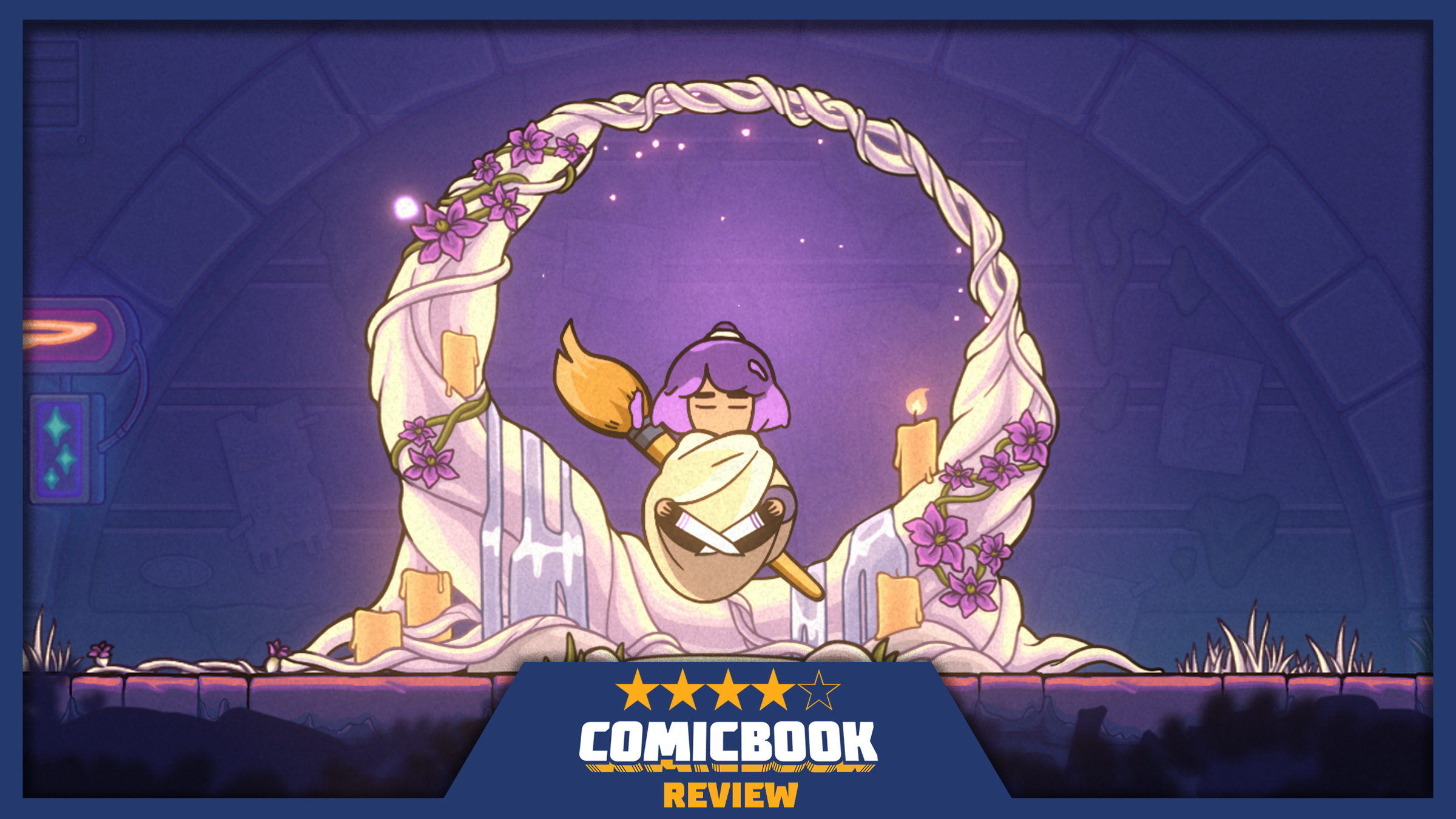
Many action platformer games, like Hollow Knight: Silksong and the Metroid series, throw hordes of enemies at players – angry bugs, aliens, and space pirates are common sights. Bloodstained: Ritual of the Night even includes a bizarre enemy: a giant dog head! It’s typical for these games to be filled with threats, which fits well with the idea of becoming more powerful as you play. However, Constance stands out because its main enemy isn’t a monster, but burnout. This theme is cleverly woven throughout the game, and combined with its precise controls and beautiful art, it makes Constance a compelling addition to a very crowded genre.
The most striking thing about the game is its beautiful visual style, and it remains consistently impressive throughout. From the start, with its soft blue skies, the game is filled with vibrant colors and a simple, clean look. This art style perfectly complements the adorable main character, but also makes even the robots visually appealing. While the environments themselves aren’t groundbreaking in concept, their unique colors and detailed backgrounds make them a joy to explore. The smooth animation of the character combined with the overall art style creates a remarkably crisp and pleasing experience. The game lives up to its fantastic promotional art, and then exceeds expectations.
Rating: 4/5
| Pros | Cons |
|---|---|
| Responsive controls make combat and platforming quite rewarding | …But it doesn’t always nail the central metaphor or go as deeply as it should |
| Its sublime art direction is filled with color and absolutely stunning | |
| Solid pacing means it doesn’t overstay its welcome | |
| The meta story adds a decent layer to the whole experience… |
Constance Is Pretty and Pretty Responsive
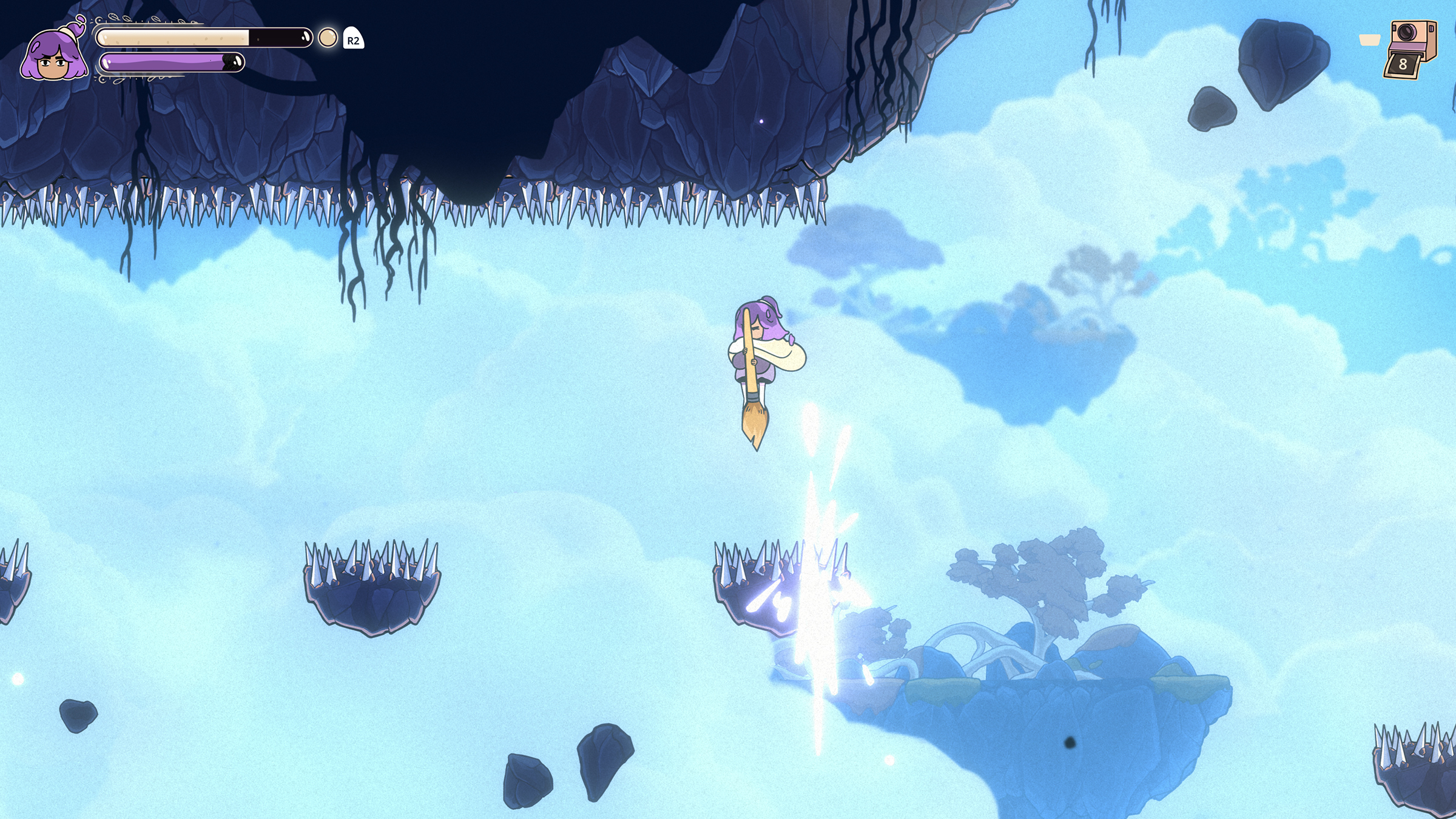
Constance is more than just visually appealing. The controls are smooth and perfectly complement the character’s lively animations. While the combat isn’t overly complex, it’s incredibly responsive. Constance is fast and agile, making each encounter feel immediate and engaging. A more versatile dodge would have been ideal, but slicing through robotic enemies and quickly evading attacks is satisfying, making even simple fights surprisingly rewarding thanks to the game’s snappy controls.
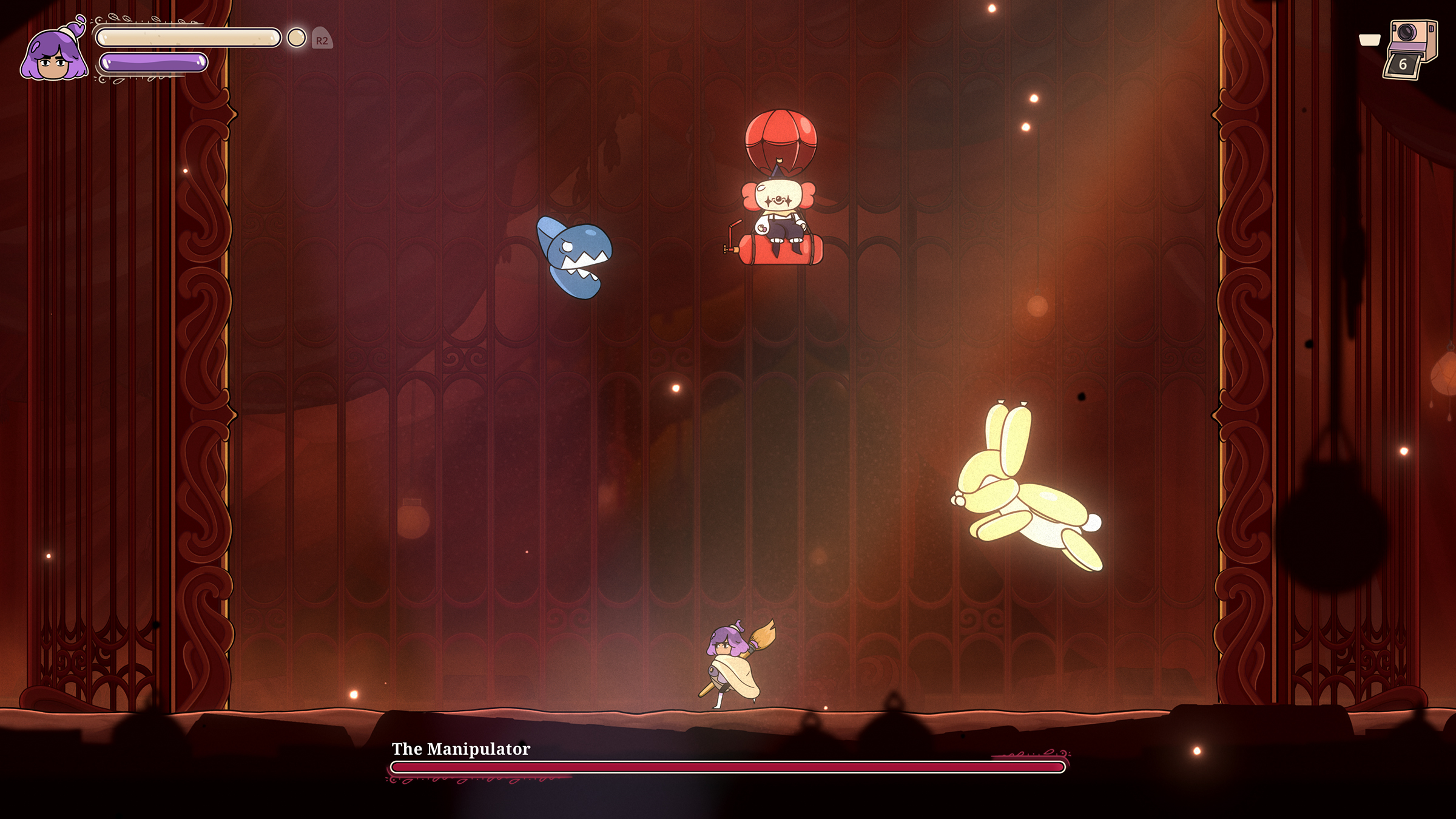
Honestly, one of the best things about this game is how good everything sounds – seriously, the impact noises are so satisfying! But it’s the enemy design that really grabbed me. Each area has totally unique enemies, and you can’t just button-mash your way through. You actually have to think about how to beat them, which is awesome. The boss fights are the same way – they’re challenging enough to make you learn the patterns, but not so hard that you want to give up. It doesn’t have super complex stuff like parrying or aerial combos, and yeah, a little more depth would’ve been cool, but the core gameplay is so solid that it doesn’t really need all those extra features.
Battles in Constance flow naturally with its acrobatic moves, many of which serve multiple purposes, highlighting the game’s smooth platforming. Levels steadily introduce new abilities and systems, then cleverly combine them into challenging and rewarding sequences. Stringing together pogo jumps, wall slides, grapples, and dashes is consistently fun and often more demanding than the combat itself. The game truly shines with its hidden Milkshake Challenges, which require players to complete incredibly difficult obstacle courses in reverse, without taking any damage. These challenges showcase the flexibility of the level design and how well the mechanics work together.
Constance Doesn’t Drag Its Feet
I was a little bummed there weren’t more sections like that, honestly. The game has such a strong base and some really clever, challenging levels, so I was hoping for a few more of those trials. But you know what? It actually highlights what makes Constance so great – they clearly prioritized making things really good instead of just adding a ton of stuff. It’s a game that focuses on quality over quantity, and I really appreciate that.
Constance is a carefully crafted game that avoids being overly complex. Levels are a good size—not too large—and there aren’t an overwhelming number of them. While it includes upgrades and collectibles, they’re not scattered everywhere like in some other games. The developers at Blue Backpack smartly focused on quality over quantity, perfecting what they had rather than trying to compete with the biggest names in the platformer genre with their first title.
Constance‘s Story Is Heartfelt, Yet a Little Inconsistent
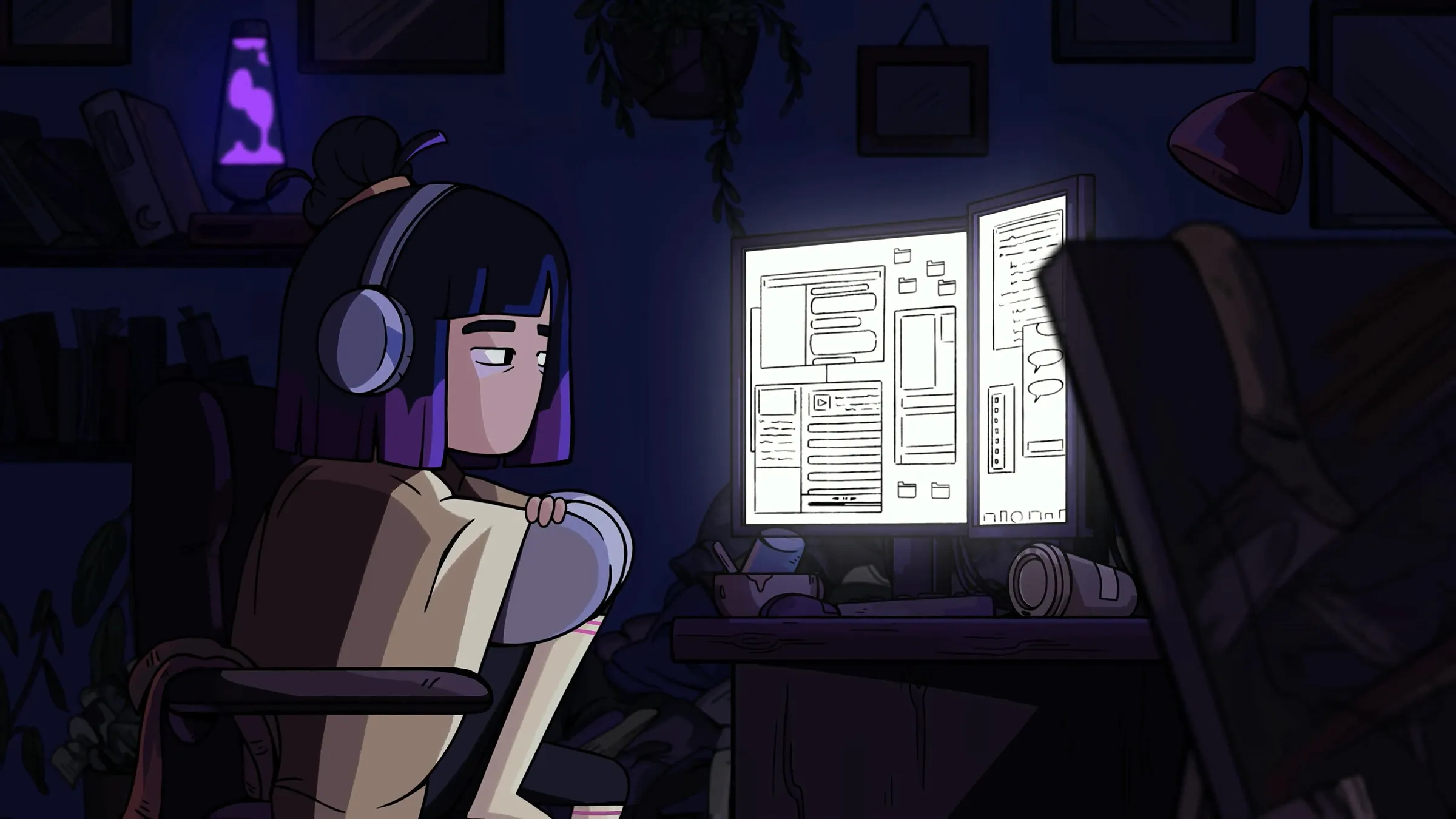
Constance isn’t just a typical platformer; it tells a story on two levels. The character in the game, who fights with a paintbrush, represents a real person named Constance who is secretly struggling with her mental health. The game shows snippets of her life – playable scenes after each boss – revealing how feelings of loneliness and the pressures of everyday life are slowly overwhelming her.
The game presents a unique idea, using symbolism to explore themes that feel very human. The story truly shines when these symbolic connections are clear. For example, the character Constance’s energy is represented by her paint supply; using too much drains her health, mirroring the exhaustion an artist might feel. Many of the optional quests also touch on deeper meanings through simple interactions – one asks you to find small, family-oriented creatures to highlight the importance of relationships. Even a somewhat puzzling quest involving a phone delivers a similar message. One of the boss battles is a clever representation of an overthinking mind. When these symbolic elements and the gameplay work together, they create a beautiful synergy, making both aspects stronger and more meaningful.
While the game attempts deeper connections, these efforts also draw attention to moments where it feels awkward or its message is unclear. For example, it’s strange to encounter a boss named after the philosopher Hypatia, or to fight a giant blob called King Koba – a name that seems to randomly reference Joseph Stalin. Some connections feel forced, like a character unexpectedly praising the importance of breaks. The game also misses an opportunity to add depth by not giving the character Constance a backstory. Although there are touching moments when these connections work well, the inconsistencies prevent Constance from fully realizing its potential.
Despite a few minor flaws, Constance remains a beautiful game. It’s visually impressive, but also well-designed and surprisingly humble. While it doesn’t reinvent the genre – a difficult feat given the many classic games already out there – it’s still a lovely experience.
A PS5 copy of Constance was provided by the publisher for the purpose of this review.
Read More
- FRONT MISSION 3: Remake coming to PS5, Xbox Series, PS4, Xbox One, and PC on January 30, 2026
- Taylor Sheridan’s Gritty 5-Part Crime Show Reveals New Final Season Villain
- The Boys Season 5, Episode 5 Ending Explained: Why Homelander Does THAT
- ‘The Bride!’ Review: Jessie Buckley Breathes Life into a Monstrous Mess
- From season 4 release schedule: When is episode 2 out on MGM+?
- Mark Zuckerberg & Wife Priscilla Chan Make Surprise Debut at Met Gala
- Why There’s No Ghosts Tonight (Nov 27) & When Season 5, Episode 7 Releases
- Invincible Season 4 Episode 4 Post-Credits Unveils a Demonic Return & More
- Welcome to Demon School! Iruma-kun season 4 release schedule: When are new episodes on Crunchyroll?
- Ashley’s Powers in The Boys Season 5 Explained & Why They Don’t Work On [SPOILER]
2026-05-14 01:16