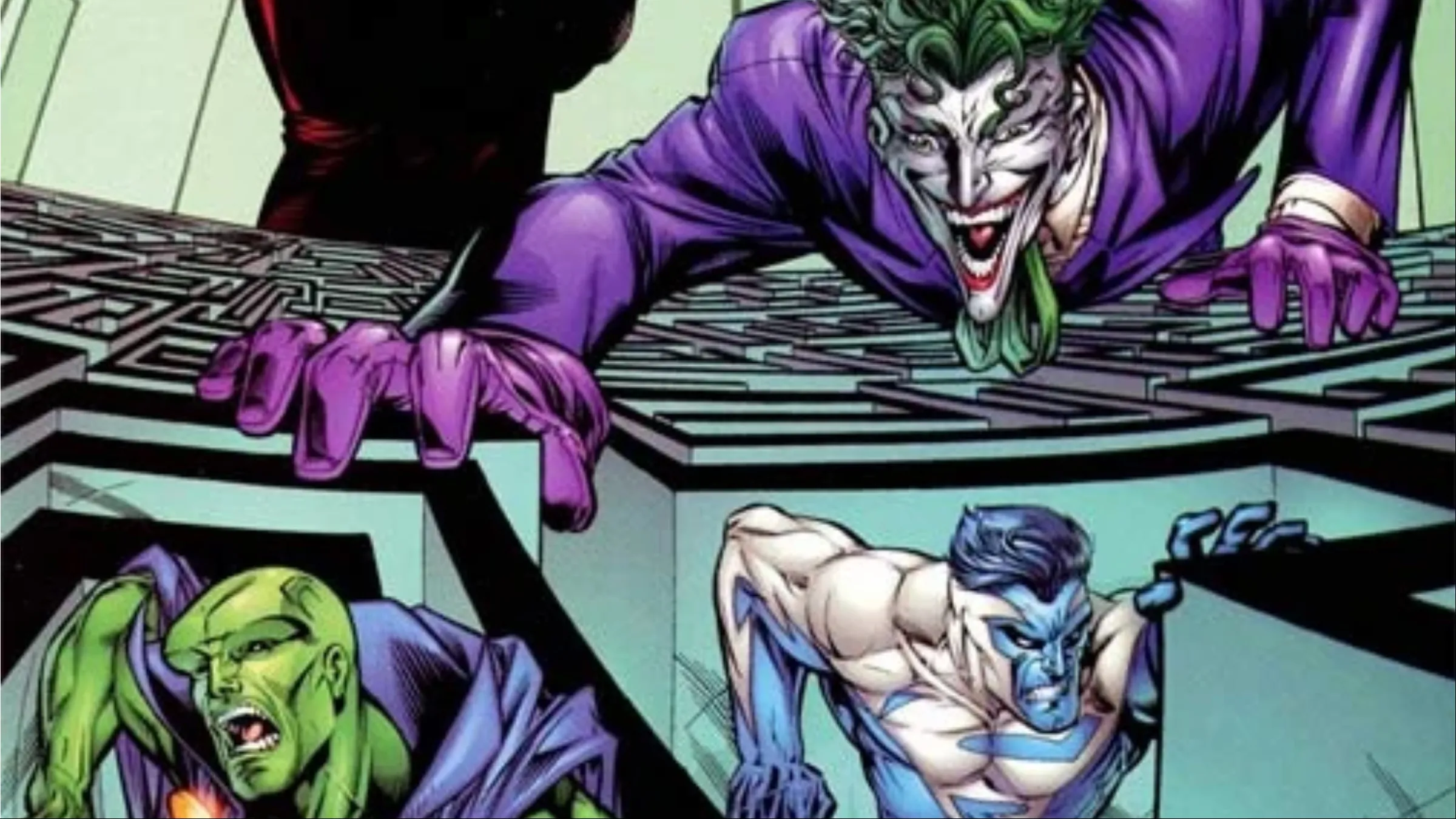
The Joker is arguably the most iconic villain in comic books. While he appears in a lot of stories – perhaps too many – his enduring popularity with fans and strong sales figures explain why. Even readers who are a bit weary of seeing him constantly still find the character compelling. This is partly because writers enjoy exploring new and different interpretations of him. The Joker is incredibly versatile, able to fit into almost any narrative, and many stories demonstrate just how adaptable he is.
As a huge Batman fan, I’ve always found the idea of a superpowered Joker genuinely terrifying. So, when DC actually gave him godlike powers, not once but twice in the stories ‘Emperor Joker’ and ‘Rock of Ages,’ it was a fascinating, if unsettling, development. In ‘Rock of Ages,’ the Joker basically became a god, which, let’s face it, is exactly what he’d want. But what surprised me was that he ultimately gave that power up. It made me rethink things, and suggests there’s a strange kind of humanity to the Joker that ‘Emperor Joker’ didn’t quite capture.
“Rock of Ages” Showed That Joker Is a Monster but Can Be Reached
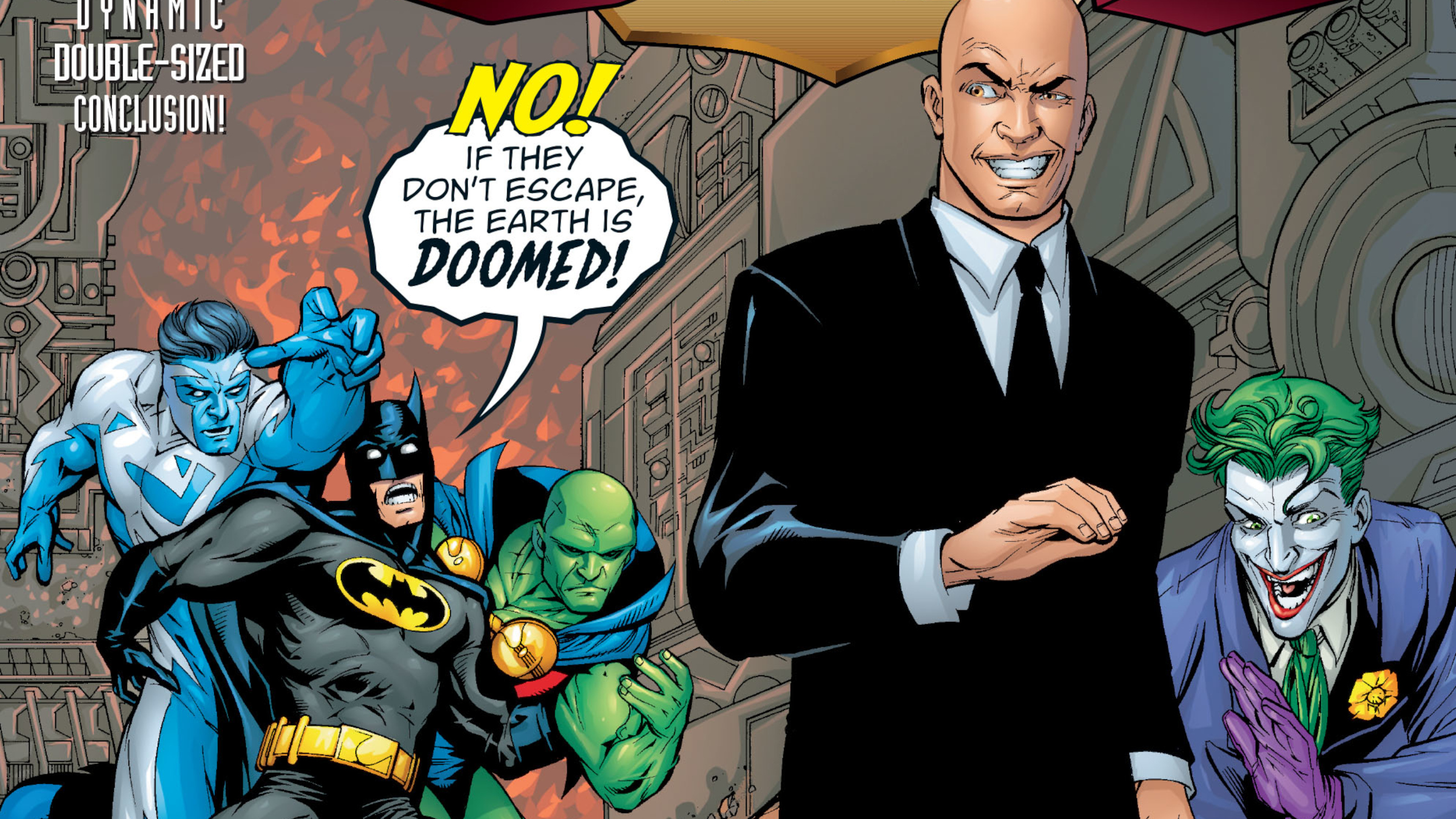
“Rock of Ages” is widely considered the best Justice League story of all time. It features Lex Luthor obtaining the Philosopher’s Stone and forming a new Injustice Gang – including the Joker – with the goal of dismantling the Justice League. (I’m actually looking for a copy of JLA #10; my older collection is missing it, and it’s surprisingly hard to find at conventions or comic shops these days.)
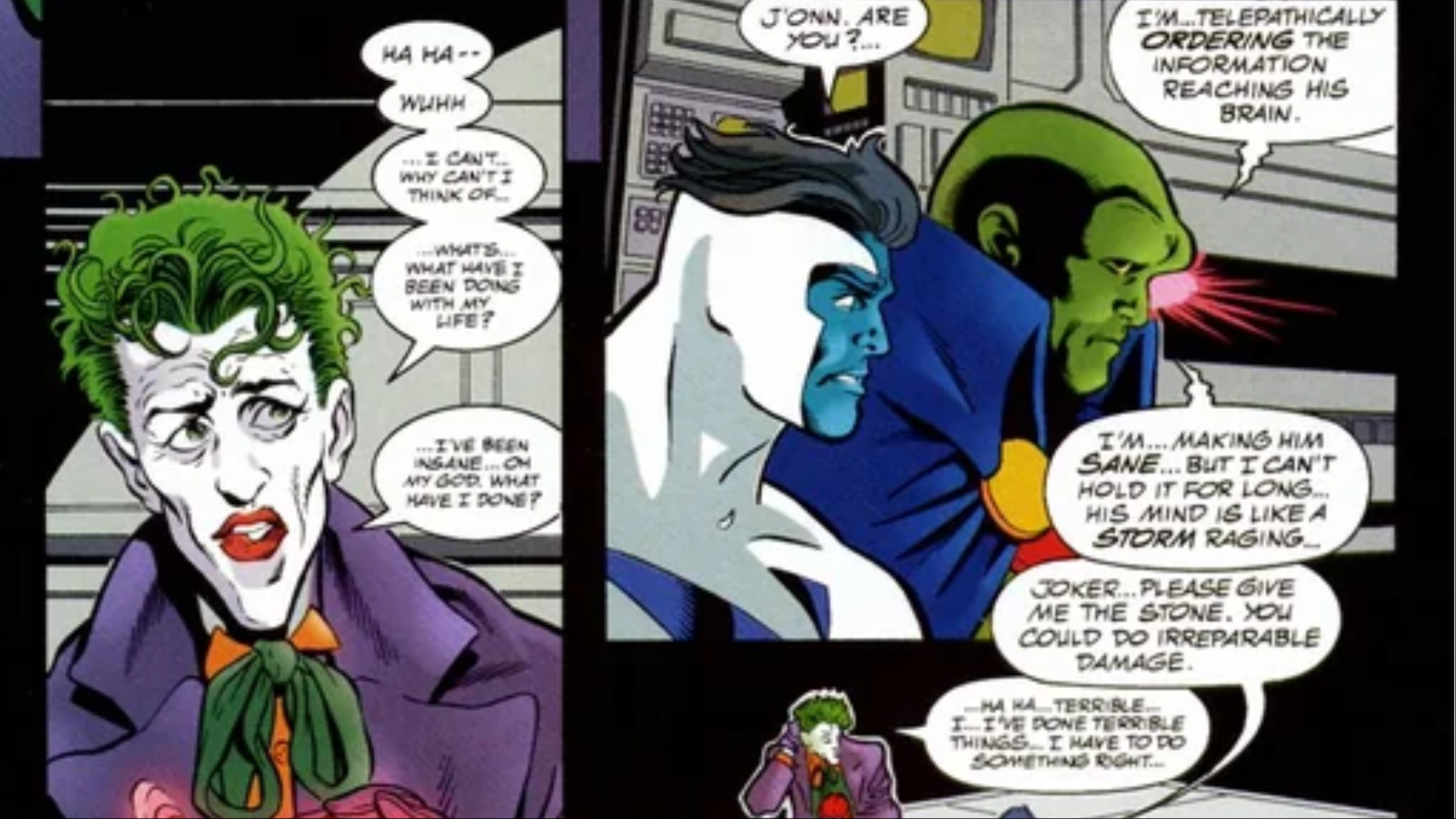
Okay, so as a huge comic fan, let me tell you what happens with Lex Luthor, the Joker, and Superman. Luthor knows the Joker is completely insane, but he’s also smart enough to see he can still be useful. In the second act, Luthor actually uses the Joker’s twisted mind to build a trap for Superman and Martian Manhunter, J’onn. Luckily, J’onn manages to link minds with the Joker and figures out how to break free, which becomes important later. Then things get really crazy. The Joker gets ahold of this incredibly powerful artifact – it’s called the Stone, but it’s actually the Worlogog from this other dimension, it’s a whole Grant Morrison thing so it’s kinda complicated – and starts a massive killing spree. But J’onn saves the day again by using his telepathic powers to temporarily cure the Joker’s insanity and convince him to hand over the Stone to an alien hero.
It’s rare to see the Joker face consequences for his actions, so it was compelling to see him affected in this story. This portrayal is a stark contrast to “Emperor Joker,” where he gained the immense power of the reality-bending imp, Mr. Mxyzptlk. He inflicted terrible things on Batman, as expected, and even committed the outrageous act of consuming the entire population of China. Though his power was eventually removed, it felt like he would have never relinquished it willingly.
“Rock of Ages” was released before “Emperor Joker,” and it reveals a fascinating detail about the Joker’s character. Despite being a villain, there’s a hint that he secretly regrets the pain he inflicts on others. A particular scene where he relinquishes his power is especially noteworthy. Artist Greg Land, before becoming known for different reasons, depicted the Joker in a way that strongly resembled his ordinary, pre-villain self from Batman: The Killing Joke – it may have even been traced from that original work. This was a clever touch, suggesting that the man the Joker once was still exists within him.
The Joker’s Dalliances With Godhood Show How Complex the Character Is
When the Joker gains nearly unlimited power, it’s a huge crisis for everyone involved. It’s fascinating to compare how two different writers handled this situation in their stories. “Rock of Ages” was published in 1997, and “Emperor Joker” came out in 2000. Jeph Loeb led the writing for “Emperor Joker,” so it felt like a classic Joker tale. Grant Morrison and Jeph Loeb have very different styles; Morrison often takes characters in unexpected but logical directions, while Loeb tends to stick to more familiar territory – assuming you’re a longtime comics reader.
Grant Morrison has a unique take on the Joker, always appreciating the graphic novel The Killing Joke. He consistently explored the idea that the Joker, despite his madness, was once a normal person – a concept many other writers avoided. His use of this in the “Rock of Ages” storyline was brilliant, revealing a depth to the villain that most fans and creators hadn’t considered.
Read More
- FRONT MISSION 3: Remake coming to PS5, Xbox Series, PS4, Xbox One, and PC on January 30, 2026
- Best Controller Settings for ARC Raiders
- Mark Zuckerberg & Wife Priscilla Chan Make Surprise Debut at Met Gala
- Meet the cast of Good Omens season 3: All the actors and characters
- Welcome to Demon School! Iruma-kun season 4 release schedule: When are new episodes on Crunchyroll?
- The Boys Season 5 Officially Ends An Era For Jensen Ackles’ Soldier Boy
- 7 Great Marvel Villains Who Are Currently Dead
- Nippon Sangoku Is The Best New Post-Apocalyptic Anime of Spring 2026
- Wistoria: Wand and Sword Season 2 release schedule: When are new episodes out?
- Khloe, Kourtney Kardashian Call Out Kylie Jenner for Mother’s Day Post
2026-05-17 18:11