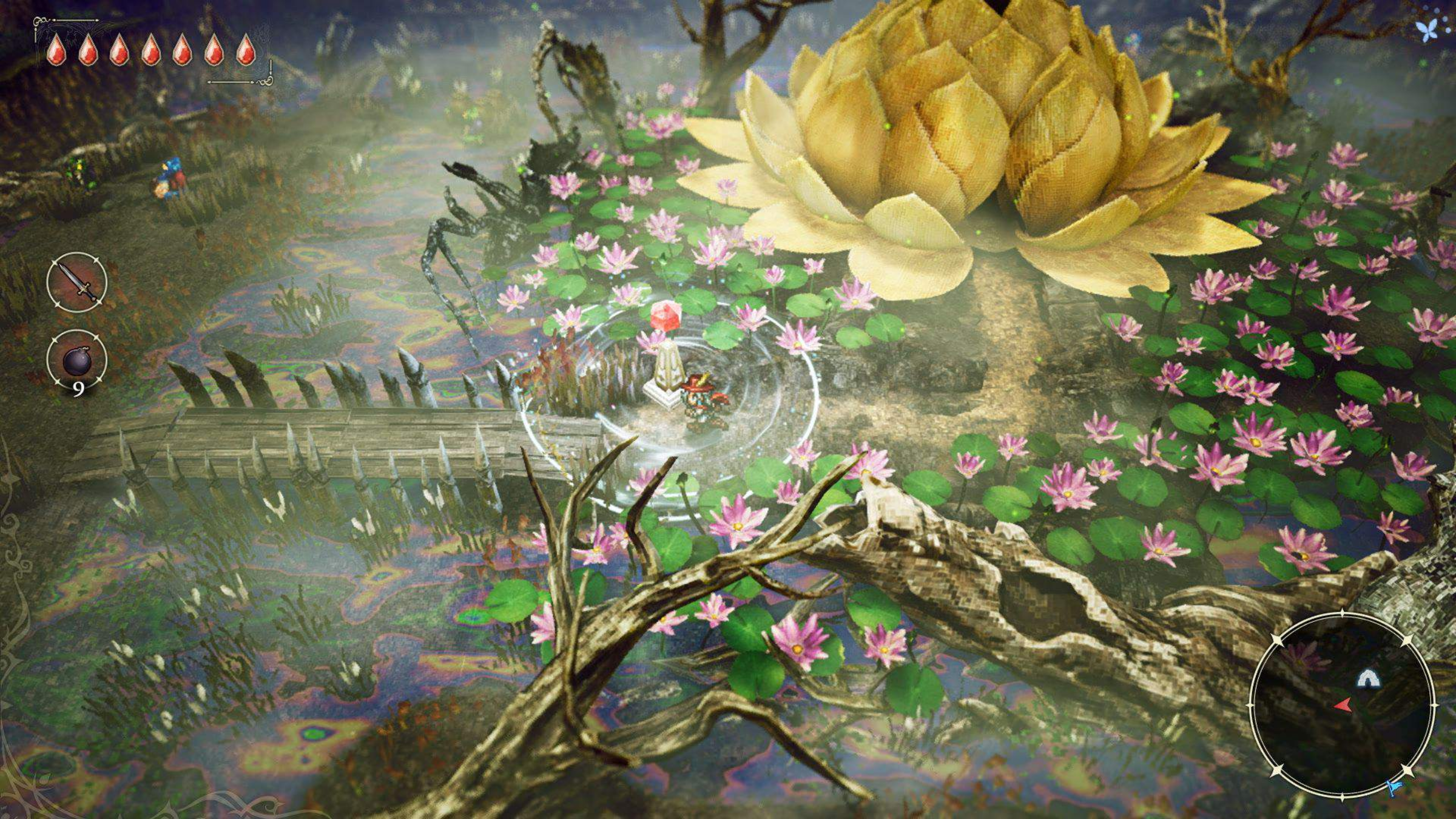
Square Enix’s new game, The Adventures of Elliot: The Millennium Tales, blends classic gaming elements with innovative design. Created by Claytechworks, and featuring contributions from the team behind Octopath Traveler, this fantasy adventure puts you in control of Elliot. He must save the land of Philabieldia with the help of his fairy friend, Faie, exploring a huge and beautifully detailed HD-2D world filled with monsters, dungeons, and hidden secrets.
Players familiar with classic adventure games like The Legend of Zelda: A Link to the Past will find the core gameplay of The Adventures of Elliot recognizable, but Claytechworks has prioritized giving players a lot of freedom in how they play. You directly control the character Faie, and Elliot has access to various weapons, abilities, and different ways to progress. Comic Book recently spoke with Producer Naofumi Matsushita and Head Developer Tomoya Asano about how the game blends nostalgic elements with modern design.
With a legacy of beloved adventure games behind it, ‘The Adventures of Elliot’ aims to both innovate and honor its predecessors. What’s your strategy for creating a new experience that feels both original and familiar?
With games like Octopath Traveler and Triangle Strategy, we’ve been experimenting with different RPG styles. For our latest game, we wanted to reach an even wider audience, so we chose the action RPG genre. Throughout development, we were heavily inspired by the original Game Boy Final Fantasy Adventure – even the way the weapons feel in the game is a nod to that classic title. We worked closely with the development team to make sure everyone understood this vision. Knowing the kind of fun we wanted to deliver, we then focused on the game’s look and decided to fully embrace the HD-2D style. What’s great about HD-2D is that it combines 3D backgrounds with 2D characters, creating a sense of depth and making the world feel more immersive.
A major challenge was translating the game’s power into a compelling 2D action experience. Pixel-based 2D games often feel flat because the ground takes up most of the screen, making depth difficult to achieve. To overcome this, we used a technique where the map curves back to reveal distant landscapes, creating a sense of depth. We also developed original methods to maximize the visible range. Beyond the visuals, we added a fairy companion and new combat features to encourage player creativity. Our aim was to capture the joy of classic games with a beautiful art style, while still offering something new. We accomplished this through constant playtesting and refinement.
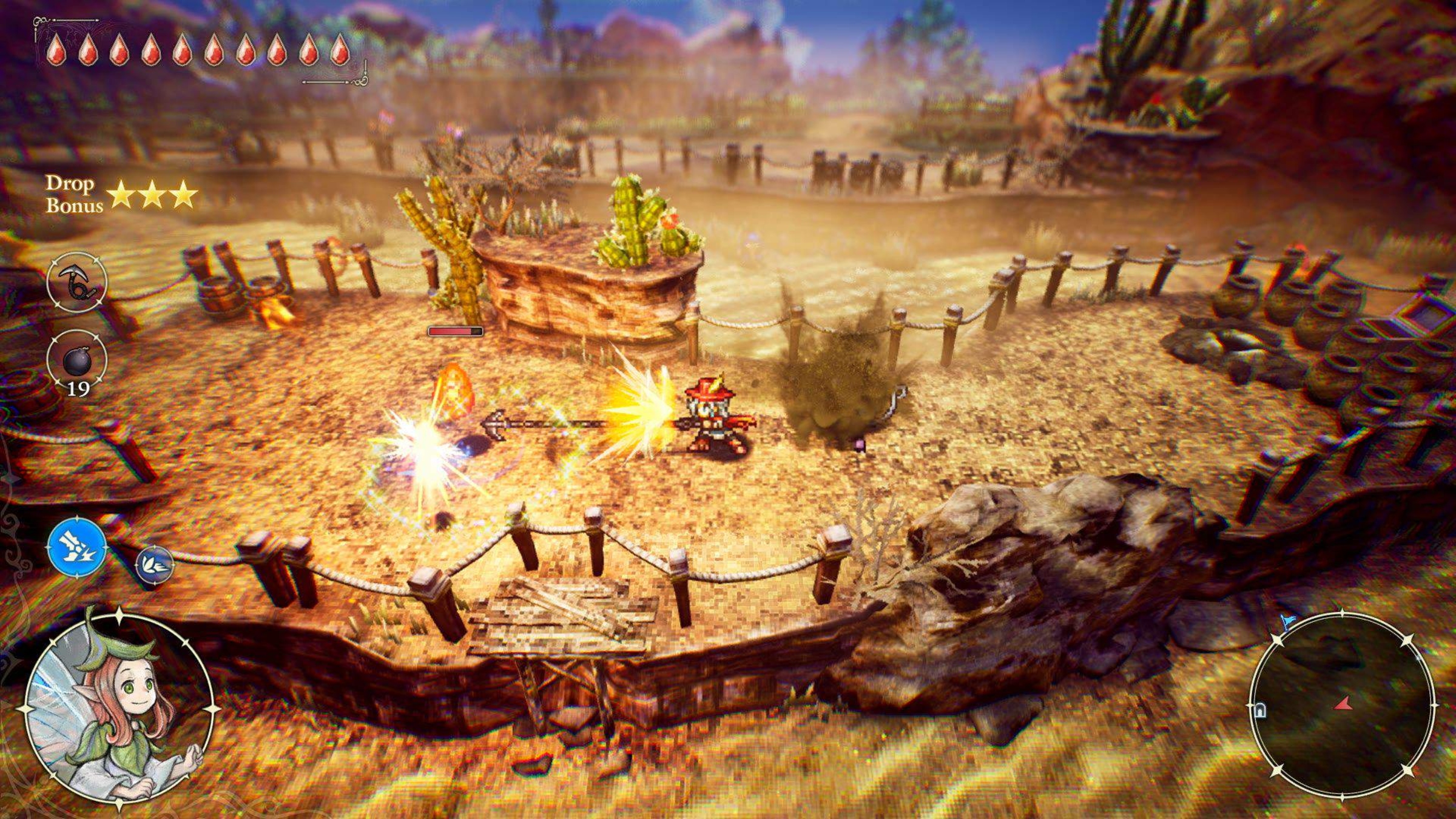
Here’s the rest of our conversation with Naofumi Matsushita and Tomoya Asano, where we talked about how they designed the game’s companion characters, their decision to use time travel in the story, and why letting players make their own choices was so important.
What aspects of Elliot’s story and the game’s world were most appealing to the development team, both from a creative and player perspective?
Naofumi Matsushita shared that two things really stood out to him during development. First, he was thrilled with the voice actors’ performances – they perfectly captured the emotions of each scene. Hearing the finished recordings made him confident that the game’s story would feel much more real and immersive once the voices were added.
The second really exciting moment was when the magicite system was finished and we could actually play with it. Even though I’d already played through the game a lot, I immediately noticed how much bigger it felt, offering way more options for planning and trying out new things. It was a great experience just as a player.
Could you describe how Faie’s character was developed? How did her part in the game change as you were making it?
From the beginning, we planned to include a fairy companion character with five special abilities, shaping her gameplay role early on. As we developed the game, we added voiced lines where she encourages the player. We wanted to avoid the typical solitary journey often found in action games and create a more vibrant and engaging experience, and that aspect of the character really grew throughout development.
The game heavily features time travel, allowing players to explore different periods of Philabieldia’s history. As the game developers, what aspects of crafting a setting that can be experienced across time are most appealing to you?
I’ve often focused on how the past influences the present in my games. Storytelling relies heavily on the past, but this time I wanted players to experience it, not just hear about it. I think letting players directly interact with those pivotal moments makes for a much more impactful experience.
The game has a large, open world where players can really decide how their story unfolds. We wanted to create that expansive environment without making it feel too daunting, so how did we balance freedom with keeping things manageable for players?
We started by creating the game’s world and identifying key locations – what we call ‘landmarks’ – in each area. We then built the story around these landmarks. Players won’t need to see every landmark in every time period; they’ll discover them naturally as they progress. This allowed us to make other areas optional – players can explore them for small advantages, or skip them if they prefer. We kept this distinction between essential and optional content in mind throughout the design process.
Get ready to explore The Adventures of Elliot: The Millennium Tales when it arrives on June 18th for Nintendo Switch 2, PlayStation 5, Xbox Series X/S, and PC.
Read More
- Best Controller Settings for ARC Raiders
- FRONT MISSION 3: Remake coming to PS5, Xbox Series, PS4, Xbox One, and PC on January 30, 2026
- Mark Zuckerberg & Wife Priscilla Chan Make Surprise Debut at Met Gala
- Meet the cast of Good Omens season 3: All the actors and characters
- Review: Final Fantasy Tactics: The Ivalice Chronicles (PS5) – Still the Benchmark for Turn-Based Tactics
- Nippon Sangoku Is The Best New Post-Apocalyptic Anime of Spring 2026
- 7 Great Marvel Villains Who Are Currently Dead
- Welcome to Demon School! Iruma-kun season 4 release schedule: When are new episodes on Crunchyroll?
- Wistoria: Wand and Sword Season 2 release schedule: When are new episodes out?
- The Boys Season 5 Officially Ends An Era For Jensen Ackles’ Soldier Boy
2026-05-18 17:18