Before the summer of 1989, comic book movies were hit or miss. While some, like the 1978 film Superman, were critically acclaimed, others, such as Superman III and Superman IV: The Quest for Peace, were poorly received. There were also unusual adaptations like Heavy Metal, Swamp Thing, and Howard the Duck. Overall, these early attempts left many wondering if comic books could actually be successfully translated to the big screen.
Tim Burton’s Batman, released on June 23, 1989, faced a lot of skepticism. Not only were comic book movie adaptations sometimes viewed negatively, but some fans questioned whether Burton, despite the success of Pee-wee’s Big Adventure and Beetlejuice, could successfully reimagine Batman. The casting of Michael Keaton, known for the comedy Mr. Mom, as the Dark Knight also worried many. However, Burton and his team ultimately delivered a lasting and influential take on the character. And if there’s one aspect of the film that remains unmatched, it’s the unforgettable depiction of “Gotham City.”
Tim Burton’s Gotham City Became the Blueprint
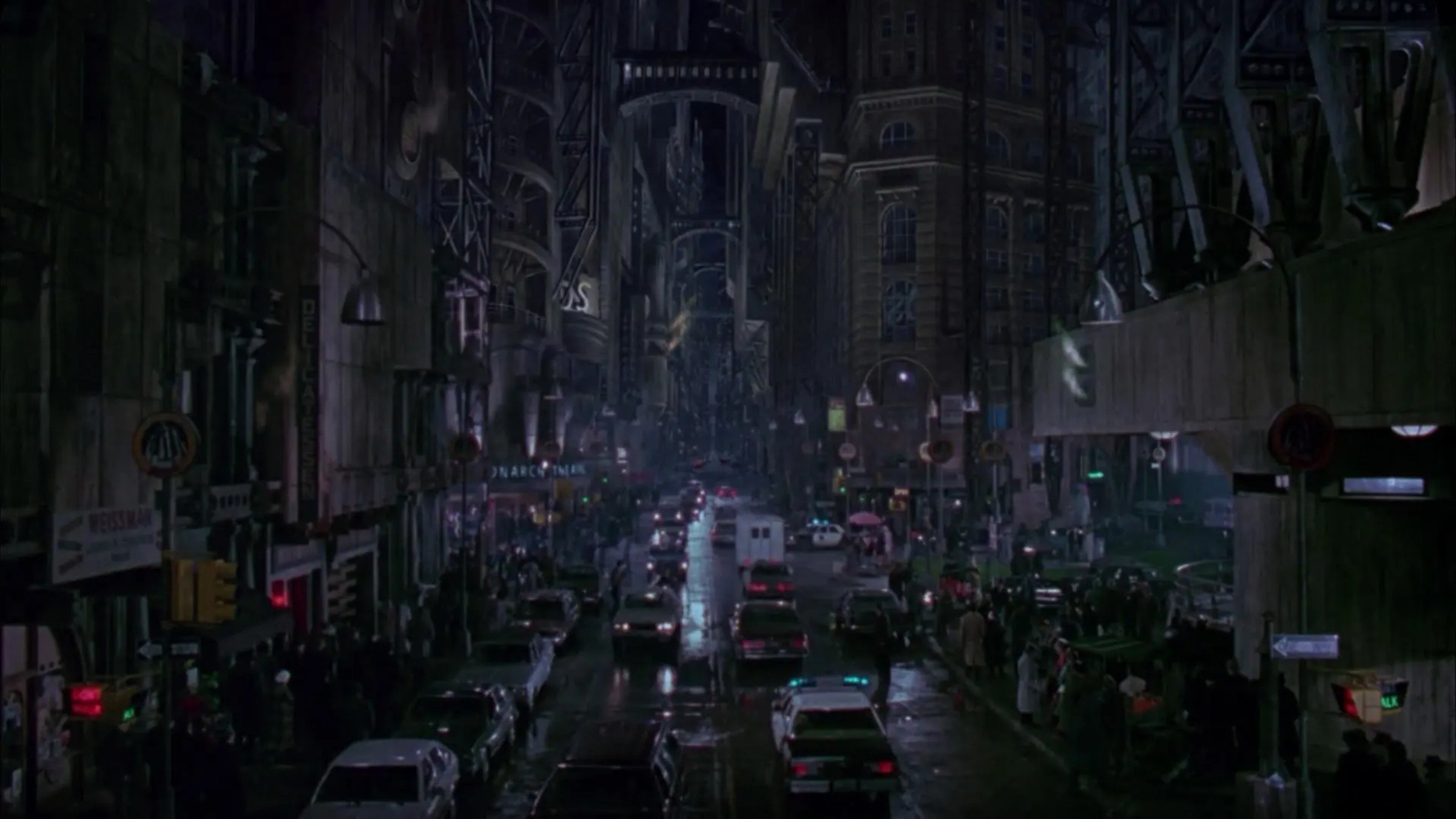
As a huge film fan, I’ll never forget the opening of Tim Burton’s Batman. Right from the start, he showed us his Gotham City, and honestly, it’s the defining version for me – and probably for a lot of people. It felt so lost in time, dark, and almost… organic, like the buildings were growing out of the ground. You instantly believed a place like that could breed both a criminal like the Joker and a hero like Batman. Burton was clearly inspired by those old German Expressionist films – all those dramatic shadows and imposing structures really loom over everything that happens. The whole team wanted Gotham to be truly unforgettable – the ugliest, most depressing city you could imagine, and they absolutely nailed it.
Many filmmakers often point out that Gotham City is essentially a character in Tim Burton’s Batman, and that’s certainly true for this film. Beyond Batman and the Joker, the city itself is what truly makes the movie work so well. Burton created a Gotham that feels incredibly real and lived-in, spanning everything from rundown alleys to grand museums and Wayne Manor to City Hall. All these different locations seamlessly connect, making it believable that they all exist within the same, vibrant city inhabited by a diverse range of people.
Beyond its atmosphere, Batman cleverly uses Gotham City’s environment to help him fight crime. He frequently uses things like gargoyles and escaping steam vents to his advantage. The city’s gritty and dirty appearance isn’t just visually striking; it also adds depth to the story.
Every Batman Movie Since Has Tried and Failed to Copy Burton’s Gotham
Tim Burton’s vision of Gotham City in his Batman film was heavily inspired by the city’s portrayal in Frank Miller’s The Dark Knight Returns comic book. Interestingly, Burton’s design ended up shaping the look of Gotham in the main Batman comics and later films and video games, like Arkham City. Since then, every director working on Batman has faced the challenge of creating a unique Gotham, largely because Burton’s films set such a high standard for the city’s visual style.
When Tim Burton left the Batman films, Joel Schumacher’s vision of Gotham City took Burton’s already extravagant style and amplified it even further. Christopher Nolan’s reboot, Batman Begins, created a Gotham that felt comparable to Burton’s original. However, the distinctive, realistic Gotham from Batman Begins wasn’t carried through in the sequels, which presented a more typical, generic city lacking the gritty atmosphere, dangerous neighborhoods, and unique infrastructure of the first film.
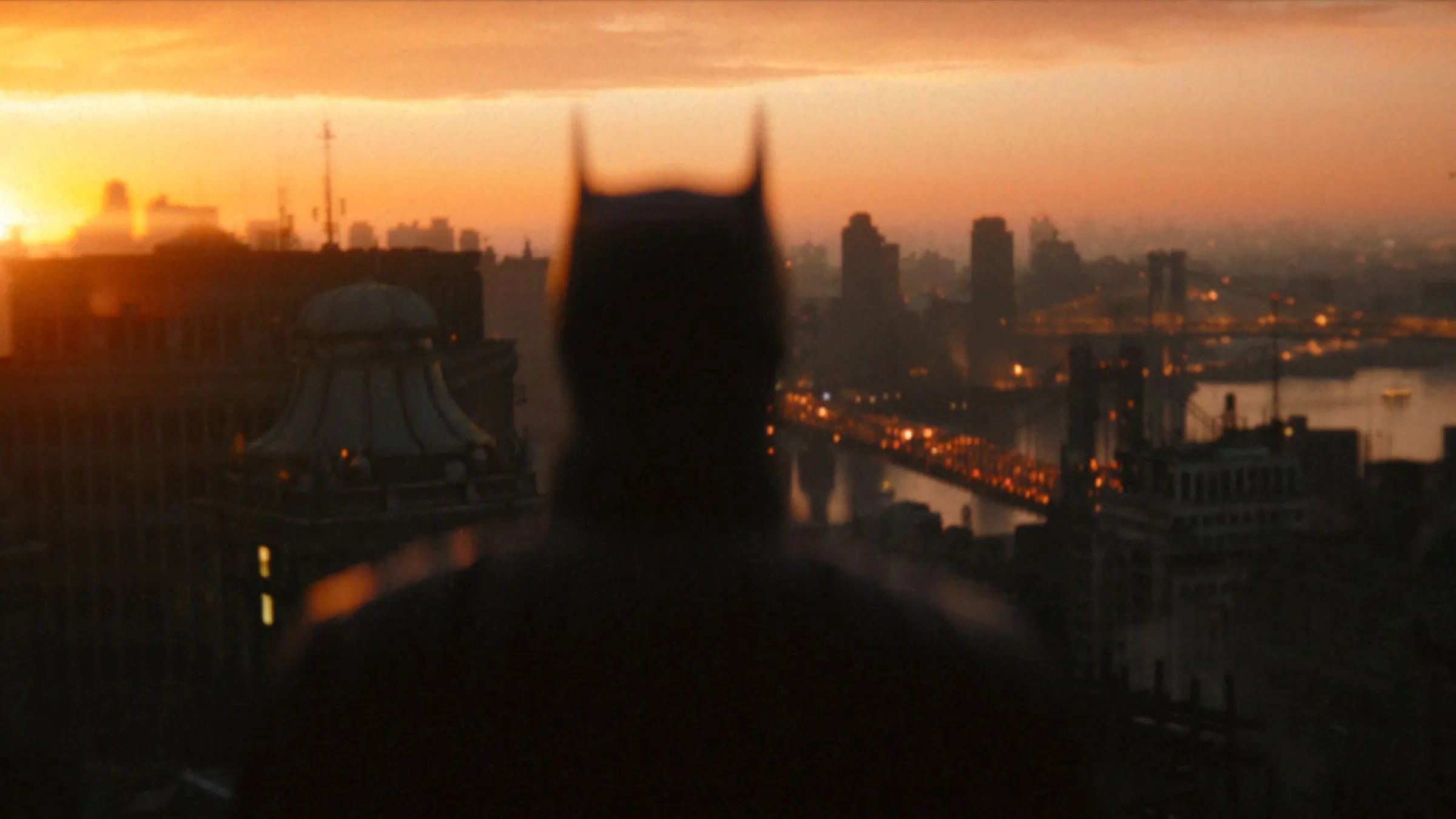
Gotham City has often been portrayed as a typical, shadowy metropolis in the DC Extended Universe, and even the recent film Joker followed this pattern. However, Matt Reeves’ The Batman, much like Batman Begins, offered a fresh vision for the city. Similar to how Tim Burton’s Gotham drew inspiration from classic films, Reeves’ version clearly took cues from David Fincher’s Se7en, creating a dark and gritty urban landscape defined as much by constant rain as by its imposing architecture.
Tim Burton’s Batman film set a new standard for bringing the character to life on screen, and subsequent movies have consistently built upon its foundation. Later films expanded on elements like the suit design, Batman’s physical abilities, his detective skills, and his technology – including the Batmobile. We’ve even seen his relationships with other DC heroes explored, which felt groundbreaking at the time. However, Burton’s vision of Gotham City remains unmatched. Every new Batman movie, consciously or not, strives to capture the same atmosphere and sense of realism that Burton created, using the city itself to enhance the film’s overall tone and create a believable world.
DC fans can expect a fresh portrayal of Gotham City later this year with the release of Clayface. The movie will showcase the city’s live-action appearance within the new DC Universe (previously featured in Creature Commandos), and the initial teaser offered a sneak peek. While it currently looks like a typical large city, it remains to be seen what the film will offer this fall. Ultimately, it will be compared to the iconic depiction of Gotham from a movie released nearly forty years ago.
Read More
- Best Controller Settings for ARC Raiders
- Review: Final Fantasy Tactics: The Ivalice Chronicles (PS5) – Still the Benchmark for Turn-Based Tactics
- Nippon Sangoku Is The Best New Post-Apocalyptic Anime of Spring 2026
- Mark Zuckerberg & Wife Priscilla Chan Make Surprise Debut at Met Gala
- 10 Greatest Manga Endings of All Time
- The Witcher 3 Officially Reveals Stunning New Ciri Figure Coming 2026
- The WONDERfools ending explained: What happened to the Child of Eternity?
- 7 Great Marvel Villains Who Are Currently Dead
- FRONT MISSION 3: Remake coming to PS5, Xbox Series, PS4, Xbox One, and PC on January 30, 2026
- Elon Musk’s Mom Maye Musk Shares Her Parenting Philosophy
2026-05-20 00:10