As a movie fan, I’ve definitely noticed how genres go in and out of style in Hollywood. Think about how Alfred Hitchcock basically created the slasher film with Psycho, and then how something like The Lone Ranger nearly killed off Westerns. It seems like studios always try to play it safe, avoiding big risks when a certain type of movie isn’t doing well. But every now and then, a movie comes along that everyone underestimates, and it ends up saving an entire genre for a new generation of fans.
Sometimes, a movie truly hits the mark – with the right director, actors, story, and how it’s made – and becomes a huge hit in theaters. When a film captures the public’s imagination like that, other studios often rush to create similar movies, hoping to benefit from the trend. We can thank certain films – like sweeping Westerns that rekindled interest in the Old West and a groundbreaking gothic movie that revitalized superhero films – for keeping popular genres thriving.
Tim Burton’s Batman Paved the Way For the Superhero Age
The 1989 film brought a dark and dramatic take on Batman, a stark contrast to the more lighthearted Adam West series. Building on the popularity of Batman comics, it explored a grittier side of the story, introducing a new version of the Joker and challenging Bruce Wayne like never before.
Following the disappointing reception of Superman III, this film was a risk. Many people questioned whether Michael Keaton could pull off the role, especially since enthusiasm for superhero movies had waned in the 1980s after Richard Donner proved what a good one could be.
Instead, superhero stories ended up mostly in children’s cartoons. Meanwhile, movies focused on adventure and science fiction, creating a lot of new and original content. If Tim Burton’s Batman hadn’t been so successful, we might never have gotten films like The Mask.
The Silence of the Lambs Reignited Audience Love of Detective Thrillers
In The Silence of the Lambs, a young FBI trainee is assigned to interview the brilliant but dangerous serial killer Hannibal Lecter. While a new murderer, Buffalo Bill, is at large, the trainee hopes Lecter’s understanding of the criminal mind will help her catch him. Lecter, intrigued by the agent, offers clues gradually, playing a manipulative game as she attempts to solve the case.
Serial killer thrillers became popular in the 1970s, but their prominence decreased as the 1980s favored more widely appealing movie franchises. The concept of the serial killer largely ended up in low-budget horror films and wasn’t often explored in more thoughtful, serious thrillers.
The release of The Silence of the Lambs was a huge success, sparking widespread public interest in psychological thrillers and influencing films like Kiss the Girls. The movie, and particularly Anthony Hopkins’ portrayal of Hannibal Lecter, established a new standard for detective thrillers that continues to shape the genre today.
Scream Revived the Slasher Horror Genre
The movie Scream takes place in Woodsboro, California, and follows a masked killer named Ghostface who is terrorizing high school students. Sydney Prescott, still grieving the loss of her mother a year earlier, finds herself as one of the killer’s targets and must rely on her friends for support.
Following a series of terrifying run-ins with the murderer, she even begins to suspect her boyfriend might be involved. For horror fans, the 1990s were a mixed bag – while there were a few good films, the genre was struggling until Kevin Williamson’s innovative and self-aware story revitalized it.
More than just a typical slasher film, this movie ended up defining the genre for years to come. In fact, if you’ve enjoyed any slasher movies made in the last thirty years, you’ve been influenced by Wes Craven’s groundbreaking work.
Star Wars Breathed New Life Into Fantasy Adventure
In 1977, he released Star Wars, which became one of the most successful films ever made.
Star Wars, following the journey of Luke Skywalker, Han Solo, Obi-Wan Kenobi, and Chewbacca as they attempt to rescue Princess Leia, revitalized the adventure movie genre and captivated a generation. It’s often overlooked that adventure films had largely disappeared throughout the 1970s, replaced by darker, more realistic crime and war stories.
While Rocky started to challenge the negativity in 1970s Hollywood, Star Wars completely changed the game, paving the way for a new era of fantasy and adventure films. The 1980s were largely defined by studios trying to replicate Star Wars‘ success and find the next blockbuster. Before 1977, a film like Star Wars would have seemed unrealistic and impossible, but George Lucas proved it could be done.
Jaws Made the Creature Feature a Hollywood Institution
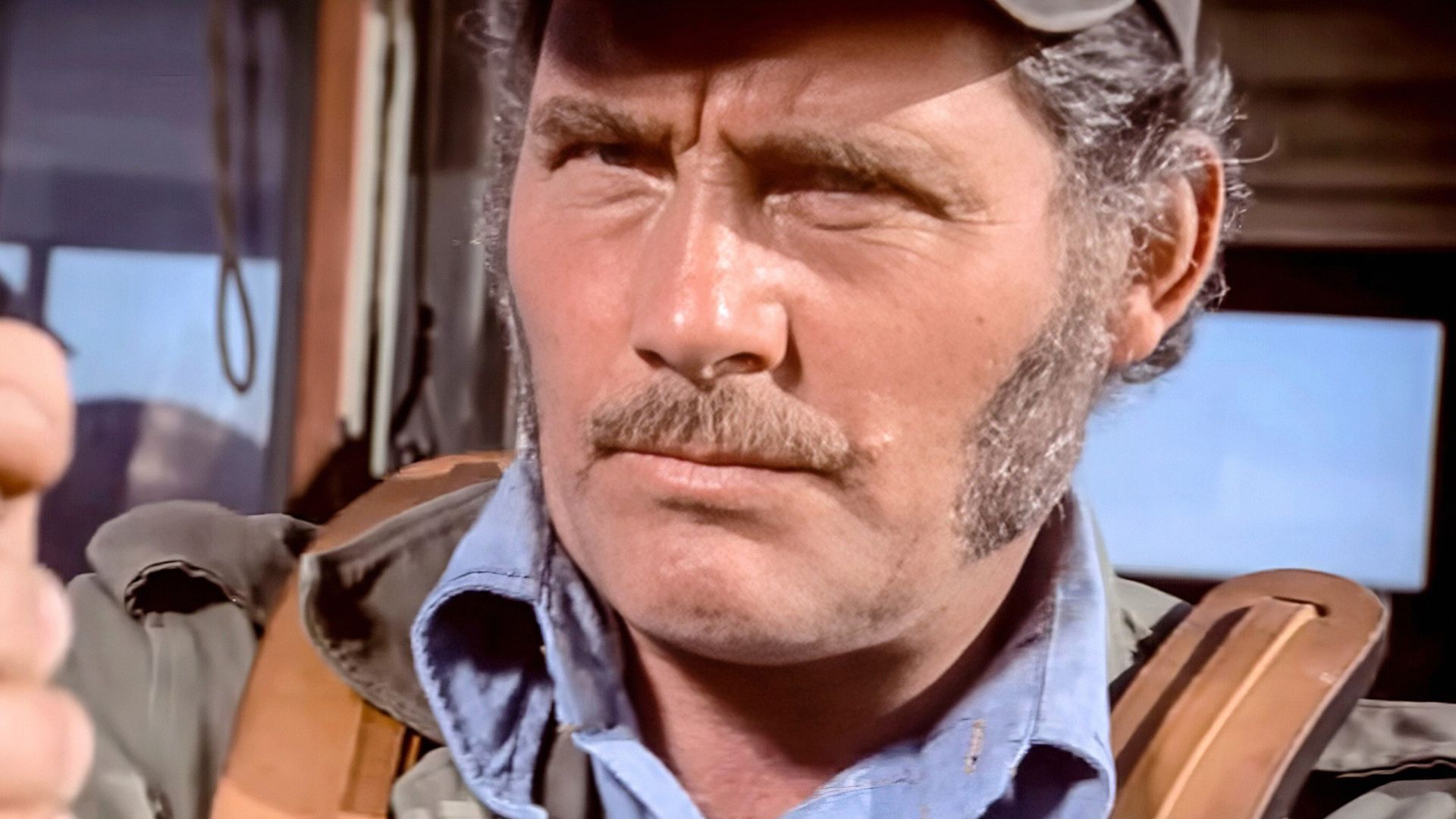
Steven Spielberg’s 1975 film Jaws, based on Peter Benchley’s novel, became the quintessential summer blockbuster. The movie follows police chief Brody as he attempts to safeguard his island town from a dangerous Great White Shark, and it essentially created the modern creature feature genre.
Before the movie Jaws came out, monster movies were often considered low-quality, even if they were fun to watch. Before 1975, watching a film about people battling a creature usually meant you were in for silly effects, over-the-top acting, and a tiny budget. But after Steven Spielberg’s Jaws, filmmakers for decades tried—and failed—to create a monster movie that was as impactful.
Jaws revitalized monster movies and set a new standard for the genre, a standard that remains unmatched after fifty years. The current obsession with sharks in Hollywood can still be directly linked to Spielberg’s iconic film.
Dances With Wolves Reminded Audiences of the Power of Westerns
The film follows John J. Dunbar, a Union army officer who asks for a remote outpost assignment after a battle. At the isolated Fort Sedgwick, he develops a friendship with the local Sioux tribe and begins to embrace their culture. Eventually, the arrival of the army forces him to decide where his loyalties lie – with the United States or with the life he’s built with the Sioux.
Following his work in Silverado, Kevin Costner wanted to revive the Western genre, particularly after Clint Eastwood moved away from it in the 1980s. The decade proved difficult for Westerns, which were overshadowed by the popularity of science fiction and fantasy films like Ghostbusters, Back to the Future, and Star Wars. Despite this, Costner’s film became a huge success, earning $424 million on a $22 million budget – a remarkably high return.
Before 1990, the Western genre was in serious trouble. But after the release of Dances With Wolves, the 1990s became a golden age for Westerns, rivaling the 1960s with a string of fantastic and diverse new films.
Read More
- Best Controller Settings for ARC Raiders
- Review: Final Fantasy Tactics: The Ivalice Chronicles (PS5) – Still the Benchmark for Turn-Based Tactics
- Mark Zuckerberg & Wife Priscilla Chan Make Surprise Debut at Met Gala
- The Boys Season 5 Officially Ends An Era For Jensen Ackles’ Soldier Boy
- Nippon Sangoku Is The Best New Post-Apocalyptic Anime of Spring 2026
- Elon Musk’s Mom Maye Musk Shares Her Parenting Philosophy
- 10 Greatest Manga Endings of All Time
- The Witcher 3 Officially Reveals Stunning New Ciri Figure Coming 2026
- The WONDERfools ending explained: What happened to the Child of Eternity?
- 7 Great Marvel Villains Who Are Currently Dead
2026-05-20 21:08