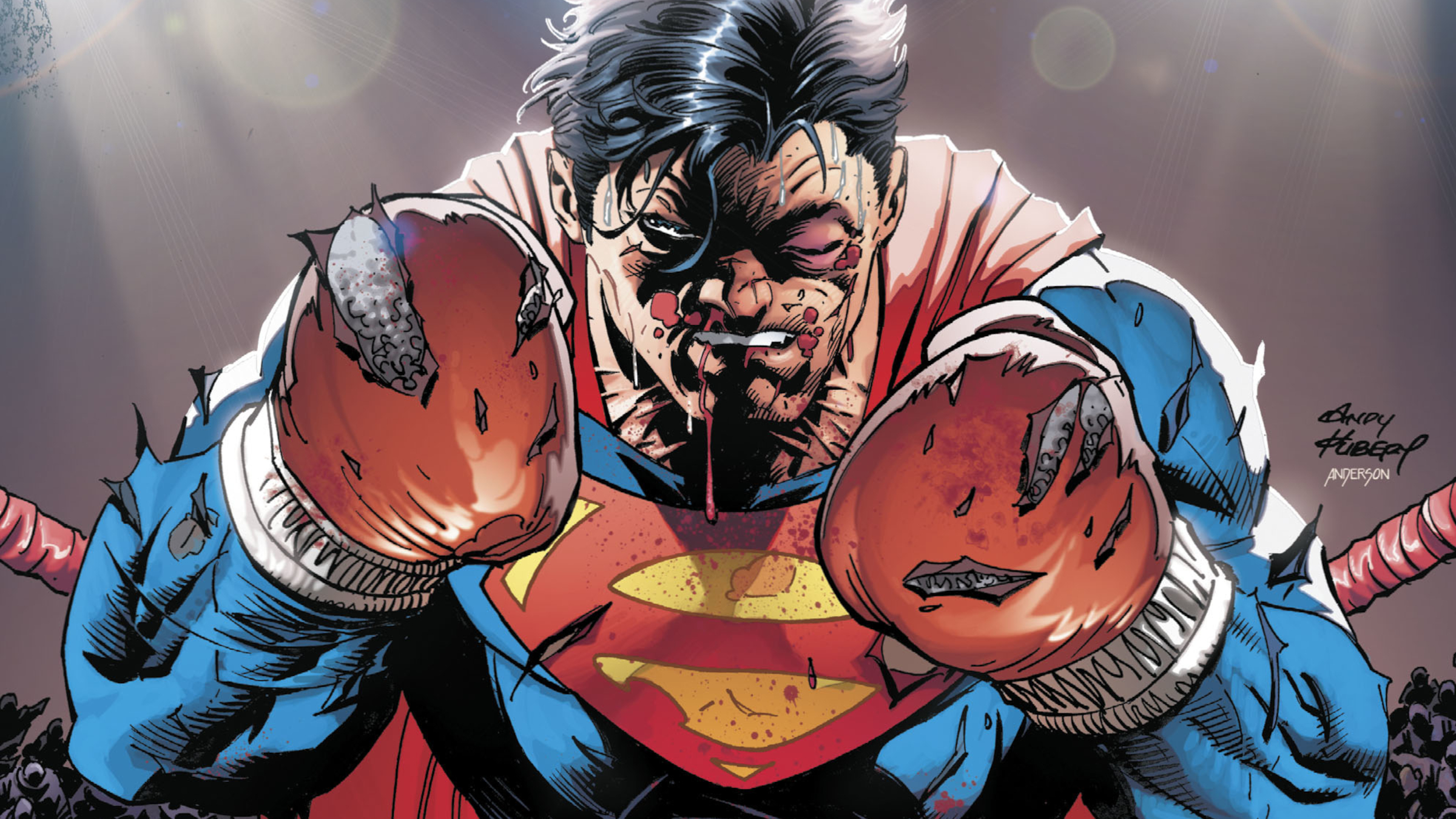
Superman is DC Comics’ original and most important hero. While Batman often drives comic book sales now, Superman remains the iconic figure who paved the way for all the others. Over time, how people view Superman has shifted. He was once the defining hero of the comic book world – the wholesome, morally upright character many grew up with. However, as comics evolved, Superman hasn’t always kept pace. This wasn’t inevitable, though; DC hasn’t always handled its first superhero in the best way.
Superman has been featured in many great comics over the years, but some storylines, concepts, and periods weren’t successful. These choices actually hindered the character’s popularity and slowed down the comic’s success. These seven errors continue to be problematic for the Superman comics, representing detours that ultimately damaged the series.
7) “Death of Superman”

While many fans love “Death of Superman,” it unfortunately started a trend of dramatic, attention-grabbing changes to the character just to boost comic sales. The story was a huge hit, leading DC to believe that shocking twists were the key to success – changes big enough to even make the news. This strategy worked at first, but over time, it became less effective, all because of the initial success of that single story.
6) Superman’s Energy Powers
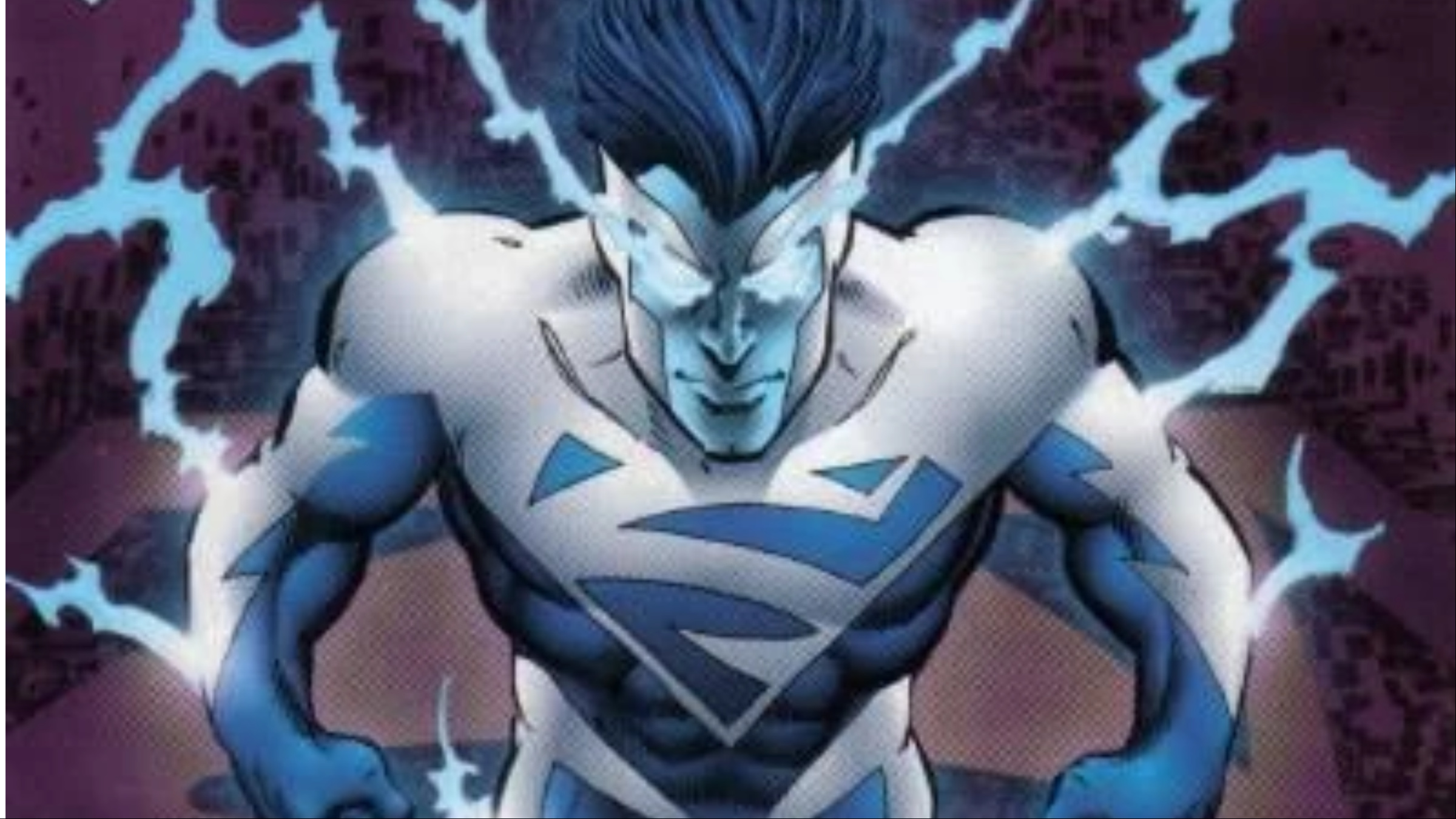
Superman is famous for being incredibly powerful. But in the mid-1990s, DC Comics made a significant change, reimagining him as an energy being with control over electromagnetic forces. While some writers, like Grant Morrison in JLA, explored this new direction well, most didn’t, and many fans disliked the accompanying costume change. The idea had promise, but ultimately, the execution fell short of expectations.
5) The Bendis Superman Run
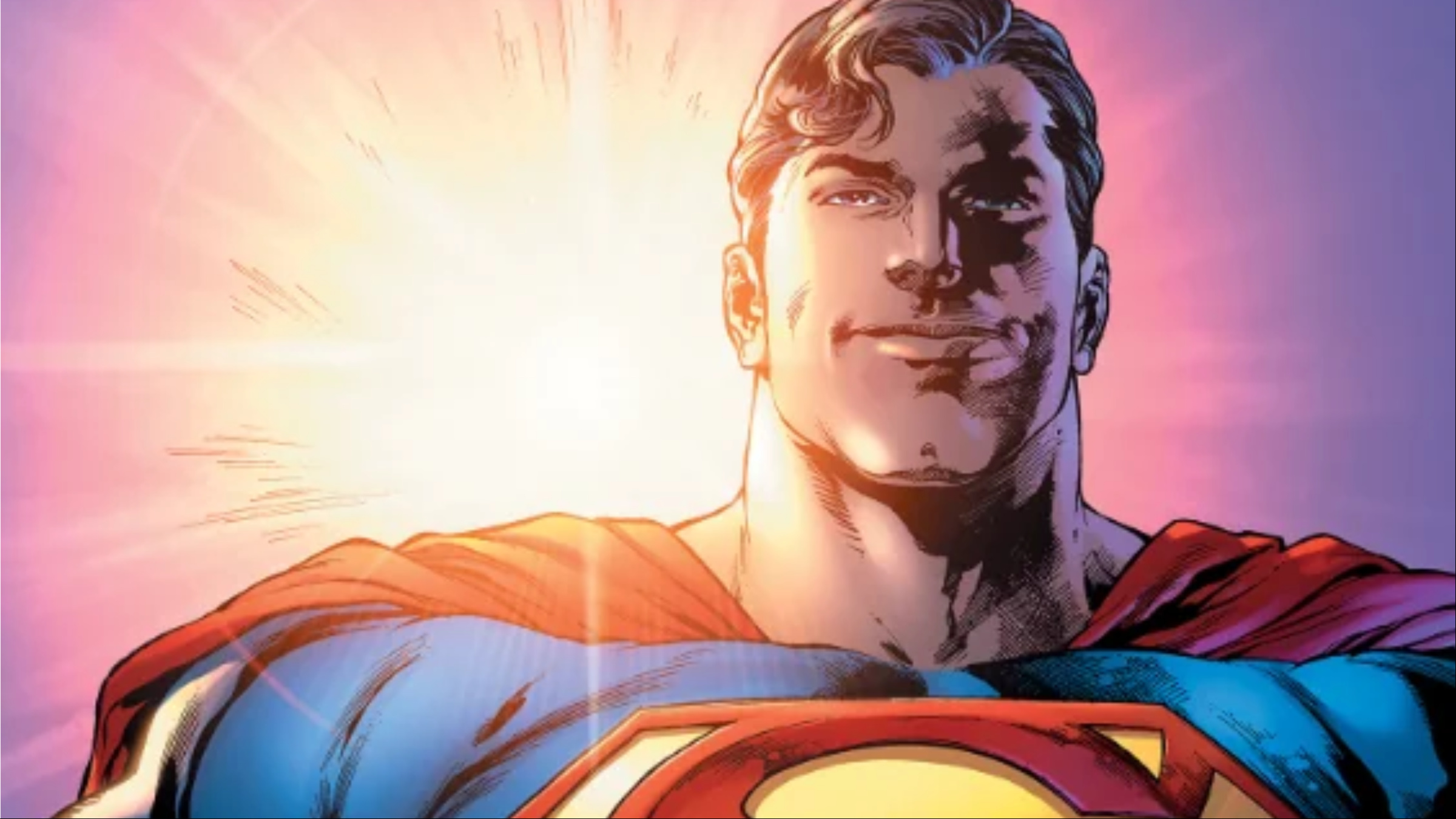
Brian Michael Bendis was a major force in comics during the 2000s, significantly boosting Marvel’s sales. In 2018, he switched to DC, where he was given creative control over the Superman and Action Comics titles. While his work wasn’t as bad as some critics claim, it unfortunately stalled the momentum those books had gained through the DC Rebirth event. Superman’s popularity was on the rise, and Bendis’s run arrived at an inopportune moment, ultimately overshadowing any positive aspects.
4) Superman Red/Superman Blue
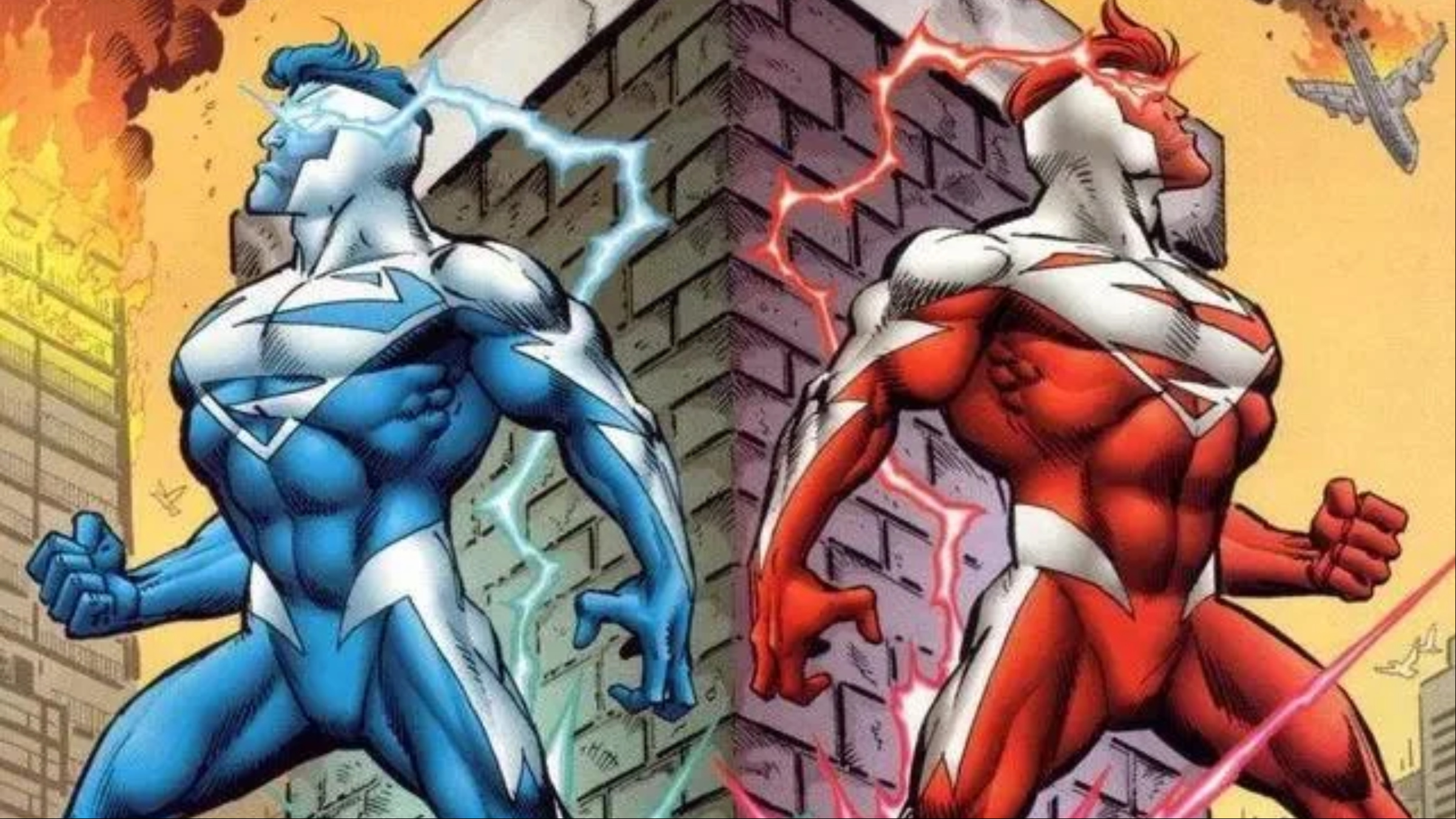
As a Superman fan, I always felt like the whole ‘electric powers’ thing was a bit of a misstep, and it really went downhill with the big storyline in ’98. It felt like a desperate attempt to boost sales – a gimmick, honestly – and it just didn’t land. They based it on an older, often-ridiculed story, and while the idea could have worked as a single issue, stretching it into a whole arc was a mistake. It was the last big push to try and revitalize the Superman books with something new, but it totally backfired. It’s a shame, really, because those electric powers had potential, but this story kind of killed any chance of other writers exploring them properly down the line.
3) New 52 Superman (Besides Grant Morrison)
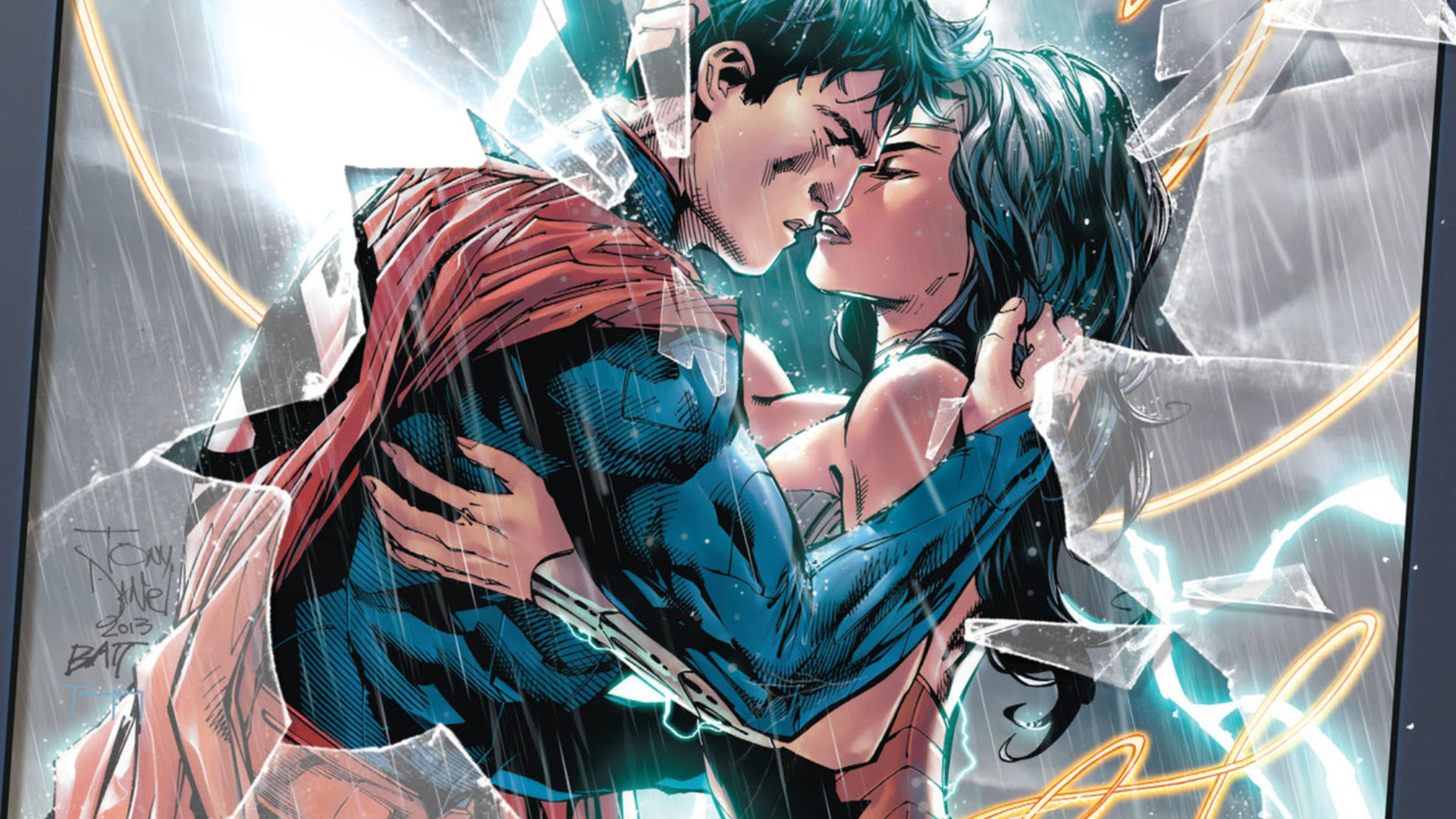
DC’s New 52 reboot is widely considered a failure. While Superman wasn’t the most negatively impacted – characters like Supergirl, Superboy, and the Teen Titans fared much worse – he still faced significant issues. Grant Morrison’s initial work on Action Comics was a clear highlight, but the Superman series (Vol. 2) struggled from the beginning. After Morrison departed, the quality quickly declined. A controversial pairing of Superman and Wonder Woman in Justice League (Vol. 2) was just one example of DC making poor choices with the character over a five-year span. Though a few stories outside of Morrison’s run were decent, most of the content was ultimately disappointing.
2) John Byrne’s Superman Run
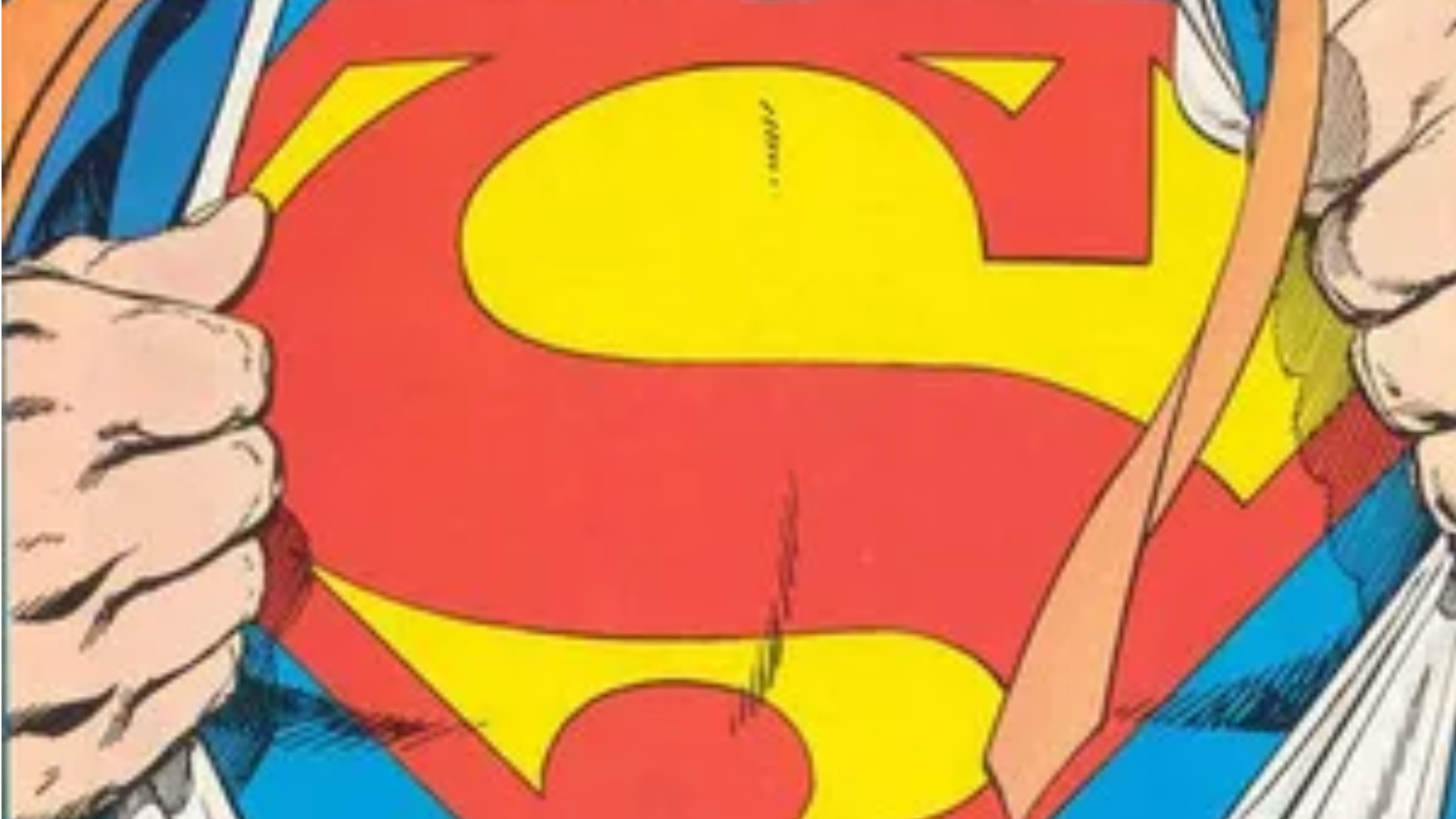
After the Crisis on Infinite Earths event, John Byrne was tasked with updating Superman. He reimagined Krypton as a sterile, science-focused world, eliminated other Kryptonian survivors like Supergirl, and removed Clark Kent’s history as Superboy – meaning he no longer had ties to the Legion of Super-Heroes. Byrne also changed Superman’s origin, having him born after arriving in America, effectively making him a symbol of the Reagan era. While initially popular, many fans later realized how much richer the older Superman stories were. The following decade saw efforts to restore Superman to his preCrisis* roots, and Byrne’s run is now often seen as a misstep.
1) Denying the Superman 2000 Pitch

Grant Morrison and Mark Waid are now considered two of the best writers to ever tackle Superman, but DC Comics once turned down their ideas for the character. In 1999, they, along with Mark Millar and Tom Peyer Jr., proposed a storyline called “Superman 2000.” It involved Brainiac attacking, followed by Mr. Mxyzptlk erasing Superman’s identity from everyone’s memory – even Lois Lane would forget their marriage. Superman would then have to start over completely. While ambitious, DC opted for less risky ideas from Jeph Loeb and Joe Kelly. Although Loeb and Kelly did good work, “Superman 2000” had the potential to dramatically reshape the character and the comic book landscape.
Read More
- Review: Final Fantasy Tactics: The Ivalice Chronicles (PS5) – Still the Benchmark for Turn-Based Tactics
- Mark Zuckerberg & Wife Priscilla Chan Make Surprise Debut at Met Gala
- Elon Musk’s Mom Maye Musk Shares Her Parenting Philosophy
- 10 Greatest Manga Endings of All Time
- The WONDERfools ending explained: What happened to the Child of Eternity?
- Miranda Kerr Shares “Quick” Procedure She Got Before Met Gala 2026
- Forza Horizon 6 Car List So Far: Confirmed Highlights, Cover Cars, DLC, and Rewards
- The Witcher 3 Officially Reveals Stunning New Ciri Figure Coming 2026
- Nippon Sangoku Is The Best New Post-Apocalyptic Anime of Spring 2026
- The First 10 Members of the Thunderbolts, Ranked by Power
2026-05-21 16:17