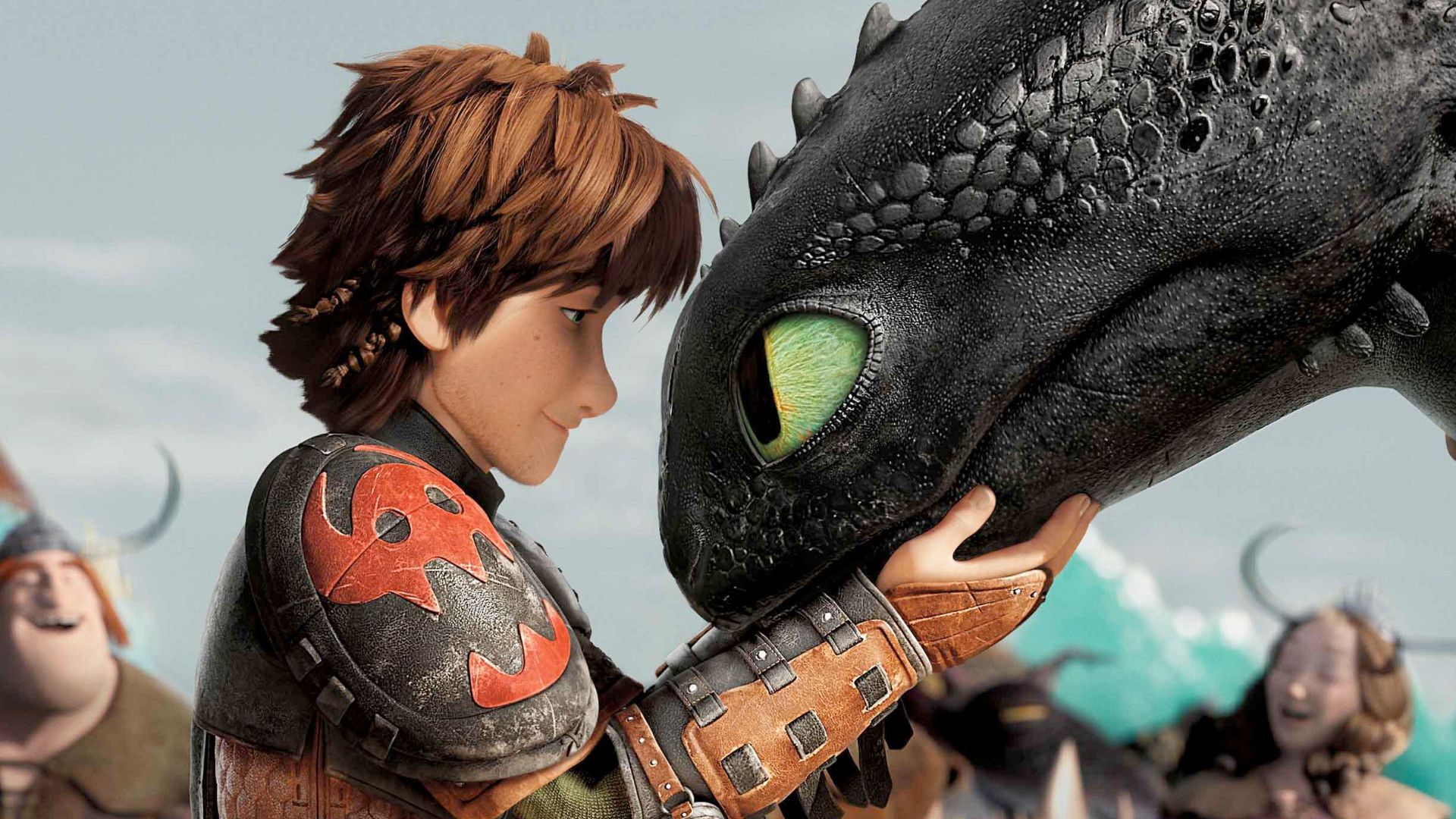
DreamWorks Animation started as a bold competitor to Disney, and over the years, it’s created a remarkable collection of memorable animated characters – heroes, oddballs, and unlikely champions. Though known for its funny moments and famous voices, the studio’s most beloved characters succeed because they feel genuinely relatable, even when they’re animals, dragons, or tricksters.
I’ve always been struck by how DreamWorks manages to create characters that are both incredibly funny and surprisingly poignant. Some of them are just delightful messes, stumbling through situations with pure improvisation, while others deliver genuinely moving emotional journeys – way beyond what you’d anticipate in a family film. What really sets them apart, though, is their willingness to be flawed. These aren’t perfect heroes; they’re selfish, awkward, insecure, and often completely overwhelmed, and that’s exactly what makes them so relatable and lovable.
This technique allowed films like Shrek, How to Train Your Dragon, and Chicken Run to build lasting fan bases long after they first came out. DreamWorks consistently creates memorable characters by giving them very distinct personalities. These personalities drive the humor, heartfelt scenes, and over-the-top action in their movies, which is why audiences continue to enjoy them.
Tulio And Miguel — The Road To El Dorado (2000)
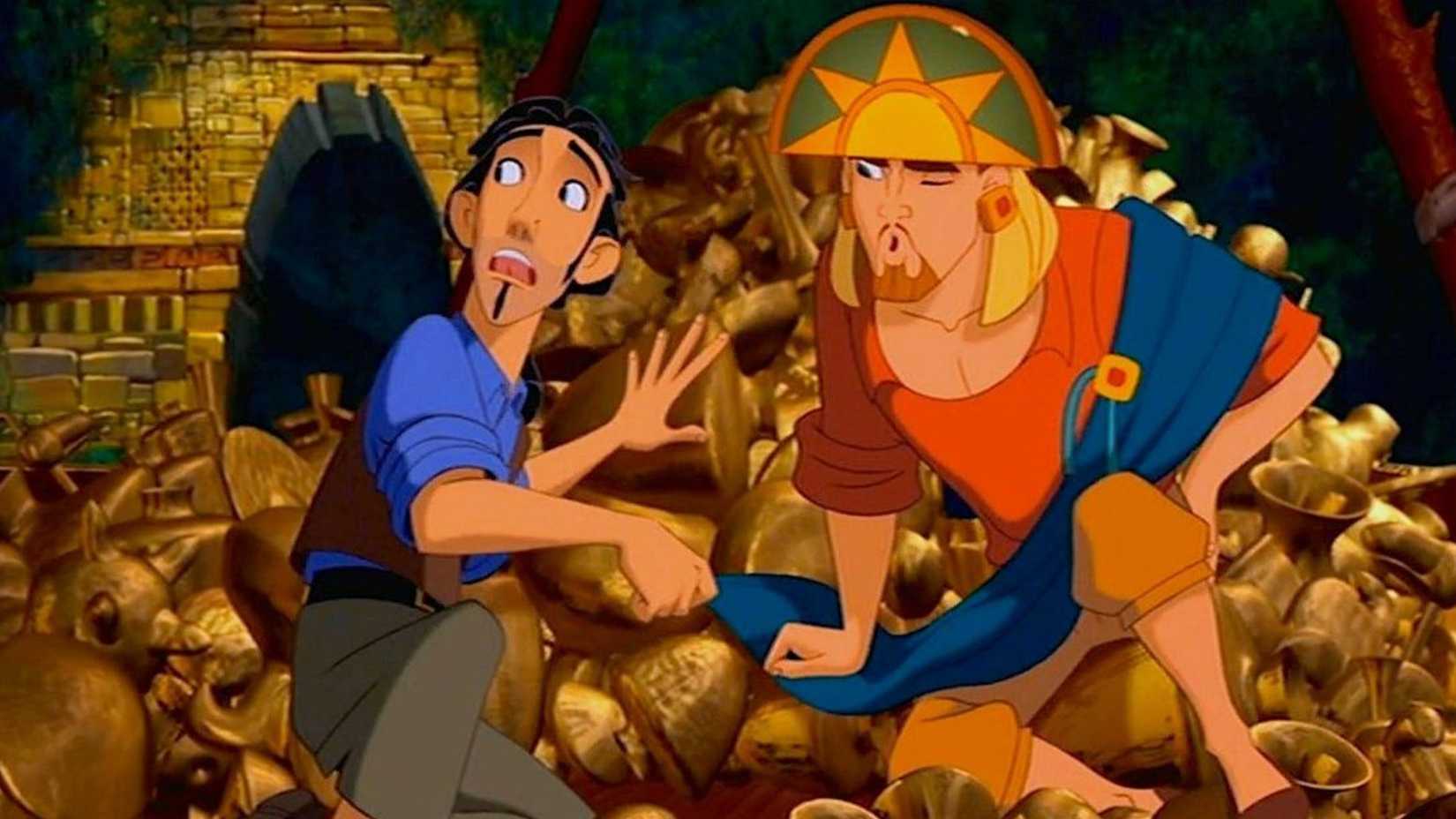
DreamWorks Animation pulled off something remarkable with the characters Tulio and Miguel in The Road to El Dorado: they made two flawed and often reckless guys incredibly likable throughout the entire movie. Tulio and Miguel mostly act on impulse, and their plans usually go wrong, but their fantastic connection and how well they complement each other make them truly unforgettable.
Tulio is a worrier who always expects the worst, while Miguel is a carefree optimist who acts without thinking. The humor in The Road to El Dorado—especially in scenes like when they pretend to be gods or during the wild ball game—comes from how constantly they clash and hilariously mess up each other’s plans.
Despite all the playful teasing and deception, there’s a real bond of affection between these characters. The emotional impact of their fight near the end of El Dorado is so strong because viewers truly feel their friendship is more important than any treasure.
Ginger – Chicken Run (2000)
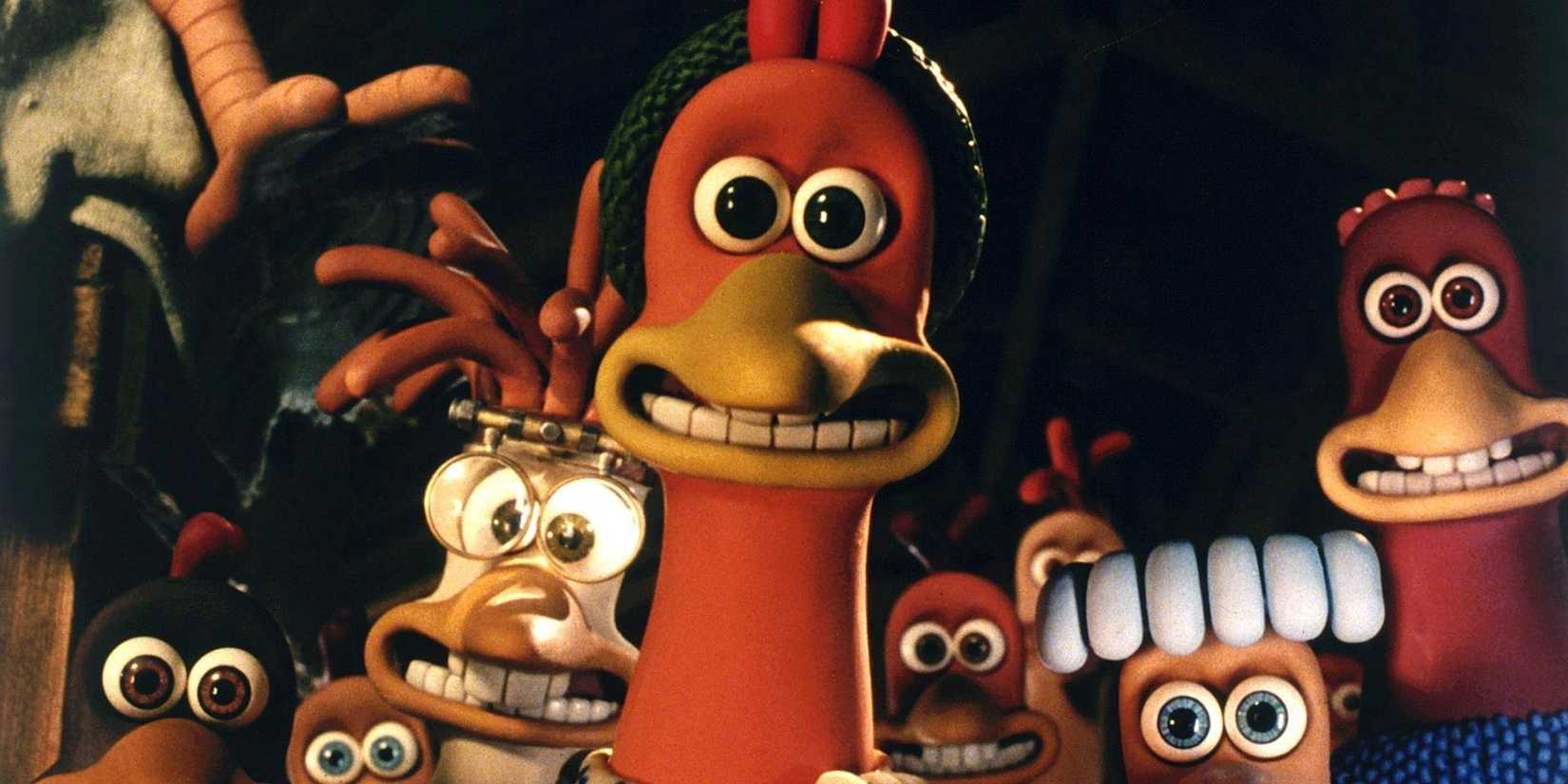
I think Ginger from Chicken Run is one of Dreamworks and Aardman’s greatest creations. A huge part of why I love her is Julie Sawalha’s amazing voice acting – she really brought Ginger to life and made her someone you genuinely root for. It’s a truly compelling performance!
Unlike many animated heroes who fall into saving the day, Ginger relentlessly plans and executes daring escapes throughout Chicken Run. She approaches it with the dedication of a mastermind running a top-security operation, relying on ingenuity and determination. Importantly, the movie acknowledges that her hope and drive aren’t easy – they require real effort.
Each failed attempt to escape drains her energy and hope, but she refuses to give up because she simply can’t bear the thought of living on Tweedy’s farm. Her dry, unimpressed responses to Rocky’s wild tales are always funny, particularly since she secretly wants to believe him, even when all the evidence says she shouldn’t.
Z – Antz (1998)
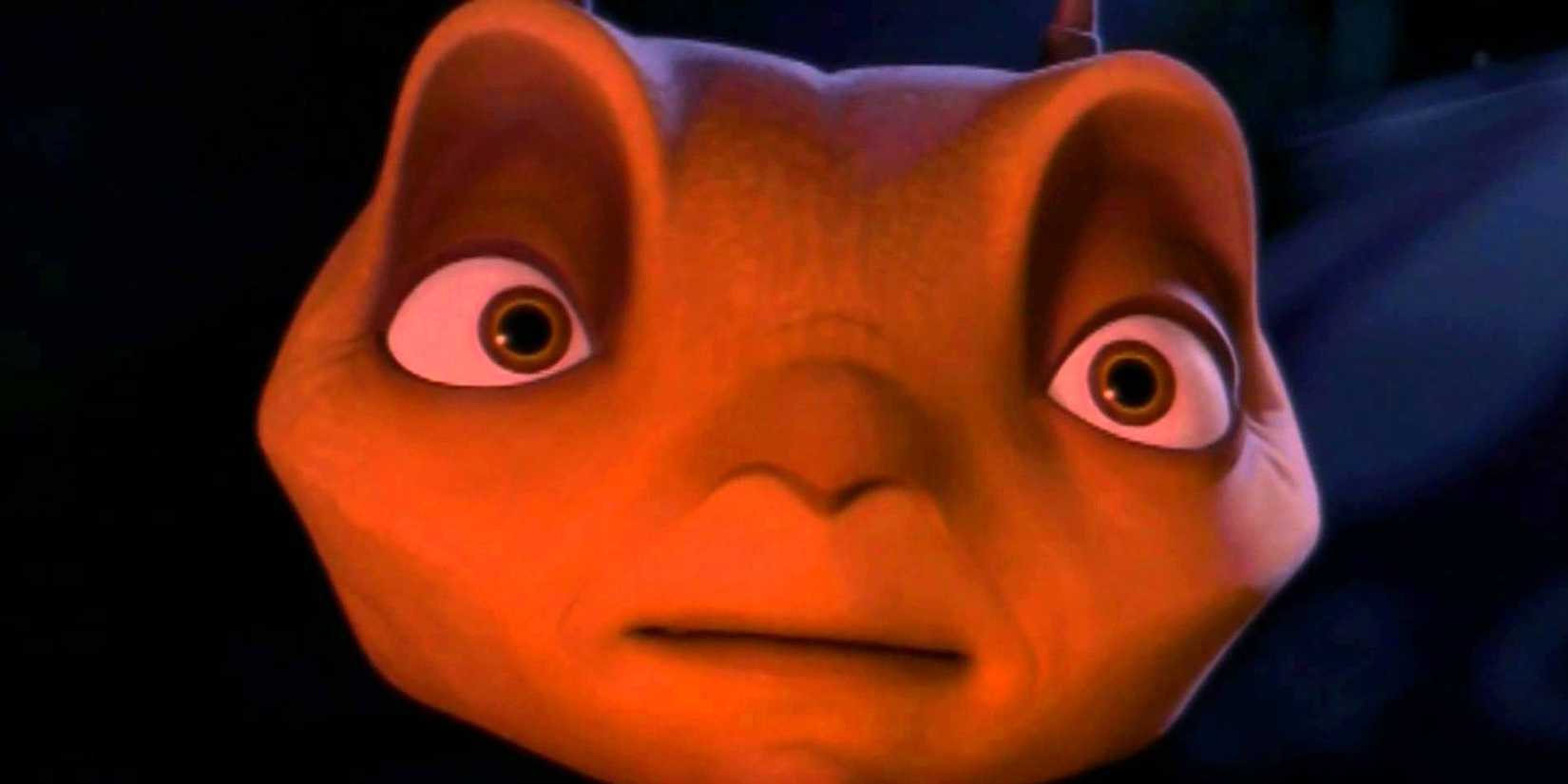
Well before many animated films featured characters questioning their place in the world, the movie Antz introduced Z, an ant having an existential crisis – essentially, a crisis about the meaning of life – while in therapy. Z, voiced with a brilliantly anxious tone, spends the movie worrying about being an individual in a society that prioritizes everyone being the same.
What makes the character truly stand out, beyond the film’s comedic criticism, is how easily we connect with his self-doubt. Zee isn’t a hero – he’s often shown as insecure, weak, and not particularly skilled, and the movie consistently points this out.
What makes Z’s story so enjoyable isn’t that he becomes a perfect hero, but rather that he never does. His clumsy soldier training and awkward attempts to win over Princess Bala are funny because he’s clearly scared in every situation. Despite this, by the end of the story, he manages to make a real difference and completely transforms the colony.
Hiccup – How To Train Your Dragon (2010)
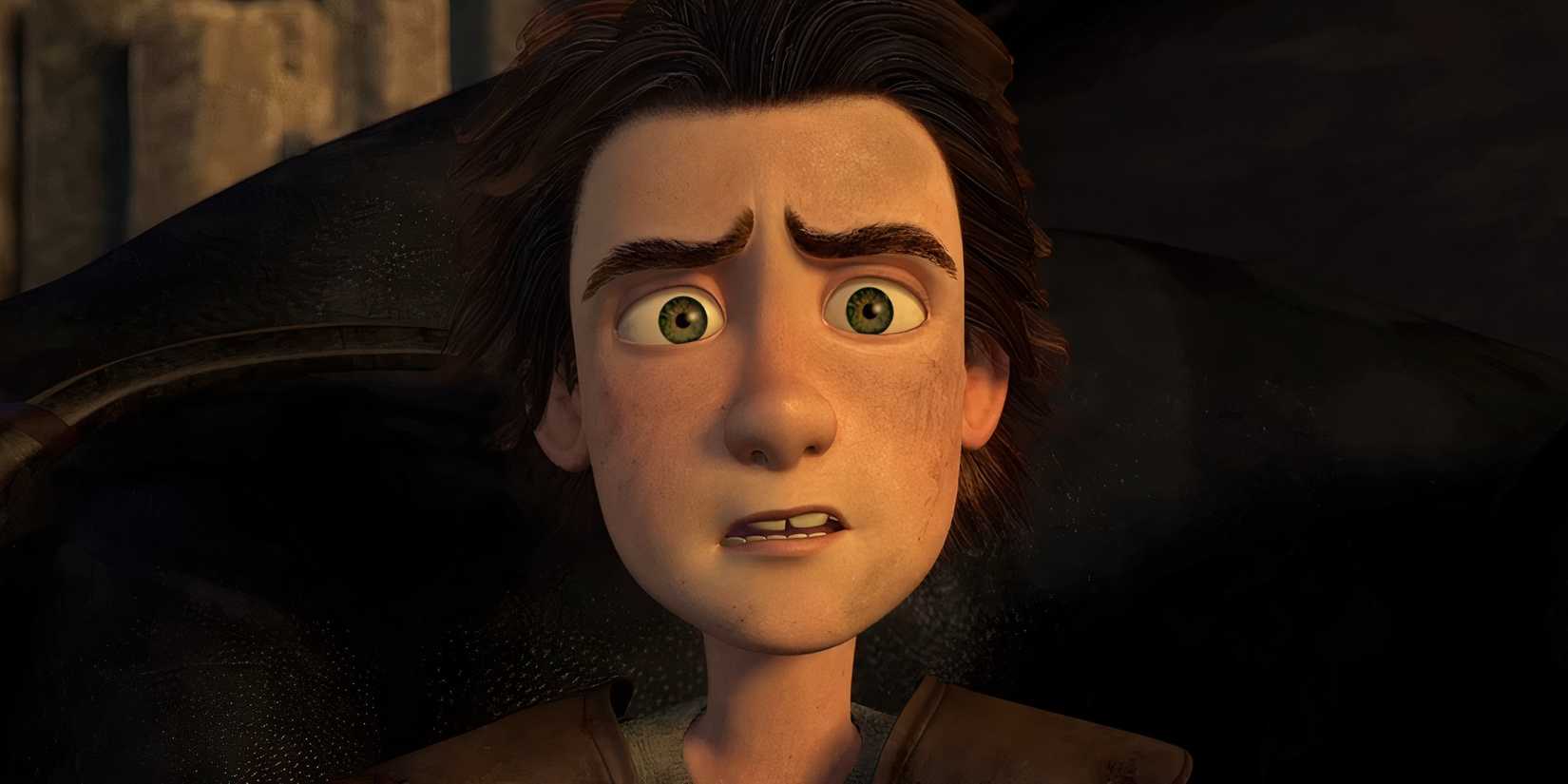
Hiccup Horrendous Haddock III represents a turning point for DreamWorks Animation, showcasing their ability to create heroes with real emotional depth. First appearing in How to Train Your Dragon, Hiccup is a clumsy and awkward Viking who struggles with even the basics of weaponry, making him a refreshing departure from typical heroic characters.
The first time Hiccup tries to touch Toothless is still one of DreamWorks’ most powerful scenes, largely because it relies on emotion rather than words to show their growing connection. Hiccup’s cleverness is also a major source of humor, particularly when his inventions hilariously fail during dragon training.
What truly stands out is the believable tension between Hiccup and Stoick. Hiccup isn’t acting out to get noticed; he genuinely believes he’s found a better way, even though no one else can see it yet.
Megamind – Megamind (2010)
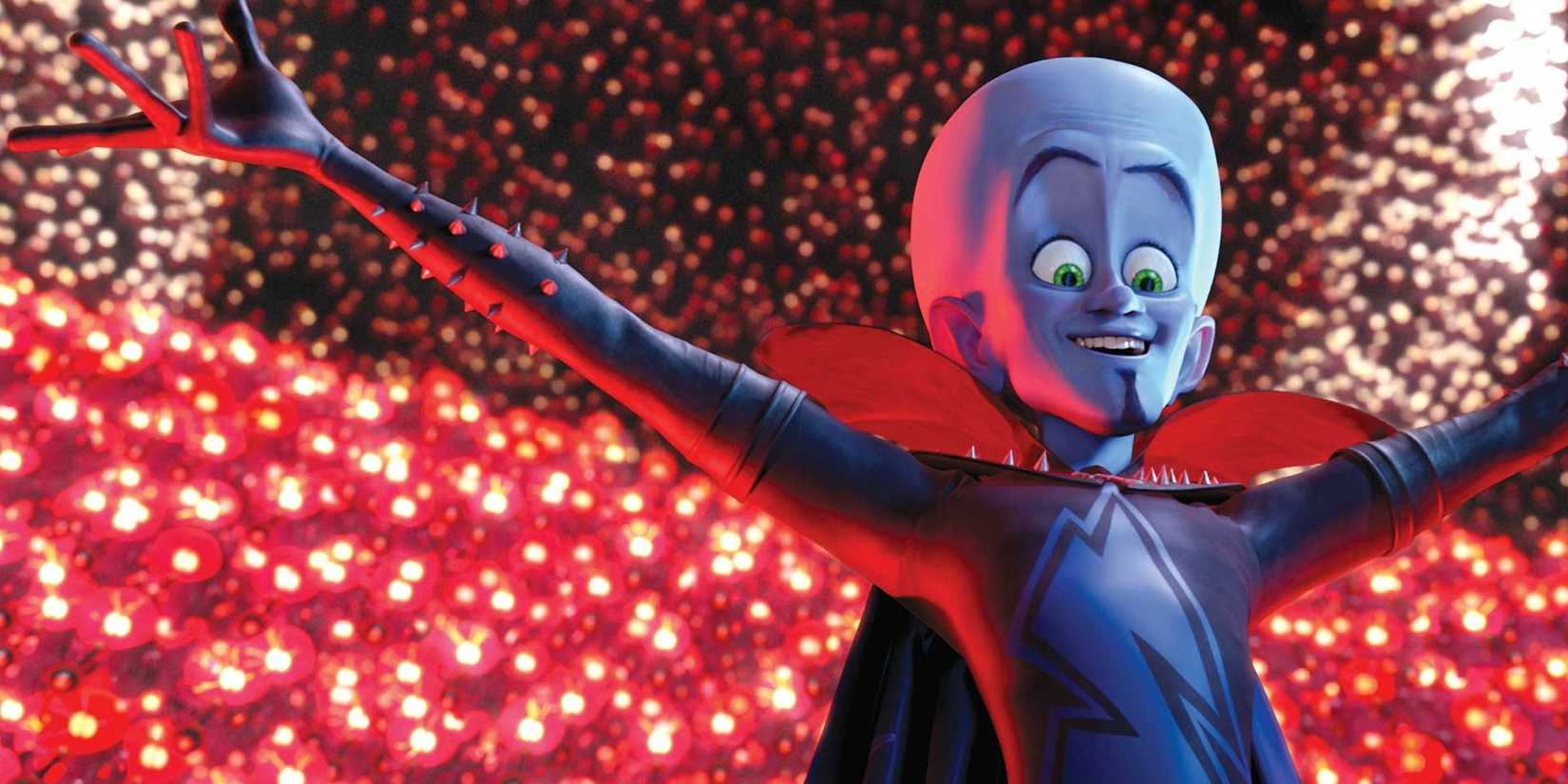
The movie Megamind is so effective because it understands that many villains are essentially dramatic people dealing with personal problems and having too much time on their hands. Megamind himself is captivating – his over-the-top speeches and even his mispronunciation of simple words like ‘school’ make him a scene-stealer thanks to his unique personality.
Okay, so the character really shines when the film flips the script and explores what happens after the bad guy seems to succeed. I honestly didn’t expect how funny – and surprisingly heartbreaking – his reaction to Metro Man’s ‘death’ would be. It’s a genuinely poignant moment, realizing that being the villain was the only thing that ever gave him meaning. It adds a real layer to the story, and it’s a performance I won’t soon forget.
What really works in this movie is watching Megamind discover he actually likes being a good guy more than being a villain. It’s a surprisingly heartwarming arc. And thankfully, his relationship with Roxanne feels earned – it grows from genuinely clumsy moments and honesty, not some instant, unbelievable change of heart. It’s a nice touch that makes the whole thing feel more real.
The Penguin Commandos – Madagascar (2005)
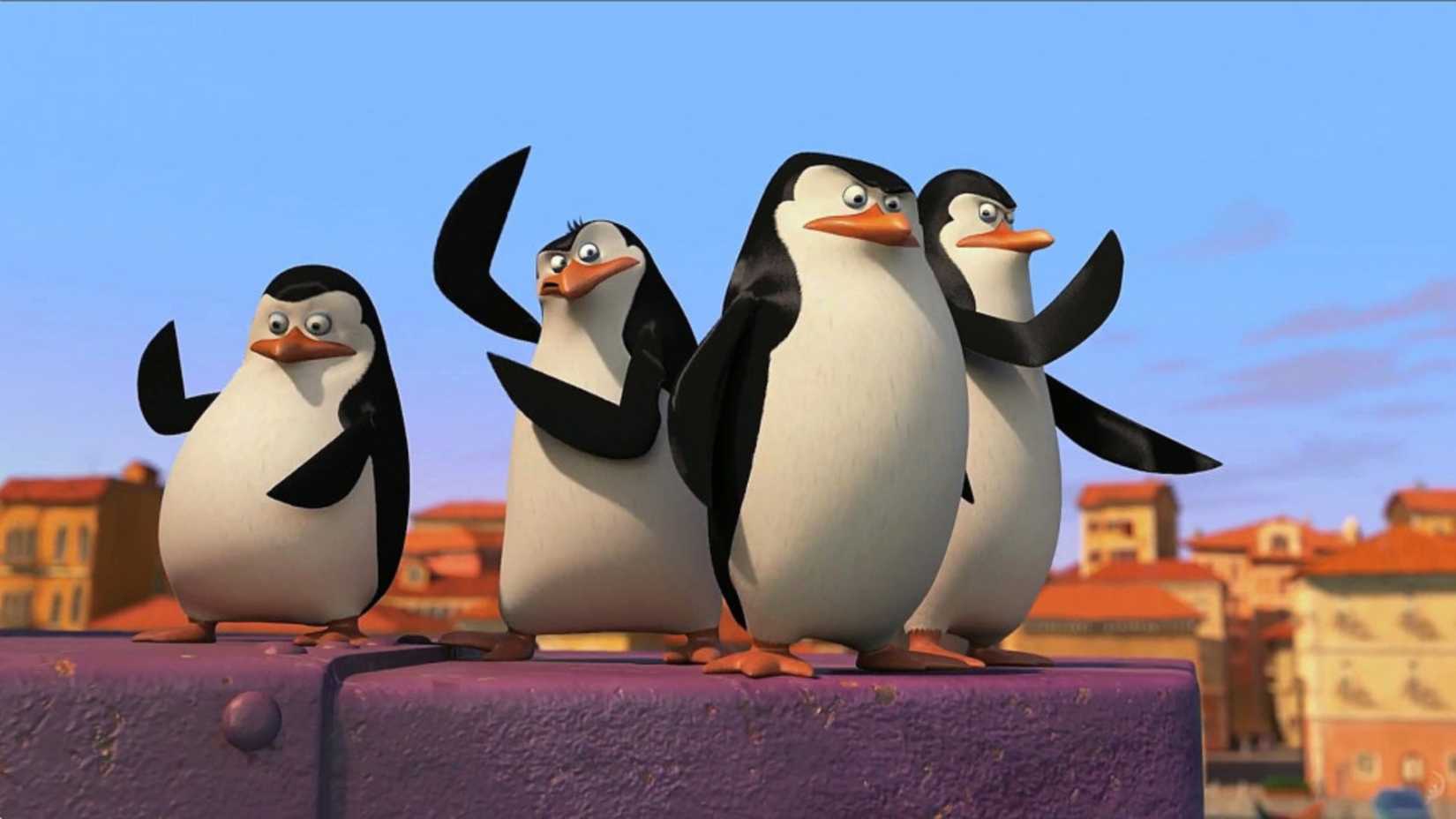
The penguins in Madagascar weren’t originally meant to be a big part of the movie. But their surprisingly detailed military-style plans ended up being the source of most of the humor. Skipper, Kowalski, Rico, and Private are funny because they treat even small problems like top-secret missions, using careful planning and a lot of wild action.
The penguins’ intense and meticulous planning is hilariously juxtaposed with the chaotic and absurd situations they find themselves in, like stealing a fish or escaping in a makeshift submarine. Skipper’s serious commands combined with Rico’s unbelievably creative gadgets always manage to be funny, even after repeated viewings.
The penguins are memorable not just because they’re funny, but because each one has a distinct personality within the group. Kowalski is a constant overthinker, Private is always anxious, and Rico seems completely unhinged. The movie Madagascar smartly doesn’t overuse them, because whenever they appear, they immediately steal the show in a delightful way.
Toothless – How To Train Your Dragon (2010)
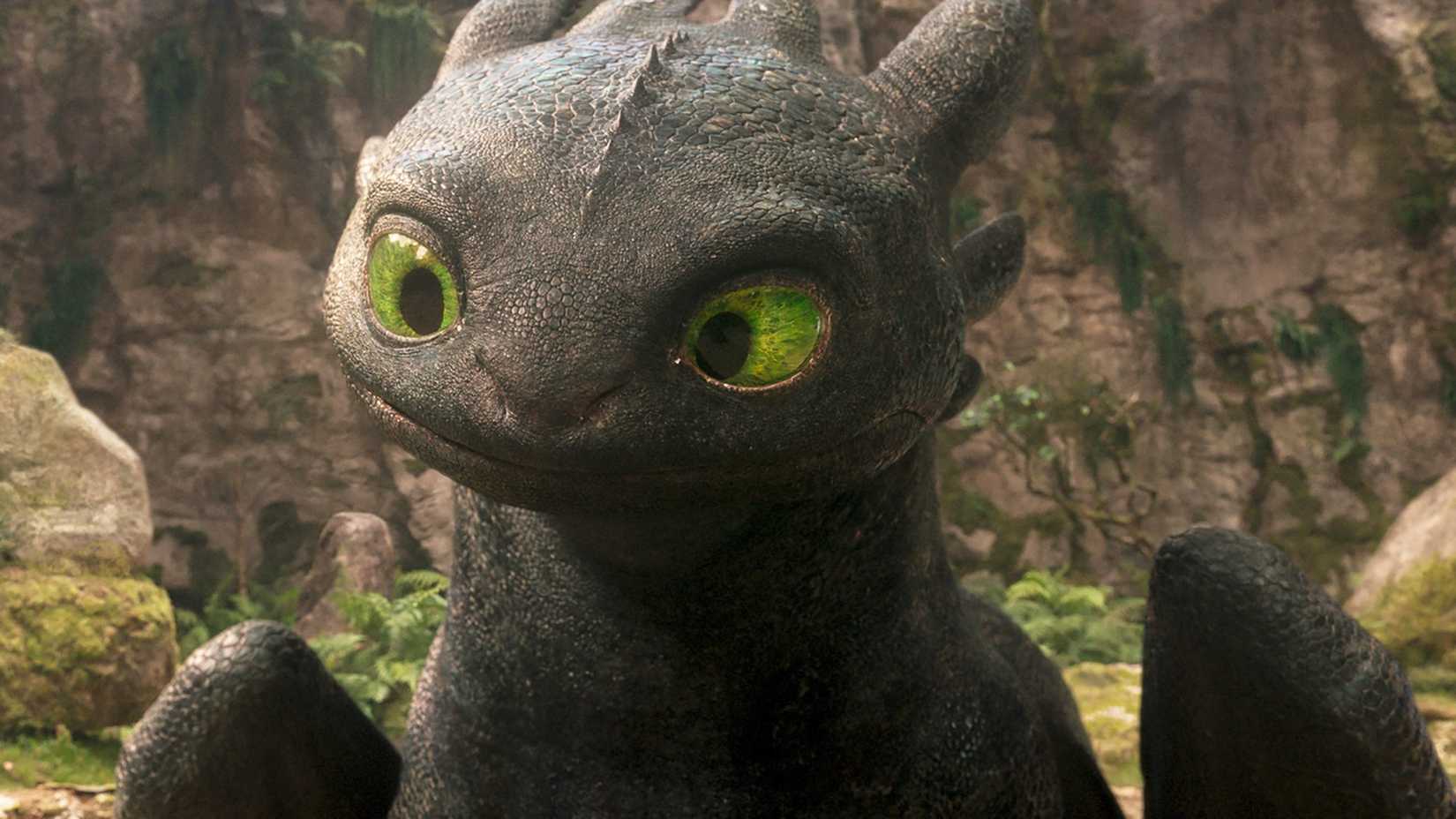
Toothless, from How to Train Your Dragon, is a fantastic example of a character who shows personality without speaking. He mostly communicates through his actions, facial expressions, and how he behaves, and viewers immediately understand his thoughts and feelings.
He’s a fascinating mix of fierce and playful – one moment a scary hunter, the next a happy, energetic creature. This contrast is what makes him so memorable. Moments like Toothless trying to smile or playfully drawing in the sand create a strong emotional connection with the audience, all without needing a lot of explanation.
The connection between Hiccup and Toothless feels genuine because the movie takes the time to build their trust step-by-step. By the time they share their first flight, Toothless isn’t just a helper or a pet – he’s a complete, well-developed character that viewers immediately want to root for and keep safe.
Puss In Boots – Shrek 2 (2004)

Let me tell you, bringing a new character into a popular franchise is always a risk. But what happened with Puss in Boots in Shrek 2? It was magic. Seriously, audiences instantly fell in love and started clamoring for his own movies – and rightfully so! Antonio Banderas absolutely kills it as this little orange swordsman. He’s got this wonderfully over-the-top, dramatic flair, and just owns every scene like he’s personally scoring it with a flamenco guitar, channeling his inner Zorro. It was a stroke of genius.
Honestly, what I love most about Puss is how wonderfully dramatic he is! He goes all-in on everything. Whether he’s making a big entrance, coughing up a hairball right in the middle of a battle, or using that ridiculously cute, wide-eyed look to get what he wants, he truly commits to the moment. It’s amazing to watch!
The character is compelling because, despite his initial arrogance and showiness, he truly develops a loyalty to Shrek. The contrast between his confident, action-hero persona and his silly, cat-like tendencies is consistently humorous.
Po – Kung Fu Panda (2008)

Po, the main character in Kung Fu Panda, is successful because the film respects his passion for kung fu. He starts as a very enthusiastic fan who knows all about famous warriors, but he’s also quite clumsy and out of shape.
The movie wisely shows that drive and excitement are just as important as innate ability. It’s consistently funny to watch Po try to train with the Furious Five, because he tackles each incredibly difficult challenge with a confidence he clearly hasn’t earned.
Po’s bond with Shifu truly deepens when Shifu accepts that Po won’t become a typical kung fu fighter. The iconic training scene with the peach buns is brilliantly funny because it cleverly turns Po’s biggest flaw into his greatest asset.
Shrek – Shrek (2001)
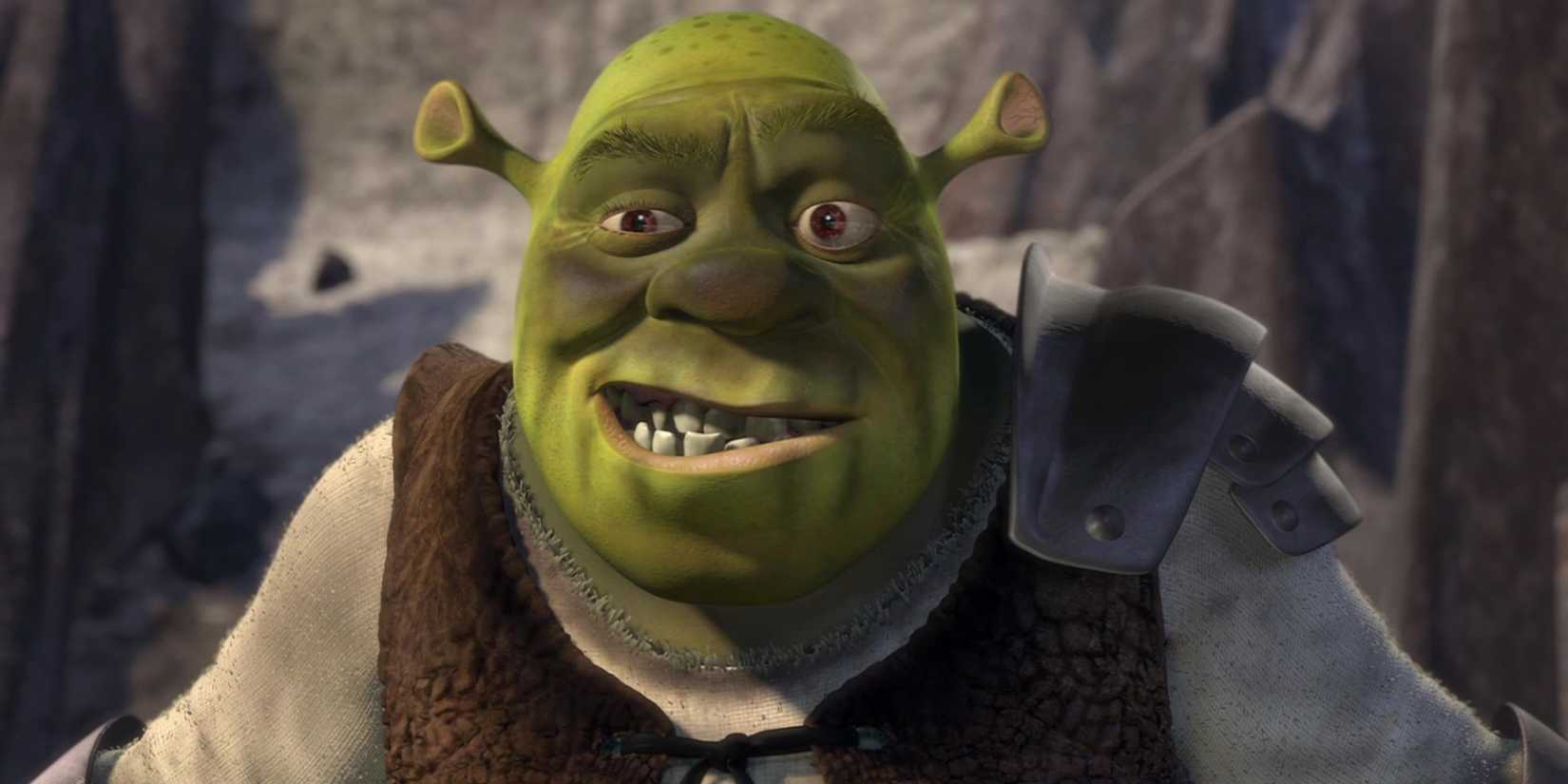
Shrek revolutionized animated films by letting its main character be genuinely unpleasant – grumpy, rude, and wanting to be left alone – without immediately trying to make him likeable. Before Shrek, animated heroes were typically perfect and idealized. Shrek, however, presented an ogre who wasn’t afraid of being dirty and actively preferred solitude.
Despite its humor and playful jabs, Shrek reveals a surprisingly sensitive side through the character’s fear of being judged. The scene where Shrek explains his loneliness to Donkey is particularly powerful, effectively conveying years of isolation in just a few lines, and remains a standout moment for DreamWorks Animation.
The movie cleverly uses Shrek’s frustration for comedic effect. It’s consistently funny to watch him get increasingly annoyed with Donkey’s constant talking, largely because viewers can relate to both characters’ perspectives. Shrek is widely considered the most memorable and beloved character Dreamworks has ever made.
Read More
- Review: Final Fantasy Tactics: The Ivalice Chronicles (PS5) – Still the Benchmark for Turn-Based Tactics
- Mark Zuckerberg & Wife Priscilla Chan Make Surprise Debut at Met Gala
- Elon Musk’s Mom Maye Musk Shares Her Parenting Philosophy
- 10 Greatest Manga Endings of All Time
- The WONDERfools ending explained: What happened to the Child of Eternity?
- Miranda Kerr Shares “Quick” Procedure She Got Before Met Gala 2026
- Forza Horizon 6 Car List So Far: Confirmed Highlights, Cover Cars, DLC, and Rewards
- The Witcher 3 Officially Reveals Stunning New Ciri Figure Coming 2026
- Nippon Sangoku Is The Best New Post-Apocalyptic Anime of Spring 2026
- The First 10 Members of the Thunderbolts, Ranked by Power
2026-05-21 19:13