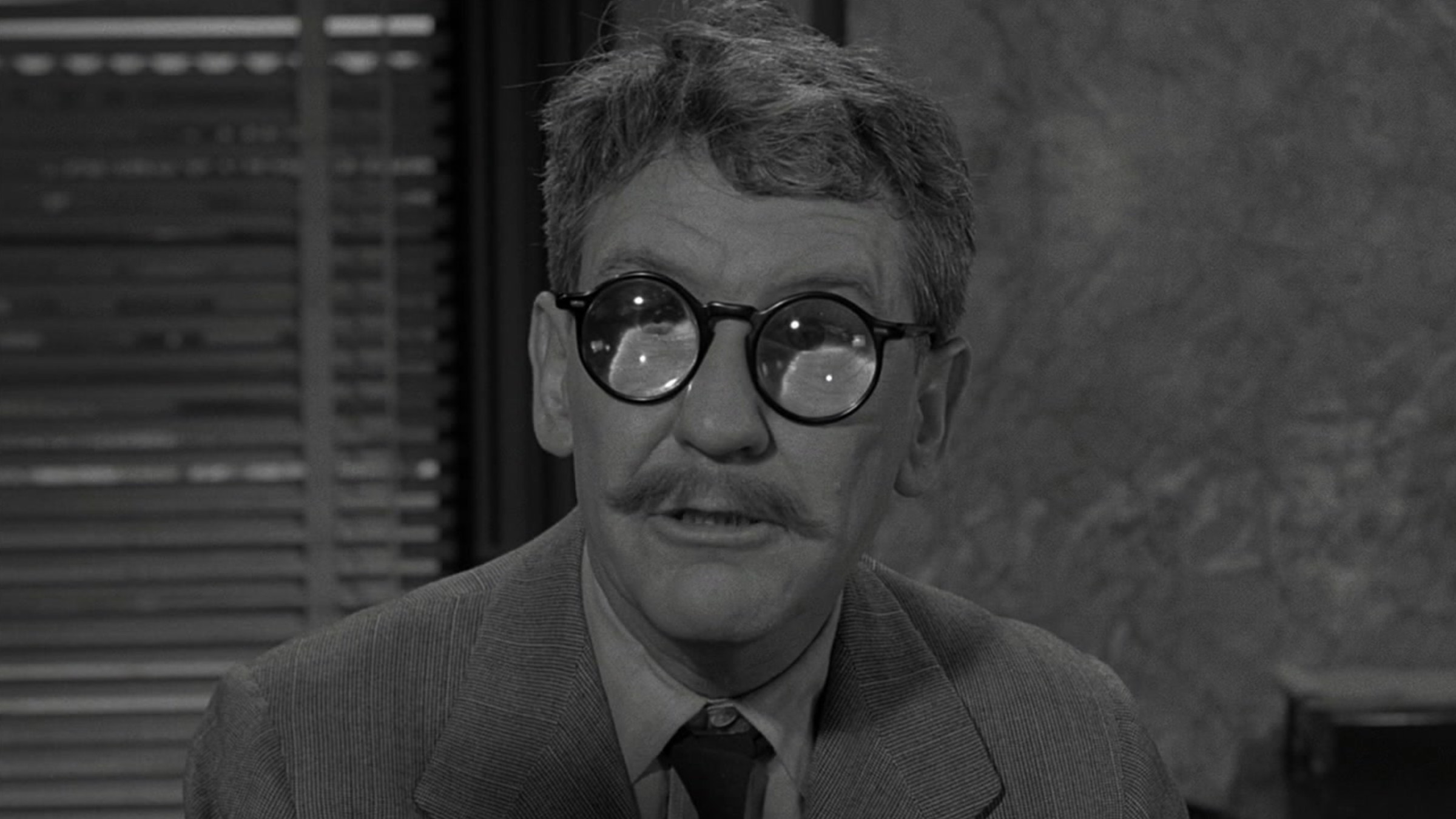
Rod Serling’s The Twilight Zone aired on CBS from 1959 to 1964, creating 156 episodes that blended science fiction, horror, and fantasy with thought-provoking stories about morality and politics—a rare approach for television at the time. Serling was the driving force behind the show, writing 92 of the episodes himself while also serving as creator and narrator, ensuring the series stayed true to its central ideas. While there have been three attempts to revive The Twilight Zone in 1985, 2002, and 2019, none have matched the impact of the original, highlighting Serling’s crucial role in its success.
Even though The Twilight Zone stopped airing over sixty years ago, it’s still incredibly enjoyable to watch today. This is largely because each episode tells a complete, self-contained story. Unlike many modern TV shows that require you to follow a complex storyline, you can jump into any Twilight Zone episode and immediately enjoy it, whether you’re a new viewer or a longtime fan. It’s a landmark series in the history of television, and while some episodes hold up better than others, it remains highly rewatchable.
5) “The Monsters Are Due on Maple Street” (Season 01, Episode 22)
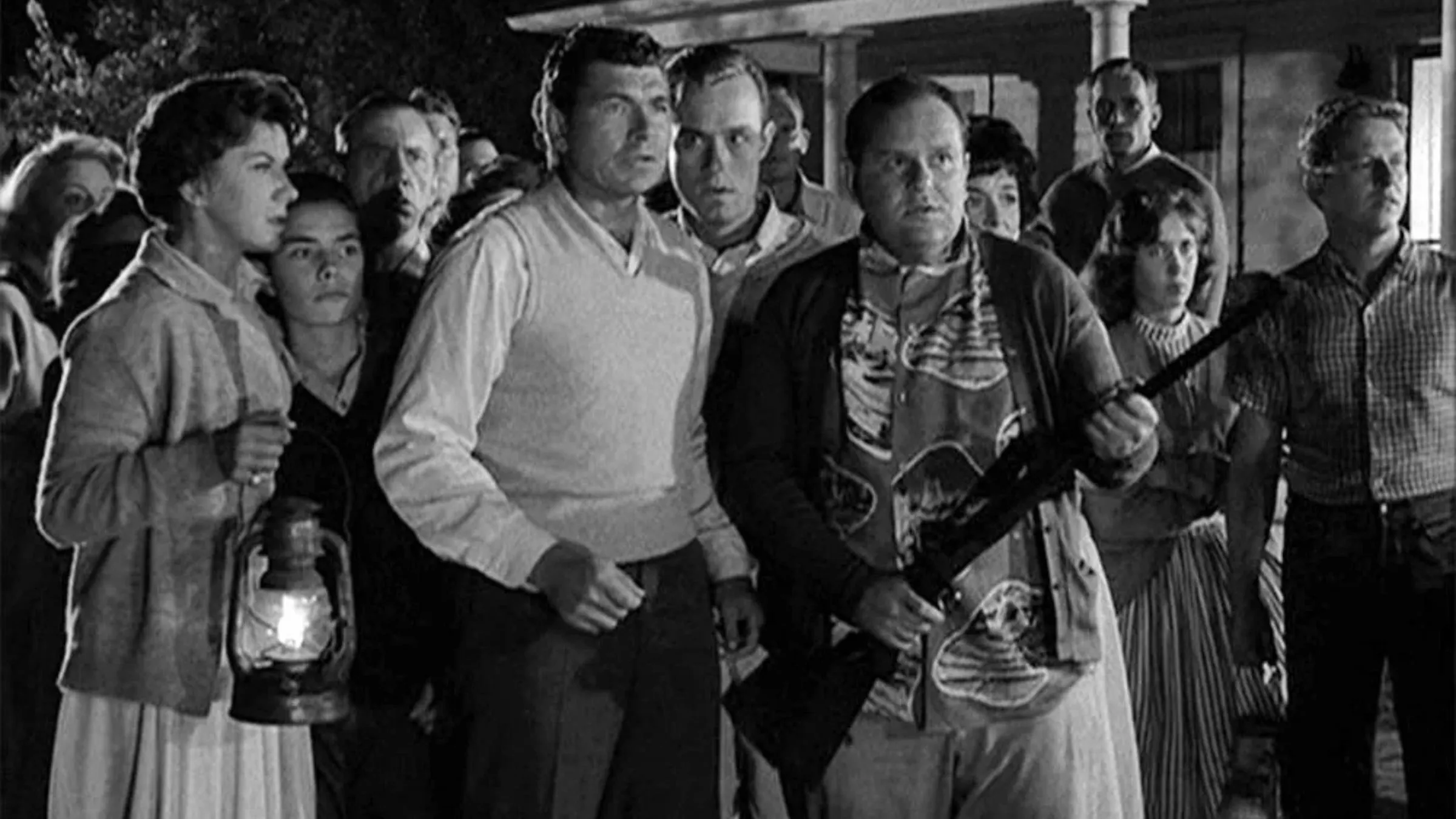
Rod Serling’s “The Monsters Are Due on Maple Street” depicts a quiet neighborhood thrown into chaos after a sudden power outage. What starts as simple curiosity about the cause quickly descends into accusations and violence, fueled by a child’s suggestion that aliens have infiltrated the street. The story’s surprising reveal – that the outage was intentionally caused by aliens to create this breakdown – feels earned because Serling skillfully demonstrates just how easily fear and suspicion can destroy a community’s sense of trust in itself over a single evening.
Once you learn the secret of the episode, it doesn’t lose its impact – in fact, it becomes even more unsettling to watch the neighbors of Maple Street suspect and turn against one another, knowing the aliens hardly intervened at all. Rod Serling’s closing words, about how humanity’s biggest enemy is a fearful and irrational search for someone to blame, still resonate strongly today. The story’s timeless message was even recognized by a 2002 remake of The Twilight Zone, which updated the original’s Cold War fears to reflect post-9/11 anxieties.
4) “Time Enough at Last” (Season 01, Episode 08)
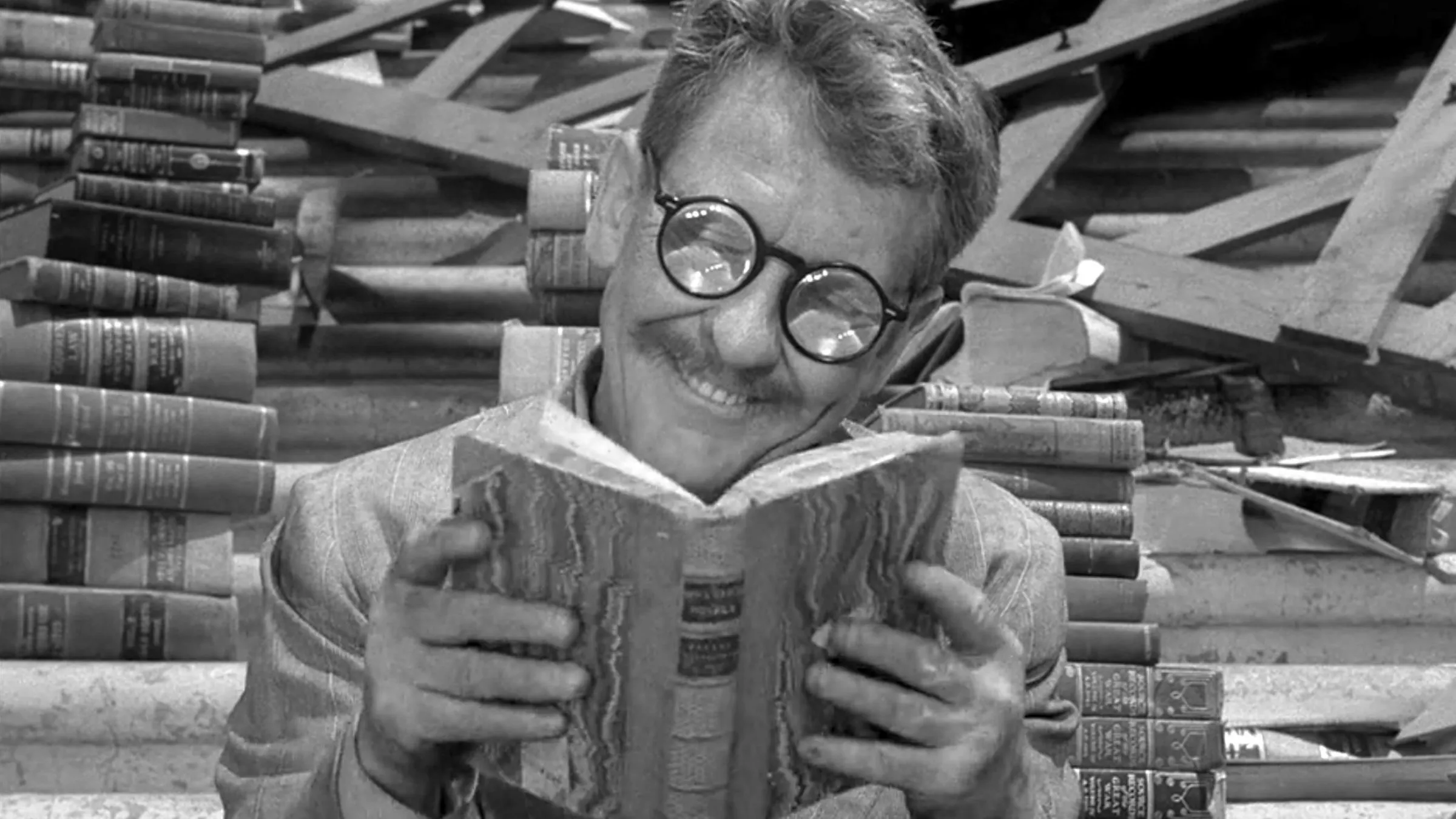
In the classic “Twilight Zone” episode, “Time Enough at Last,” Burgess Meredith plays Henry Bemis, a book-loving bank teller constantly annoyed by those around him – especially his wife, who tears up his books. After a nuclear war leaves him the sole survivor, Bemis finds himself surrounded by all the books he could ever dream of. Sadly, his newfound joy is cut short when his glasses break, creating one of the most famously disappointing endings in television history.
Revisiting “Time Enough at Last” showcases Rod Serling’s skill as a writer, as the story’s pieces come together beautifully. The episode quickly establishes Henry Bemis’s love of reading as the reason he endures the war, and his fragile health—symbolized by his glasses—is a recurring visual motif. In just a short episode, Serling tackles both the dangers of dismissing knowledge and our reliance on technology, all through the story of one man facing a devastating fate.
3) “Eye of the Beholder” (Season 02, Episode 06)
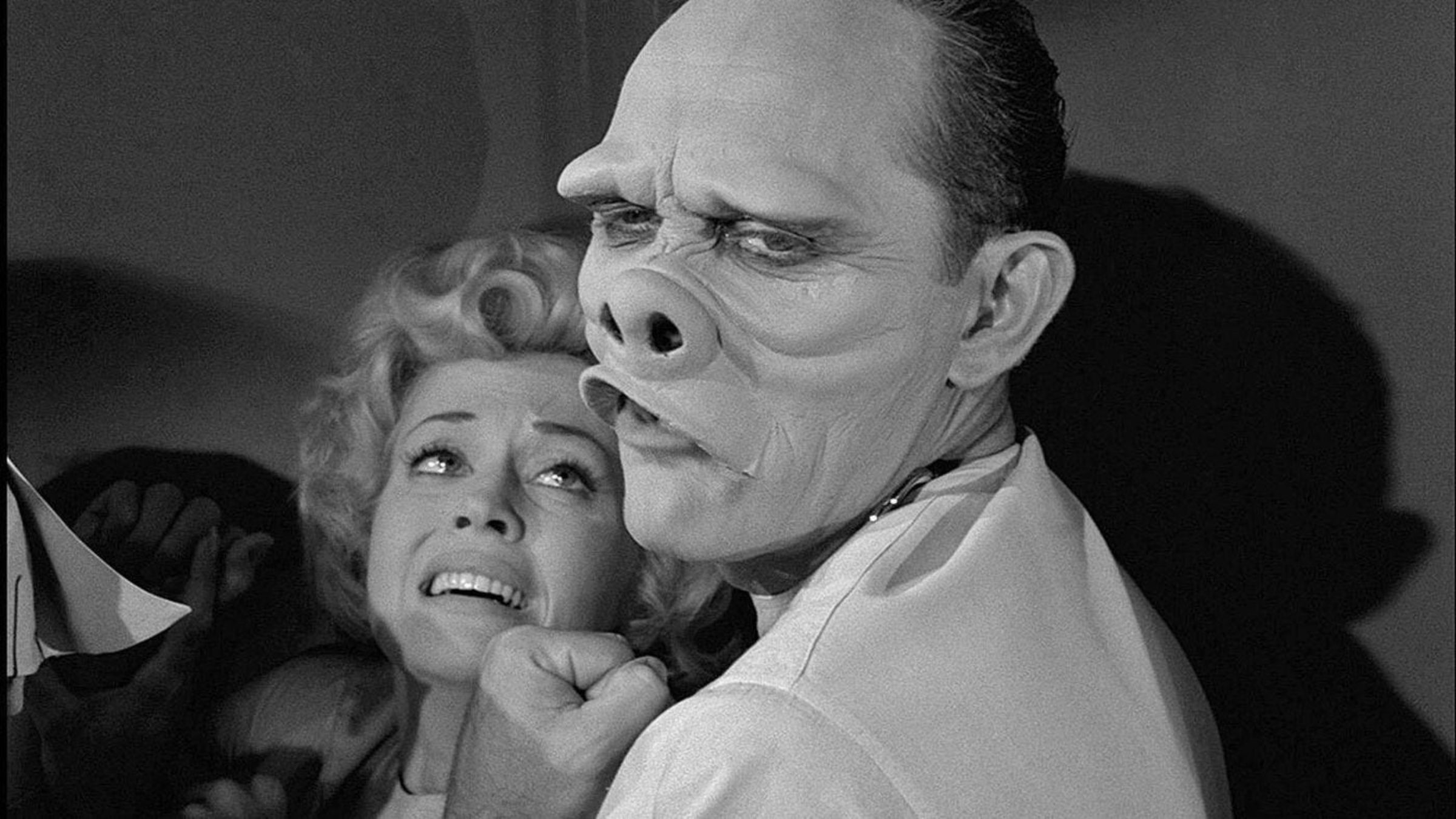
For much of the film “Eye of the Beholder,” the main character, Janet Tyler (played by Maxine Stuart), is hidden from view with shadows and bandages. She’s undergoing her eleventh surgery to fix a perceived flaw that has made her an outsider in a controlling society. The medical staff, whose faces are deliberately kept hidden, treat her with a mix of pity and disgust, reinforcing the intense pressure to fit in – a feeling reflected in the film’s cold, clinical setting. The story takes a surprising turn when Janet’s bandages are removed, revealing a woman who would be considered conventionally attractive by today’s standards. However, we then see that the doctors, the nation’s leader on TV, and everyone else actually have distorted, pig-like faces.
As a lifelong movie and TV fan, I always loved how “Eye of the Beholder” makes you question what ‘ugly’ really means. It’s not about actual deformities, but how anything that doesn’t fit in with what society thinks is normal gets labeled as such. When you rewatch it, it really hits you as a warning about just blindly following the crowd and how silly beauty standards can be. But honestly, what really blows me away is how beautifully crafted it is. Every shot, every angle, every bit of lighting… it’s all designed to mislead you. It’s incredible to go back and see just how carefully they built up the deception in every single frame.
2) “Nightmare at 20,000 Feet” (Season 05, Episode 05)
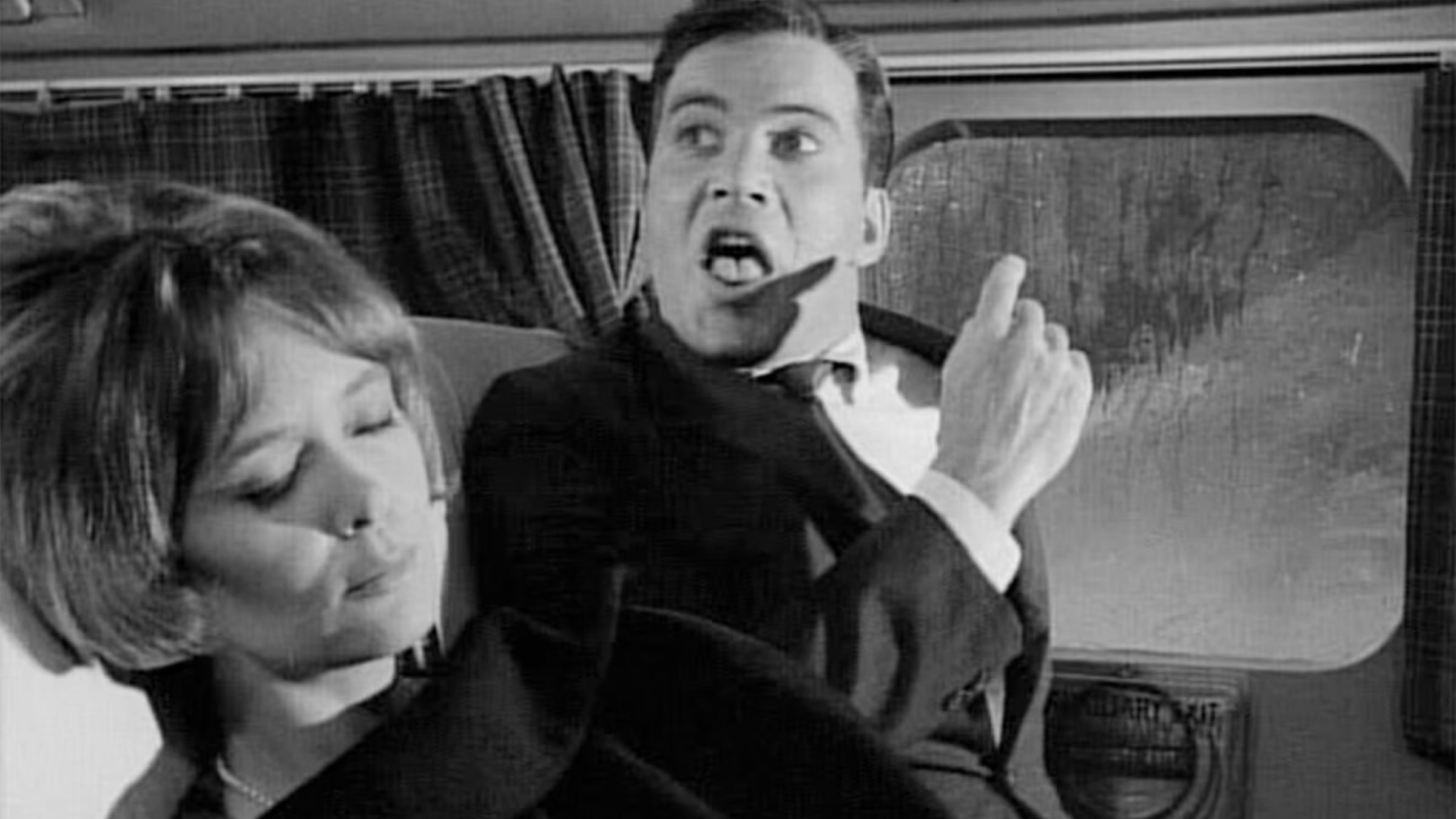
I remember being absolutely gripped watching William Shatner in this Twilight Zone episode. He plays Bob Wilson, a man just released from a sanatorium, and he’s on a plane during a terrible storm. He looks out the window and sees this… creature, a gremlin, messing with the engine. The really unsettling thing is that nobody believes him. The episode is brilliant because it completely puts you in Bob’s shoes; whenever he looks, the gremlin is there, actively damaging the plane. But the moment he tries to show anyone else, it vanishes. It all builds to this intense climax where he grabs a gun, opens the emergency door, and starts shooting into the storm, only to end up being sedated and taken away on a stretcher. But then… the very last shot shows the plane’s wing is actually damaged, proving that what Bob saw wasn’t just in his head. It’s genuinely terrifying!
What makes “Nightmare at 20,000 Feet” still compelling today isn’t the monster itself. The story centers on Wilson, a man aware of his own past and how it affects his perception, and William Shatner brilliantly portrays this inner turmoil, blending real fear with the possibility that he’s imagining things. Director Richard Donner skillfully keeps the creature’s nature unclear until the very end, making repeat viewings a fascinating look at how TV can create uncertainty in the audience. Beyond that, the episode powerfully represents the stigma surrounding mental health – Bob isn’t actually unreliable, but everyone has already assumed he is.
1) “To Serve Man” (Season 03, Episode 24)
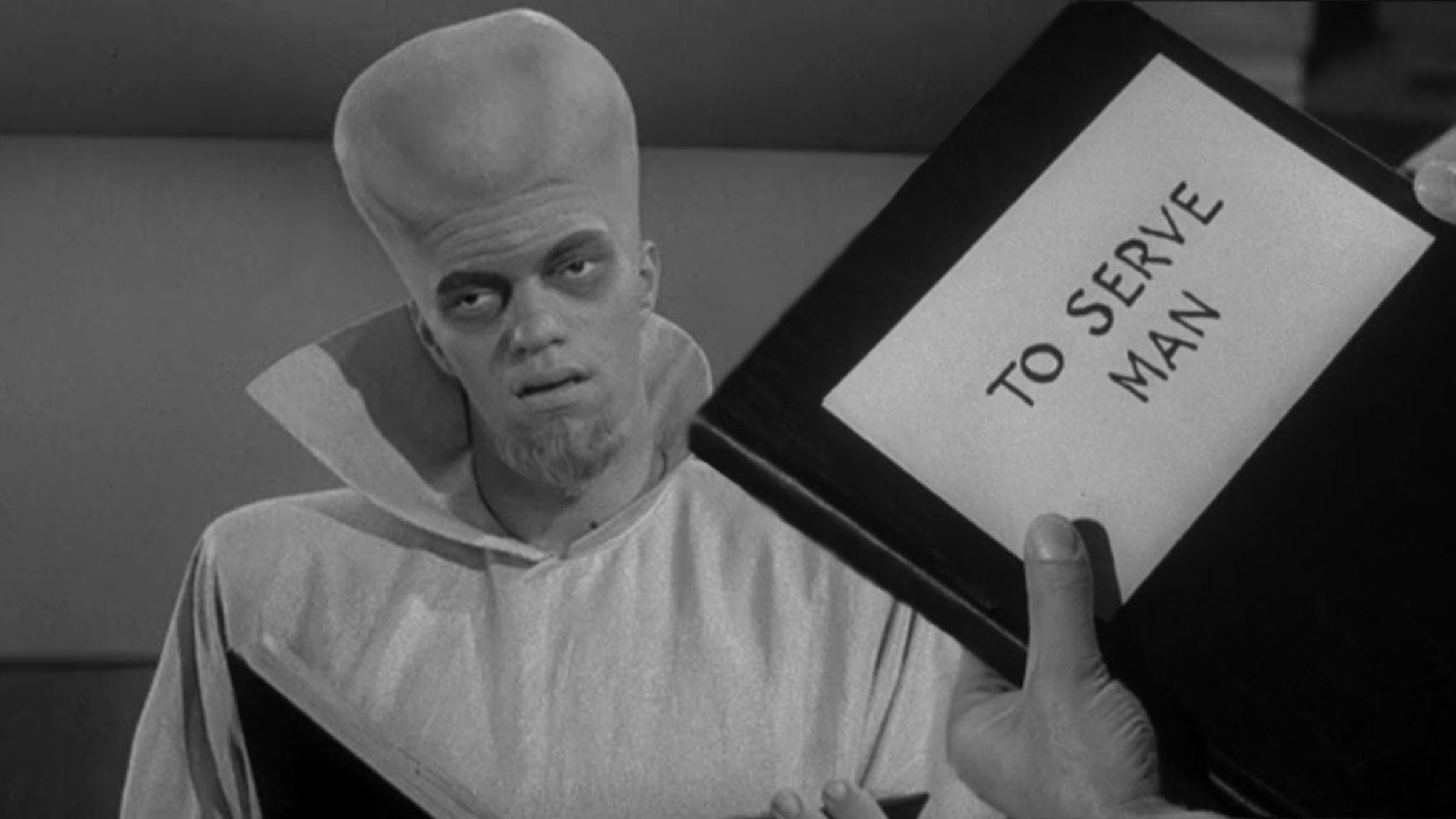
The story of “To Serve Man” centers on the Kanamits, aliens who appear to be helping humanity. They arrive on Earth and quickly solve major problems like world hunger and energy shortages, asking for nothing in return except our confidence. People begin eagerly traveling to their planet. The only hint of trouble comes from an alien book titled “To Serve Man,” which the government desperately tries to translate. Eventually, a codebreaker discovers the shocking truth: it’s a cookbook! This reveal, and the final scene of a spaceship leaving Earth with a horrified passenger realizing his fate, became a legendary moment in television, showcasing Rod Serling’s masterful storytelling.
Revisiting “To Serve Man” highlights how convincingly the Kanamits’ kindness is portrayed. The episode is crafted to make humanity’s willingness to give up control seem logical, until the shocking reveal. It’s also enjoyable to spot the subtle food-related clues that hint at the dark twist to come. The final narration, about how easily trust can be exploited, feels especially relevant now, and the episode’s message about imperialism and the deceptive language of power remains powerfully insightful with time.
Read More
- Review: Final Fantasy Tactics: The Ivalice Chronicles (PS5) – Still the Benchmark for Turn-Based Tactics
- Mark Zuckerberg & Wife Priscilla Chan Make Surprise Debut at Met Gala
- Elon Musk’s Mom Maye Musk Shares Her Parenting Philosophy
- 10 Greatest Manga Endings of All Time
- The WONDERfools ending explained: What happened to the Child of Eternity?
- Miranda Kerr Shares “Quick” Procedure She Got Before Met Gala 2026
- Forza Horizon 6 Car List So Far: Confirmed Highlights, Cover Cars, DLC, and Rewards
- The Witcher 3 Officially Reveals Stunning New Ciri Figure Coming 2026
- Nippon Sangoku Is The Best New Post-Apocalyptic Anime of Spring 2026
- The First 10 Members of the Thunderbolts, Ranked by Power
2026-05-21 21:19