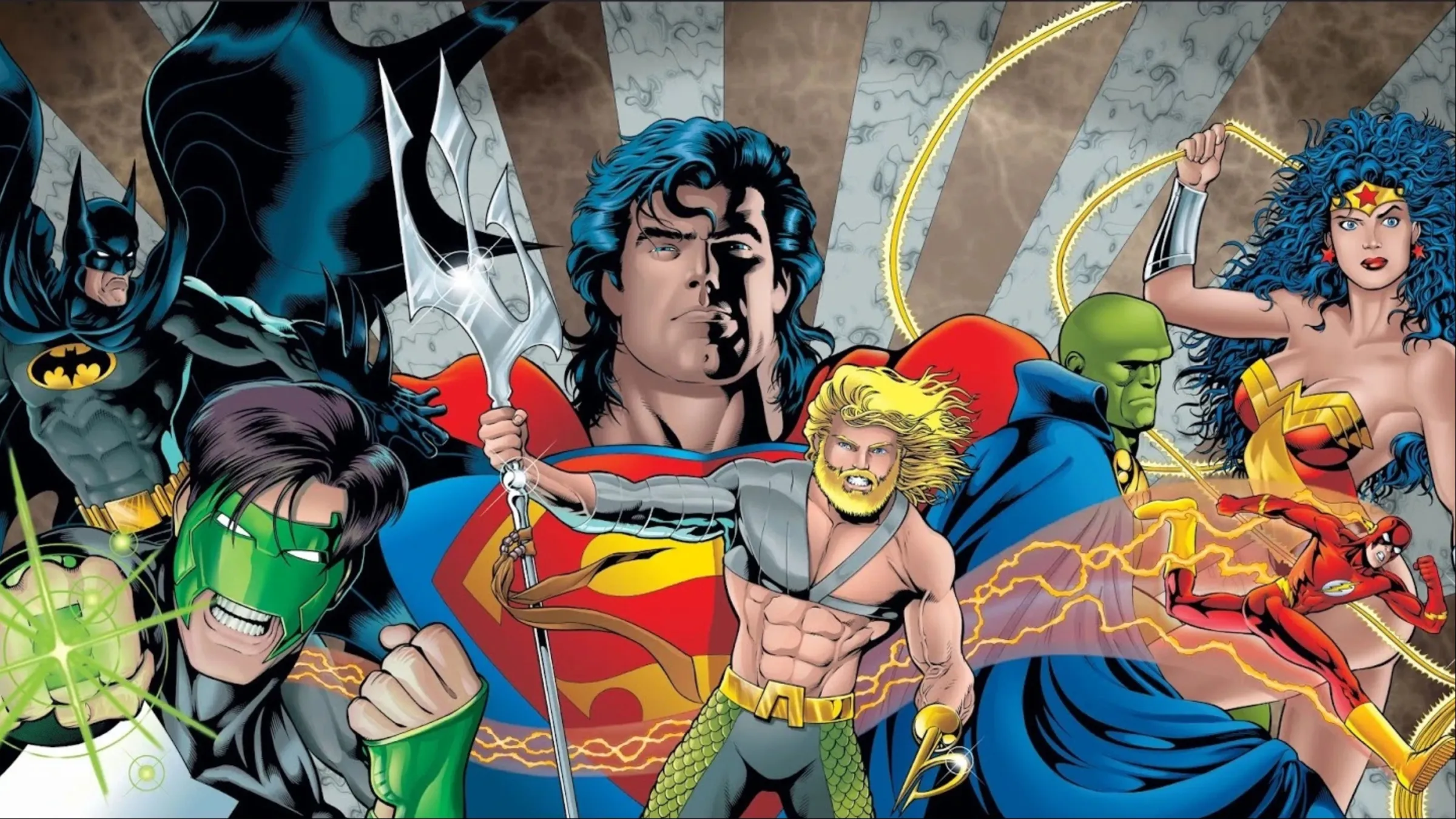
The Justice League is arguably the most influential team in comic book history. While not the first superhero team ever created, their launch in 1961 was incredibly impactful, catching the attention of Marvel (then known as Timely) and inspiring them to build their own universe of heroes. In fact, the Marvel Cinematic Universe as we know it likely wouldn’t exist without the Justice League. The League also pioneered large-scale crossover events with storylines like ‘Crisis,’ fundamentally changing how fans experienced DC Comics. Despite their importance, the League faced sales challenges in the early to mid-1990s, as Marvel and Image Comics gained popularity with fresh, new approaches to the superhero genre, making DC’s heroes seem dated by comparison.
The team’s luck turned around in 1996 with the release of JLA, which quickly surpassed all other superhero team comics. The series delivered some of the best Justice League stories of the 1990s, and many are considered all-time classics. While most fans remember JLA and its acclaimed creators Grant Morrison and Howard Porter, fewer know the story that paved the way. Justice League: Midsummer’s Nightmare, created by Mark Waid, Fabian Nicieza, Jeff Johnson, and Darick Robertson, marked a creative resurgence for the team. After years of inconsistent stories, it cleverly restored the team’s strength by temporarily removing their powers.
Justice League: Midsummer’s Nightmare Took the League Back to Basics
To really understand the Justice League’s situation, we need to look back at the 1980s. After the era of the League operating from a satellite ended, a new team formed, often called the ‘Detroit League.’ This team included established heroes like Aquaman and Martian Manhunter alongside several newer faces. However, this version wasn’t very well-received, and the League struggled until the Crisis on Infinite Earths event dramatically reshaped the DC Universe. This major reboot allowed for a fresh start, leading to the creation of the Justice League International – a team perfectly suited for the 1980s.
Just like the Detroit League before it, the Justice League International proved incredibly popular by mixing established heroes with newer faces. This version of the team was a lighthearted, character-driven superhero comedy in the mid-1980s, but DC Comics misinterpreted its success. They believed fans preferred Justice League teams without the biggest, most famous heroes. Instead of including those well-known characters, DC tried to extend the JLI’s popularity by making the team more edgy and unconventional. Unfortunately, this approach backfired, and the Justice League was cancelled – a first in its history.
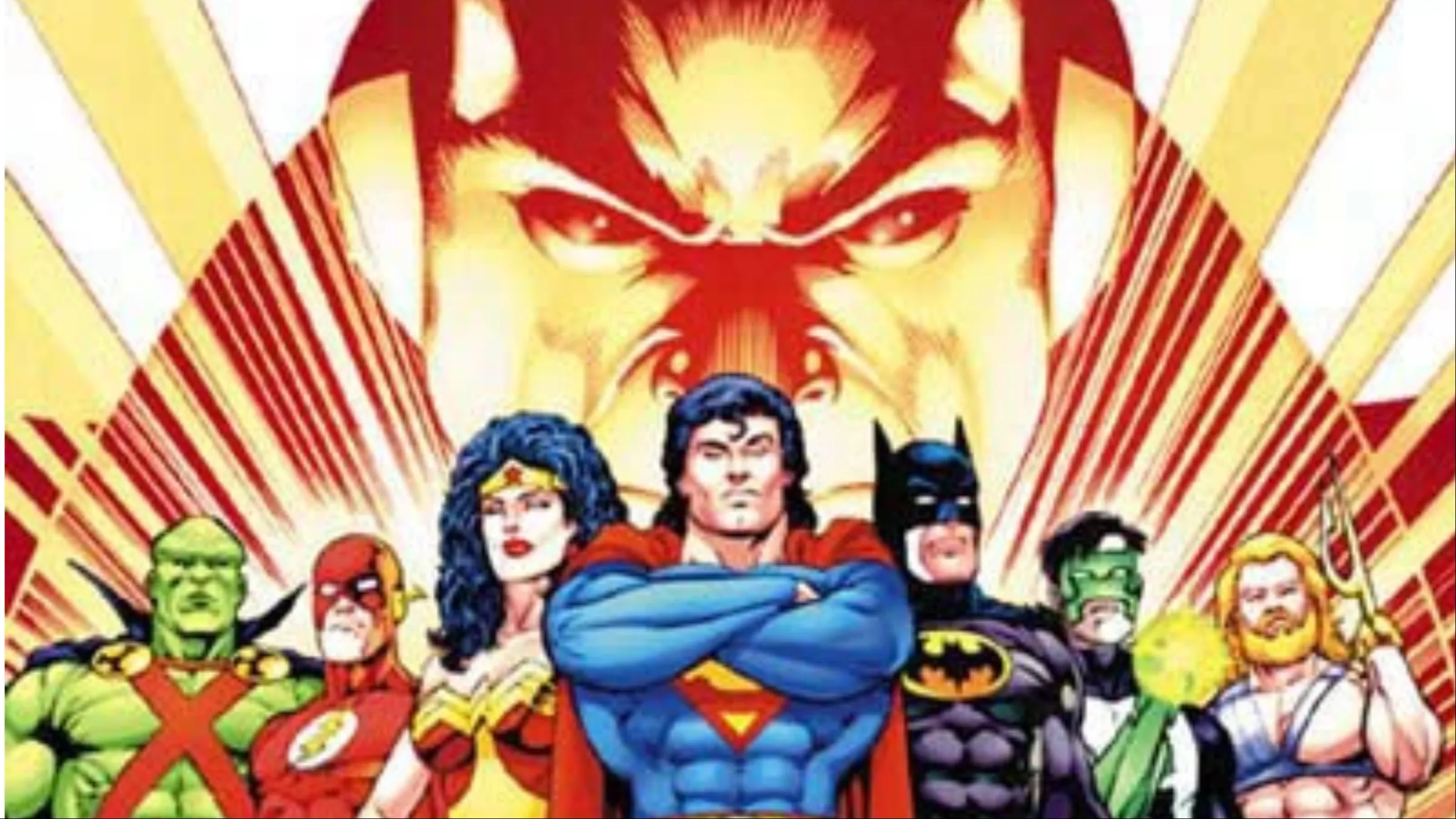
DC Comics successfully navigated a downturn in collectible popularity, and writers Mark Waid and Grant Morrison convinced the publishers to revive the original seven members of the Justice League: Superman, Batman, Wonder Woman, Green Lantern, the Flash, Aquaman, and Martian Manhunter. They reintroduced the team through the Justice League: Midsummer’s Nightmare series, with Waid collaborating with Fabian Nicieza (known for his work on X-Men), Jeff Johnson, and artist Darick Robertson, and covers by Kevin Maguire, who had previously worked on Justice League International.
The storyline reunited the original Justice League team after Doctor Destiny and the Know Men began stripping them of their powers and memories. It was a fitting narrative for their return, as DC Comics had lost sight of the League’s core identity and diminished their abilities over time – a chance for them to rebuild their reputation in the present. Writers Waid and Nicieza successfully modernized a classic plot – one that could have easily fit into older eras of comics – and introduced it to a new audience. This story served as a great introduction for fans who previously considered the older League to be outdated, demonstrating the enduring appeal of classic superhero narratives.
JLA Never Would Have Been a Success Without Justice League: Midsummer’s Nightmare
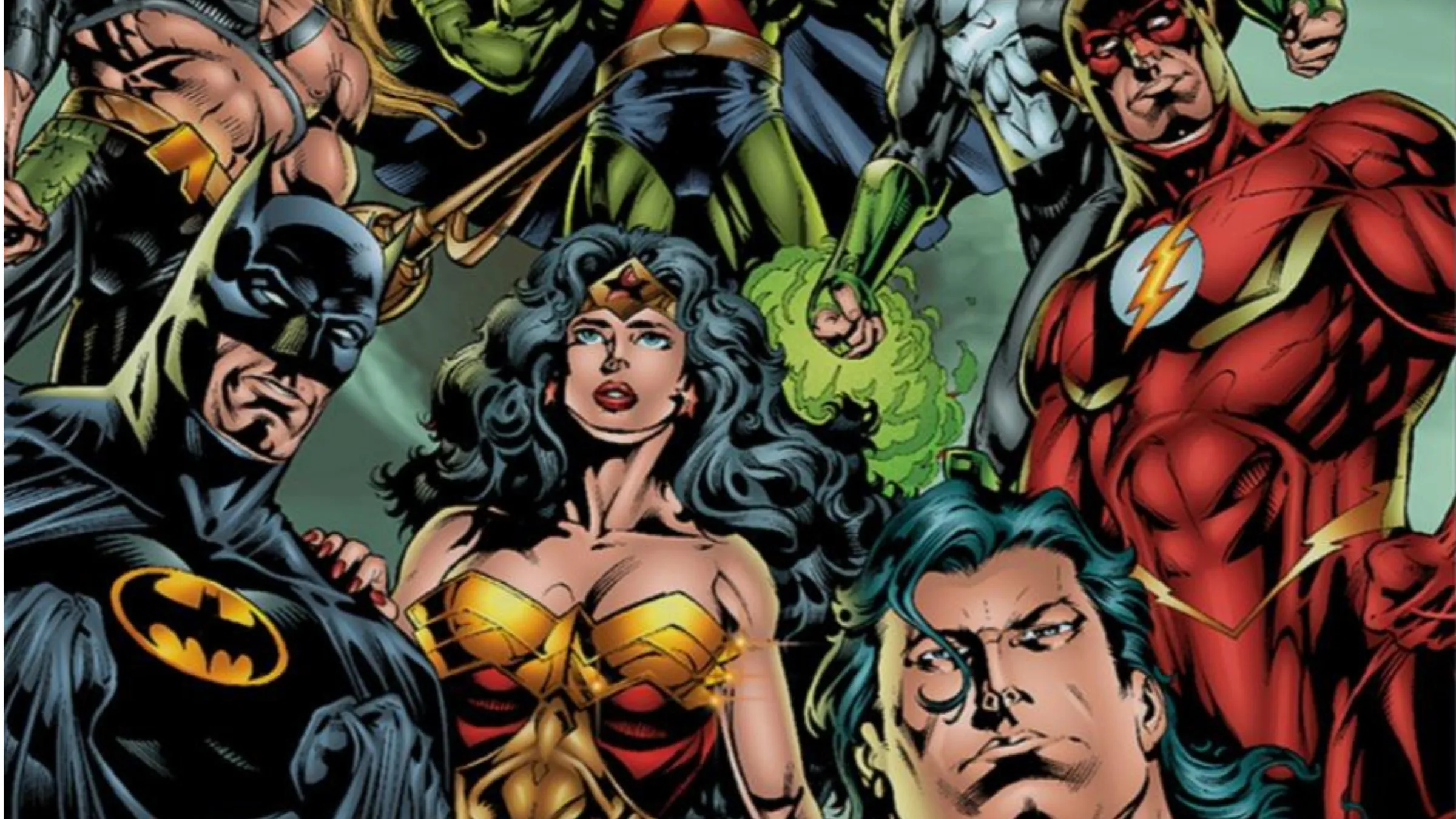
The JLA comic series is considered one of the best team-up books of all time, but it was also a bit of a gamble. In 1996, while the comic book market was changing, readers were looking for more sophisticated stories and saw older superhero teams as outdated. Justice League: Midsummer’s Nightmare successfully reintroduced the Justice League as a relevant and exciting series.
This storyline creatively combined a classic, lesser-known villain, Doctor Destiny, with a brand new, science fiction-based threat called the Know Men. Writer Mark Waid consistently updated older characters for modern audiences, and adding Scott Nicieza to the team was a smart move to attract fans of the X-Men. While it was quickly eclipsed by the popularity of the first JLA story, “New World Order,” this story was crucial to the Justice League’s success over the last three decades. It essentially revitalized the team and helped them gain a new generation of followers.
Read More
- GBP CNY PREDICTION
- Elon Musk’s Mom Maye Musk Shares Her Parenting Philosophy
- Forza Horizon 6 Car List So Far: Confirmed Highlights, Cover Cars, DLC, and Rewards
- 10 Greatest Manga Endings of All Time
- Elon Musk’s Ex Ashley St. Clair Reveals When Romance Became “Weird”
- 38 Years Later, Murder, She Wrote’s Most Overlooked Episode Still Pulls Off TV’s Greatest Crossover
- Mark Zuckerberg & Wife Priscilla Chan Make Surprise Debut at Met Gala
- Hollow Knight: Silksong Guide – All 30 Lost Flea Locations
- 20 K-Dramas That Nailed the Perfect Ending
- 10 Best Free Games on Steam in 2026, Ranked
2026-05-26 21:45