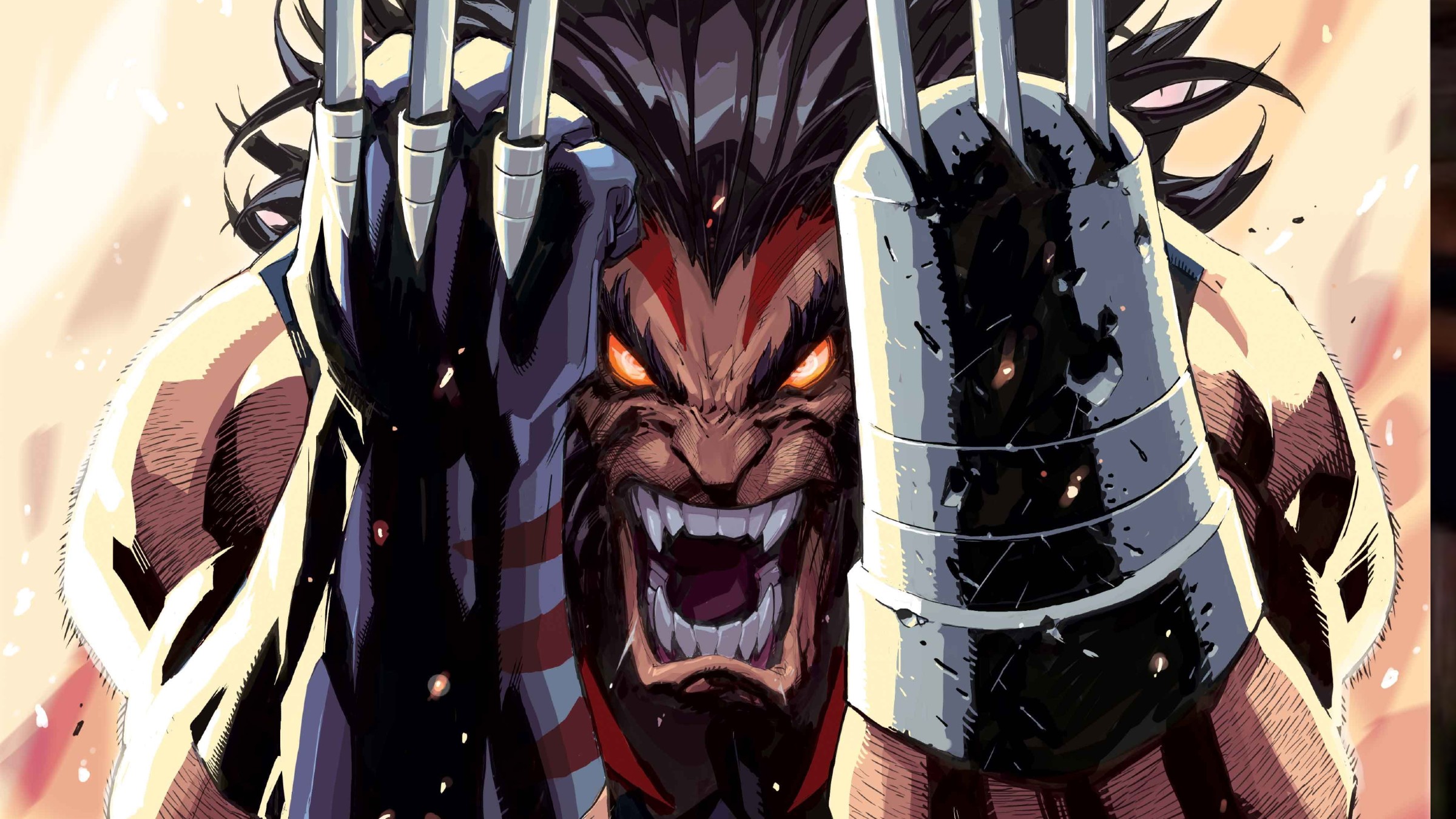
During the 1980s, the X-Men became the most successful team in comics, thanks to writer Chris Claremont who developed the series, starting with issues of Uncanny X-Men in the late 1970s. A key story from Claremont’s early work was “Days of Future Past,” which introduced a grim alternate future that readers loved. Building on that popularity, Marvel created an entire series of books set in a dark world, replacing the main X-Men titles with “Age of Apocalypse” in the mid-1990s. This new storyline began with the event “Legion Quest,” where Xavier’s son, Legion, unintentionally killed his father. This led to a reality where Apocalypse built a frightening mutant empire, and Magneto formed his own team of X-Men to fight against him.
“Age of Apocalypse” remains a beloved story for many fans, and it’s remembered with a lot of nostalgia. Told across a large collection of issues – including several miniseries – it transported readers to a dramatically different Marvel Universe filled with chaos and loss, quickly becoming a fan favorite. While it’s often seen as a landmark achievement with some truly great moments, a more honest assessment reveals it’s a bit uneven overall. Over time, the story has gained a legendary reputation, but the reality is more complex. “Age of Apocalypse” is a product of its time – the 1990s X-Men era – and embodies both the best and worst aspects of that period.
“Age of Apocalypse” Is Basically Half-Amazing, Half-Blah
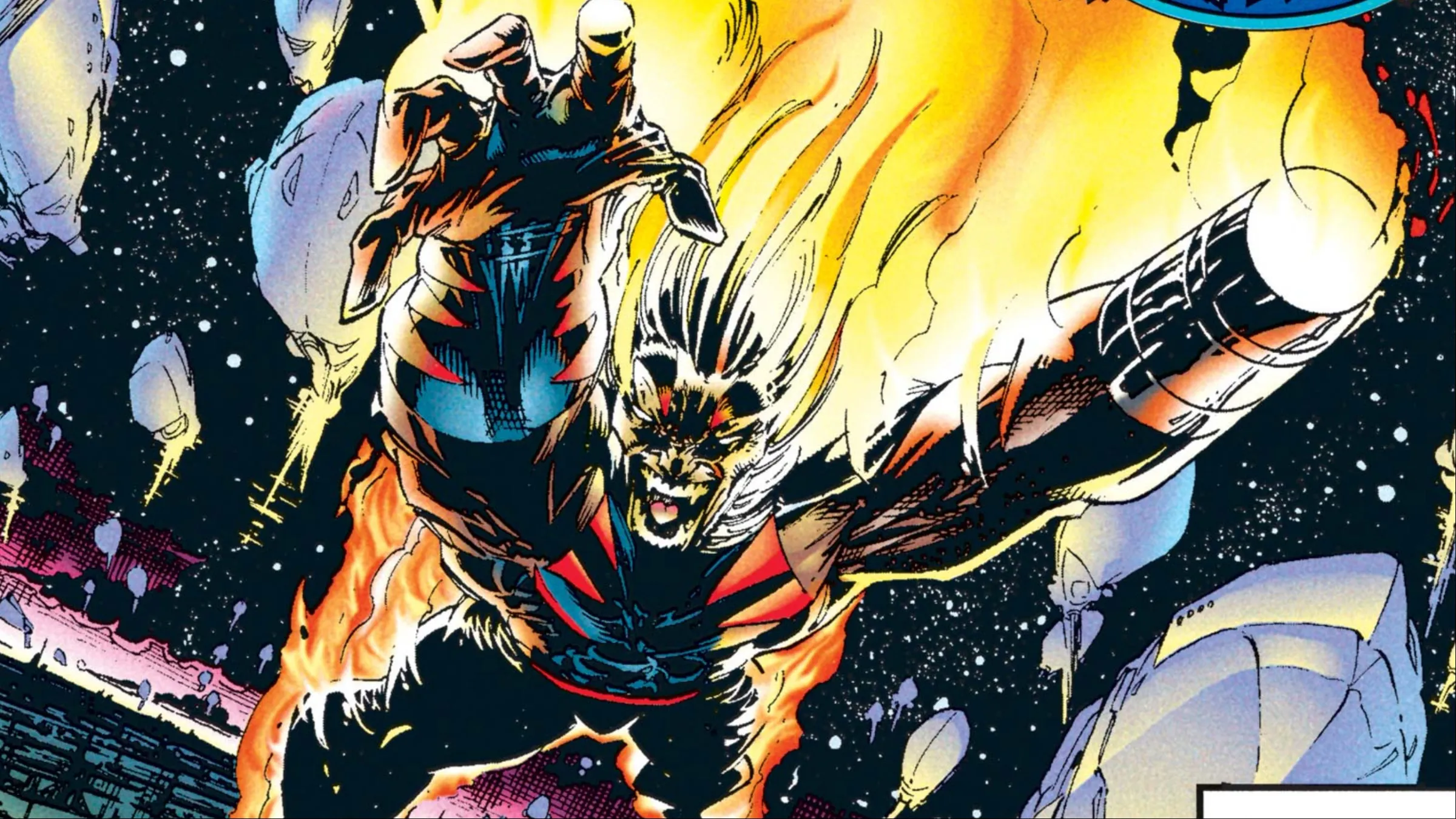
There are some fantastic stories within the “Age of Apocalypse” event. Titles like Astonishing X-Men, Weapon X, Generation Next, and Factor X are truly excellent, brilliantly capturing the grim atmosphere of Apocalypse’s world. Generation Next stands out in particular – it’s a series that steadily grows darker, ultimately culminating in a heartbreaking tragedy, essentially representing the entire “Age of Apocalypse” experience in miniature. But beyond those highlights, the quality unfortunately dips.
Titles like Amazing X-Men, X-Man, X-Calibre, Gambit and the X-Ternals, Universe X, and X-Men Chronicles represent the highs and lows of X-Men comics in the 1990s. While the decade was known for its incredible artists, the writing often wasn’t a priority. The ‘Age of Apocalypse’ books, for example, looked great, but the stories were just average. Some series, like Generation Next and Weapon X, stood out, but others, such as Amazing X-Men or Gambit and the X-Ternals, were decent without being exceptional. And then there were books like X-Calibre that simply didn’t deliver.
I’ve always been fascinated by how much love there still is for “Age of Apocalypse.” I think a big part of it is just nostalgia – I remember being 14 when it came out and being absolutely blown away! It felt so fresh and really captured the vibe of the ’90s. X-Men comics were huge then, but revisiting them now is tough. I remember loving a lot of them, but honestly, beyond the amazing artwork, they haven’t aged particularly well. And “Age of Apocalypse” is definitely one of those – it relies a lot on that initial feeling of excitement.
Many longtime fans remember this story fondly, almost as a perfect work, but even when it first came out, it wasn’t seen that way. It’s often viewed through rose-tinted glasses, connected to people’s memories of being young and experiencing the story for the first time, before countless retellings. Plus, Marvel hasn’t made it easy or affordable to find the original issues – you pretty much have to buy expensive collections. A lot of fans simply repeat what older fans say, focusing on the overall idea that it’s the best ever, and rarely discussing the individual parts. The story is good, but it’s definitely not as incredible as some people claim.
Read More
- Gold Rate Forecast
- 10 Most Powerful Versions of Superman, Ranked
- 10 Best Free Games on Steam in 2026, Ranked
- Forza Horizon 6 Car List So Far: Confirmed Highlights, Cover Cars, DLC, and Rewards
- GBP CNY PREDICTION
- 007 First Light: Release Date, Story, Gameplay, Cast, Editions, and Platforms
- 10 Greatest Manga Endings of All Time
- Black State Trailer Showcases Ray-Traced Reflections and DLSS 4 Performance
- Forza Horizon 6 PC Issues: Fix Crashes, Stuttering, Steam Errors, and Game Pass Problems
- DOGE PREDICTION. DOGE cryptocurrency
2026-05-29 03:10