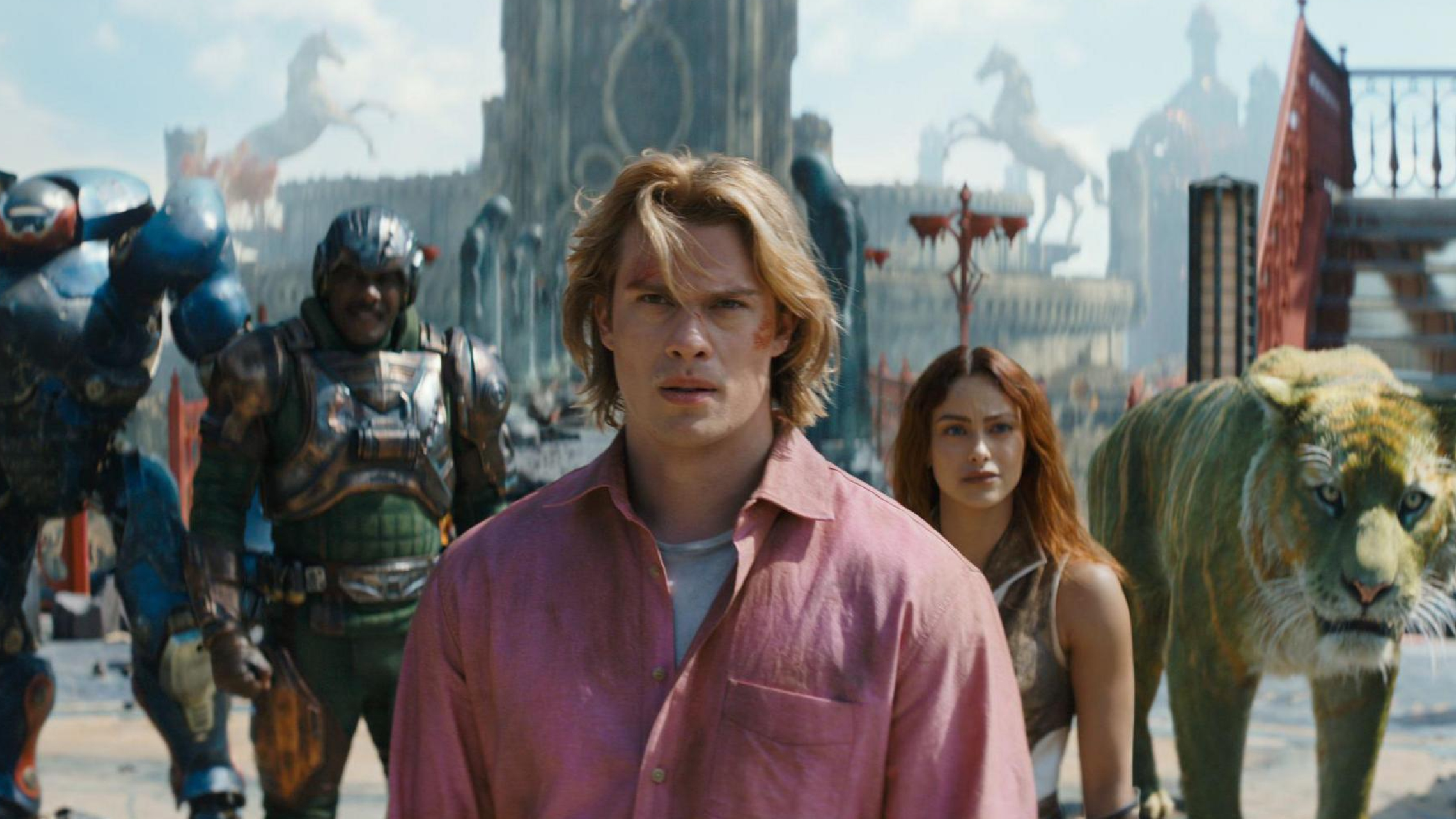
People often believe that good movies are automatically successful, but film history shows us many brilliant movies were initially ignored by audiences. For example, The Shawshank Redemption received seven Academy Award nominations but earned less than $30 million worldwide due to strong competition and a difficult-to-remember title. Similarly, Blade Runner flopped when it was released in 1982, overshadowed by E.T. and criticized for its slow pace and philosophical themes, despite later becoming a classic cyberpunk film. Even decades later, its sequel, Blade Runner 2049, received rave reviews but didn’t perform well in theaters.
Fantasy films often face a strange challenge. Because the genre relies on viewers’ willingness to embrace imaginative worlds, a poor marketing strategy or a bad release date can doom even truly magical movies. For example, The Wizard of Oz, now a classic, was initially a box office disappointment in 1939. Similarly, The Princess Bride, while beloved by many, opened modestly and only became a widely quoted phenomenon through years of television and home video rentals. Unfortunately, this pattern – great fantasy films struggling in theaters – is quite common.
5) Masters of the Universe
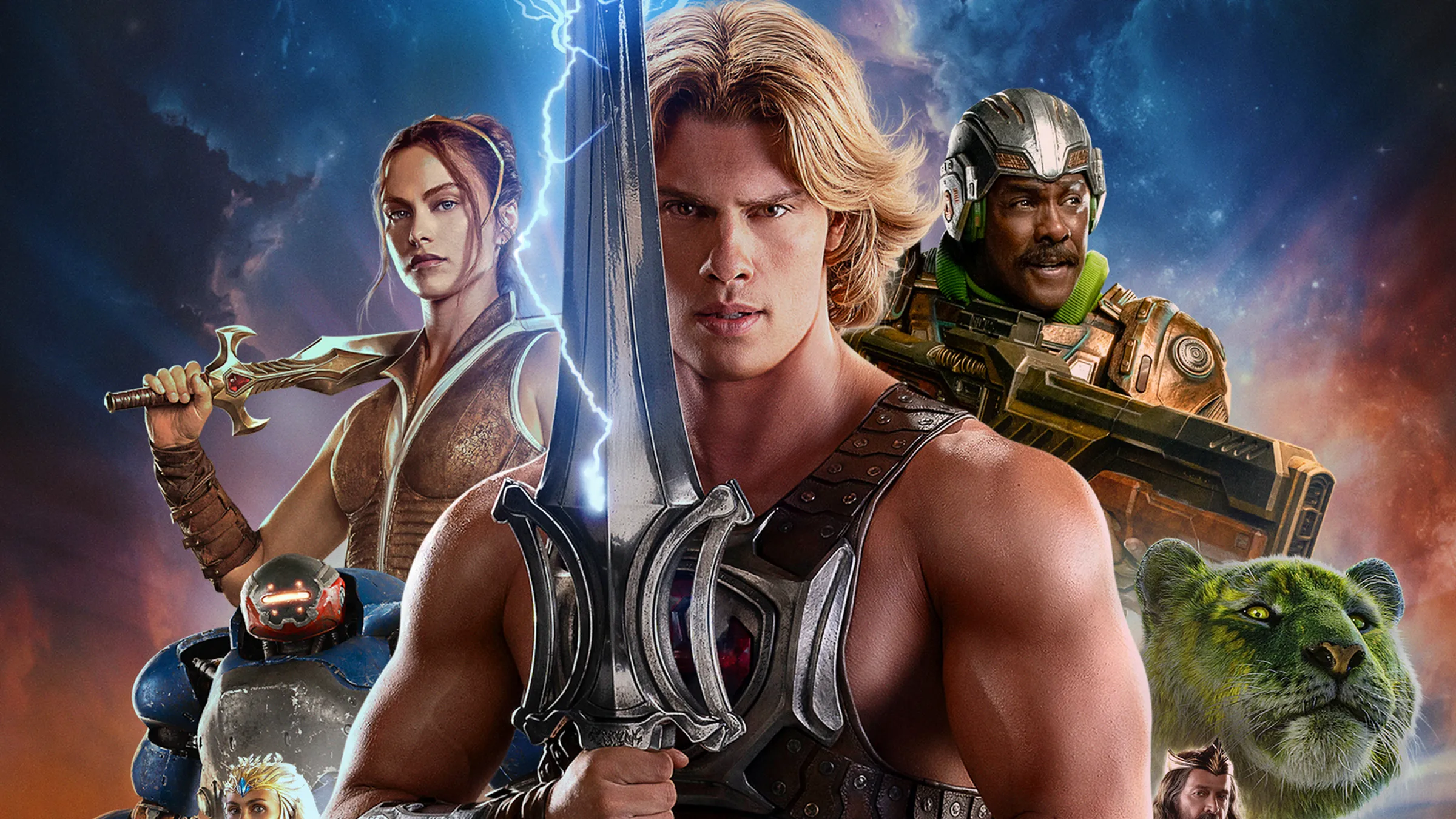
As a big fan of fantasy films, I was really curious about Travis Knight’s Masters of the Universe. It takes on the classic Mattel story, with Nicholas Galitzine playing He-Man and Jared Leto delivering a wonderfully over-the-top performance as Skeletor. The plot centers around He-Man trying to stop Skeletor from getting his hands on a powerful key that could change everything. Honestly, I was a little worried going in, considering it started as a toy line, but the movie actually got some pretty good reviews! Critics especially loved the practical effects and Leto’s take on Skeletor. Sadly, all the positive buzz didn’t seem to translate to ticket sales. It only made about $29 million domestically and $25 million internationally its opening weekend, totaling $54 million worldwide – which is definitely disappointing.
Although the film’s opening weekend earnings were decent for a non-franchise movie, they won’t come close to covering its huge production costs, estimated between $170 and $200 million. Positive reviews and audience reactions could help maintain box office numbers in the coming weeks, but considering marketing and theater expenses, the movie needs to earn at least $350 million to break even – a significant hurdle, making profitability unlikely without exceptional performance.
4) Labyrinth

I absolutely love Jim Henson’s Labyrinth! It’s become this amazing, beloved fantasy film about growing up. I remember being completely drawn into the world with Jennifer Connelly as Sarah, navigating this incredible, ever-changing place filled with goblins, talking doors, and the unforgettable David Bowie as the Goblin King – all to save her little brother. While it’s now praised for its unbelievably creative creatures and Bowie’s fantastic songs – things that really helped it find an audience through VHS and late-night showings – it actually had a really rough start in theaters. It’s amazing how it turned things around!
I remember when Labyrinth came out in the summer of 1986 – it was up against huge movies like Top Gun and Aliens. Sadly, it didn’t do very well in theaters, only making around $22.7 million worldwide, which was less than it cost to make! People back then were really split on it – some thought it was too scary for kids, and others felt it was too silly for adults. The marketing team also seemed unsure of who the movie was even for. It was a big financial disappointment, and honestly, it discouraged Jim Henson from directing another feature film. Over time, though, Labyrinth found a devoted audience on VHS and cable. Now, Robert Eggers is even making a remake, which is incredibly exciting!
3) The Dark Crystal
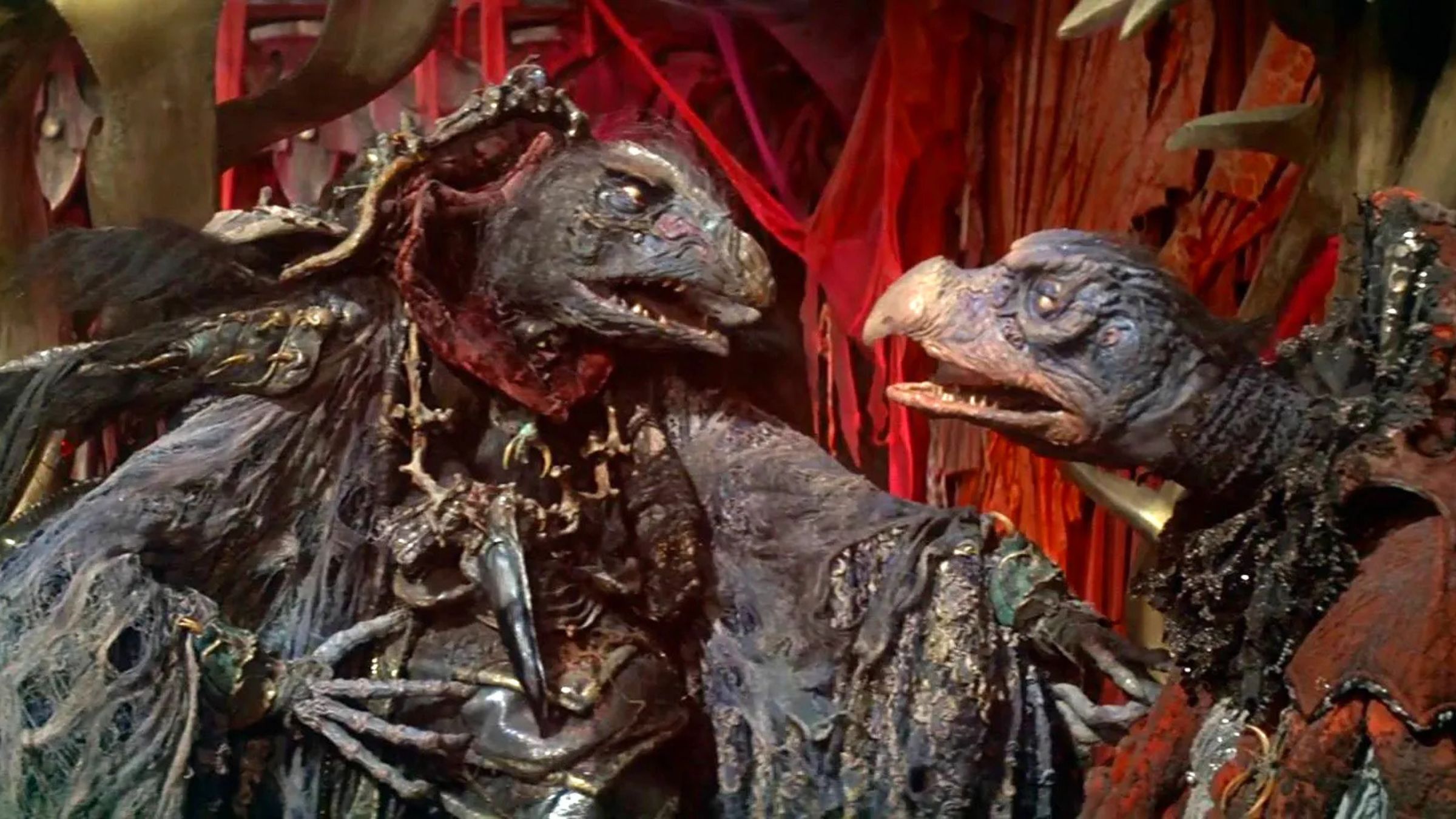
Jim Henson and Frank Oz’s The Dark Crystal is now celebrated for its incredible practical effects. The film features no human actors – instead, every scene is brought to life with detailed animatronic puppets and beautiful painted backgrounds, creating a unique and handmade feel that still stands out over forty years later. While The Dark Crystal continues to inspire filmmakers and fantasy writers, it wasn’t a financial success when it was first released. Despite earning $40.8 million worldwide during the 1982 holiday season, the film’s $25 million production cost, combined with marketing expenses, meant it fell short of the approximately $50 million needed to break even.
While many praised the impressive visual effects of The Dark Crystal, its scary atmosphere wasn’t suitable for children, which limited its audience. Eventually, the film gained a dedicated following through home video and television, leading to the successful Netflix prequel series, The Dark Crystal: Age of Resistance. But when it first came out, The Dark Crystal‘s poor performance at the box office was a setback for Jim Henson’s company and made studios hesitant to invest in movies made entirely with puppets.
2) The Black Cauldron
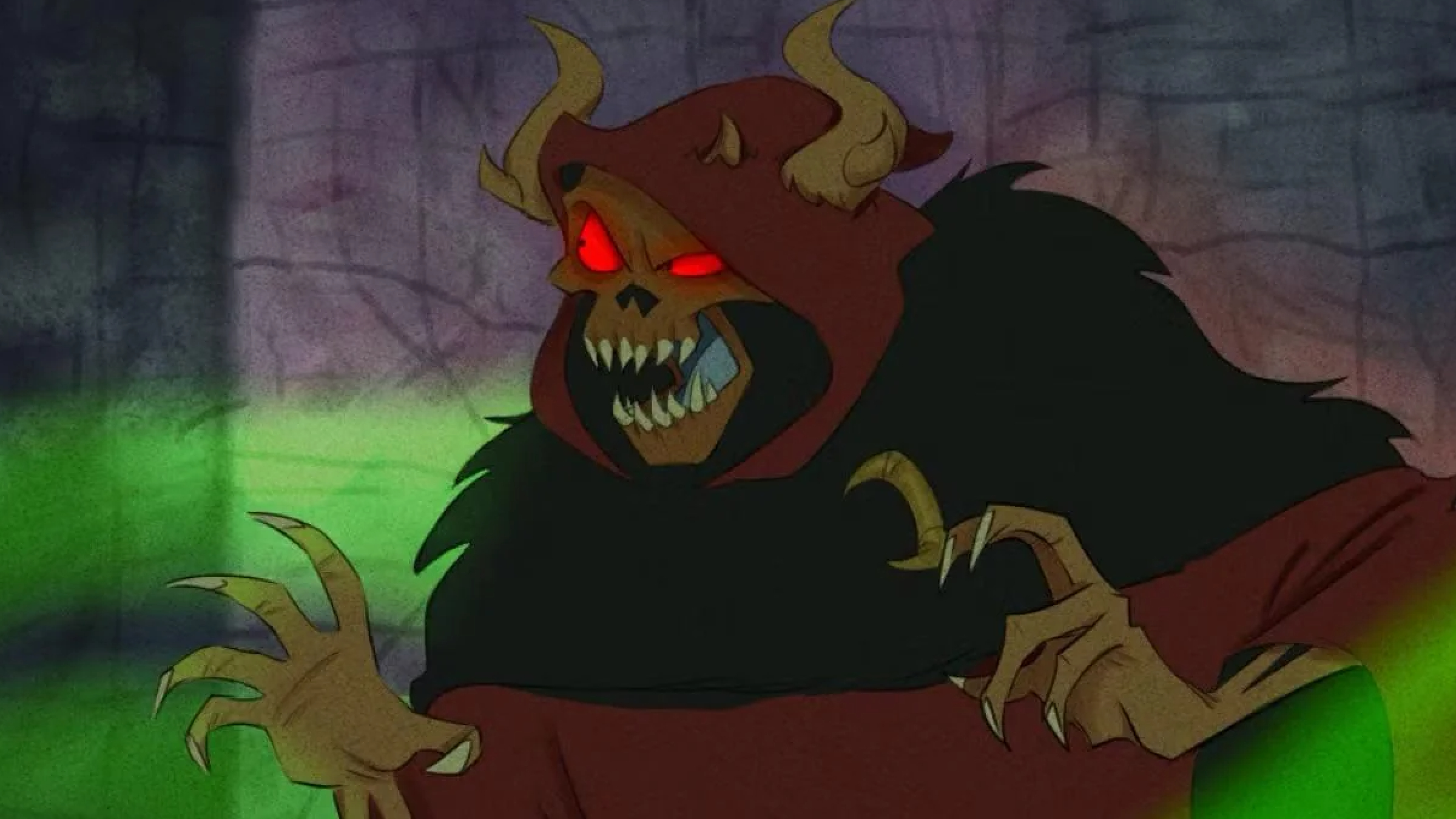
Released in 1985, The Black Cauldron almost bankrupted Disney’s animation department. Disney was eager to show they could create more than just traditional princess stories, so they invested around $44 million in adapting Lloyd Alexander’s books. They aimed for a PG rating, which meant including a scary, horned villain and frightening scenes. Beyond its darker tone, the film suffered from a troubled production. It involved a difficult transition between veteran and new animators, costly experimental animation techniques, and a story that became unclear during editing.
When The Black Cauldron was released alongside Back to the Future, it didn’t perform well, earning only $21.3 million. This poor result led Disney to drastically cut the animation department and almost shut it down completely. However, this failure ultimately pushed Disney to rebuild its animation process, paving the way for the successful films of the Disney Renaissance. Over time, The Black Cauldron has become something of an unusual and darker film within the Disney collection.
1) Dungeons & Dragons: Honor Among Thieves
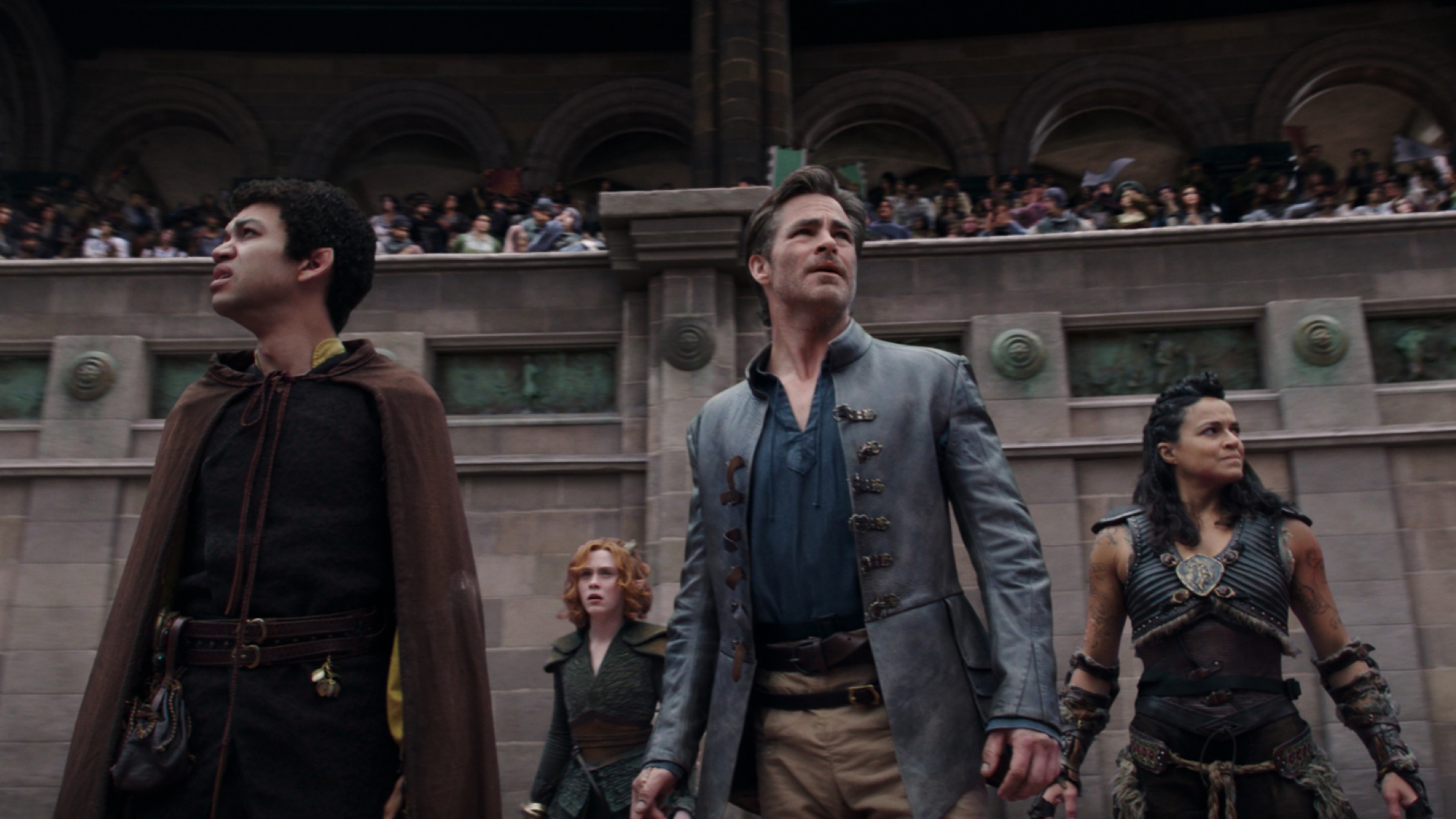
Dungeons & Dragons: Honor Among Thieves was a critical and audience hit, earning a 91% rating on Rotten Tomatoes and an A- CinemaScore. Viewers loved its witty writing, humor that appealed to fans of the game, and the great connection between the actors. The film successfully turned a complex tabletop game into a fun and heartfelt fantasy adventure, and positive reviews helped it earn over $208 million worldwide, despite strong competition from The Super Mario Bros. Movie, which came out just a week later and quickly attracted families and a broad audience.
Despite costing $150 million to make, the film Dungeons & Dragons: Honor Among Thieves only earned $208 million worldwide, falling short of the $350–$400 million needed to make a profit. This resulted in a significant financial loss for the studios involved, Paramount and eOne. While the film gained popularity on Paramount+ and fans campaigned for a sequel, producer Jeremy Latcham stated any follow-up would need a much smaller budget. Like the film Masters of the Universe, Dungeons & Dragons was a well-made movie whose production costs were too high for its target audience.
Read More
- USD HKD PREDICTION
- SUI PREDICTION. SUI cryptocurrency
- USD TRY PREDICTION
- Gold Rate Forecast
- USD BRL PREDICTION
- USD CHF PREDICTION
- EUR CNY PREDICTION
- Aster’s June 9 Unlock: Will It Be a Smooth Sail or a Hot Mess?
- LEGO’s New 12,060-Piece Set Smashes a 5 Year Old Record (& It’ll Cost You $800)
- UNI PREDICTION. UNI cryptocurrency
2026-06-08 23:41