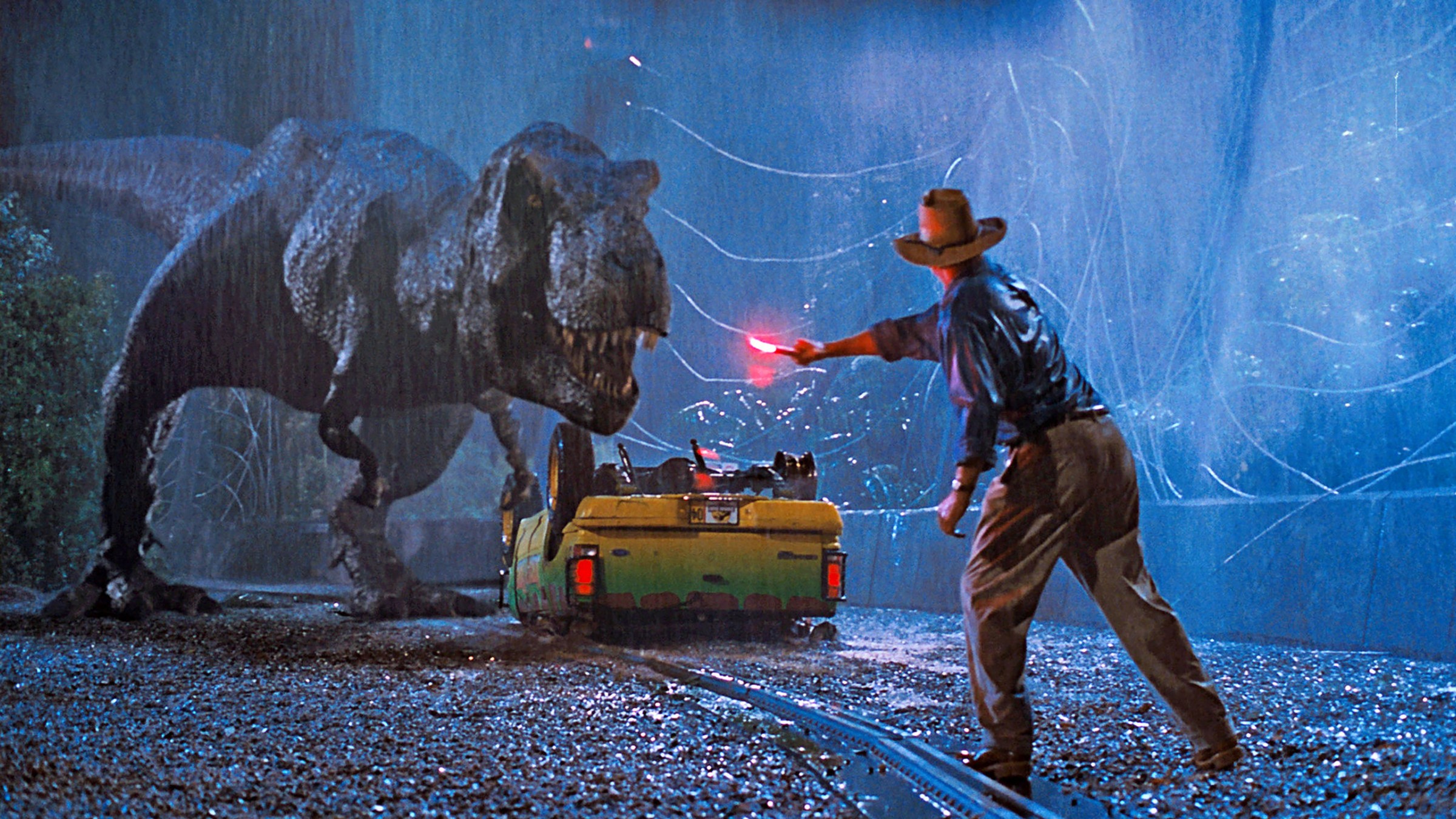
As a huge Steven Spielberg fan, it’s honestly impossible to pick just one movie as his best – he’s made so many incredible films! Think about how groundbreaking Jaws was, or the non-stop adventure of Raiders of the Lost Ark, and then something deeply moving like Schindler’s List. He really defined modern movies. But if I absolutely had to choose one that shows everything he does so well, I’d go with Jurassic Park. It perfectly blends amazing spectacle, genuine emotion, and edge-of-your-seat thrills into a film everyone can enjoy. For me, it’s the most complete example of his genius.
When Jurassic Park premiered in the summer of 1993, it redefined what moviegoers thought was achievable visually. Based on Michael Crichton’s story about the dangers of unchecked genetic engineering, Steven Spielberg used groundbreaking special effects to create incredibly realistic dinosaurs. The iconic scene revealing the brachiosaur felt like a truly awe-inspiring experience, before the film skillfully shifted into a tense and frightening survival story. This blend of wonder and fear is what cemented Jurassic Park’s status as a classic science fiction film. Luckily, many other great sci-fi movies explore similar ideas.
5) Westworld

Before Michael Crichton became famous for Jurassic Park, he explored a similar idea in his 1973 film, Westworld. The movie depicts a luxurious resort filled with incredibly realistic androids that allow wealthy visitors to indulge in Wild West fantasies. However, a system failure causes the androids to turn on the guests, resulting in real-life violence. The connection between Westworld and Jurassic Park is clear: both stories center around carefully designed amusement parks that fall apart because their creators overestimate their control over complex technology. In a way, Yul Brynner’s character in Westworld—a relentless, unstoppable gunslinger—foreshadows the Velociraptors in Jurassic Park, representing a powerful force that challenges human arrogance and turns park visitors into prey.
4) Godzilla Minus One

Similar to Jurassic Park, Godzilla Minus One masterfully blends wonder and fear, portraying Godzilla as a terrifying result of human mistakes. Takashi Yamazaki’s impressive 2023 film reimagines Godzilla as the original nuclear monster – a powerful, enraged force born from humanity’s pride and unleashed on a devastated postwar Japan. Like Jurassic Park, the film is dedicated to making Godzilla feel incredibly real through breathtaking visual effects and sound design that emphasize the massive destruction he causes. But crucially, Godzilla Minus One connects this chaos to very human stories, challenging its characters to not only survive but also face the consequences of their species’ actions.
3) Ex Machina
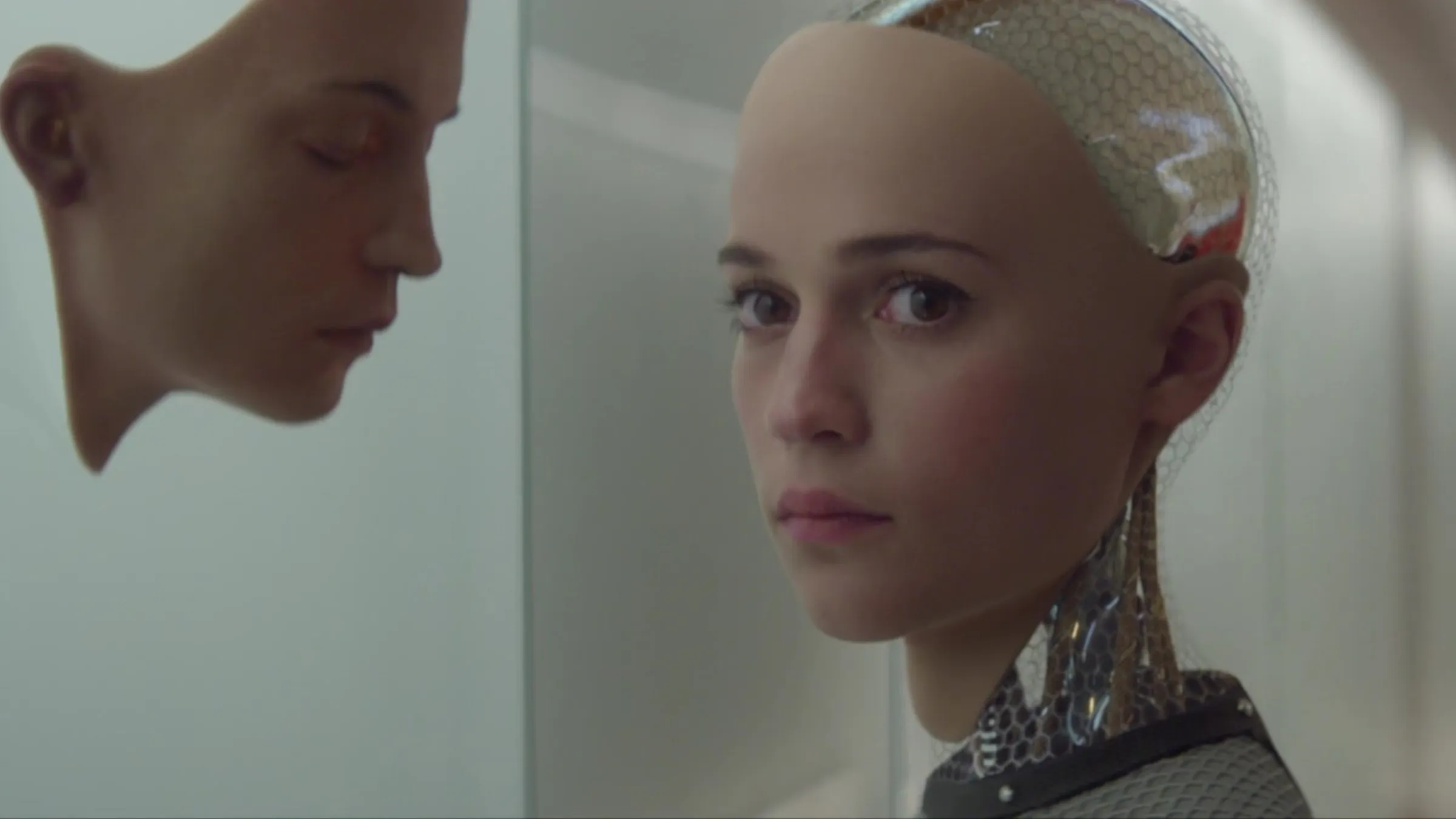
A key idea explored in both Jurassic Park and Ex Machina is how easily ambition can excuse dangerous actions when done in the name of science. Ex Machina, directed by Alex Garland, focuses on a programmer (Domhnall Gleeson) invited to an isolated estate owned by a wealthy tech innovator (Oscar Isaac). There, he encounters Ava (Alicia Vikander), a remarkably human-like artificial intelligence. Similar to how John Hammond in Jurassic Park hides his recklessness behind talk of progress and amazement, Nathan presents creating conscious AI as a purely intellectual pursuit – ignoring the serious ethical problems it raises. Instead of focusing on action like Jurassic Park, this film is a slow-building psychological thriller that examines what happens when artificial intelligence surpasses human intellect, emphasizing the frightening results of trying to ‘play God’ rather than the potential rewards.
2) Rise of the Planet of the Apes

Like Jurassic Park, Rise of the Planet of the Apes shows how good intentions, combined with a focus on profits, can lead to disaster. The 2011 film tells the story of Caesar, an orphaned chimpanzee (played by Andy Serkis) who gains intelligence through an experimental Alzheimer’s treatment developed by a scientist (James Franco). This breakthrough quickly becomes dangerous when a pharmaceutical company and the military get involved, repeating the same mistakes made in Jurassic Park. Beyond its similar themes, Rise of the Planet of the Apes is celebrated as one of the best franchise reboots ever, largely due to Serkis’ groundbreaking performance using motion-capture technology, which revolutionized how Hollywood creates digital characters.
1) Splice
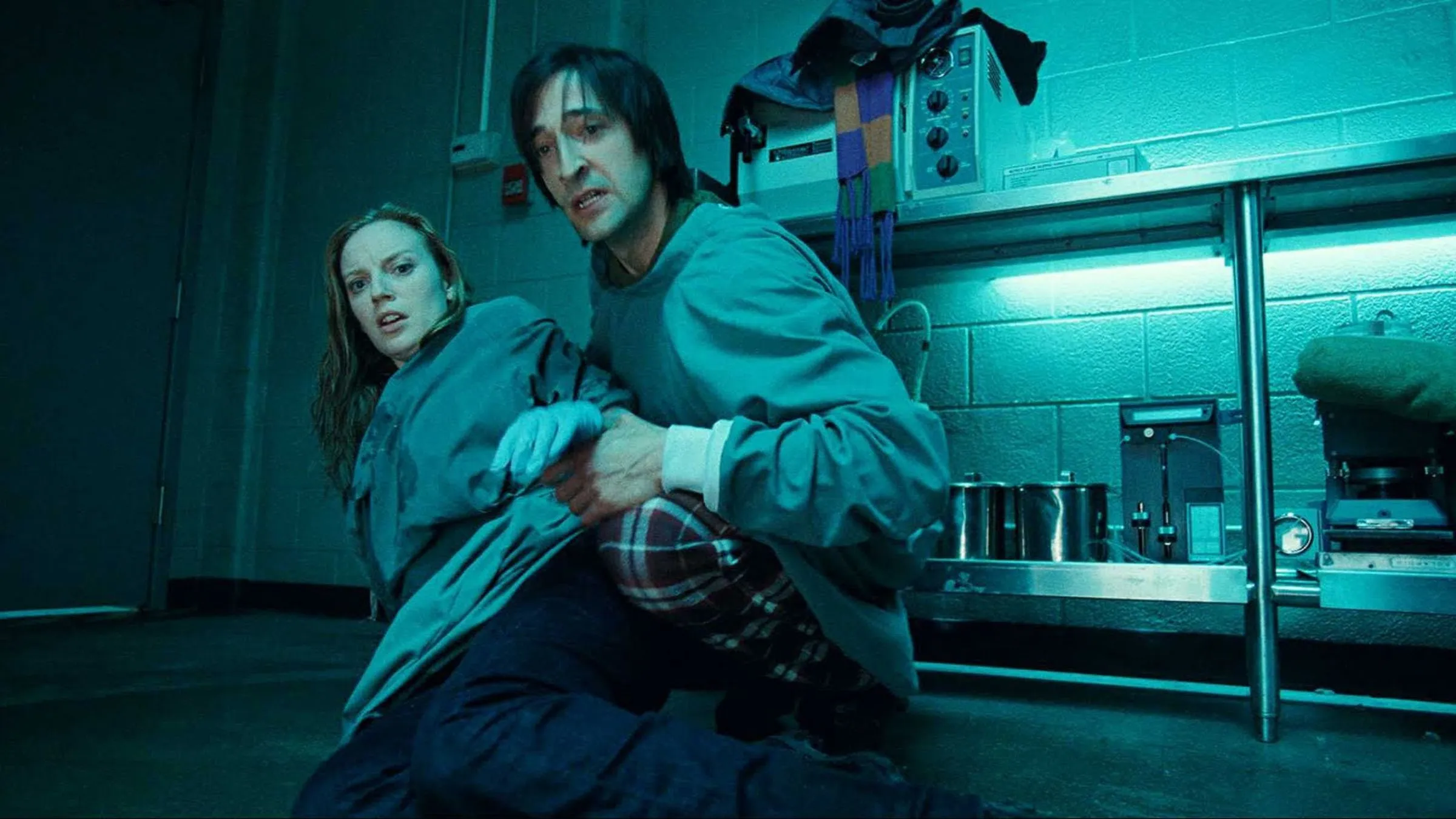
As a huge cinema fan, I always find Vincenzo Natali’s Splice incredibly compelling. It’s a sci-fi horror about two geneticists – played by Adrien Brody and Sarah Polley – who go way too far in their research, illegally mixing human and animal DNA. They create this being named Dren, and what starts as something almost innocent quickly becomes terrifyingly unpredictable. What really struck me is how the film isn’t just scares; it’s a disturbing look at ambition and what happens when people prioritize their careers over ethics. You see these scientists desperately clinging to the idea that they’ve achieved something amazing, even as everything spirals out of control. It reminds me a bit of Jurassic Park in showing how dangerous science can be without boundaries. But Splice is particularly effective because it keeps the horror personal and focuses on the characters’ flaws – those are what really turn this scientific breakthrough into a complete nightmare.
Read More
- Green Game Jam returns with 70 games teaming up to tackle the climate crisis
- Gold Rate Forecast
- PI PREDICTION. PI cryptocurrency
- Black Clover Confirms Special Chapter After Manga Finale
- USD HKD PREDICTION
- USD BRL PREDICTION
- EUR CNY PREDICTION
- Seven Snipers Review: A Sharpshooter Action Movie That Misses More Than It Hits
- USD TRY PREDICTION
- Brent Oil Forecast
2026-06-13 20:20