Beginning in the 1930s, DC Comics essentially invented the superhero genre, establishing many of the familiar elements we see today. A key achievement was the creation of the Justice Society of America, the very first team of superheroes. It’s no surprise then that DC also pioneered the concept of supervillain teams – groups who banded together for wealth, world domination, to defeat heroes, or a combination of all three. While the Legion of Doom is probably the most famous, many villainous teams came before and significantly influenced it. This is a look at those teams – some have faded into obscurity, while others left a lasting mark on comic book history.
It’s often hard for villains to cooperate, but when they do, even temporarily, they can be incredibly powerful threats to superheroes and everyone else. Team-ups of supervillains have been a common part of DC Comics stories since the beginning.
10) Terrible Trio
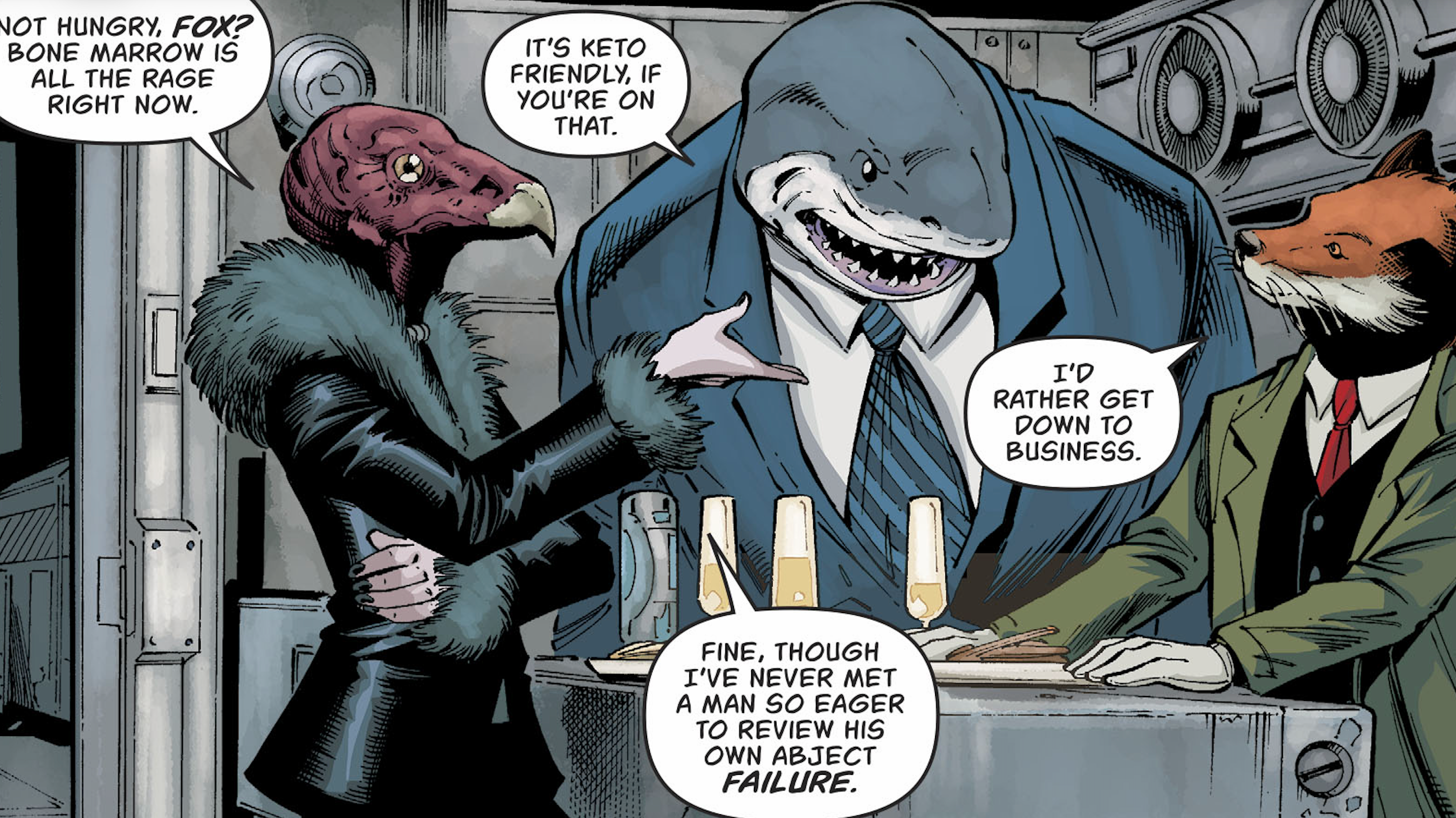
During the Silver Age of comics, Batman faced a lot of strange villains, and in 1958, he first battled a team of supervillains called the Terrible Trio. The group consists of Fox, Vulture, and Shark – three criminals who wear animal masks matching their names. Each member specializes in creating gadgets for crimes in a specific environment: Fox focuses on land, Vulture on the air, and Shark on the sea. Though DC Comics has tried to revive the Terrible Trio several times, they’ve never become very popular and remain one of Batman’s lesser-known foes.
9) Villainy Inc.
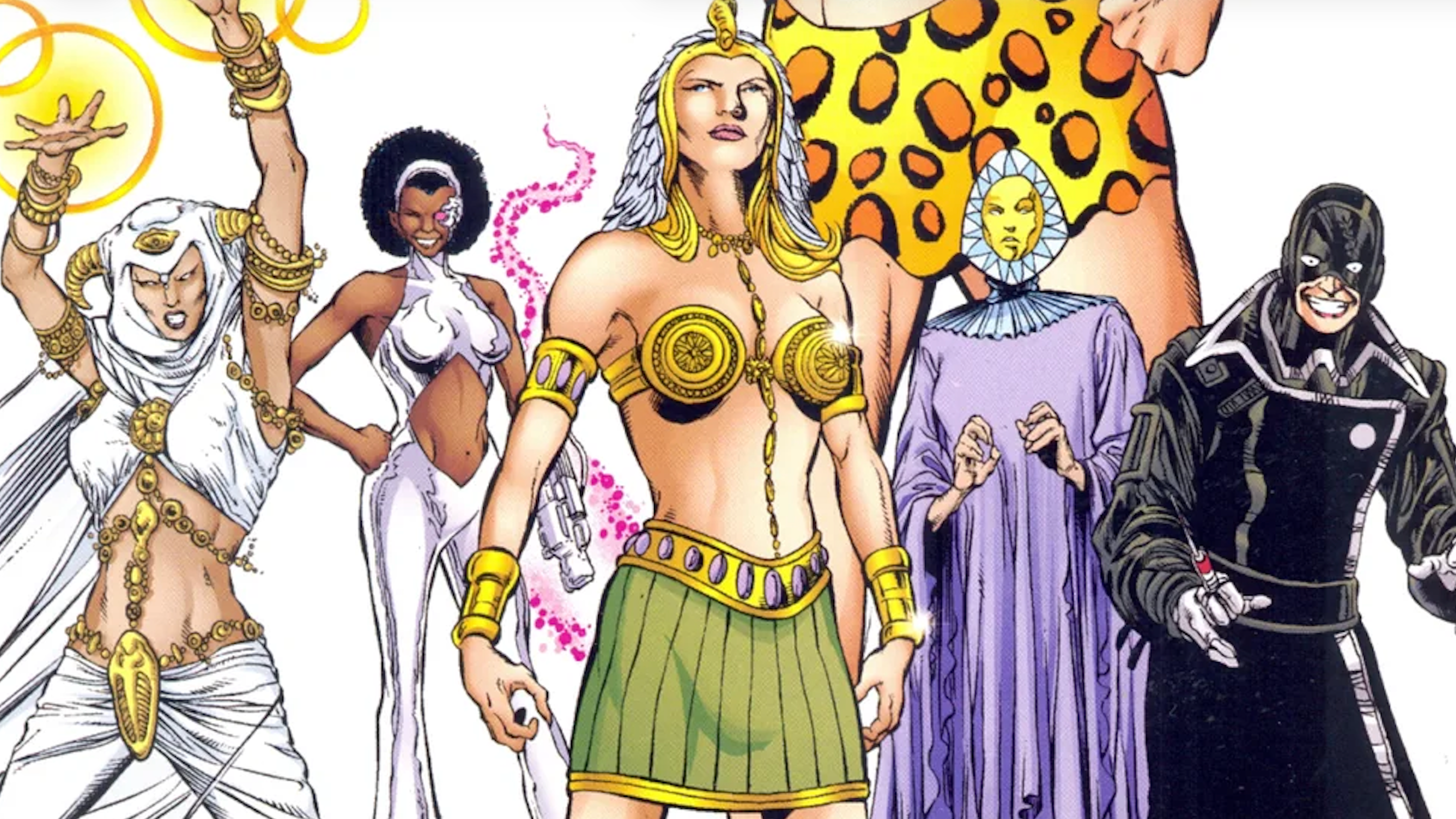
Wonder Woman consistently faces overlooked villains, and a particularly memorable group formed in 1948. Called Villainy Inc., this team was made up of Wonder Woman’s enemies who escaped from an Amazonian prison and vowed to get revenge. The original lineup, created by Eviless, included well-known characters like Cheetah, Giganta, and Dr. Poison, along with Queen Clea, Blue Snowman, Zara, and Hypnota. What makes Villainy Inc. unique is that it was the first all-female supervillain team – a concept rarely explored by DC Comics writers, despite its potential. They’ve only appeared in a few stories over the years.
8) Royal Flush Gang
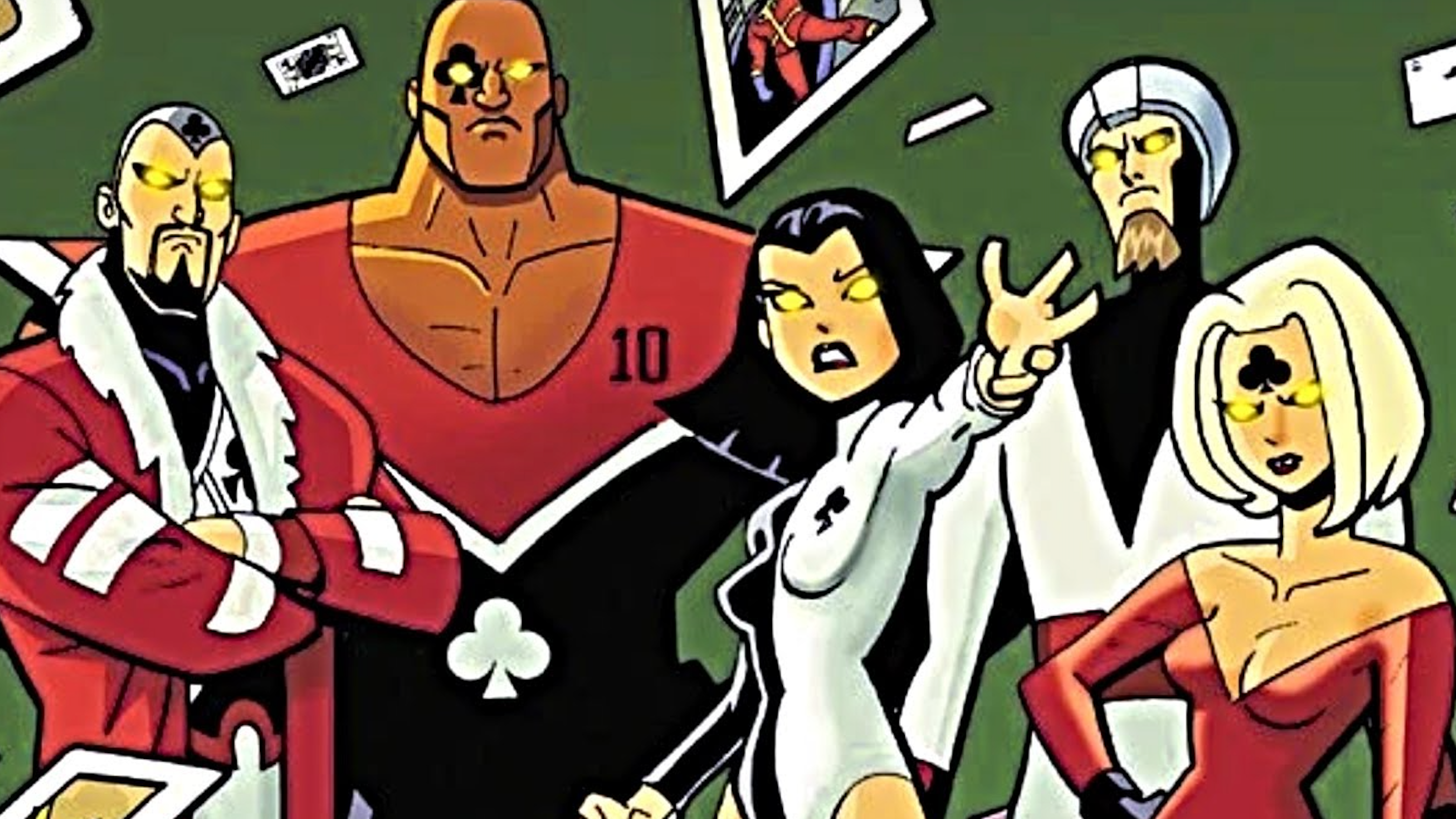
The Justice League first encountered the Royal Flush Gang in 1966. This group of villains, themed around playing cards, usually commits robberies or works for other major villains. Over the years, there have been many different versions of the Royal Flush Gang in comics and cartoons – some are portrayed as comical, while others are genuine threats. Some members have superpowers, and others rely on technology. Despite changes in their lineup and abilities, they typically use the names King, Queen, Ace, Jack, and Ten. While not the most frightening villains, the Royal Flush Gang is a unique and recognizable group that has appeared in many Justice League stories, making them memorable foes.
7) Superman Revenge Squad
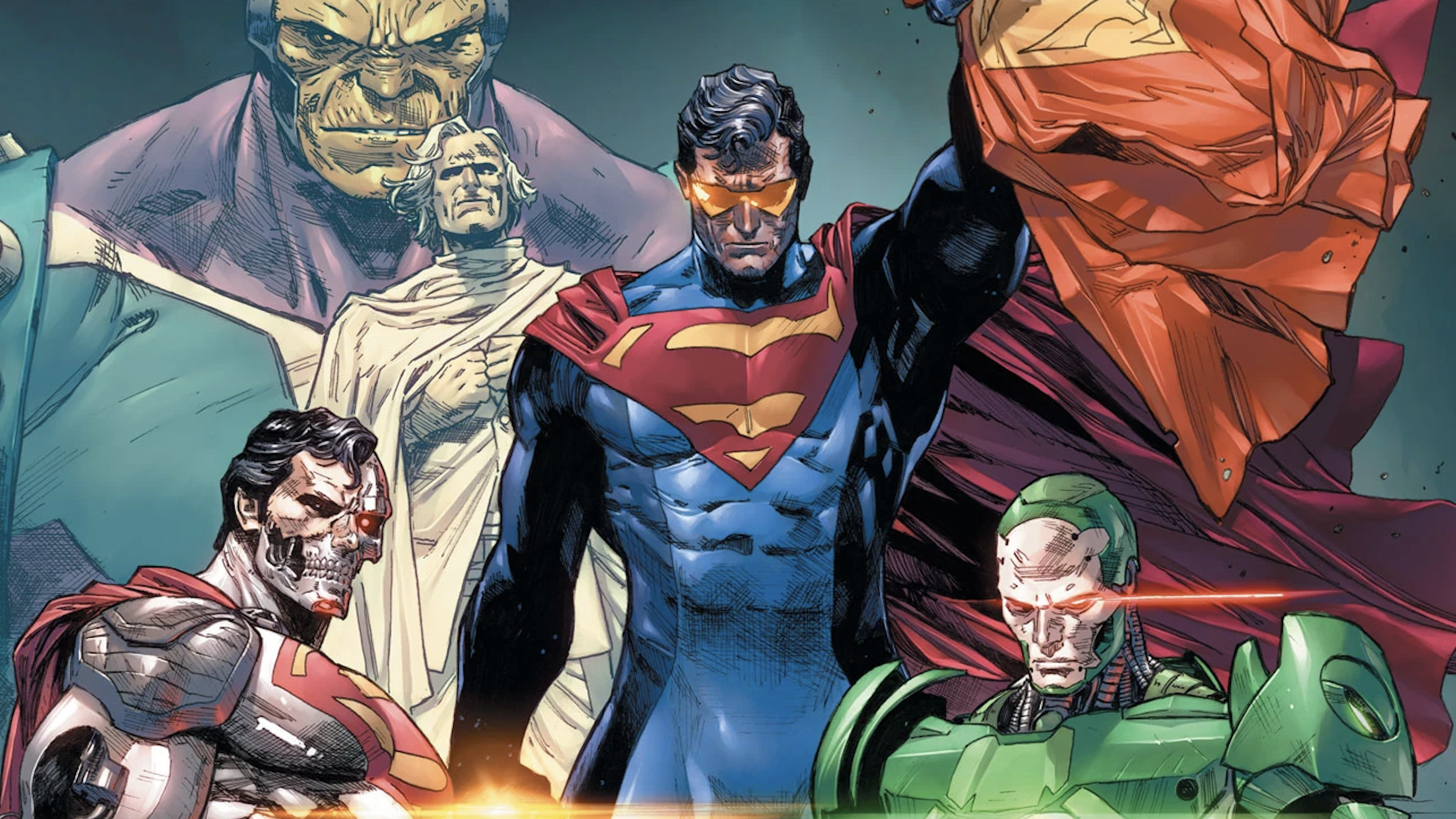
As the name suggests, the Superman Revenge Squad was formed in 1962 with one goal: to eliminate Superman. While the first version of the team was weak and easily defeated by Superboy, later groups became much more dangerous. Over time, many of Superman’s most powerful enemies have joined the squad, including Lex Luthor, General Zod, Parasite, Metallo, Cyborg Superman, Morgan Edge, and Mongul. Together, these villains have repeatedly come close to killing Superman and his loved ones. The Superman Revenge Squad represents some of DC Comics’ most dedicated and relentless foes, all united by their hatred for the universe’s greatest hero.
6) Monster Society of Evil
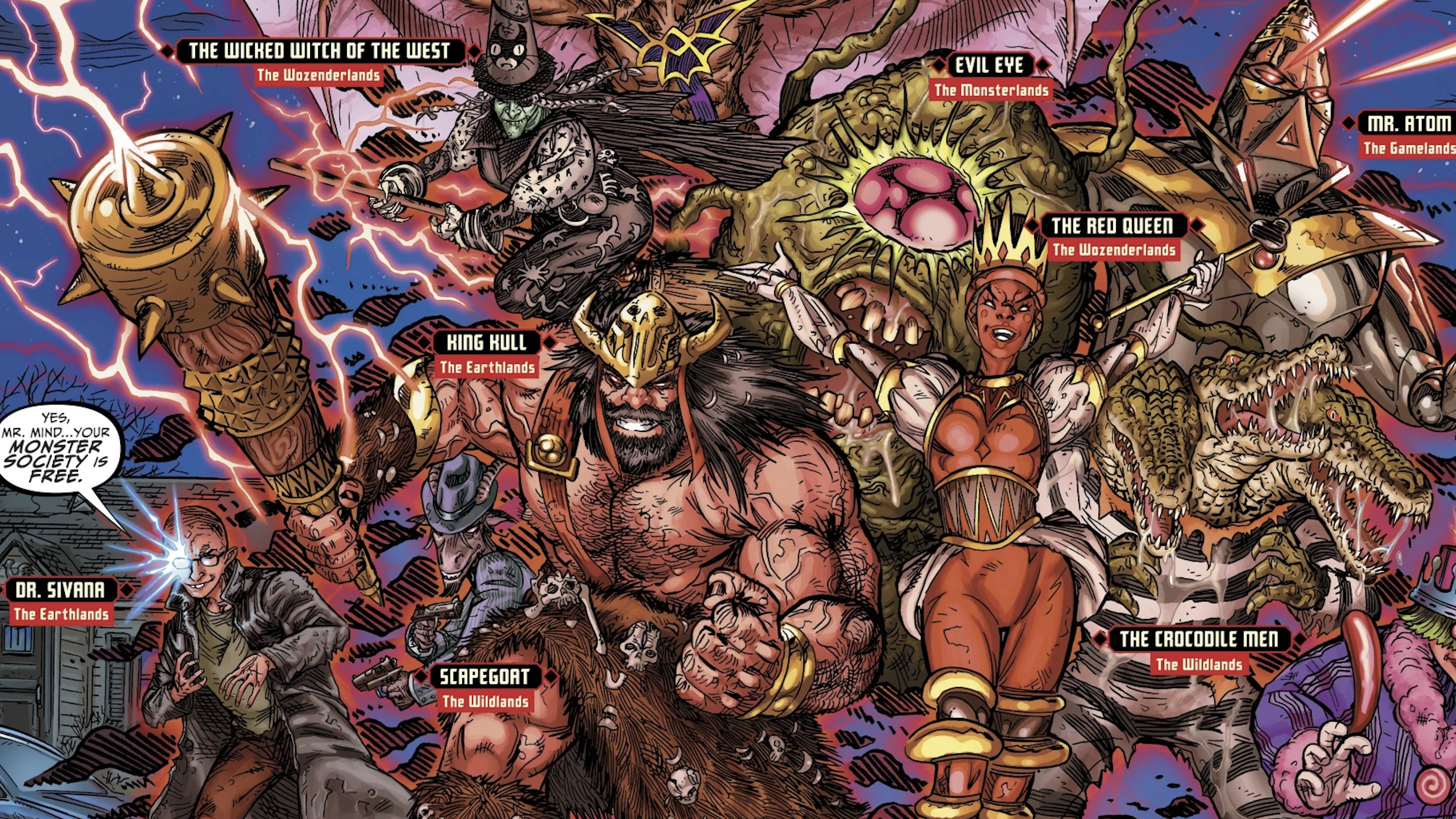
The Monster Society of Evil, appearing in 1943, was the very first team of supervillains in comic books and paved the way for all future villain groups. Originally published by Fawcett Comics and later by DC Comics, the team consists of the most powerful and unusual foes of Shazam, including characters like Mr. Mind, Black Adam, Dr. Sivanna, and Captain Nazi. Beyond being the first supervillain team, their first appearance was also one of the earliest examples of a story arc that continued over multiple issues. While largely unknown to those outside of Shazam comics, the Monster Society of Evil’s influence on the superhero genre is significant and often overlooked.
5) Legion of Supervillains

The Legion of Supervillains is dedicated to causing chaos in the 30th century, constantly opposing the heroic efforts of the Legion of Superheroes. This group consists of supervillains and former Legion applicants who felt wronged, and they’re determined to destroy their heroic counterparts. First appearing in 1961 with Cosmic King, Saturn Queen, and Lightning Lord as its original members, the team has grown significantly over time. The most dangerous version of the Legion of Supervillains was formed by Superboy-Prime during the Final Crisis: Legion of 3 Worlds storyline. Though they haven’t been featured in DC Comics recently, the Legion of Supervillains remain one of the Legion of Superheroes’ most well-known adversaries.
4) Brotherhood of Evil
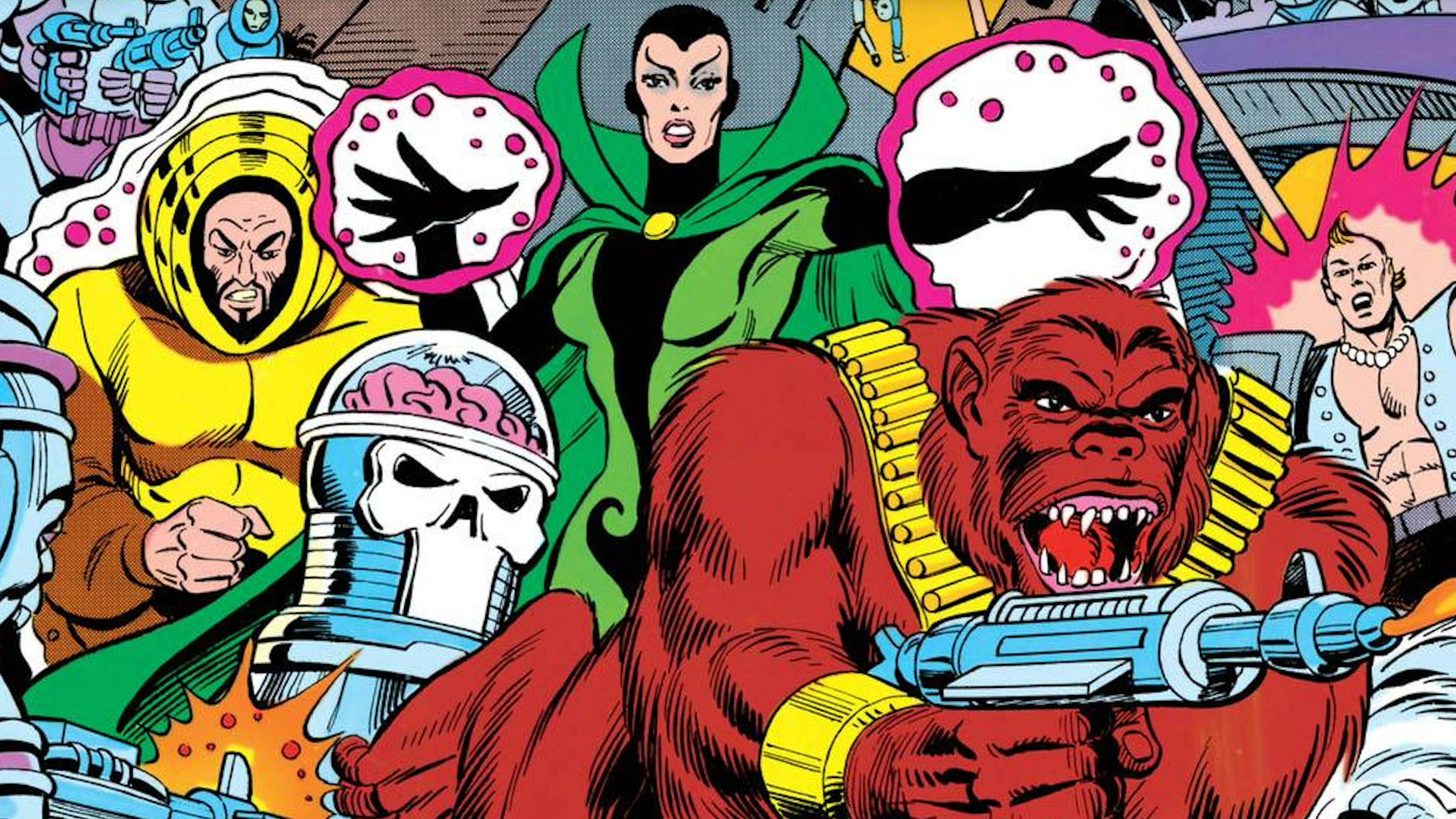
Since 1964, the Doom Patrol has been constantly threatened by their greatest foes, the Brotherhood of Evil. Led by the Brain – a disembodied and brilliant mad scientist – the group originally included villains like Monsieur Mallah, Madame Rouge, Rog, and Mister Morden. Over time, they’ve grown to include even more dangerous members such as Plasmus, Phobia, Warp, and Houngan. The Brotherhood isn’t just a problem for the Doom Patrol; they’ve also caused serious trouble for teams like the Teen Titans and Justice League, nearly defeating them multiple times. Some fans even believe the Brotherhood of Evil influenced the creation of Marvel’s Brotherhood of Evil Mutants. Despite all the unusual villains the Doom Patrol faces, the Brotherhood of Evil remains their most persistent and dangerous enemy.
3) Injustice Society
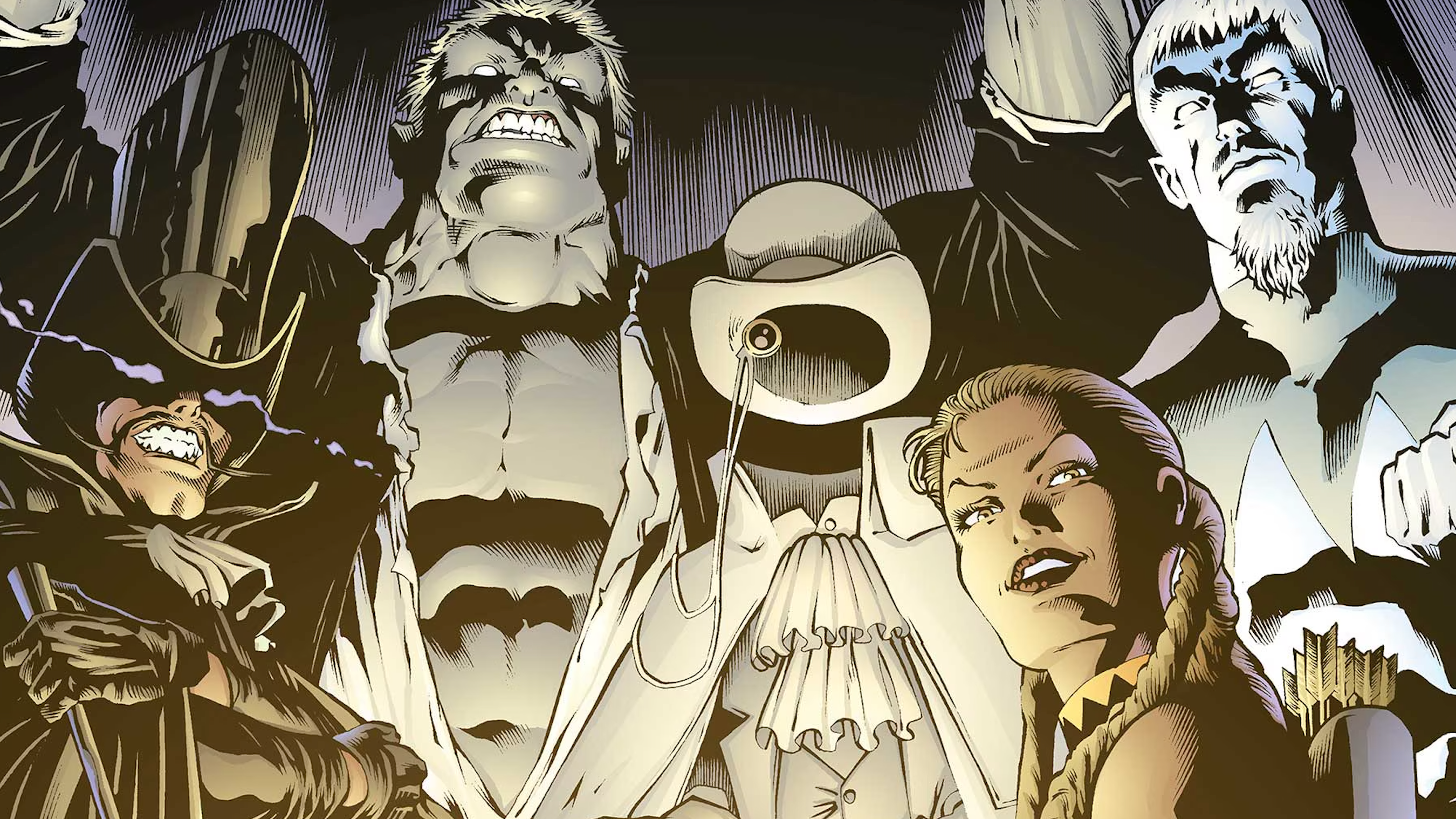
It was only natural that when the first superhero team – the Justice Society – appeared, a villainous counterpart would follow. The Injustice Society debuted in 1947 and has been a dangerous enemy of the Justice Society for nearly eight decades. Over the years, many of the JSA’s most powerful foes have been members of various versions of the Injustice Society, such as Vandal Savage, Solomon Grundy, Thinker, Johnny Sorrow, Wotan, Per Degaton, Tigress, and Icicle. The Injustice Society frequently appears in JSA comics, constantly plotting world domination and the Justice Society’s destruction. They even served as inspiration for some of the Justice League’s biggest enemies, like the Injustice Gang, Injustice League, and Legion of Doom.
2) Rogues
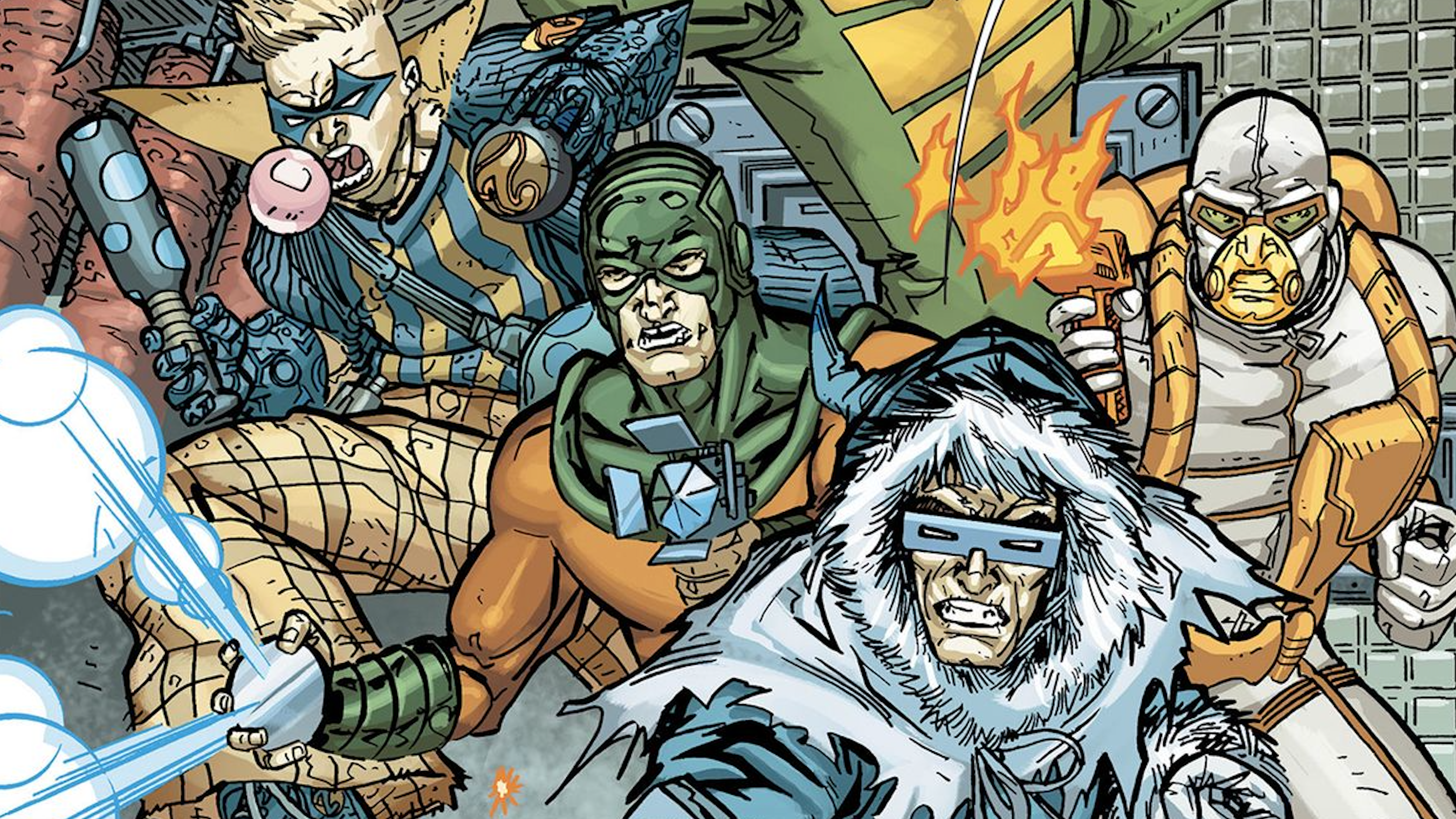
First appearing in 1965, the Rogues have become the Flash’s signature foes – one of the most famous and cunning villain groups in DC Comics history. Because the Flash is such a powerful hero, many smaller-scale villains teamed up to give themselves a better chance against him. The core members include Captain Cold, Mirror Master, Heatwave, Captain Boomerang, Trickster, Weather Wizard, Top, Golden Glider, and Pied Piper. What makes the Rogues unique is their surprisingly strict code of ethics, maintained under Captain Cold’s leadership, even as they commit crimes. They are complex, well-developed villains and consistently appear as the Flash’s primary adversaries.
1) Crime Syndicate of America
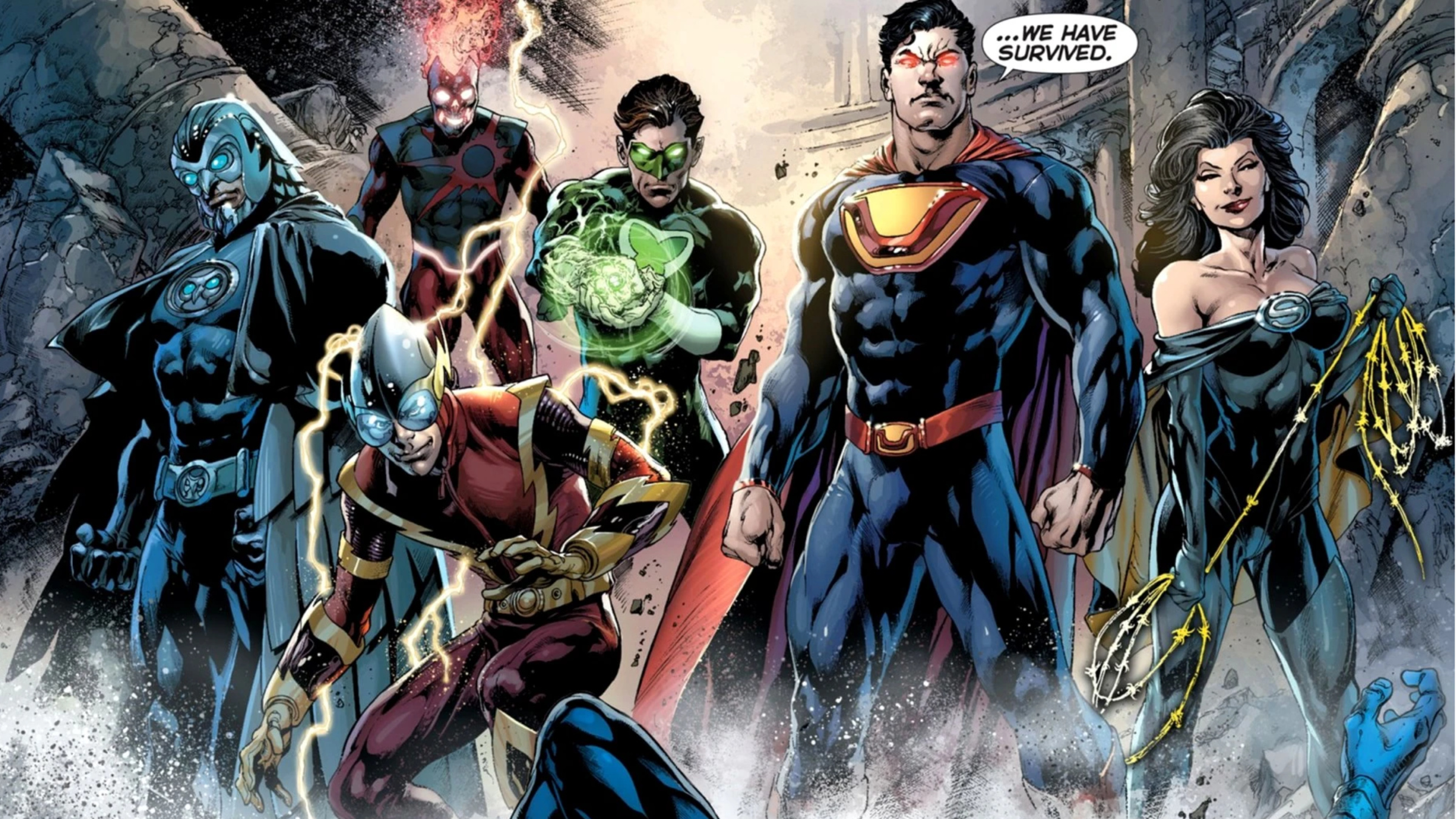
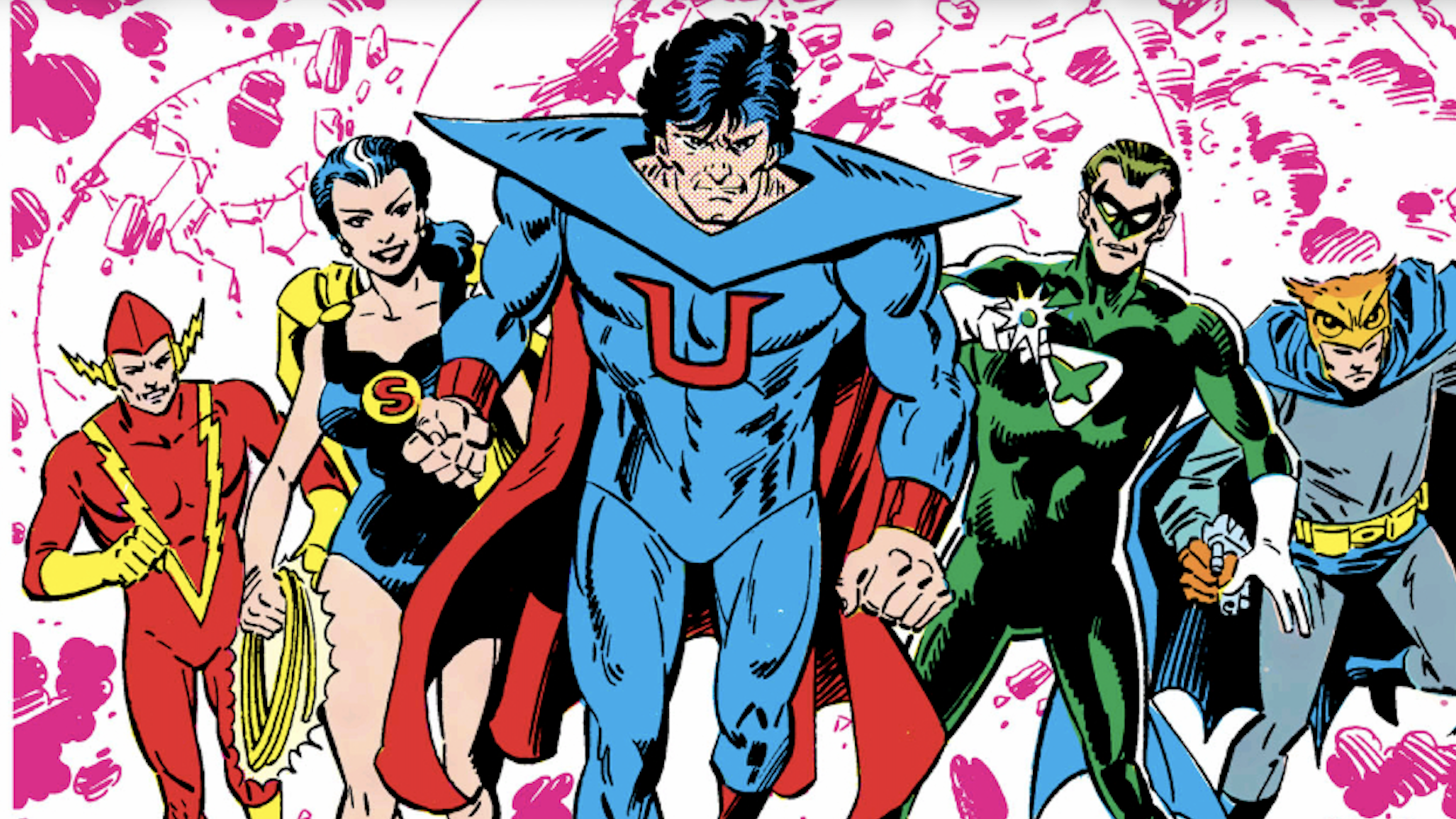
The Crime Syndicate of America, first appearing in 1964, is one of DC Comics’ most famous and frightening villain groups. Hailing from Earth-3, they’re essentially the evil versions of the Justice League, existing on a world where good and evil are reversed. Each member – Ultraman, Owlman, Superwoman, Johnny Quick, and Power Ring – possesses powers similar to their heroic counterparts, but uses them for selfish and cruel purposes. While DC had already explored alternate universes with Earth-2, the Crime Syndicate and Earth-3 became particularly well-known for their twisted take on classic DC heroes. As the definitive example of an evil twin team and for expanding the possibilities of the DC multiverse, the Crime Syndicate remains one of DC’s most iconic villain groups.
Read More
- Green Game Jam returns with 70 games teaming up to tackle the climate crisis
- PI PREDICTION. PI cryptocurrency
- Gold Rate Forecast
- USD HKD PREDICTION
- Black Clover Confirms Special Chapter After Manga Finale
- Brent Oil Forecast
- EUR KRW PREDICTION
- USD CAD PREDICTION
- USD CHF PREDICTION
- Eva Longoria Reunites With Tony Parker 15 Years After Cheating Scandal
2026-06-14 21:17